Aneurisma de la arteria cerebral Tratamiento en Lituania — Costos 2026


Revisado médicamente por
Fahad Mawlood
¿Cuál es el precio del diagnóstico y los tratamientos de Aneurisma de la arteria cerebral en Lituania? Descubra ahora
| España | Turquía | |
|---|---|---|
| Cirugía de tumor cerebral | de $23,000 | de $15,500 |
Sus beneficios y garantías con Bookimed
Precios directos
Bookimed no añade cargos extra a los precios de los tratamientos de Aneurisma de la arteria cerebral. Las tarifas proceden de las listas de precios oficiales de las clínicas. Pagará directamente en la clínica por su tratamiento a su llegada al país.
Sólo clínicas y médicos verificados
Bookimed está comprometido con su seguridad. Solo trabajamos con las clínicas que mantienen altos estándares internacionales en el tratamiento de Aneurisma de la arteria cerebral y cuentan con las licencias necesarias para atender a pacientes internacionales en todo el mundo.
Asistencia 24/7 gratuita
Bookimed ofrece asistencia experta gratuita. Un coordinador médico personal le apoya antes, durante y después de su tratamiento, resolviendo cualquier problema. Nunca estará solo en su viaje médico de tratamiento de Aneurisma de la arteria cerebral.

Su coordinador médico personal de Bookimed
- Le apoya en cada etapa
- Ayuda a elegir la clínica y el médico adecuados
- Asegura un acceso rápido y conveniente a la información
Descubra las mejores clínicas de tratamiento de Aneurisma de la arteria cerebral en Lituania: 2 opciones verificadas y Precios



Compartir contenido
Historias en video de pacientes de Bookimed
 Olena Sikoza
Preguntas frecuentes sobre el tratamiento de Aneurisma de la arteria cerebral en Lituania
¿Cuáles son los principales métodos de tratamiento disponibles en Lituania para un aneurisma cerebral?
El tratamiento de aneurismas cerebrales en Lituania utiliza el clipaje microquirúrgico y técnicas endovasculares como el coiling o la derivación de flujo. Los principales centros en Vilna y Kaunas gestionan tanto casos rotos como no rotos. Los especialistas siguen protocolos europeos para seleccionar los tratamientos según el tamaño del aneurisma, la ubicación y la edad del paciente.
- Clipaje microquirúrgico: Los cirujanos colocan clips de titanio permanentes para bloquear el flujo sanguíneo mediante craneotomía.
- Coiling endovascular: Procedimiento mínimamente invasivo basado en catéter que rellena el aneurisma con espirales de platino.
- Derivación de flujo: Stents de malla de alta densidad redirigen el flujo sanguíneo para permitir la curación natural del vaso.
- Manejo conservador: Los aneurismas pequeños de bajo riesgo se monitorean mediante MRA o angio-TC regulares.
- Coiling asistido por stent: Andamios de malla aseguran las espirales dentro de aneurismas de cuello ancho para evitar desplazamientos.
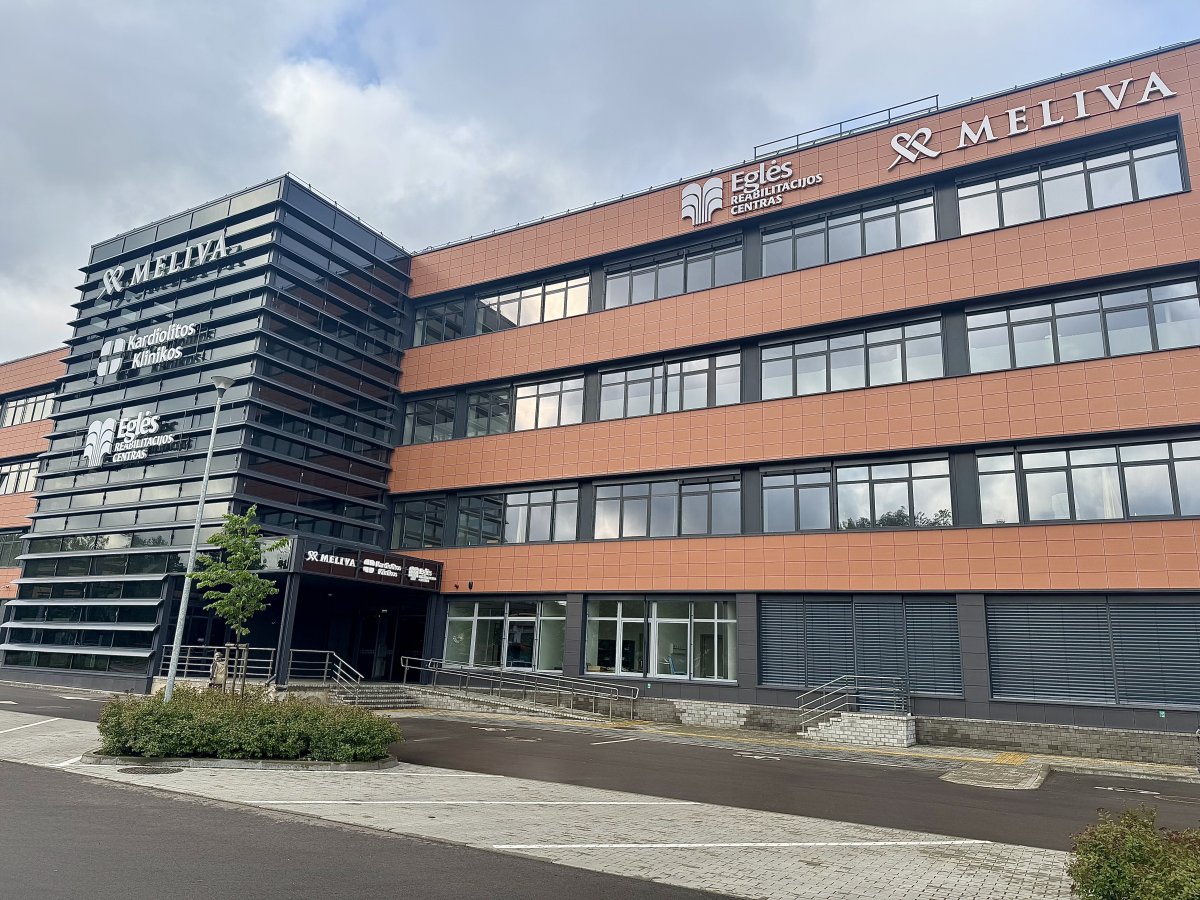
Perspectiva de expertos de Bookimed: El volumen de pacientes en instalaciones acreditadas por la JCI como el Hospital Meliva Kardiolita, que trata a casi 300,000 pacientes anualmente, indica un sistema altamente eficiente para la atención de adultos. Su capacidad para gestionar grandes flujos de pacientes internacion
¿Cómo deciden los médicos lituanos entre el clipaje quirúrgico y el embolizado endovascular (coiling)?
Las juntas de neurocirugía lituanas seleccionan los tratamientos basándose en las directrices de la European Stroke Organisation. Los médicos priorizan el clipaje microquirúrgico para aneurismas complejos de cuello ancho en la circulación anterior. El embolizado (coiling) es la preferencia para casos profundos en la circulación posterior. Las decisiones equilibran la complejidad anatómica frente a la edad del paciente y el estado de ruptura.
- Ubicación anatómica: Los cirujanos favorecen el clipaje para aneurismas de la arteria cerebral media debido a su accesibilidad.
- Relación cúpula-cuello: Los aneurismas de cuello ancho a menudo requieren clipaje para evitar el prolapso de los coils hacia las arterias.
- Estado de ruptura: El coiling se prioriza frecuentemente para aneurismas rotos para acelerar la recuperación funcional.
- Edad del paciente: Los pacientes más jóvenes a menudo reciben clipaje por su durabilidad estructural definitiva de por vida.
Perspectiva del experto de Bookimed: Mientras que los hospitales universitarios públicos manejan los mayores volúmenes de emergencia, centros privados como el Hospital Meliva Kardiolita en Vilna ofrecen equipos multidisciplinarios especializados. Estos centros integran a más de 500 especialistas en 33 departamentos. Esta alta densidad de experiencia permite transiciones rápidas de la angiografía d
¿Qué hospitales en Lituania se especializan en el tratamiento de aneurismas de arterias cerebrales?
Lituania ofrece un tratamiento avanzado para aneurismas de arterias cerebrales en centros terciarios importantes y hospitales privados acreditados por la JCI. Instalaciones como Kauno Klinikos y Santaros Klinikos se especializan en el clipaje microquirúrgico y el embolizado endovascular (coiling). Estos centros albergan departamentos de neurocirugía dedicados con cobertura neurovascular 24/7 para casos no rotos y de emergencia.
- Centros terciarios: Kauno Klinikos es el centro nacional más grande de radiología neurointervencionista.
- Unidades especializadas: Santaros Klinikos ofrece resonancia magnética de alto campo y equipo endovascular avanzado.
- Acreditación privada: El Hospital Meliva Kardiolita cuenta con la acreditación JCI para consultas neuroquirúrgicas complejas.
- Enfoque diagnóstico: El Medical Diagnostic and Treatment Center posee certificaciones TEMOS y JCI.
Perspectiva del experto de Bookimed: El volumen de pacientes es un indicador fiable de la experiencia en Lituania. El Hospital Meliva Kardiolita atiende a 298,000 personas anualmente y mantiene un personal masivo de 510 médicos. Este alto volumen en 33 departamentos sugiere una infraestructura robusta para la coordinación neurovascular compleja que las clínicas generales no pueden igualar. Para el cuidado de aneurismas, elija instalaciones con al menos 50 camas especializada
¿Cuál es el nivel de experiencia neuroquirúrgica en Lituania?
Lituania ofrece una alta experiencia neuroquirúrgica a través de una densa red de especialistas y centros académicos. El país mantiene aproximadamente 1 neurocirujano por cada 50.000 personas. Esta proporción supera el promedio de la Unión Europea. Las principales instalaciones ofrecen estándares de atención de Europa occidental utilizando neuronavegación y microscopía de alta precisión.
- Densidad de especialistas: Lituania mantiene una mayor proporción de neurocirujanos por paciente que muchas naciones de la UE.
- Centralización académica: Los tratamientos complejos de aneurismas se concentran en Vilna, Kaunas y Klaipėda.
- Estándares de acreditación: Centros privados como el Hospital Meliva Kardiolita cuentan con la acreditación de la Joint Commission International.
- Imágenes avanzadas: Los centros terciarios utilizan angiografía, CTA y MRA las 24 horas del día, los 7 días de la semana para la atención de emergencia.
Perspectiva del experto de Bookimed: Un gran volumen de pacientes sugiere una profunda experiencia clínica en Lituania. El Hospital Meliva Kardiolita trata a 298.000 pacientes al año a pesar de tener solo 54 camas. Esto sugiere un sistema ambulatorio y de diagnóstico altamente eficiente. Para la neurocirugía compleja, céntrese en estos centros de gran volumen para garantizar que el equipo quirúrgico mantenga la máxima competenc
¿Están estos procedimientos cubiertos por el seguro médico?
Los tratamientos médicamente necesarios para los aneurismas de las arterias cerebrales en Lituania generalmente están cubiertos por el seguro cuando se consideran vitales o urgentes. Las instalaciones privadas como el Hospital Meliva Kardiolita a menudo requieren un seguro médico privado o pago directo. La cobertura pública generalmente se aplica a los hospitales universitarios para casos sintomáticos.
- Necesidad médica: La cobertura generalmente requiere documentación de que el procedimiento trata una enfermedad diagnosticada de alto riesgo.
- Urgencia del tratamiento: Los tratamientos de emergencia para aneurismas rotos tienen más probabilidades de recibir una aprobación de cobertura inmediata.
- Tipo de instalación: El seguro público a menudo solo se aplica a centros médicos públicos o universitarios contratados.
- Costos de los dispositivos: Los implantes como los coils o los desviadores de flujo pueden requerir una aprobación previa por separado para el reembolso.
Perspectiva del experto de Bookimed: Aunque centros privados como el Medical Diagnostic and Treatment Center atienden a más de 48,000 pacientes al año, operan principalmente fuera del sistema nacional de seguro público. Los pacientes que buscan neurocirugía privada en Vilna deben priorizar las clínicas con acreditación de la Joint Commission International para garantizar que su
¿Cuánto dura la estancia hospitalaria y el tiempo total de recuperación?
Las estancias hospitalarias para el tratamiento de aneurismas cerebrales en Lituania suelen oscilar entre 1 y 3 días para el embolizado endovascular (coiling). El clipaje quirúrgico abierto requiere una estancia más larga de 3 a 7 días. La mayoría de los pacientes retoman actividades ligeras entre 1 y 3 semanas después de procedimientos mínimamente invasivos.
- Estancia por coiling: La hospitalización suele durar de 1 a 2 noches para procedimientos endovasculares sin complicaciones.
- Estancia por clipaje: La cirugía abierta requiere de 3 a 7 días para monitoreo y cuidado de heridas.
- Recuperación cognitiva: Los pacientes a menudo experimentan fatiga y confusión mental durante varias semanas después del alta.
- Restricciones físicas: Conducir y levantar objetos pesados suelen estar restringidos durante las primeras 2 semanas.
Perspectiva de expertos de Bookimed: Aunque Lituania ofrece instalaciones de alta capacidad como el Hospital Meliva Kardiolita, que trata a 298,000 pacientes al año, su sector privado es compacto. Los datos muestran que estas clínicas mantienen altas proporciones de pacientes por médico con más de 500 especialistas disponibles. Esta profundidad de experiencia permite un monitoreo neuroquirúrgico especializado que puede faltar en centros regionales más pequeños.
Consenso de los pacientes: Los pacien
¿Las clínicas lituanas atienden a pacientes internacionales de habla inglesa?
Las clínicas privadas lituanas atienden activamente a pacientes de habla inglesa con departamentos internacionales especializados. Las instalaciones en Vilna y Kaunas emplean médicos formados en Occidente que realizan consultas en inglés fluido. Estos centros proporcionan coordinadores dedicados para gestionar la logística, los seguros y la documentación médica de los pacientes extranjeros.
- Coordinación experta: Gestores de casos dedicados ayudan con el viaje, el alojamiento y el papeleo médico.
- Estándares clínicos: Hospitales importantes como Kardiolita cuentan con la acreditación de la Joint Commission International (JCI).
- Alto volumen: El Centro de Diagnóstico y Tratamiento Médico atiende a 6.000 pacientes internacionales al año.
- Apoyo específico: El personal a menudo se centra en pacientes del Reino Unido, Irlanda y Escandinavia.
Opinión de expertos de Bookimed: Los datos sobre el volumen de pacientes aclaran por qué el apoyo en inglés es tan sólido en Lituania. El Hospital Meliva Kardiolita atiende a 298.000 personas al año en 33 departamentos. Esta operación masiva requiere protocolos en inglés estandarizados para gestionar la afluencia de pacientes de EE. UU., Canadá y Australia. Obtiene la misma fiabilidad lingüística que en centros más grandes, pero con una atención más personalizada por parte de los coordinadores.