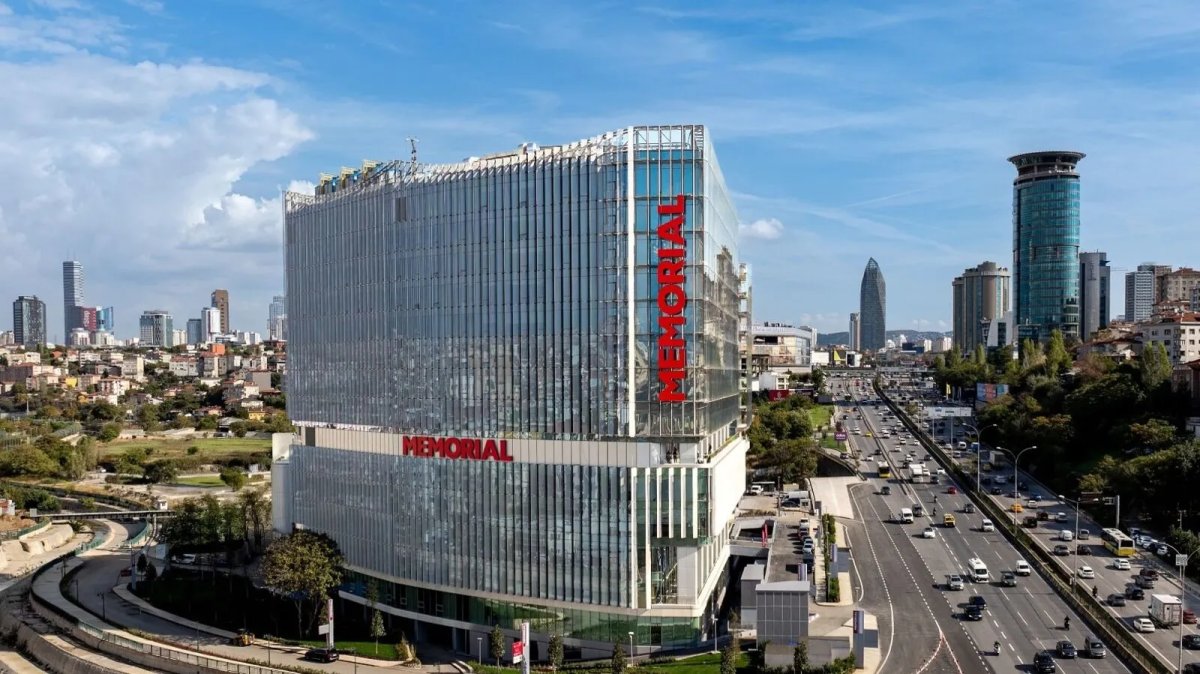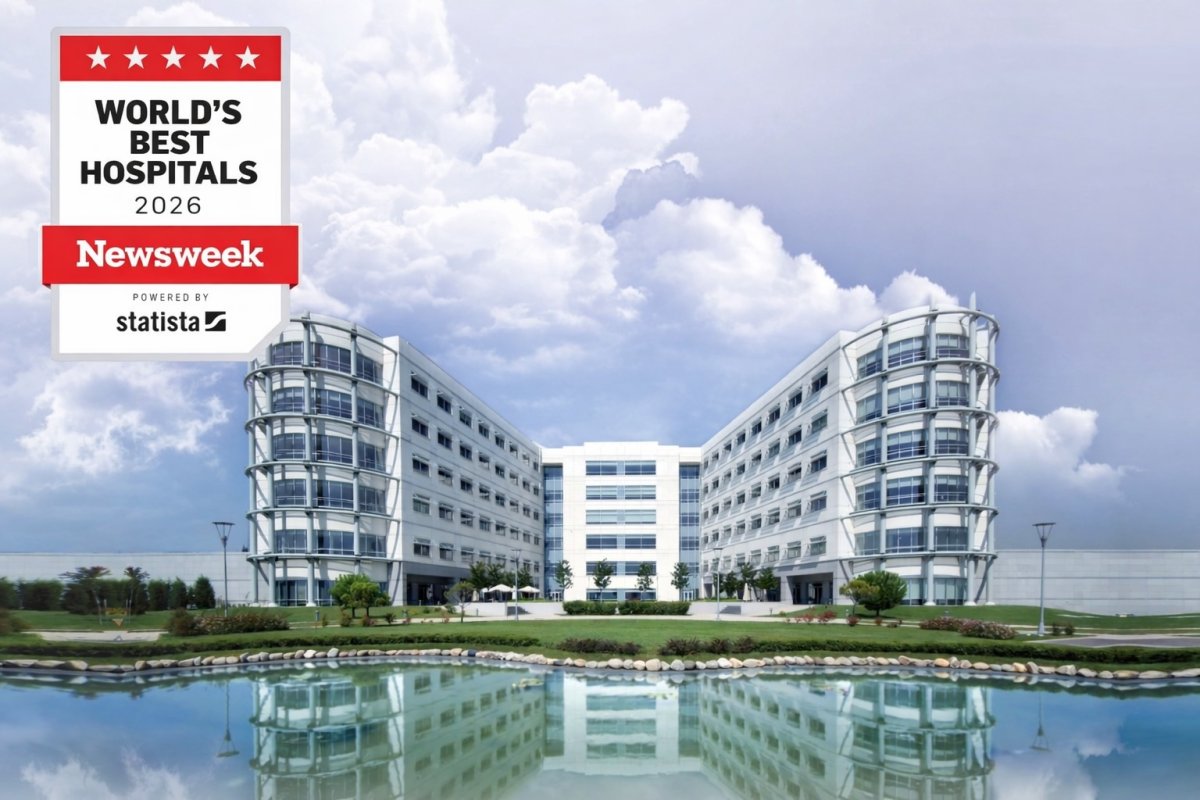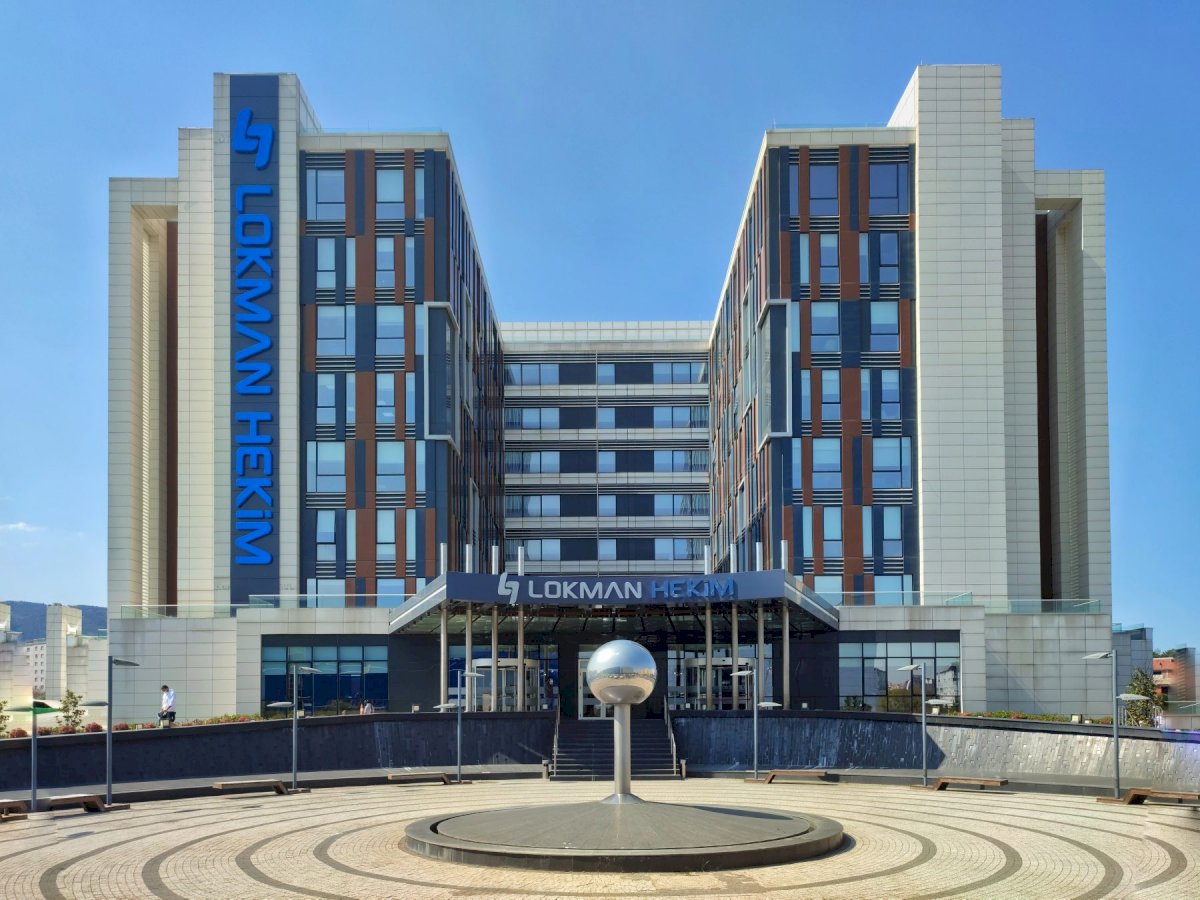
Hospital Lokman Hekim de Estambul (Lokman Hekim Istanbul Hospital)
Turquía, Estambul
Clínica certificada por : 



Revisado médicamente por
Fahad Mawlood
El costo total del tratamiento del aneurisma de la arteria cerebral en Turquía varía según su plan de tratamiento específico. La angiografía cerebral selectiva tiene un precio de 2.450 €, mientras que el tratamiento endovascular de un aneurisma cerebral cuesta aproximadamente 18.830 €. Además, la colocación de una derivación con resonancia magnética y cuidados postoperatorios cuesta alrededor de 8.470 €. El programa de tratamiento se determina después de una evaluación individual por parte del médico para cada paciente.
| España | Turquía | México | |
|---|---|---|---|
| Cirugía de tumor cerebral | de $23,000 | de $15,500 | ≈ $14,000 |

El doctor es un radiólogo y radiólogo intervencionista altamente experimentado afiliado al Centro Médico Anadolu desde 2005. Con una beca en neurorradiología intervencionista del Hospital Universitario de Zúrich y una beca a corto plazo de la Escuela de Medicina de Harvard, el doctor tiene una amplia experiencia en neurorradiología y técnicas avanzadas de imagen.<\/p>
Certificado por la Sociedad Europea de Neurorradiología y la Sociedad Europea de Radiología Cardiovascular e Inter
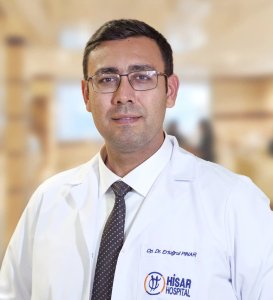
Más de 900 procedimientos realizados – El Dr. Ertugrul Pinar se especializa en neurocirugía en el Hospital Hisar Intercontinental.

El Prof. Dr. Hasan Ozgur Ozdemir se especializa en cirugías vasculares cerebrales, incluidos los tratamientos de aneurismas, en el complejo hospitalario Medical Park Antalya.

El Prof. Dr. Arslan se especializa en la reparación de aneurismas de arterias cerebrales y aporta décadas de experiencia neuroquirúrgica de los principales hospitales turcos.
 Olena Sikoza
El tratamiento del aneurisma cerebral en Turquía mantiene una tasa de éxito del 95% para casos no rotos y del 85% para casos rotos. Los centros especializados de Estambul utilizan clipaje microquirúrgico y embolización endovascular. Estos métodos logran una durabilidad a largo plazo del 99%. El cribado proactivo y las instalaciones acreditadas por la JCI garantizan estándares de seguridad internacionales y altas tasas de oclusión.
Opinión experta de Bookimed: Las tasas de éxito para casos complejos son más altas en centros con afiliaciones internacionales. El Anadolu Medical Center está afiliado al Johns Hopkins Hospital y es uno de los 10 mejores hospitales globales. Sus paquetes neurovasculares incluyen 13 días de hospitalización para microcirugía. Esta estancia prolongada permite un monitoreo neurofisiológico las 24 horas del día, lo
Los centros de neurocirugía turcos reparan los aneurismas cerebrales utilizando técnicas avanzadas de embolización endovascular (coiling) y clips microquirúrgicos. Las instalaciones acreditadas por la JCI en Estambul a menudo priorizan el coiling mínimamente invasivo para una recuperación más rápida. Los equipos especializados también utilizan desviadores de flujo y técnicas asistidas por stent para casos complejos a fin de garantizar la reconstrucción vascular.
Perspectiva de experto de Bookimed: Los hospitales turcos como Medipol y Anadolu ofrecen paquetes especializados que aclaran el cronograma desde el diagnóstico hasta la cirugía. Si bien los paquetes de coiling a menudo incluyen solo 1 noche de hospital, los paquetes de clips microquirúrgicos como los del Centro Médico Anadolu brindan 13 días de hospitalizaci
Ningún procedimiento es universalmente superior, ya que la elección depende de la anatomía del aneurisma. El coiling endovascular ofrece una recuperación más rápida y es mínimamente invasivo. El clipping microquirúrgico proporciona una mayor durabilidad a largo plazo para aneurismas complejos de cuello ancho. Los centros de neurocirugía turcos utilizan escáneres TC 3D y navegación para ambos enfoques.
Perspectiva del experto de Bookimed: Los centros de neurocirugía turcos como el Anadolu Medical Center o Medipol a menudo favorecen a diferentes especialistas según el enfoque. El Dr. Ahmet Hilmi Kaya se centra en el clipping microquirúrgico complejo mediante neuronavegación. Mientras tanto, los neurorradiólogos intervencionistas como el Dr. Murat Dokdok se especializan en técnicas endovasculares. Debe elegir una clínica que ofrezca ambos para garantizar u
Los riesgos del tratamiento de un aneurisma dependen de si el vaso se ha roto o no. Los procedimientos estándar como el clipaje microquirúrgico o la embolización endovascular (coiling) son seguros. Estos tratamientos conllevan riesgos específicos de accidente cerebrovascular, coágulos sanguíneos o hemorragia. Los neurocirujanos expertos en instalaciones turcas acreditadas por la JCI mantienen una tasa de supervivencia del 95% al 98%.
Perspectiva de expertos de Bookimed: El Anadolu Medical Center ofrece clipaje microquirúrgico con monitorización neurofisiológica por 35 500 $. Esta tecnología rastrea la función cerebral en tiempo real. Reduce significativamente el riesgo de daño nervioso durante procedimientos cerebrales profundos. Muchos paquetes de gama media en Estambul se centran solo en imágenes estándar.
Consenso de los pacientes
La recuperación tras el tratamiento de un aneurisma en Turquía suele durar de 1 a 6 semanas. La embolización endovascular (coiling) a menudo permite a los pacientes regresar a sus actividades diarias en un plazo de 7 días. El clipaje quirúrgico es más invasivo y generalmente requiere de 3 a 6 semanas para una recuperación completa en casa.
Perspectiva de expertos de Bookimed: El Anadolu Medical Center ofrece un paquete de 13 días para el clipaje microquirúrgico. Esta estancia prolongada garantiza la supervisión directa de expertos como el Dr. Ahmet Hilmi Kaya. Los paquetes más cortos a menudo se adaptan a pacientes de coiling que solo necesitan 1 noche de hospitalización. Elija el clipaje si prefiere la monitorización a largo plazo sobre el alta rápida.
Consenso de los pacientes: Los pacientes señalan que la recuperación física suele ser más rápida que la mental. Destacan que controlar la fati
Dejar un aneurisma cerebral sin tratamiento puede provocar una rotura potencialmente mortal. Esto causa una hemorragia subaracnoidea o un accidente cerebrovascular hemorrágico. Aunque algunos aneurismas pequeños solo requieren imágenes en serie, una rotura conlleva una tasa de mortalidad del 50% y daño neurológico permanente para muchos sobrevivientes.
Perspectiva de expertos de Bookimed: Los centros de neurocirugía turcos como el Hospital Istanbul Florence Nightingale utilizan navegación avanzada y monitorización neurofisiológica durante el tratamiento. Profesores como el Dr. Ilhan Elmaci y el Dr. Salih Murat Imer combinan a menudo décadas de experiencia con estas tecnologías para mejorar la seguridad. Elegir un cirujano experimentado que haya realizado cientos de procedimientos neurovasculares aumenta signi