Aneurisma de la arteria cerebral Tratamiento en India — Costos 2026


Revisado médicamente por
Fahad Mawlood
¿Cuál es el precio del diagnóstico y los tratamientos de Aneurisma de la arteria cerebral en India? Descubra ahora
| India | España | Turquía | |
|---|---|---|---|
| Cirugía de tumor cerebral | de $7,500 | de $23,000 | de $15,500 |
Sus beneficios y garantías con Bookimed
Precios directos
Bookimed no añade cargos extra a los precios de los tratamientos de Aneurisma de la arteria cerebral. Las tarifas proceden de las listas de precios oficiales de las clínicas. Pagará directamente en la clínica por su tratamiento a su llegada al país.
Sólo clínicas y médicos verificados
Bookimed está comprometido con su seguridad. Solo trabajamos con las clínicas que mantienen altos estándares internacionales en el tratamiento de Aneurisma de la arteria cerebral y cuentan con las licencias necesarias para atender a pacientes internacionales en todo el mundo.
Asistencia 24/7 gratuita
Bookimed ofrece asistencia experta gratuita. Un coordinador médico personal le apoya antes, durante y después de su tratamiento, resolviendo cualquier problema. Nunca estará solo en su viaje médico de tratamiento de Aneurisma de la arteria cerebral.

Su coordinador médico personal de Bookimed
- Le apoya en cada etapa
- Ayuda a elegir la clínica y el médico adecuados
- Asegura un acceso rápido y conveniente a la información
Descubra las mejores clínicas de tratamiento de Aneurisma de la arteria cerebral en India: 10 opciones verificadas y Precios











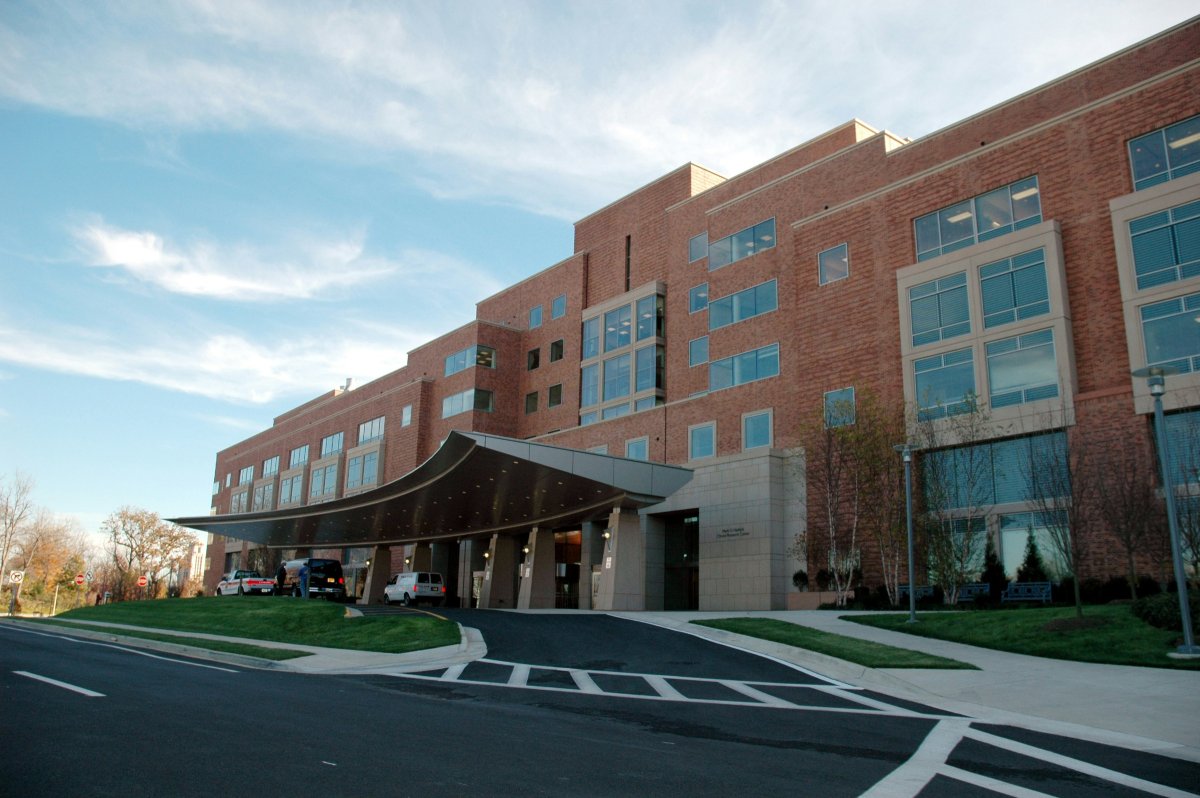
Dr. Rela Institute & Medical Centre
Compartir contenido
Historias en video de pacientes de Bookimed
 Olena Sikoza
Preguntas frecuentes sobre el tratamiento de Aneurisma de la arteria cerebral en India
¿Cuál es la diferencia entre el clipaje quirúrgico y el embolizado (coiling) endovascular?
El clipaje quirúrgico es una cirugía abierta invasiva que utiliza una craneotomía para sellar los aneurismas desde el exterior. El embolizado endovascular es un procedimiento mínimamente invasivo basado en catéter que se realiza desde el interior de los vasos sanguíneos. El clipaje ofrece una mayor durabilidad a largo plazo, mientras que el embolizado proporciona una recuperación más rápida y menos complicaciones a corto plazo.
- Enfoque quirúrgico: El clipaje requiere una incisión en el cráneo. El embolizado utiliza un catéter a través de la ingle.
- Mecanismo: El clipaje pinza el cuello del aneurisma. El embolizado rellena la cavidad con espirales de platino.
- Tiempo de recuperación: El clipaje requiere de 4 a 6 semanas. La recuperación del embolizado suele tomar de 1 a 2 semanas.
- Seguimiento a largo plazo: El embolizado necesita escaneos de seguimiento regulares. El clipaje rara vez requiere imágenes repetidas.
Perspectiva del experto de Bookimed: Los principales centros de neurocirugía de la India, como Fortis Gurgaon y el Hospital Aster CMI, utilizan impresión 3D avanzada para la planificación quirúrgica. Esta tecnología permite a los cirujanos practicar en réplicas exactas de la anatomía vascular del paciente antes del procedimiento real. Este nivel de preparación es particularmente vital para el clipaje de aneurismas complejos de cuel
¿Qué es un dispositivo de derivación de flujo (Flow Diverter) y cuándo se utiliza en la India?
Un dispositivo de derivación de flujo es un stent endovascular especializado que se utiliza para aneurismas cerebrales complejos. Este tubo de malla de alta densidad redirige el flujo sanguíneo lejos del saco del aneurisma. Promueve la coagulación gradual y la curación de la pared del vaso. Los centros neurovasculares de la India los utilizan cuando el coiling estándar o el clipaje quirúrgico conllevan un alto riesgo.
- Aneurismas grandes: Indicado específicamente para bolsas no rotas que superan los 10 mm de diámetro.
- Morfología de cuello ancho: Se utiliza cuando el cuello es más ancho de 4 mm.
- Formas complejas: Ideal para aneurismas fusiformes, en forma de ampolla o disecantes sin cuellos definidos.
- Casos recurrentes: Efectivo para aneurismas que se reformaron después de un clipaje o coiling previo.
Perspectiva de expertos de Bookimed: Las señales de calidad para la neurocirugía en la India a menudo están vinculadas a la infraestructura y la acreditación de la clínica en lugar de solo al volumen de cirujanos. Por ejemplo, Fortis Gurgaon ocupa el segundo lugar como el hospital técnicamente más avanzado a nivel mundial. Al elegir un centro para la derivación de flujo, priorice aquellos con certificaciones de la Joint Commission International (JCI) o del National Accreditation Board for Hospitals (NABH). Estas clínicas, como Artemis o Meda
¿Requieren todos los aneurismas cerebrales no rotos una cirugía inmediata?
Los aneurismas cerebrales no rotos no siempre requieren cirugía inmediata. Muchos se manejan mediante monitoreo activo o procedimientos electivos. Los especialistas sopesan el riesgo de ruptura frente a los riesgos quirúrgicos utilizando el tamaño y la ubicación. Los aneurismas pequeños de menos de 7 milímetros a menudo solo requieren imágenes periódicas para garantizar la estabilidad.
- Evaluación de riesgos: Los cirujanos evalúan el tamaño, la forma y la ubicación posterior para determinar la probabilidad de ruptura.
- Observación: Las protuberancias pequeñas y estables se rastrean mediante angiografía por resonancia magnética (ARM) o tomografía computarizada (TC).
- Prioridad de los síntomas: Se prioriza la intervención urgente si un aneurisma causa visión doble o dolor.
- Opciones quirúrgicas: Los tratamientos preventivos incluyen el clipaje microquirúrgico o el coiling endovascular mínimamente invasivo.
Perspectiva del experto de Bookimed: Los indicadores de calidad para la neurocirugía en la India a menudo se revelan por el volumen de pacientes y la acreditación. El Global Hospital Chennai realiza más de 18.000 operaciones al año y figura en los rankings de Newsweek. Mientras tanto, el Artemis Hospital brinda atención acreditada por la JCI específicamente para pacientes internacionales. Elegir centros de alto volumen con más de 500 camas
¿Cuál es la tasa de éxito del tratamiento de aneurismas cerebrales en la India?
El tratamiento de aneurismas cerebrales en la India logra una tasa de supervivencia del 95% en centros neurovasculares especializados. Los procedimientos electivos para aneurismas no rotos muestran un éxito del 90% al 95%. Los resultados dependen de una intervención inmediata dentro de las 24 a 72 horas. Las mejores instalaciones mantienen acreditaciones de la Joint Commission International (JCI) y NABH.
- Casos no rotos: Las tasas de supervivencia alcanzan el 95% con pocas complicaciones procedimentales.
- Emergencias por rotura: Las tasas de éxito oscilan entre el 70% y el 80% debido a lesiones cerebrales.
- Clipaje quirúrgico: Los datos a largo plazo muestran un cierre exitoso en el 96,6% de los casos en la India.
- Embolización endovascular: Las técnicas mínimamente invasivas producen resultados funcionales favorables en el 95,9% de los pacientes.
Perspectiva del experto de Bookimed: Los centros de alto volumen como el Global Hospital Chennai, que realiza 18.000 operaciones al año, a menudo brindan mejores resultados para casos neurovasculares complejos. Nuestros datos muestran que las principales instalaciones indias como Fortis Gurgaon y Artemis Hospitals invierten mucho en cuidados neurointensivos. Esta infraestructura es vital porque incluso un procedimiento perfectamente realizado requiere un monitoreo postoperatorio especializado para
¿Cuánto tiempo permaneceré en un hospital indio después del procedimiento?
La recuperación tras el tratamiento de un aneurisma de arteria cerebral en la India suele requerir de 2 a 7 días en el hospital. La duración exacta depende del enfoque quirúrgico utilizado. El coiling mínimamente invasivo a menudo permite el alta al día siguiente. Las cirugías abiertas mayores, como el clipping, requieren una observación prolongada por seguridad.
- Técnica del procedimiento: El coiling endovascular suele requerir de 1 a 2 días de hospitalización.
- Clipping quirúrgico: La cirugía abierta suele requerir de 5 a 7 días para una recuperación estable.
- Observación en UCI: La mayoría de los pacientes pasan al menos una noche en la UCI para su monitorización.
- Hitos clínicos: El alta requiere movilidad independiente y escáneres neurológicos estables antes de volar a casa.
Perspectiva de expertos de Bookimed: Los datos de centros líderes como Fortis Gurgaon y Medanta Hospital muestran que la duración de la estancia está dictada más por el tipo de tratamiento que por el tamaño del hospital. Aunque estas instalaciones gestionan hasta 20.000 pacientes al año, los casos de coiling electivo mantienen una ventana predecible de 48 horas. Los pacientes internacionales deben planificar una estancia local de 7 a 14 días después del alta para confirmar la cicatrización de la herida antes de viajar.
Consenso de los pacientes:
¿Qué cronograma debo esperar para una recuperación clínica completa?
La recuperación clínica tras el tratamiento de un aneurisma de la arteria cerebral en la India suele durar de 2 a 6 semanas en procedimientos mínimamente invasivos. Las cirugías abiertas complejas requieren de 3 a 6 meses para una restauración funcional completa. Los plazos dependen en gran medida de si el aneurisma estaba roto o no antes de la intervención.
- Estabilización aguda: La estancia hospitalaria dura de 2 a 7 días para casos no rotos en centros acreditados por la JCI.
- Monitoreo neurológico: Los aneurismas rotos requieren de 2 a 3 semanas en cuidados intensivos para el monitoreo de vasoespasmos.
- Restauración física: Las actividades diarias ligeras suelen reanudarse entre 10 y 14 días después del coiling endovascular.
- Remodelación completa: La recuperación cognitiva y física intensiva puede continuar durante 6 meses en casos complejos.
Perspectiva del experto de Bookimed: Los datos de los principales centros indios, como Artemis Hospitals y Medanta, muestran una clara ventaja en la recuperación para los pacientes que eligen la neurocirugía asistida por robot. Aunque muchos suponen que todas las cirugías son iguales, los centros que utilizan imágenes digitales y herramientas de precisión de 1 mm a menudo dan el alta a los pacientes 2 días antes. Seleccionar una clínica con acreditaciones JCI y NABH garantiza los más altos estándar
¿Puede un aneurisma cerebral volver a crecer después de haber sido tratado?
Los aneurismas cerebrales pueden volver a crecer después del tratamiento debido a recurrencia o recanalización. El riesgo de recurrencia depende en gran medida del método de intervención. El clipaje proporciona una solución duradera con menos del 2% de recurrencia. El coiling endovascular presenta tasas más altas, que oscilan entre el 15% y el 34% debido a la compactación de los coils con el tiempo.
- Método de tratamiento: El clipaje quirúrgico ofrece un cierre permanente en comparación con el coiling endovascular mínimamente invasivo.
- Compactación de los coils: La presión arterial rítmica puede comprimir los coils blandos, permitiendo que la sangre vuelva a entrar.
- Oclusión inicial: Dejar un micro-remanente en el cuello del aneurisma puede provocar un crecimiento futuro.
- Tamaño del aneurisma: Los aneurismas gigantes o de cuello ancho tienen estadísticamente más probabilidades de requerir una reintervención.
Perspectiva de expertos de Bookimed: Los centros de neurocirugía de la India, como el Medanta Hospital y el Global Hospital Chennai, gestionan volúmenes masivos de pacientes, que a menudo superan los 20.000 a 80.000 anuales. Esta alta frecuencia crea un importante conjunto de datos para el seguimiento a largo plazo. Para casos complejos, elegir centros con acreditaciones JCI y NABH garantiza el uso de stents de derivación de flujo av