Quiste de la columna vertebral en Alemania: las 7 mejores clínicas para su tratamiento


Revisado médicamente por
Fahad Mawlood
¿Cuál es el precio del diagnóstico y los tratamientos de Quiste de la columna vertebral en Alemania? Descubra ahora
Sus beneficios y garantías con Bookimed
Precios directos
Bookimed no añade cargos extra a los precios de los tratamientos de Quiste de la columna vertebral. Las tarifas proceden de las listas de precios oficiales de las clínicas. Pagará directamente en la clínica por su tratamiento a su llegada al país.
Sólo clínicas y médicos verificados
Bookimed está comprometido con su seguridad. Solo trabajamos con las clínicas que mantienen altos estándares internacionales en el tratamiento de Quiste de la columna vertebral y cuentan con las licencias necesarias para atender a pacientes internacionales en todo el mundo.
Asistencia 24/7 gratuita
Bookimed ofrece asistencia experta gratuita. Un coordinador médico personal le apoya antes, durante y después de su tratamiento, resolviendo cualquier problema. Nunca estará solo en su viaje médico de tratamiento de Quiste de la columna vertebral.

Su coordinador médico personal de Bookimed
- Le apoya en cada etapa
- Ayuda a elegir la clínica y el médico adecuados
- Asegura un acceso rápido y conveniente a la información
Descubra las mejores clínicas de tratamiento de Quiste de la columna vertebral en Alemania: 7 opciones verificadas y Precios










Obtenga una evaluación médica para Quiste de la columna vertebral en Alemania: consulte con doctores experimentados ahora
Ver todos los médicos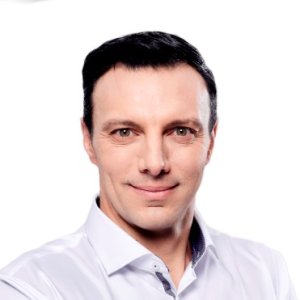
Elias Lemonas
Compartir contenido
Historias en video de pacientes de Bookimed
 Olena Sikoza
Preguntas frecuentes sobre el tratamiento de Quiste de la columna vertebral en Alemania
¿Qué tipos de quistes espinales se tratan en las clínicas de neurocirugía alemanas?
Las clínicas de neurocirugía alemanas tratan diversos quistes espinales, incluidos los tipos sinoviales y ganglionares comunes, los raros quistes aracnoideos y los complejos quistes de Tarlov. Los especialistas en instituciones como el Complejo Clínico de Renania del Norte-Westfalia utilizan la resección microquirúrgica y la fenestración endoscópica. Estos procedimientos priorizan la preservación de la movilidad espinal mientras alivian la compresión nerviosa.
- Quistes sinoviales: Estos quistes lumbares comunes se desarrollan a partir del desgaste de las articulaciones facetarias y causan estenosis.
- Quistes de Tarlov: Los neurocirujanos alemanes tratan estos sacos llenos de líquido que se forman en las raíces nerviosas sacras.
- Quistes aracnoideos: Los cirujanos realizan fenestración para estas bolsas que crecen entre las membranas de la médula espinal.
- Quistes congénitos: Los centros académicos manejan la siringomielia compleja y los raros quistes neurentéricos mediante derivaciones especializadas.
Opinión de expertos de Bookimed: Las clínicas alemanas como Charité o Nordwest demuestran una clara tendencia hacia la especialización de alto volumen. Solo Charité atiende a más de 800,000 pacientes al año en 100 departamentos. Esta escala masiva permite a los neurocirujanos ver casos raros como los quistes neurentéricos con frecuencia. Su ex
¿Necesito automáticamente cirugía para un quiste espinal en Alemania?
La cirugía no es automática para un quiste espinal en Alemania. Los especialistas alemanes priorizan las vías conservadoras a menos que existan síntomas neurológicos graves. El tratamiento suele comenzar con seguimiento, fisioterapia especializada o inyecciones de esteroides. La intervención quirúrgica se reserva para casos de debilidad progresiva, pérdida de sensibilidad o casos en los que el tratamiento no quirúrgico no ha tenido éxito.
- Seguimiento asintomático: Los médicos recomiendan la observación si los quistes incidentales no causan dolor ni molestias.
- Terapia de infiltración: Las inyecciones dirigidas reducen la inflamación nerviosa localizada para reducir el quiste espinal.
- Indicaciones quirúrgicas: La cirugía se recomienda en casos de debilidad muscular, pie caído o disfunción intestinal.
- Preservación de tejidos: Los cirujanos prefieren la descompresión microquirúrgica sobre la fusión para mantener la estabilidad natural de la columna.
Perspectiva de expertos de Bookimed: Las clínicas alemanas como el Complejo Clínico de Renania del Norte-Westfalia manejan volúmenes masivos de pacientes, superando a menudo los 145.000 anuales. Este alto rendimiento permite a especialistas como el Dr. Elias Lemonas ver variantes raras de quistes con frecuencia. Los datos sugieren que los pacientes a menudo encuentran que los hospitales universi
¿Qué técnicas quirúrgicas utilizan los especialistas en columna vertebral alemanes?
Los especialistas en columna vertebral alemanes utilizan tecnologías de preservación del movimiento y técnicas ultra mínimamente invasivas para tratar afecciones de la columna. Los enfoques clave incluyen el reemplazo de disco artificial y la cirugía de columna totalmente endoscópica. Estos métodos priorizan la movilidad natural y la descompresión nerviosa mientras minimizan el trauma en los tejidos musculares circundantes.
- Preservación del movimiento: El reemplazo de disco artificial imita el movimiento natural de la columna y la absorción de impactos.
- Cirugía endoscópica: Los cirujanos utilizan incisiones diminutas para eliminar quistes o hernias discales.
- Discectomía microquirúrgica: Las cámaras microscópicas de alta definición permiten una descompresión nerviosa precisa.
- Estabilización dinámica: Las varillas flexibles estabilizan una columna inestable sin fusión rígida.
Perspectiva de expertos de Bookimed: Las clínicas alemanas como el complejo clínico de Renania del Norte-Westfalia y la Charité de Berlín funcionan como centros de investigación de alto volumen, atendiendo hasta 845,000 pacientes al año. Este enorme volumen de pacientes permite a neurocirujanos como el Dr. Elias Lemonas obtener una amplia experiencia en reconstrucciones espinales complejas. Los datos muestran que estos centros priorizan un enfoque basado primero en e
¿Necesitaré una fusión espinal después de que se extraiga el quiste?
La fusión espinal no es obligatoria tras la extirpación de un quiste. La mayoría de los pacientes se someten a una descompresión simple para eliminar el quiste y aliviar la presión sobre los nervios. La fusión solo es necesaria si las imágenes preoperatorias muestran inestabilidad espinal. Los cirujanos también la utilizan si se requiere una extirpación ósea extensa para acceder al quiste de forma segura.
- Solo descompresión: Las técnicas mínimamente invasivas permiten una recuperación más rápida y estancias hospitalarias más cortas.
- Criterios de estabilización: Se recomienda la fusión si las vértebras muestran un movimiento anormal o deslizamiento.
- Prevención de recurrencias: Estabilizar la articulación reduce el riesgo de recurrencia del quiste sinovial a casi el 0%.
- Preservación ósea: Los cirujanos buscan preservar las articulaciones facetarias para evitar la necesidad de material metálico.
Perspectiva de expertos de Bookimed: Aunque los pacientes a menudo se centran en el quiste en sí, los neurocirujanos alemanes como el Dr. Elias Lemonas priorizan la estabilidad biomecánica de la articulación facetaria. Los datos del complejo clínico de Renania del Norte-Westfalia muestran que el tratamiento de más de 145.000 pacientes al año permite una alta especialización. Los cirujanos expertos aquí a menudo utilizan diagnósticos avanzados para
¿Cuál es el cronograma típico de recuperación después de una cirugía?
La recuperación después de una cirugía de quiste espinal en Alemania suele durar de 3 a 6 meses para una rehabilitación completa. La mayoría de los pacientes logran una movilidad básica en 2 semanas. La estabilidad estructural regresa alrededor de la semana 6 a medida que se forma el tejido cicatricial. La curación nerviosa a largo plazo y el reacondicionamiento muscular continúan hasta por 1 año.
- Estancia hospitalaria: Los pacientes suelen monitorear sus signos vitales durante 24 a 72 horas después de la operación.
- Movilidad inicial: Los cirujanos a menudo fomentan caminar suavemente durante el primer día para prevenir coágulos.
- Cuidado de heridas: Los puntos o grapas suelen ser retirados por un especialista después de 10 a 14 días.
- Límites de actividad: Levantar más de 10 libras (aprox. 4,5 kg) está estrictamente restringido durante las primeras 4 a 6 semanas.
Perspectiva de expertos de Bookimed: Los centros de neurocirugía alemanes como Bremen-Mitte o Nordrhein-Westfalen enfatizan que la recuperación neurológica va por detrás de la curación física. Aunque el dolor a menudo disminuye de inmediato, el entumecimiento o el hormigueo pueden persistir durante meses a medida que los nervios se regeneran. Elegir un centro de alto volumen es vital, ya que instituciones como la Clínica Nordwest atienden a más de 61,000 pacientes al año.
¿Qué hospitales en Alemania tienen las calificaciones más altas en neurocirugía?
Alemania alberga algunos de los departamentos de neurocirugía más prestigiosos del mundo, liderados por la Charité – Universitätsmedizin Berlin y el Hospital Universitario de Heidelberg. Estos centros destacan en el tratamiento de tumores cerebrales complejos y enfermedades cerebrovasculares. Para maximizar la eficacia de sus procedimientos, utilizan tecnologías de vanguardia como la resonancia magnética intraoperatoria y la neuronavegación asistida por computadora.
- Charité Berlín: Realiza más de 5000 cirugías al año. La clínica está dirigida por el reconocido neurocirujano Dr. Peter Vaikoczy.
- Centro Médico Solingen: El Dr. Ralf Buhl ha realizado más de 4.000 cirugías, incluidas cirugías de columna mínimamente invasivas.
- Clínica Asklepios Nord: equipada con el único sistema de resonancia magnética intraoperatoria bilateral de Alemania para garantizar precisión quirúrgica en tiempo real durante la extirpación del tumor.
- Clínica Nordwest: reconocida por la revista Newsweek como un hospital líder por su innovación en tecnología de ultrasonido 3D.
Opinión experta de Bookimed: Los datos muestran que elegir centros con un alto volumen quirúrgico suele llevar a recomendaciones de tratamiento más conservadoras. En el Centro Médico Solingen, que atiende a más de 60.000 pacientes al año, los cirujanos suelen sugerir fisioterapia en lugar de cirugía
¿Cuáles son las tasas de éxito de los procedimientos neuroquirúrgicos complejos en Alemania?
En Alemania, los procedimientos neuroquirúrgicos de alta complejidad demuestran una seguridad excepcional. Las tasas de éxito en las fusiones espinales alcanzan el 99 %. La tasa de supervivencia en las resecciones de tumores cerebrales primarios es del 97 %. La independencia funcional es alta. Más del 82 % de los pacientes reciben el alta inmediatamente después del tratamiento. Los centros alemanes priorizan la preservación de la función neurológica mediante técnicas modernas de mapeo.
- Resección de tumores: los cirujanos logran una resección tumoral completa en el 87,2% de los casos de metástasis cerebrales.
- Éxito en el tratamiento de enfermedades vasculares: los hospitales alemanes informan de una tasa de supervivencia del 98,7% para aneurismas no rotos.
- Mejora del estado neurológico: casi el 43% de los pacientes experimentan una mejora de los parámetros funcionales después de resecciones complejas.
- Seguridad de las intervenciones quirúrgicas: En grandes centros quirúrgicos, las tasas de supervivencia de los pacientes después de la cirugía de columna son del 98-99%.
Opinión experta de Bookimed: Cirujanos experimentados como el Dr. Uwe Köhler, de la Clínica Asklepios Altona, realizan más de 2000 cirugías al año. Los datos muestran que estos especialistas mantienen tasas de éxito de hasta el 90 %, incluso en los tumores cerebrales más comp
¿Qué tecnologías avanzadas suelen estar disponibles en las clínicas neuroquirúrgicas alemanas?
Las clínicas neuroquirúrgicas alemanas incorporan regularmente instrumentos digitales de alta precisión y visualización en tiempo real a la práctica quirúrgica. Entre las tecnologías clave se encuentra la neuronavegación computarizada para cirugías de cerebro y médula espinal. Instituciones como la Clínica Asklepios Nord utilizan la resonancia magnética intraoperatoria para verificar la extirpación de tumores en tiempo real. Estos sistemas proporcionan a los cirujanos navegación GPS 3D.
- Neuronavegación: proporciona visualización 3D y seguimiento de instrumentos en tiempo real para lograr precisión quirúrgica hasta el nivel submilimétrico.
- Imágenes intraoperatorias: sistemas como iMRI y O-arm CT permiten la confirmación inmediata de una resección exitosa.
- Neuromonitorización: Monitorea las funciones motoras y sensoriales durante la cirugía para proteger el sistema nervioso.
- Diagnóstico de fluorescencia: se utiliza el colorante 5-ALA para resaltar los bordes del tumor para una eliminación más completa.
- Asistencia robótica: Sistemas como el Da Vinci mejoran la precisión en procedimientos complejos y mínimamente invasivos.
Opinión experta de Bookimed: Grandes centros como la Charité – Universitätsmedizin de Berlín realizan más de 4000 procedimientos neuroquirúrgicos al año, lo que crea un entorno rico en datos para p
¿Qué formación especializada reciben los neurocirujanos en ejercicio en Alemania?
En Alemania, los neurocirujanos deben completar una residencia especializada de seis años tras graduarse de la facultad de medicina. Este programa estructurado incluye cuidados intensivos, práctica clínica y una revista quirúrgica obligatoria. Posteriormente, los candidatos aprueban un examen estatal para obtener el título de residente (Facharzt für Neurochirurgie).
- Residencia clínica: requiere de 48 a 72 meses de práctica neuroquirúrgica especializada.
- Cuidados intensivos: incluye una pasantía obligatoria de 6 meses en una unidad de cuidados intensivos neuroquirúrgicos.
- Revista quirúrgica: los cirujanos documentan cientos de cirugías, incluidas craneotomías y cirugías de columna.
- Examen de licencia: Los solicitantes deben aprobar un examen médico oral y práctico administrado por el estado.
Opinión experta de Bookimed: La formación neuroquirúrgica alemana se centra en una amplia experiencia quirúrgica. Por ejemplo, el Dr. Ralf Buhl, del Centro Médico Solingen, ha realizado más de 4000 cirugías. El Dr. Jürgen Kiwit, del Hospital Meoklinik, cuenta con más de 25 años de experiencia. Este riguroso sistema garantiza que los especialistas de los principales centros aborden casos complejos con una precisión demostrada.
Comentarios de los pacientes: Los pacientes se sienten seguros al saber que sus médicos han recibido año
¿Qué requisitos de idioma y de licencia se exigen a los cirujanos extranjeros que deseen formarse u observar procedimientos neuroquirúrgicos en Alemania?
Los neurocirujanos extranjeros deben cumplir estrictos requisitos de idioma y licencia para realizar formación o prácticas en Alemania. La formación requiere una licencia médica válida o un permiso temporal. Los internos deben obtener la autorización de un hospital específico. Ambas opciones requieren un alto nivel de alemán para participar en debates clínicos y realizar procedimientos quirúrgicos complejos con seguridad.
- Conocimientos de idiomas: Para la formación clínica se requiere un nivel general de alemán B2 y un nivel de lenguaje médico C1 (Fachsprachprüfung).
- Licencia clínica: Los cirujanos necesitan un permiso para la práctica permanente (Approbation) o un permiso profesional (Berufserlaubnis) para prácticas supervisadas temporales.
- Estado de observación: La hospitalización permite la observación de procedimientos quirúrgicos sin responsabilidad médica ni licencia formal.
- Evaluación de la cualificación: Los graduados médicos no pertenecientes a la UE a menudo tienen que pasar por un proceso de validación del diploma en un plazo de 3 a 6 meses.
Opinión experta de Bookimed: Las clínicas alemanas con un alto volumen de pacientes, como Nordwest Clinic o Asklepios Nord, suelen priorizar a los candidatos que ya han pasado una evaluación preliminar de la documentación. Nuestros datos muestran que profesores como el Dr. Uwe Köhler y el D