Quiste de la columna vertebral en Turquía: las 38 mejores clínicas para su tratamiento


Revisado médicamente por
Fahad Mawlood
Cómo funciona
¿Cuál es el precio del diagnóstico y los tratamientos de Quiste de la columna vertebral en Turquía? Descubra ahora
El costo total del tratamiento de quistes espinales en Turquía depende del plan de tratamiento específico. Una consulta con un neurocirujano cuesta 190 €. La extirpación quirúrgica, que incluye hospitalización y comidas, cuesta alrededor de 14.300 €. Una operación que involucra descompresión e instrumentación posterior con laminectomía lumbar cuesta 6.200 €, cubriendo hospitalización y materiales médicos. El plan de tratamiento general, que abarca consulta, exámenes preoperatorios y postoperatorios, y cirugía, se determina después de una evaluación individual de cada paciente.
Descubra las mejores clínicas de tratamiento de Quiste de la columna vertebral en Turquía: 38 opciones verificadas y Precios







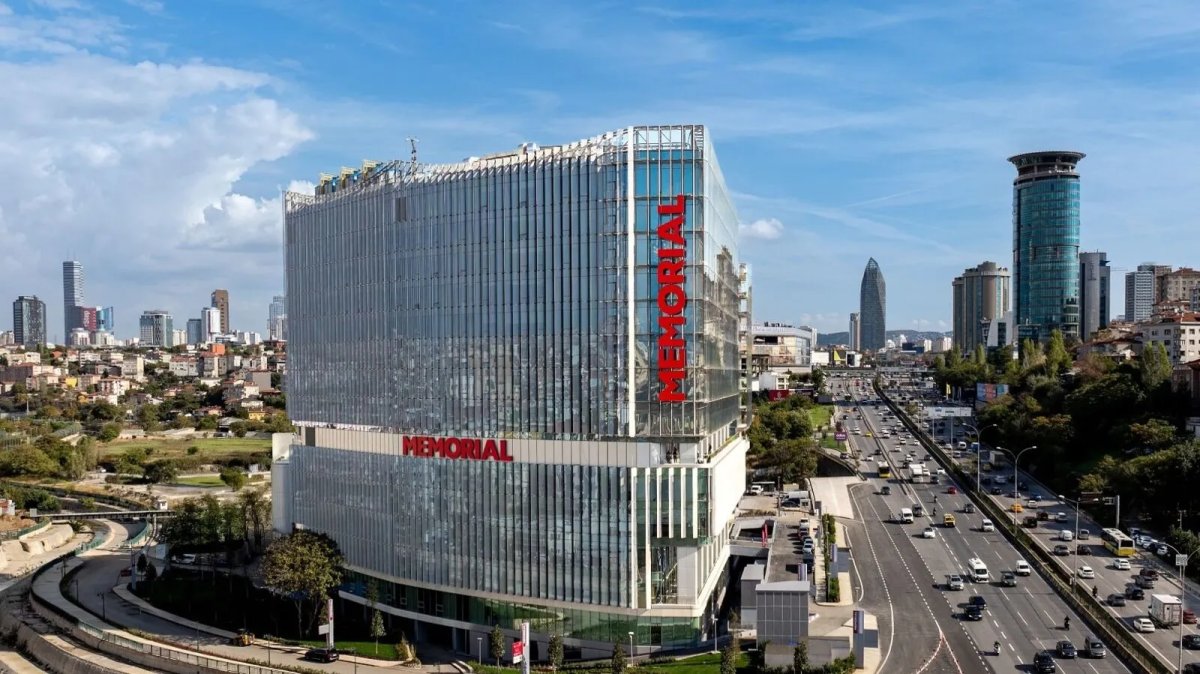
Memorial Göztepe Hospital



Hospital Lokman Hekim de Estambul (Lokman Hekim Istanbul Hospital)



Obtenga una evaluación médica de tratamiento de Quiste de la columna vertebral en Turquía: haga una consulta con 56 médicos experimentados ahora
Ver todos los médicos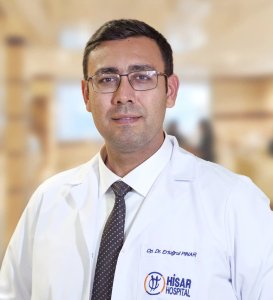
Ertugrul Pinar
El Dr. Ertugrul Pinar se especializa en enfermedades cerebrales y de la columna vertebral en adultos y niños en el Hisar Hospital Intercontinental.
- Graduado de la Facultad de Medicina de la Universidad de Marmara
- Completó su formación en neurocirugía en la Universidad de Marmara
- Experto en tumores cerebrales, tumores gliales y meningiomas
- Trata afecciones complejas de la columna vertebral y el cerebro
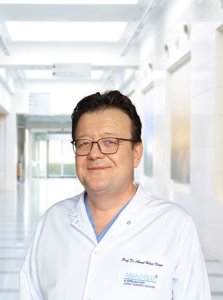
Ahmet Hilmi Kaya
El Prof. Dr. Ahmet Hilmi Kaya es profesor de neurocirugía en el Centro Médico Anadolu, en Gebze (Turquía). Obtuvo el título de médico (MD) en la Universidad de Estambul, Cerrahpaşa (programa en inglés), donde realizó la residencia en neurocirugía entre 1996 y 2003. Fue nombrado profesor en 2015. Realizó estancias de observación en la Universidad de Maastricht en 2007 y 2009.
Su actividad clínica abarca la neurocirugía funcional y estereotáxica, incluida la estimulación cerebral profund

Hasan Ozgur Ozdemir
El Prof. Dr. Hasan Ozgur Ozdemir es un distinguido neurocirujano especializado en cirugías mínimamente invasivas de columna y cerebro en el complejo hospitalario Medical Park Antalya.
- Más de _doctor_9311_años_ de experiencia en neurocirugía, incluyendo tumores y fracturas de columna
- Experto en cirugía endoscópica de disco lumbar, una técnica menos invasiva
- Clasificado en 1er lugar en el examen de competencia de la Sociedad Turca de Neurocirugía
- Miembro de la Sociedad Turca de Neurocirugía y de la Asociación Médica Turca

Erhan Arslan
El Prof. Dr. Arslan se especializa en cirugía de la médula espinal y neurocirugía mínimamente invasiva en el Hospital VM Medical Park Pendik.
- Más de _doctor_8213_ años de experiencia en neurocirugía
- Experto en procedimientos de estenosis del canal espinal y hernia discal
- Investigaciones publicadas sobre isquemia de la médula espinal y resultados neuroquirúrgicos
- Miembro de la Asociación Turca de Neurocirugía
Compartir contenido
Historias en video de pacientes de Bookimed
 Olena Sikoza
Preguntas frecuentes sobre el tratamiento de Quiste de la columna vertebral en Turquía
¿Qué tipos de quistes espinales se tratan en Turquía?
Los centros de neurocirugía turcos tratan quistes de Tarlov, quistes meníngeos espinales y quistes sinoviales mediante técnicas microquirúrgicas. Clínicas especializadas en Estambul también tratan quistes pilonidales y quistes del canal espinal en general. Los centros acreditados por la JCI ofrecen descompresión y fenestración para aliviar la presión nerviosa y mejorar la movilidad del paciente.
- Quistes de Tarlov: Cirujanos especializados tratan estos sacos llenos de líquido en la región del sacro.
- Quistes sinoviales: Los médicos los tratan en la región lumbar para detener la compresión nerviosa.
- Métodos de tratamiento: Los enfoques incluyen la escisión microquirúrgica, la descompresión y la estabilización espinal cuando es necesario.
- Certificaciones superiores: Los principales centros mantienen la acreditación JCI y los estándares de calidad internacionales ISO.
Opinión del experto de Bookimed: El Centro Médico Anadolu en Estambul está afiliado al Johns Hopkins Hospital. Esto permite a los pacientes acceder a protocolos desarrollados por un líder mundial en neurología. La experiencia es fundamental aquí, ya que el Dr. Serdar Kahraman, del Liv Hospital, cuenta con más de 30 años de experiencia en neuroendoscopia. Los cirujanos altamente experimentados son mejores para distinguir entre quistes sintomáticos y hallazgos incidentales en las
¿Cuándo se requiere cirugía para un quiste espinal y qué implica el procedimiento?
La cirugía es necesaria cuando un quiste espinal causa compresión nerviosa, lo que provoca dolor persistente, debilidad muscular o entumecimiento de las piernas. Es fundamental en casos raros como el síndrome de la cola de caballo, y los médicos la recomiendan si la fisioterapia o las inyecciones no tienen éxito. Los cirujanos realizan una descompresión para extirpar el quiste y restaurar el espacio nervioso.
- Síntomas neurológicos: La debilidad progresiva de las piernas o el pie caído requieren intervención quirúrgica urgente.
- Fracaso del tratamiento conservador: La cirugía se recomienda si los síntomas persisten después de 6 a 12 semanas de atención no quirúrgica.
- Procedimiento de descompresión: Los cirujanos extirpan la lámina ósea y el quiste a través de incisiones de 1 pulgada (2,5 cm).
- Fusión espinal: La fusión puede ser necesaria para estabilizar las vértebras y evitar que el quiste regrese.
Perspectiva del experto de Bookimed: Los datos muestran que los centros de neurocirugía turcos como Memorial Şişli y Medipol utilizan resonancia magnética avanzada de 3 Tesla asistida por IA para un mapeo preciso del quiste antes de la cirugía. Una tendencia crítica entre expertos como el Dr. Serdar Kahraman y el profesor asistente Dr. Cevdet Gokcek es el enfoque en la neuroendoscopia mínimamente invasiva. Este enfoque, practicado por cirujano
¿Están disponibles en Turquía las cirugías de columna mínimamente invasivas para la extirpación de quistes?
Los centros médicos turcos acreditados por la JCI ofrecen cirugía de columna mínimamente invasiva para la extirpación de quistes utilizando técnicas endoscópicas y microquirúrgicas avanzadas. Neurocirujanos especializados utilizan incisiones de 1 pulgada para acceder a quistes sinoviales o de Tarlov. Estos procedimientos preservan la estabilidad de la columna y generalmente permiten a los pacientes caminar dentro de las 24 horas.
- Técnicas disponibles: Los cirujanos realizan cirugía de columna totalmente endoscópica y procedimientos espinales percutáneos para una alta precisión.
- Centros destacados: El Anadolu Medical Center y el Memorial Sisli Hospital ofrecen imágenes avanzadas como resonancia magnética de 3 Teslas.
- Experiencia profesional: El Dr. Serdar Kahraman se especializa en endoscopia neuroespinal con más de 30 años de experiencia.
- Período de recuperación: Los enfoques mínimamente invasivos acortan las estancias hospitalarias y, por lo general, dan como resultado una recuperación general más rápida.
Perspectiva de los expertos de Bookimed: Los pacientes a menudo priorizan la tecnología robótica, pero para los quistes de columna, la especialización del cirujano es el verdadero indicador de calidad. Los datos muestran que médicos altamente calificados como el Dr. Cevdet Gokcek y el Dr. Salih Murat Imer mantienen más de 30 años de e
¿Qué clínicas turcas ofrecen atención de vanguardia para quistes espinales?
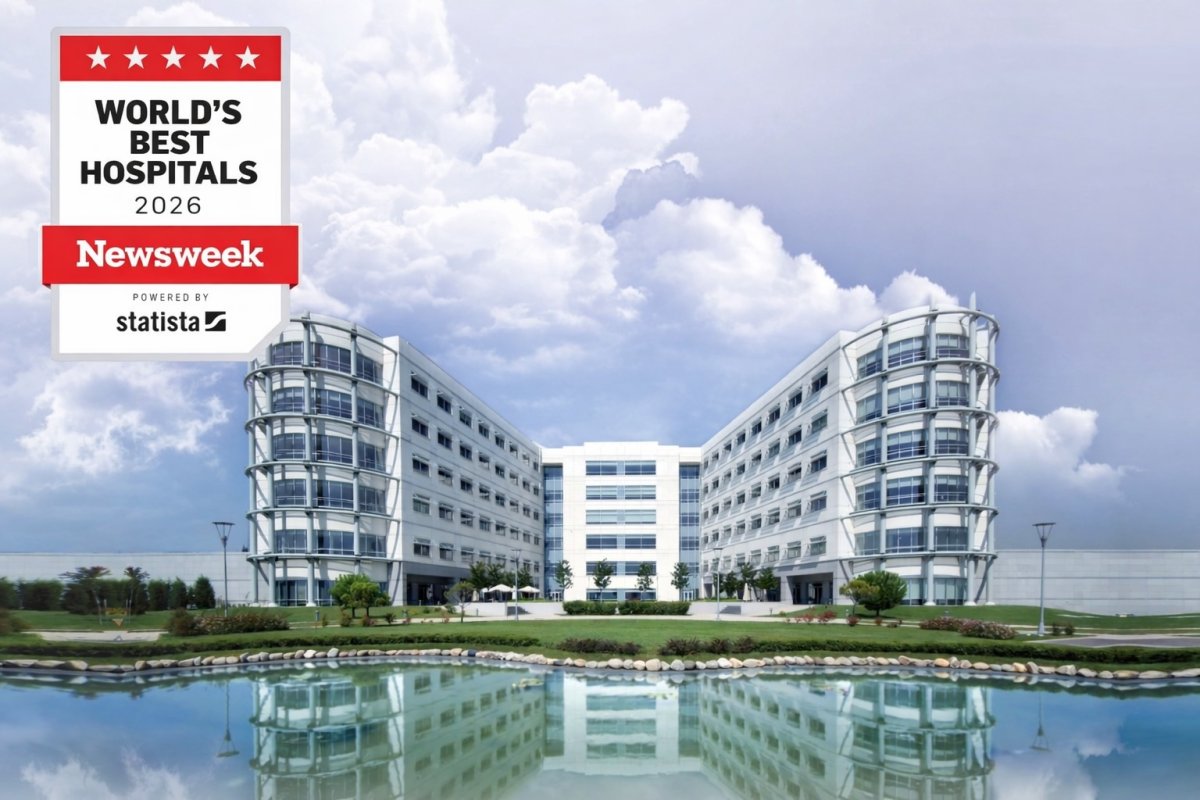
Los centros turcos líderes en el tratamiento de quistes espinales incluyen instalaciones acreditadas por la JCI en Estambul, como el Hospital Hisar Intercontinental y el Anadolu Medical Center. Estas instituciones se especializan en técnicas microquirúrgicas y endoscópicas para tratar quistes de Tarlov, aracnoideos y sinoviales. La experiencia se concentra con frecuencia en departamentos de neurocirugía con volúmenes significativos de pacientes.
- Afiliaciones académicas: El Anadolu Medical Center mantiene una afiliación a largo plazo con el Johns Hopkins Hospital.
- Diagnóstico avanzado: El Hospital Istanbul Florence Nightingale utiliza tecnología EOS para imágenes de alta resolución y baja radiación.
- Experiencia especializada: El Dr. Serdar Kahraman en Liv Hospital Ulus ha realizado más de 5.000 procedimientos neuroquirúrgicos.
- Equipos multidisciplinarios: El Hospital Memorial Sisli combina neurocirugía, oncología y cirugía robótica para casos complejos.
Perspectiva del experto de Bookimed: Los datos de los pacientes sugieren priorizar centros de alto volumen como el Istanbul Florence Nightingale, que atiende a 300.000 pacientes al año. Las instalaciones más grandes a menudo proporcionan comités multidisciplinarios de tumores y monitoreo neurofisiológico avanzado. Esto es crítico para los quistes espinales donde preservar la función nervi
¿Cuál es el riesgo de recurrencia del quiste después del tratamiento en Turquía?
El riesgo de recurrencia del quiste después de un tratamiento de columna en Turquía es generalmente bajo cuando los cirujanos realizan una escisión completa. El éxito depende del tipo de quiste y de la técnica quirúrgica. Los centros acreditados por la JCI en Estambul utilizan microcirugía y endoscopia para garantizar que se elimine toda la pared del quiste y evitar que vuelva a crecer.
- Abordaje quirúrgico: La escisión completa del revestimiento del quiste suele dar lugar a tasas de recurrencia muy bajas.
- Experiencia: Cirujanos como el Dr. Serdar Kahraman tienen más de 30 años de experiencia en endoscopia neuroespinal.
- Tecnología: Las clínicas utilizan imágenes EOS y resonancia magnética avanzada para garantizar un mapeo preciso antes de la cirugía.
- Estabilización: El riesgo de recurrencia disminuye cuando los cirujanos abordan la inestabilidad espinal subyacente durante el mismo procedimiento.
Opinión del experto de Bookimed: Los datos de los principales centros turcos muestran un gran volumen de neurocirugías complejas, con Medipol Mega atendiendo a más de 1.000.000 de pacientes al año. Este volumen masivo de casos permite a los cirujanos perfeccionar las técnicas para quistes espinales raros. Los pacientes a menudo encuentran que los médicos altamente especializados, como el Dr. Mustafa Bozbuga, mantienen resultados más consistentes