Quiste de la columna vertebral en España: las 8 mejores clínicas para su tratamiento


Revisado médicamente por
Fahad Mawlood
Cómo funciona
¿Cuál es el precio del diagnóstico y los tratamientos de Quiste de la columna vertebral en España? Descubra ahora
Descubra las mejores clínicas de tratamiento de Quiste de la columna vertebral en España: 8 opciones verificadas y Precios









Hospital Sant Joan de Déu Barcelona








Obtenga una evaluación médica de tratamiento de Quiste de la columna vertebral en España: haga una consulta con 6 médicos experimentados ahora
Ver todos los médicos
Gerardo Conesa Bertran
Más de 1.100 procedimientos realizados: el Dr. Conesa dirige el Instituto de Neurocirugía del Centro Médico Teknon, líder en casos complejos de columna vertebral.
- _doctor_1711_años_ de experiencia en neurocirugía
- Especializado en áreas altamente funcionales del cerebro y la médula espinal
- Formado en los principales centros de neurocirugía de EE. UU. y Francia
- Miembro de sociedades neuroquirúrgicas europeas y de la Walter Dandy Society
- Pionero en realidad aumentada para la planificación de cirugías cerebrales

Nnamdi Elenwoke
El Dr. Nnamdi Elenwoke es neurocirujano en el Neuroinstitut – Centro Médico Teknon (Barcelona), un centro de referencia en Europa. Está especializado en neurocirugía mínimamente invasiva y funcional. Posee experiencia específica en la malformación de Arnold–Chiari y en los trastornos de la unión craneovertebral. En su práctica utiliza técnicas microquirúrgicas avanzadas, cirugía endoscópica de la base del cráneo y neurocirugía asistida por robot.
Formación y entrenamiento: Médico (2007
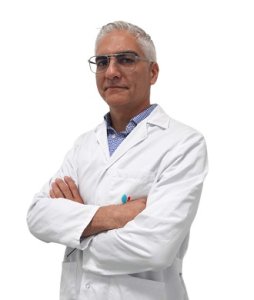
Diego Ferrandez Sempere
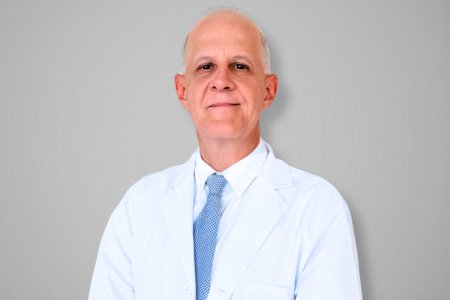
Francisco Marqués González
El Dr. Francisco Marqués González es cardiólogo en el Hospital Memorial Publio Cordón de Madrid. Trata afecciones cardiovasculares en un centro acreditado por la JCI.
El hospital sigue protocolos clínicos en su departamento de cardiología. El Dr. Marqués González trabaja en un equipo médico de más de 100 especialistas. La clínica cuenta con certificaciones internacionales, incluido el reconocimiento de la Sociedad Europea de Reproducción Humana y Embriología, y cumple con los estándares
Compartir contenido
Historias en video de pacientes de Bookimed
 Olena Sikoza
Preguntas frecuentes sobre el tratamiento de Quiste de la columna vertebral en España
¿Cómo diagnostican los especialistas españoles un quiste espinal?
Los especialistas españoles diagnostican los quistes espinales utilizando un protocolo estructurado de exámenes neurológicos e imágenes especializadas. Los neurocirujanos en centros acreditados por la JCI utilizan principalmente la Resonancia Magnética (RM) para identificar el tamaño del quiste y la compresión nerviosa. Herramientas avanzadas como la imagen EOS proporcionan detalles musculoesqueléticos de alta precisión para casos complejos.
- Evaluación clínica: Los especialistas prueban la fuerza muscular y los reflejos para identificar la irritación específica de la raíz nerviosa.
- Resonancia Magnética (RM): Este estándar de oro proporciona imágenes de alto contraste de quistes llenos de líquido y tejidos blandos.
- Tomografía Computarizada (TC): Se utiliza para pacientes con implantes metálicos o para evaluar la calcificación de la pared del quiste.
- Radiografías dinámicas: Las pruebas de flexión detectan la inestabilidad espinal que a menudo desencadena la formación de quistes.
Perspectiva del experto de Bookimed: Los datos de clínicas líderes en Barcelona como el Centro Médico Teknon y el Hospital HM Nou Delfos muestran una dependencia de la tecnología de imágenes de alta precisión como EOS. Si bien la RM estándar confirma el quiste, los cirujanos a menudo usan EOS para mapear todo el sistema musculoesquelético. Esto es crucial porque l
¿Qué técnicas quirúrgicas se utilizan en España para la extirpación de quistes?
Los neurocirujanos españoles utilizan técnicas microquirúrgicas y endoscópicas avanzadas para extirpar quistes espinales con gran precisión. Los centros líderes en Barcelona y Madrid priorizan los enfoques mínimamente invasivos. Estos métodos se centran en descomprimir los nervios mientras se preserva la estabilidad de la columna vertebral mediante pequeñas incisiones y guía asistida por robot.
- Escisión microquirúrgica: Los cirujanos utilizan microscopios de gran aumento para extirpar los quistes mientras protegen las delicadas raíces nerviosas.
- Cirugía endoscópica: Cámaras diminutas permiten el drenaje o la extirpación de quistes a través de incisiones mínimas.
- Laminectomía descompresiva: Los especialistas eliminan pequeñas secciones óseas para aliviar la presión causada por los quistes del canal espinal.
- Sistemas asistidos por robot: Centros como el Centro Médico Teknon utilizan la robótica para una mejor visualización durante resecciones complejas.
Perspectiva del experto de Bookimed: Los datos sugieren que centros españoles como el Centro Médico Teknon y el Hospital HM Nou Delfos a menudo integran la neurorrehabilitación en la planificación quirúrgica. Esto refleja una tendencia en la que los centros de alto volumen para casos complejos de columna se centran en la restauración del flujo de LCR. Este enfoque puede ofrecer mejores res
¿Es necesaria alguna vez una cirugía de fusión junto con la extirpación de un quiste?
La fusión espinal solo es necesaria si existe una inestabilidad preexistente o espondilolistesis. Los cirujanos realizan una laminectomía para extirpar el quiste y aliviar la presión sobre los nervios. La fusión estabiliza la articulación si la extirpación de hueso durante la cirugía debilita la columna. Este enfoque evita la fricción articular y prácticamente elimina la recurrencia del quiste.
- Inestabilidad preexistente: La fusión es necesaria si las vértebras se deslizan o se mueven de forma anormal antes de la cirugía.
- Requisitos de acceso quirúrgico: Los quistes grandes pueden requerir la extirpación de hueso que proporciona un soporte estructural vital.
- Prevención de quistes recurrentes: Fusionar la articulación detiene el movimiento que causó originalmente la acumulación de líquido.
- Alternativa de descompresión: Las columnas estables generalmente permiten una extirpación mínimamente invasiva con una recuperación mucho más rápida.
Perspectiva del experto de Bookimed: Aunque la fusión aumenta el tiempo de recuperación, los pacientes en centros españoles de gran volumen como el Centro Médico Teknon se benefician de neurocirujanos como el Dr. Gerardo Conesa Bertran. Se especializa en zonas altamente funcionales utilizando realidad aumentada. Esta precisión sugiere que las imágenes especializadas pueden determinar exactamente cuándo se
¿Cuál es la probabilidad de que el quiste regrese después de un tratamiento no quirúrgico?
Los tratamientos no quirúrgicos para los quistes espinales conllevan un alto riesgo de recurrencia del 50% a más del 80%. Estos métodos solo abordan los síntomas o el volumen de líquido. Dejan la pared del quiste intacta. Esta cápsula restante a menudo continúa produciendo líquido. Esto lleva a que el quiste se vuelva a llenar.
- Aspiración con aguja: El drenaje de líquido conlleva una probabilidad del 50% al 60% de que el quiste regrese.
- Inyecciones de esteroides: Reducen la inflamación temporalmente, pero resultan en una recurrencia a largo plazo cercana al 100%.
- Cápsula del quiste: Los métodos no quirúrgicos no logran eliminar el revestimiento. El saco permanece y eventualmente se vuelve a llenar.
- Regreso de los síntomas: El alivio de las inyecciones generalmente dura solo semanas o meses antes de que los síntomas reaparezcan.
Perspectiva del experto de Bookimed: España ocupa el cuarto lugar a nivel mundial en solicitudes de pacientes en nuestra plataforma. Centros de gran volumen como HM Hospitales tratan a más de 2,3 millones de pacientes ambulatorios al año. Nuestros datos muestran que los mejores neurocirujanos de Barcelona y Madrid priorizan la extirpación definitiva. Cirujanos como el Dr. Gerardo Conesa Bertran utilizan imágenes avanzadas para localizar los límites exactos de la cápsula. Este enfoque en la precisión quirúrgica a
¿Cuál es el cronograma de recuperación postoperatoria y cuándo es seguro volar?
Los viajes aéreos seguros después del tratamiento de un quiste espinal en España generalmente requieren esperar de 2 a 6 semanas. Los cirujanos priorizan la movilidad al caminar y el control del dolor antes de autorizar los vuelos. Los vuelos cortos de menos de 2 horas pueden ser posibles antes. Los viajes de larga distancia a menudo requieren un período de recuperación de 6 semanas.
- Recuperación inicial: Enfoque en el control del dolor y caminar durante los primeros 7 días.
- Tolerancia a estar sentado: Los pacientes deben poder sentarse cómodamente antes de intentar un vuelo.
- Protocolo de caminata: Los cirujanos recomiendan caminatas cortas y frecuentes en lugar de reposo en cama.
- Autorización de viaje: Obtenga una nota médica firmada para cumplir con los requisitos de viaje y de la aerolínea.
Perspectiva de expertos de Bookimed: España ocupa el cuarto lugar a nivel mundial en solicitudes médicas en Bookimed. Este alto volumen significa que clínicas como el Centro Médico Teknon realizan más de 23.000 operaciones al año. Muchos neurocirujanos españoles, como el Dr. Nnamdi Elenwoke, se especializan en técnicas mínimamente invasivas. Estas incisiones más pequeñas generalmente permiten a los pacientes alcanzar la tolerancia a estar sentado necesaria para volar más rápido que con la cirugía abierta tradicional.
Consenso de los
¿Se pueden tratar los quistes espinales sin cirugía abierta en España?
Los quistes espinales se tratan sin cirugía abierta en España mediante métodos percutáneos y endoscópicos avanzados. Los centros acreditados por la JCI en Madrid y Barcelona utilizan aspiración guiada por imagen e inyecciones de pegamento de fibrina para los quistes de Tarlov. La cirugía endoscópica mínimamente invasiva ofrece una alternativa que preserva los músculos para los quistes que causan compresión nerviosa.
- Drenaje percutáneo: La aspiración con aguja guiada por TC alivia la presión sin incisiones quirúrgicas.
- Terapia con pegamento de fibrina: Los especialistas sellan las cavidades de los quistes vaciadas para evitar que el líquido regrese.
- Cirugía endoscópica: Pequeñas cámaras de video permiten la extirpación de quistes a través de un acceso de 0,5 pulgadas.
- Inyecciones: Los bloqueos con esteroides guiados por ultrasonido reducen la inflamación nerviosa para el manejo no quirúrgico del dolor.
Perspectiva del experto de Bookimed: El panorama de la neurocirugía en España se define por un volumen masivo de pacientes, con el HM Nou Delfos atendiendo a 400.000 personas al año. Esta alta frecuencia permite a las clínicas invertir en tecnologías de nicho como el sistema de imágenes EOS. Esta tecnología proporciona mapas musculoesqueléticos de alta precisión que ayudan a los cirujanos a identificar los quistes sinoviales más pequeños q
¿Los médicos y el personal se comunican eficazmente en inglés?
Los neurocirujanos españoles en centros acreditados por la JCI suelen comunicarse eficazmente en inglés. Muchos especialistas, como los del Centro Médico Teknon, completaron su formación clínica en EE. UU. o el Reino Unido. Aunque los cirujanos suelen hablar inglés con fluidez, el personal administrativo y de enfermería puede tener habilidades de inglés conversacional más limitadas.
- Formación de cirujanos: Muchos médicos se formaron en el Hospital General de Massachusetts o en la Universidad de Emory en EE. UU.
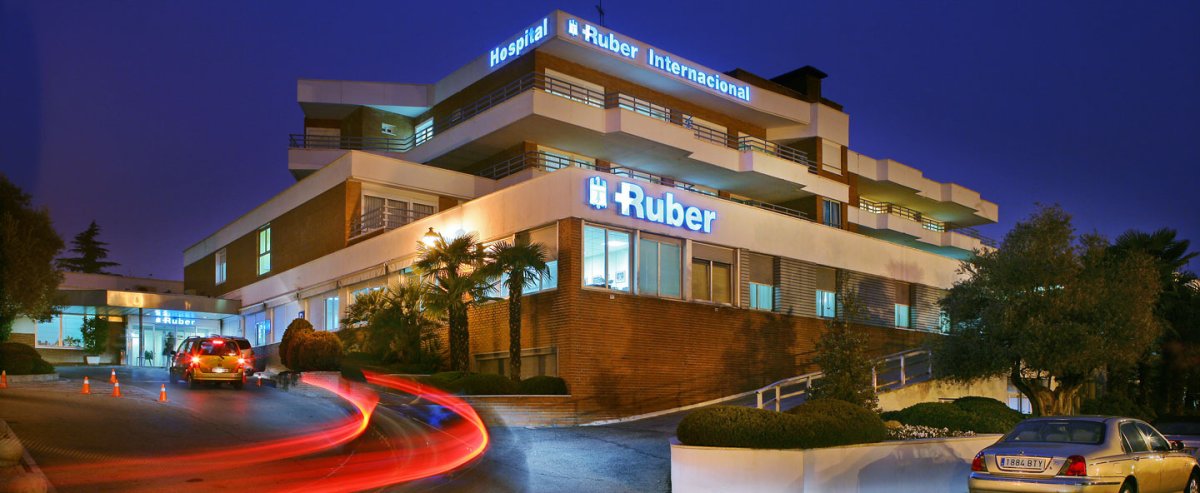
- Estándares internacionales: Instalaciones como el Hospital Ruber Internacional mantienen certificaciones JCI e ISO de seguridad.
- Personal de apoyo: El dominio del inglés entre el personal de recepción y enfermería es generalmente menor que el de los especialistas médicos.
- Comunicación escrita: Los equipos administrativos suelen procesar las solicitudes escritas en inglés con mayor precisión que las conversaciones telefónicas.
Perspectiva del experto de Bookimed: Aunque muchos piensan que todo el personal del hospital hablará inglés con fluidez, nuestros datos muestran una brecha de comunicación. Los cirujanos de primer nivel como el Dr. Gerardo Conesa Bertran tienen una amplia trayectoria internacional. Sin embargo, a menudo ocurren malentendidos durante la logística, como el alta. Elija clínicas con coordinadores internacionales