Tratamiento de Quiste de la columna vertebral en Corea del Sur — obtenga 3 coincidencias personalizadas de clínicas


Revisado médicamente por
Fahad Mawlood
Cómo funciona
¿Cuál es el precio del diagnóstico y los tratamientos de Quiste de la columna vertebral en Corea del Sur? Descubra ahora
Descubra las mejores clínicas de tratamiento de Quiste de la columna vertebral en Corea del Sur: 9 opciones verificadas y Precios





Clínica de columna y articulaciones Leadheal









Obtenga una evaluación médica para Quiste de la columna vertebral en Corea del Sur: consulte con doctores experimentados ahora
Ver todos los médicos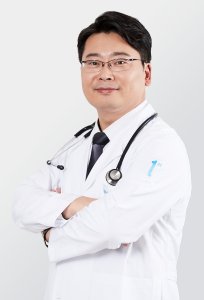
Sangwon Hwang
El Dr. Sang Won Hwang es neurocirujano especializado en cirugía de columna. Tiene casi 30 años de experiencia y ha realizado más de 6.000 procedimientos de columna. Domina técnicas mínimamente invasivas y endoscópicas y también realiza artroplastia de disco cervical. Su enfoque busca una recuperación más rápida, menos dolor y mejores resultados.
Atiende casos complejos, incluidos tumores de la columna vertebral y cirugías de revisión. Utiliza un diagnóstico minucioso y planes de tratam
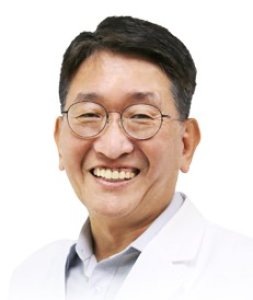
Lee Sanggu
El Dr. Lee Sanggu, MD, PhD, es neurocirujano. Es Director Médico Honorario y Director del Centro de Columna. También es profesor de Neurocirugía en el Gachon University Gil Medical Center.
Su enfoque clínico incluye tumores de la columna, trastornos de la columna, cirugía de columna mínimamente invasiva y trastornos cervicales. Los procedimientos incluyen PEN, PNP, bloqueo nervioso selectivo, discectomía microscópica o endoscópica, reemplazo de disco artificial, fusión espinal mínimame

Hyeunsung Harrison Kim
Especializado en cirugía de columna mínimamente invasiva, el Dr. Kim tiene una amplia experiencia en el tratamiento de quistes espinales con técnicas endoscópicas avanzadas.
- Más de _doctor_3791_años_ de experiencia en neurocirugía
- Formado en Alemania y Corea en procedimientos complejos de columna
- Miembro de la North American Spine Society y Eurospine
- Ha publicado más de 50 artículos de investigación sobre resultados de cirugía de columna
- Ganador del premio Paviz Kambin 2018 por la excelencia en la investigación espinal

Jaehyeon Lim
El Dr. Lim introdujo la foraminotomía cervical anterior en Corea y desarrolló técnicas de cirugía de fusión espinal sin dolor.
- Profesor en el Hospital Paik de la Universidad de Inje desde 2003
- Especialista en cirugía microscópica de columna y tumores espinales
- Director de la Sociedad Coreana de Neurocirugía Espinal
- Miembro de múltiples sociedades médicas prestigiosas
Compartir contenido
Historias en video de pacientes de Bookimed
 Olena Sikoza
Preguntas frecuentes sobre el tratamiento de Quiste de la columna vertebral en Corea del Sur
¿Cuáles son las opciones de tratamiento populares para los quistes espinales en Corea del Sur?
Las opciones de tratamiento populares para los quistes espinales en Corea del Sur se centran en técnicas mínimamente invasivas como la cirugía endoscópica de columna y la resección microscópica. Las clínicas avanzadas priorizan la descompresión nerviosa mientras preservan el tejido muscular. Centros líderes como el Hospital Nanoori utilizan enfoques percutáneos especializados, guiados por robótica o imágenes, para una recuperación más rápida.
- Cirugía microscópica de columna: Los cirujanos utilizan microscopios de gran aumento para eliminar quistes mientras protegen las delicadas raíces nerviosas.
- Cirugía endoscópica de columna: Este método ultra mínimamente invasivo utiliza pequeñas cámaras para descomprimir los nervios con una pérdida de sangre mínima.
- Reemplazo de disco cervical: Se pueden utilizar discos artificiales para reemplazar estructuras dañadas si los quistes están asociados con una inestabilidad espinal severa.
- Aspiración percutánea: Los médicos utilizan técnicas basadas en agujas guiadas por imágenes para drenar el líquido del quiste y aliviar el dolor inmediato.
Opinión de expertos de Bookimed: Corea del Sur es un centro mundial en volumen de cirugía de columna, con el Asan Medical Center realizando más de 65,000 operaciones al año. Nuestros datos muestran una tendencia en la que los hospitales especializados en columna, c
¿Cuál es el tiempo de recuperación después de una cirugía de quiste espinal en Corea?
La mayoría de los pacientes se recuperan de una cirugía de quiste espinal en Corea en un plazo de 3 a 6 meses. Las técnicas endoscópicas avanzadas permiten una movilización inicial rápida. El alta hospitalaria típica ocurre en un plazo de 2 a 5 días. A menudo puede reanudar actividades ligeras después de 4 a 6 semanas de rehabilitación.
- Estancia hospitalaria: Espere el alta en un plazo de 2 a 5 días para procedimientos espinales mínimamente invasivos.
- Movilidad inicial: Los cirujanos generalmente alientan a caminar dentro de los 3 días para promover una circulación sanguínea saludable.
- Reanudación de actividades: Las rutinas diarias ligeras generalmente se reanudan entre 4 y 6 semanas después de la operación.
- Recuperación nerviosa: A menudo ocurre una reducción significativa del dolor rápidamente, aunque los nervios pueden tardar hasta 6 meses en sanar.
Perspectiva del experto de Bookimed: Mientras que muchos hospitales generales ofrecen atención estándar, centros especializados como el Hospital Nanoori se enfocan exclusivamente en la salud de la columna vertebral. Nuestros datos muestran que estos especialistas, como el Dr. Sangwon Hwang con más de 6.000 cirugías, priorizan la mini fusión espinal. Estas técnicas específicas a menudo reducen las estancias hospitalarias a solo 1 o 2 días en comparación con los protocolos estándar.
¿Existen tratamientos de medicina tradicional coreana para los quistes espinales?
La medicina tradicional coreana ofrece métodos no quirúrgicos para controlar los síntomas de los quistes espinales. Los enfoques integrativos incluyen la acupuntura con hierbas, la terapia manual Chuna y la medicina herbal. Estos tratamientos tienen como objetivo reducir la inflamación y el dolor. Apoyan la recuperación natural, pero funcionan mejor junto con una evaluación de expertos neurocirujanos.
- Medicina herbal: Fórmulas específicas como Cheongpajeon proporcionan efectos antiinflamatorios y neuroprotectores.
- Farmacopuntura: Médicos especializados inyectan medicamentos herbales purificados directamente en puntos cercanos al quiste.
- Terapia Chuna: Los profesionales utilizan técnicas manuales para restaurar el equilibrio estructural de la columna vertebral.
- Absorción del quiste: Algunos informes clínicos muestran que los quistes de las articulaciones facetarias desaparecen después de una terapia no invasiva.
Perspectiva del experto de Bookimed: Aunque especialistas como el Dr. Sangwon Hwang en el Hospital Leadheal han realizado más de 6,000 cirugías, los centros coreanos suelen priorizar primero la terapia de ejercicio no quirúrgica. El Hospital Nanoori está certificado por el Ministerio de Salud y Bienestar como Hospital de Especialidad Espinal. Este estatus único asegura que ofrezcan un cuidado equilibrado entre el manejo tradicion
¿Cuáles son los mejores hospitales en Corea del Sur para el tratamiento de quistes espinales?
Los mejores hospitales para el tratamiento de quistes espinales en Corea del Sur incluyen centros especializados como el Hospital Nanoori y el Hospital de Columna Wooridul, junto con importantes instalaciones académicas como el Hospital Severance y el Centro Médico Asan. Estas instituciones utilizan protocolos certificados por JCI y KOIHA para la cirugía endoscópica y microscópica de columna.
- Hospital Nanoori: Posee la designación del Ministerio de Salud y Bienestar como hospital especializado en columna.
- Hospital Severance: Emplea equipos de neurocirugía acreditados por la JCI y gestiona 1,6 millones de pacientes ambulatorios al año.
- Centro Médico Asan: Realiza más de 65.000 operaciones al año como la instalación multidisciplinaria más grande de Corea del Sur.
- Cirujanos especializados: Expertos como el Dr. Iltae Jang lideran el enfoque en la descompresión microscópica de quistes espinales.
Perspectiva del experto de Bookimed: Aunque los pacientes a menudo apuntan a centros terciarios masivos como el SNUH, las clínicas especializadas como el Hospital Nanoori ofrecen una ventaja única para los quistes no complejos. Estos centros mantienen certificaciones dedicadas de especialidad en columna del Ministerio de Salud y a menudo brindan un acceso más directo a profesores senior como el Dr. Jaehyeon Lim, quien fue pionero en técnicas específi
¿Necesito una remisión para ver a un especialista en columna en Corea?
Los pacientes internacionales generalmente no necesitan una remisión médica para ver a especialistas en columna en Corea del Sur. Los centros privados especializados y los hospitales acreditados por la JCI permiten reservar consultas directamente. Este acceso directo evita el sistema de múltiples etapas requerido para los residentes locales que utilizan el seguro médico nacional.
- Acceso directo: Centros privados de columna como el Hospital Nanoori aceptan pacientes internacionales sin remisiones de atención primaria.
- Tipos de hospitales: Instalaciones acreditadas por la JCI como el Hospital Severance facilitan citas directas para atención neuroquirúrgica especializada.
- Impacto del seguro: Las reglas de remisión se aplican principalmente a los residentes que buscan la máxima cobertura bajo el seguro médico nacional.
- Enfoque del especialista: Los pacientes pueden solicitar directamente neurocirujanos, como el Dr. Hyeunsung Harrison Kim, para quistes.
Perspectiva del experto de Bookimed: Aunque las remisiones no son obligatorias, las clínicas especializadas en columna a menudo priorizan a los pacientes que proporcionan imágenes preexistentes. Por ejemplo, el Hospital Nanoori atiende a 58.000 pacientes anualmente y se dirige específicamente a casos internacionales. Proporcionar sus resonancias magnéticas o tomografías durante la consulta in