Reumatología en Grecia: clínicas verificadas con opiniones de pacientes


Revisado médicamente por
Kayhan Turan
¿Cuál es el precio de procedimientos de Reumatología en Grecia? Descubra ahora
| España | Turquía | |
|---|---|---|
| Tratamiento con medicamentos para el lupus eritematoso sistémico | ≈ $1,200 | ≈ $900 |
| Terapia intravenosa con curcumina | ≈ $450 | ≈ $900 |
| Plasmaféresis DFPP | ≈ $1,100 | ≈ $1,900 |
| Plasmaféresis | de $12,300 | de $3,200 |
| Intercambio de plasma | ≈ $2,400 | ≈ $3,900 |
Sus beneficios y garantías con Bookimed
Precios directos
Bookimed no añade cargos extra a los precios de los tratamientos de Reumatología. Las tarifas proceden de las listas de precios oficiales de las clínicas. Pagará directamente en la clínica por su tratamiento a su llegada al país.
Sólo clínicas y médicos verificados
Bookimed está comprometido con su seguridad. Solo trabajamos con las clínicas que mantienen altos estándares internacionales en el tratamiento de Reumatología y tienen las licencias necesarias para atender a pacientes internacionales en todo el mundo.
Asistencia 24/7 gratuita
Bookimed ofrece asistencia experta gratuita. Un coordinador médico personal le apoya antes, durante y después del tratamiento, resolviendo cualquier problema. Nunca estará solo en su viaje médico de procedimientos de Reumatología.

Su coordinador médico personal de Bookimed
- Le apoya en cada etapa
- Ayuda a elegir la clínica y el médico adecuados
- Asegura un acceso rápido y conveniente a la información
Descubra las mejores clínicas de Reumatología en Grecia: 2 opciones verificadas y Precios


Obtenga una evaluación médica para en Grecia: Elija su especialista entre los mejores en el campo
Ver todos los médicos
Theodoros Piperos
El Dr. Theodoros Piperos, MD, es cirujano general en la Clínica IASYS en Vyronas, Atenas. Cuenta con más de 10 años de experiencia clínica. Completó su formación de especialidad en Cirugía General en 2014 en la Facultad de Medicina de la Universidad Nacional y Kapodistríaca de Atenas.
Realiza toda la gama de procedimientos de cirugía general. Su experiencia incluye cirugía laparoscópica, reparación de hernias, colecistectomía, apendicectomía y cirugía de mama, tiroides y colorrectal. T
Compartir contenido
Historias en video de pacientes de Bookimed
 Olena Sikoza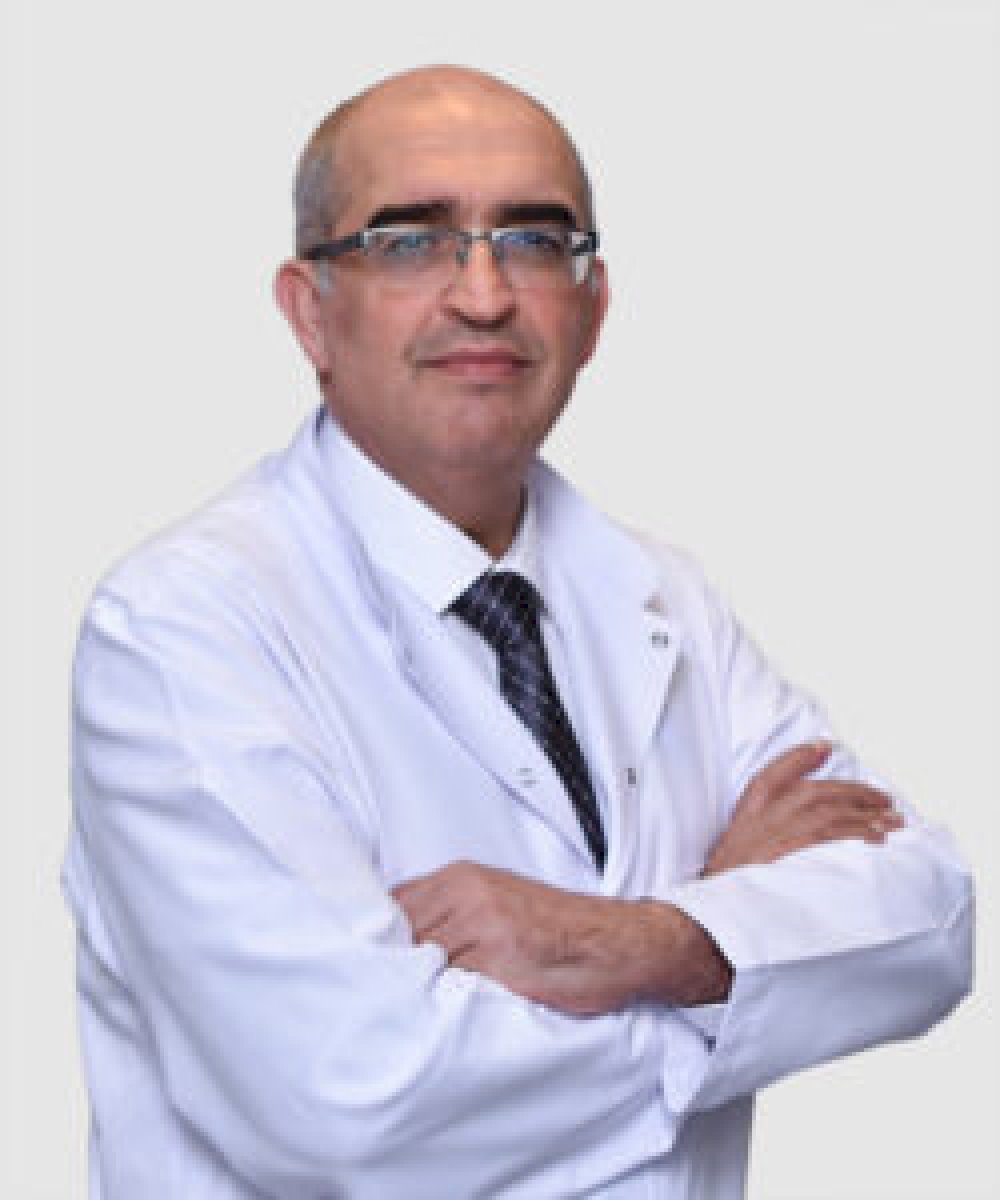
Preguntas frecuentes sobre Reumatología en Grecia
¿Cuándo debo consultar a un reumatólogo en Grecia?
Consulte a un reumatólogo en Grecia si experimenta dolor articular o hinchazón que dure más de 6 semanas. La evaluación temprana es vital para afecciones inflamatorias como la artritis reumatoide. Busque un especialista si la rigidez matutina supera los 30 minutos. La fatiga persistente o la fiebre inexplicable junto con síntomas musculoesqueléticos requieren una evaluación experta.
- Rigidez matutina: La rigidez que dura más de 30 minutos después de despertar sugiere afecciones articulares inflamatorias.
- Dolor simétrico: El dolor idéntico en ambas manos o rodillas a menudo indica problemas autoinmunes sistémicos.
- Síntomas sistémicos: La pérdida de peso inexplicable, las erupciones cutáneas o la fatiga persistente junto con el dolor articular requieren evaluación.
- Dolor de espalda crónico: El dolor en pacientes menores de 45 años que mejora con el ejercicio justifica una evaluación.
- Laboratorios anormales: Los marcadores inflamatorios elevados o los anticuerpos autoinmunes positivos requieren una revisión por parte de un especialista.
Perspectiva del experto de Bookimed: El Centro Médico Europeo Interbalkan en Tesalónica mantiene una asociación estratégica con el Hospital General de Massachusetts. Esta conexión permite a los especialistas griegos aplicar protocolos internacionales para casos autoinmunes complejos
¿Cómo se diagnostican las enfermedades reumáticas en las clínicas griegas?
Las clínicas griegas diagnostican las enfermedades reumáticas mediante evaluaciones clínicas, análisis de sangre especializados e imágenes avanzadas. Los reumatólogos siguen los criterios de clasificación EULAR y ACR para identificar afecciones autoinmunes. Los protocolos de diagnóstico incluyen pruebas de marcadores inflamatorios, detección de autoanticuerpos y ecografías musculoesqueléticas para la evaluación inmediata de la inflamación.
- Evaluación clínica: Los médicos evalúan la hinchazón de las articulaciones y utilizan la puntuación DAS28-ESR para determinar la actividad.
- Pruebas de laboratorio: Los especialistas realizan pruebas de anticuerpos antinucleares (ANA) y factor reumatoide (FR).
- Imágenes avanzadas: Las clínicas utilizan radiografías digitales, resonancias magnéticas y ecografías Doppler para detectar erosiones articulares.
- Procedimientos especializados: Algunos centros realizan análisis de líquido sinovial mediante aspiración articular o biopsias.
Perspectiva del experto de Bookimed: Las clínicas con acreditaciones internacionales como Temos a menudo brindan un acceso más rápido a serología avanzada. El Interbalkan European Medical Center en Tesalónica mantiene una capacidad de 383 camas y 36 departamentos. Su colaboración con importantes instituciones estadounidenses refleja un alto estándar de precisión diagnóstica par
¿Están disponibles y cubiertos los tratamientos biológicos en Grecia?
Los tratamientos biológicos están disponibles en Grecia y totalmente cubiertos para los pacientes con seguro público (EOPYY). Estas terapias se dirigen a enfermedades crónicas como la artritis reumatoide y la psoriasis. Los pacientes deben cumplir criterios clínicos específicos para calificar para el reembolso completo. Los centros especializados en Atenas y Tesalónica ofrecen el acceso más rápido.
- Cobertura del seguro: El seguro público generalmente cubre el 100% de los costos de los agentes biológicos aprobados.
- Criterios clínicos: Los médicos deben documentar puntajes específicos de actividad de la enfermedad para calificar para la cobertura.
- Tiempos de espera: Las aprobaciones del sistema público pueden tardar de 1 a 6 meses para los medicamentos.
- Ubicaciones de los proveedores: Las principales instalaciones como el Interbalkan European Medical Center en Tesalónica ofrecen diagnósticos avanzados.
Perspectiva del experto de Bookimed: Los datos sugieren una clara ventaja para los pacientes que buscan atención en los principales centros griegos. Hospitales como el Interbalkan European Medical Center cuentan con la Acreditación Global de Atención Médica (GHA). A menudo tienen vías administrativas más fluidas para los estándares internacionales. Si bien las islas locales pueden tener retrasos, los centros del continente priorizan la aten
¿Qué debo llevar a mi primera cita?
Los pacientes deben traer un pasaporte válido, tarjeta de seguridad social AMKA y aprobaciones de seguro EOPYY. Los registros médicos impresos son esenciales, ya que los sistemas digitales en Grecia pueden no sincronizarse perfectamente. Incluya análisis de sangre recientes para el Factor Reumatoide (FR) y la Proteína C-Reactiva (PCR) para evitar retrasos en el diagnóstico.
- Documentación médica: Traiga copias impresas de radiografías, resonancias magnéticas o ecografías recientes en un USB.
- Diario de síntomas: Registre los niveles diarios de dolor, patrones de hinchazón y desencadenantes durante varias semanas.
- Evidencia visual: Proporcione fotos claras de hinchazón articular o erupciones cutáneas para el reumatólogo.
- Historial de medicamentos: Enumere todas las dosis actuales, fechas de inicio y cualquier recibo de farmacia anterior.
- Antecedentes familiares: Documente cualquier pariente con enfermedades autoinmunes como lupus o enfermedades cardíacas.
Perspectiva del experto de Bookimed: Las clínicas griegas como el Interbalkan European Medical Center a menudo se coordinan con importantes instituciones globales. Este alto nivel de cooperación significa que sus registros locales deben ser precisos. Evite depender de aplicaciones móviles para los datos. Traer copias físicas en papel garantiza que los médicos pue
¿Cuáles son los pasos de tratamiento estándar para la artritis reumatoide en Grecia?
El tratamiento estándar para la artritis reumatoide en Grecia sigue una estrategia de "tratar hasta alcanzar el objetivo" (treat-to-target) para lograr la remisión clínica. El protocolo comienza con metotrexato o leflunomida administrados semanalmente. Los médicos escalan a terapias biológicas o inhibidores de JAK si los pacientes no responden en un plazo de 3 a 6 meses. El seguimiento especializado se realiza cada 1 a 3 meses.
- Terapia de primera línea: El metotrexato oral o subcutáneo es la opción principal para el tratamiento inicial.
- Tratamiento puente: Los glucocorticoides en dosis bajas controlan la inflamación mientras se espera que los medicamentos a largo plazo hagan efecto.
- Protocolo de escalada: Los médicos añaden productos biológicos como adalimumab si los medicamentos iniciales fallan después de 4 meses.
- Estándares de monitoreo: Los reumatólogos utilizan las puntuaciones DAS28 para realizar un seguimiento de la actividad de la enfermedad y justificar los cambios de tratamiento.
Perspectiva del experto de Bookimed: El Centro Médico Europeo Interbalkan en Tesalónica mantiene una cooperación estratégica con el Hospital General de Massachusetts. Esta asociación brinda a los pacientes acceso a protocolos internacionales dentro del sistema de salud griego. Los datos clínicos muestran que los centros con tales vínculos académicos g
¿Cuáles son los principales centros de reumatología en Grecia?
Los principales centros de reumatología en Grecia incluyen hospitales universitarios públicos en Atenas y Tesalónica, así como instalaciones privadas especializadas. El Programa Académico Conjunto de Reumatología (JARP) en Atenas y el Hospital Universitario de Heraclión son centros de referencia nacional. Estos centros se especializan en el tratamiento de enfermedades autoinmunes e inflamatorias sistémicas.
- Centros hospitalarios universitarios: Los departamentos de Atenas y Tesalónica sirven como centros principales de investigación clínica.
- Interbalkan Medical Center: Esta instalación en Tesalónica colabora con el Massachusetts General Hospital para casos complejos.
- Unidades especializadas: El Hospital General Laiko en Atenas alberga una unidad universitaria de reumatología dedicada.
- Acceso al sector privado: El Hospital Hygeia en Atenas proporciona un acceso más rápido a productos biológicos y diagnósticos.
Perspectiva del experto de Bookimed: El Interbalkan European Medical Center en Tesalónica destaca por su alta capacidad. Opera 36 departamentos y mantiene 383 camas. Su cooperación de larga data con la Universidad de Harvard sugiere un enfoque en los estándares clínicos internacionales. Esto lo convierte en una alternativa sólida para los pacientes que buscan atención especializada fuera de las clínicas universitarias públicas.
¿Pueden las mujeres con enfermedades reumáticas tener hijos de forma segura en Grecia?
Las mujeres con enfermedades reumáticas pueden tener hijos de forma segura en Grecia mediante una atención multidisciplinar especializada. El éxito depende de mantener la remisión de la enfermedad durante 6 meses antes de la concepción. Las clínicas griegas siguen las normas de la European Alliance of Associations for Rheumatology (EULAR). Estos protocolos priorizan el uso de medicamentos seguros durante el embarazo para prevenir brotes.
- Enfoque multidisciplinar: La coordinación entre reumatólogos y obstetras de alto riesgo minimiza los riesgos maternos y fetales.
- Fase de remisión: Las directrices clínicas exigen 6 meses de baja actividad de la enfermedad antes de intentar el embarazo.
- Seguridad de la medicación: Los especialistas cambian a las pacientes a productos biológicos seguros para el embarazo, como el certolizumab, para evitar complicaciones.
- Protocolos de seguimiento: Las pruebas de detección periódicas detectan signos precoces de preeclampsia o restricción del crecimiento intrauterino.
Opinión de los expertos de Bookimed: El tratamiento de las enfermedades crónicas en Grecia suele beneficiarse de asociaciones académicas internacionales. Por ejemplo, el Interbalkan European Medical Center de Tesalónica colabora con el Massachusetts General Hospital y la Universidad de Harvard. Estas colaboraciones permiten a los especialistas
¿Qué afecciones reumáticas se tratan con mayor frecuencia en las clínicas griegas?
Las clínicas griegas tratan con mayor frecuencia el dolor lumbar, que afecta al 11% de los adultos, junto con la artrosis y la gota. Centros líderes como el Interbalkan European Medical Center en Tesalónica gestionan enfermedades inflamatorias. Estas incluyen la artritis reumatoide, la espondilitis anquilosante y la artritis psoriásica mediante terapias biológicas avanzadas.
- Dolor lumbar: La queja más frecuente, que afecta aproximadamente al 11% de la población adulta.
- Artrosis: Afección altamente prevalente con casos sintomáticos que oscilan entre el 7,9% y el 17,8%.
- Gota: Artritis inducida por cristales común, tratada frecuentemente en hombres y en regiones con gran afluencia turística.
- Enfermedades autoinmunes: Atención especializada para artritis reumatoide, lupus y casos de espondiloartritis activa.
Perspectiva del experto de Bookimed: El Interbalkan European Medical Center mantiene una ventaja única gracias a su cooperación con la Universidad de Harvard. Esta conexión a menudo aporta protocolos de nivel académico a la atención reumatológica privada en Tesalónica. Los pacientes se benefician de 36 departamentos especializados y más de 380 camas, lo que garantiza un soporte diagnóstico integral bajo un mismo techo.
Consenso de los pacientes: Los pacientes señalan que las clínicas privadas en Tesalónica ofrece
¿Están disponibles las terapias biológicas e inmunosupresoras para pacientes internacionales en Grecia?
Los pacientes internacionales pueden acceder a terapias biológicas e inmunosupresoras en Grecia a través del sector sanitario privado. El tratamiento requiere una receta local de un reumatólogo griego certificado. Centros especializados en Atenas y Tesalónica proporcionan inhibidores del TNF y anticuerpos monoclonales. Los pacientes deben presentar un historial médico completo y resultados de laboratorio recientes.
- Red de proveedores: Las clínicas privadas en Tesalónica y Atenas ofrecen el acceso más rápido al tratamiento.
- Reglas de prescripción: Un médico griego debe volver a emitir las recetas dentro del sistema electrónico nacional.
- Documentación clínica: Los pacientes necesitan las recetas originales de su país de origen y cartas médicas detalladas para recibir atención.
- Estándares de las instalaciones: Centros como el Interbalkan European Medical Center cuentan con acreditaciones internacionales GHA y Temos.
- Servicios de apoyo: Las instalaciones privadas a menudo coordinan los diagnósticos para confirmar la elegibilidad para el tratamiento antes de iniciarlo.
Opinión del experto de Bookimed: El éxito en el acceso a productos biológicos depende de elegir clínicas con acreditaciones internacionales como GHA o Temos. El Interbalkan European Medical Center en Tesalónica aprovecha su cooperación con la Universi
¿Están los reumatólogos griegos cualificados para tratar a pacientes internacionales?
Los reumatólogos griegos están altamente cualificados para tratar a pacientes internacionales. Muchos expertos realizan su formación especializada en EE. UU., el Reino Unido o Alemania. Estos especialistas siguen planes de estudio médicos estandarizados de la Unión Europea. Los principales centros privados de Atenas y Tesalónica mantienen rigurosas certificaciones de calidad internacionales y protocolos de salud de la UE.
- Estándares de formación: Los especialistas siguen planes de estudio armonizados de la UE para una atención de alta calidad.
- Experiencia internacional: Muchos médicos completan becas en Estados Unidos o Europa.
- Calidad de la atención: Clínicas como el Interbalkan European Medical Center cuentan con acreditaciones Temos y GHA.
- Dominio del idioma: Los reumatólogos del sector privado suelen tener un alto dominio del inglés para los pacientes.
Opinión del experto de Bookimed: Las señales de calidad en Grecia suelen estar vinculadas a asociaciones hospitalarias globales. El Interbalkan European Medical Center en Tesalónica coopera con el Massachusetts General Hospital y la Universidad de Harvard. Estas conexiones garantizan que los protocolos locales se alineen con los estándares médicos estadounidenses de primer nivel para casos autoinmunes complejos.
Consenso de los pacientes: Los pacientes señalan