Reumatología en Italia: las 4 mejores clínicas con opiniones de pacientes

Revisado médicamente por
Kayhan Turan
¿Cuál es el precio de procedimientos de Reumatología en Italia? Descubra ahora
La reumatología en Italia suele costar entre $2,700 y $4,500. Los gastos finales dependen del diagnóstico específico, de si accede al sistema público como residente o utiliza clínicas privadas, y de la necesidad de medicamentos biológicos. Los pacientes de EE. UU. a menudo pueden encontrar ahorros del 40-60% en atención reumatológica privada y diagnósticos.
Costos típicos de reumatología en Italia
- Consulta con reumatólogo: $150 – $240
- Resonancia magnética de la articulación: Precio a consultar
- Examen de huesos y articulaciones: Precio a consultar
- Terapia farmacológica para el lupus eritematoso sistémico: $1,800 – $3,500
- Terapia intravenosa con curcumina: $1,400 – $3,200
- Resonancia magnética de cuerpo completo: $750 – $1,500
- Consulta con un ortopedista: $150 – $220
- Resonancia magnética de la médula espinal: $330 – $500
- Artroscopia: $1,500 – $2,400
Los principales centros médicos de reumatología se encuentran en Milán y Roma, donde existe la mayor concentración de clínicas especializadas. Si bien los costos están relativamente estandarizados en los centros privados, consultar con un especialista puede ayudarle a obtener un presupuesto preciso adaptado a su historial médico.
| Italia | España | Turquía | |
|---|---|---|---|
| Tratamiento con medicamentos para el lupus eritematoso sistémico | ≈ $1,800 | ≈ $1,200 | ≈ $900 |
| Terapia intravenosa con curcumina | ≈ $1,400 | ≈ $450 | ≈ $900 |
| Plasmaféresis DFPP | ≈ $1,600 | ≈ $1,100 | ≈ $1,900 |
| Plasmaféresis | ≈ $1,400 | de $12,300 | de $3,200 |
| Intercambio de plasma | ≈ $3,200 | ≈ $2,400 | ≈ $3,900 |
Todas las enfermedades de Reumatología
Sus beneficios y garantías con Bookimed
Precios directos
Bookimed no añade cargos extra a los precios de los tratamientos de Reumatología. Las tarifas proceden de las listas de precios oficiales de las clínicas. Pagará directamente en la clínica por su tratamiento a su llegada al país.
Sólo clínicas y médicos verificados
Bookimed está comprometido con su seguridad. Solo trabajamos con las clínicas que mantienen altos estándares internacionales en el tratamiento de Reumatología y tienen las licencias necesarias para atender a pacientes internacionales en todo el mundo.
Asistencia 24/7 gratuita
Bookimed ofrece asistencia experta gratuita. Un coordinador médico personal le apoya antes, durante y después del tratamiento, resolviendo cualquier problema. Nunca estará solo en su viaje médico de procedimientos de Reumatología.

Su coordinador médico personal de Bookimed
- Le apoya en cada etapa
- Ayuda a elegir la clínica y el médico adecuados
- Asegura un acceso rápido y conveniente a la información
Descubra las mejores clínicas de Reumatología en Italia: 4 opciones verificadas y Precios




Clinic Villa Stuart
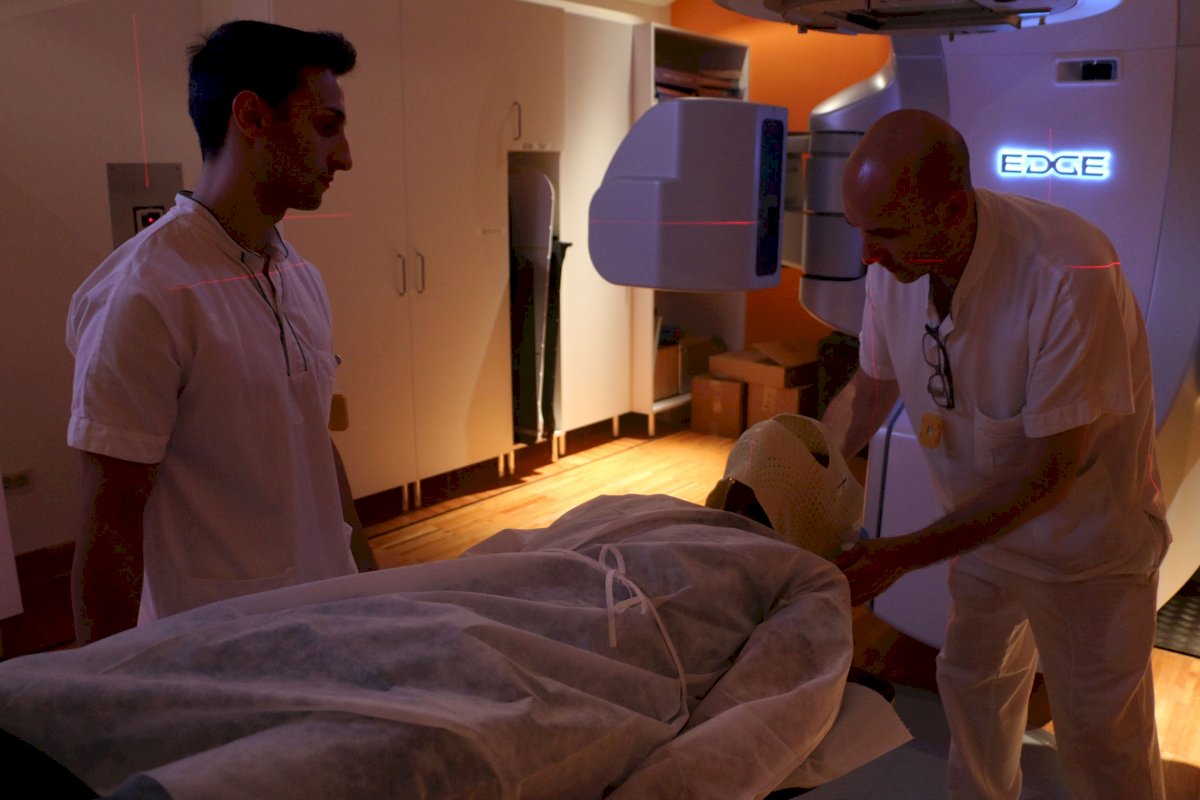

Los mejores centros médicos de Reumatología en Italia
- San Raffaele, Italia
- San Donato Hospital, Italia
- Clinic Villa Stuart, Italia
- Humanitas Research Hospital , Italia
Compartir contenido
Historias en video de pacientes de Bookimed
 Olena Sikoza
Preguntas frecuentes sobre Reumatología en Italia
¿Están acreditados los centros de reumatología italianos y cómo se supervisan los resultados de calidad para los pacientes internacionales?
Los centros de reumatología italianos mantienen una alta calidad mediante la acreditación institucional nacional obligatoria y certificaciones internacionales voluntarias. Instalaciones como el Hospital de Investigación Humanitas cuentan con la acreditación de la Joint Commission International (JCI). Las autoridades regionales y la Agencia Nacional de Servicios Sanitarios Regionales (AGENAS) supervisan los resultados clínicos y la eficacia del tratamiento en todo el país.
- Supervisión nacional: AGENAS realiza un seguimiento de los datos de rendimiento hospitalario, centrándose en los resultados clínicos y la seguridad.
- Registros especializados: La Sociedad Italiana de Reumatología (SIR) supervisa la seguridad a largo plazo de los productos biológicos avanzados.
- Estatus de investigación: Los centros líderes como San Raffaele poseen la acreditación IRCCS como institutos de investigación científica.
- Estándares europeos: Los principales hospitales participan en las Redes Europeas de Referencia (ERN) para armonizar los protocolos de tratamiento.
Perspectiva del experto de Bookimed: La excelencia médica italiana a menudo se correlaciona con el volumen de investigación más que solo con el estatus privado. San Raffaele y el Hospital San Donato atienden a 300.000 pacientes al año cada uno. Este alto volumen permite a estos centros con sede en Mil
¿Qué FAME biológicos y FAME sintéticos dirigidos están disponibles habitualmente para pacientes internacionales en Italia?
Italia ofrece un acceso integral a FAME biológicos (bDMARDs) y FAME sintéticos dirigidos (tsDMARDs) para pacientes internacionales. Las terapias disponibles incluyen inhibidores del TNF como adalimumab y etanercept. Los bloqueadores de interleucina como tocilizumab y los inhibidores de JAK como baricitinib o tofacitinib también se prescriben habitualmente. Centros de alta tecnología en Milán y Roma gestionan estos tratamientos.
- Inhibidores del TNF: Adalimumab, etanercept e infliximab están ampliamente disponibles como biosimilares rentables.
- Inhibidores de JAK: Los tsDMARDs orales, incluidos baricitinib, tofacitinib y upadacitinib, se prescriben habitualmente.
- Bloqueadores de interleucina: Los inhibidores de IL-6 como tocilizumab y sarilumab son opciones clínicas estándar.
- Terapia de células B: Rituximab se utiliza con frecuencia, especialmente en grandes hospitales de investigación como San Raffaele.
Perspectiva del experto de Bookimed: Milán sirve como el centro principal para la reumatología avanzada debido a sus altos volúmenes clínicos. Los hospitales San Raffaele y San Donato tratan a 300.000 pacientes cada uno al año. Esta escala masiva a menudo garantiza un stock más fiable de biológicos especializados en comparación con las clínicas regionales más pequeñas. Los pacientes internacionales deben dirigirse a estos centros de gran v
¿Cuáles son los criterios de elegibilidad (diagnóstico, actividad de la enfermedad, estudios previos) antes de iniciar una terapia avanzada durante una visita turística?
Los pacientes que buscan terapia reumatológica avanzada en Italia deben presentar un diagnóstico confirmado y evidencia de una alta actividad de la enfermedad. La elegibilidad está estrictamente regulada por la Agencia Italiana de Medicamentos (AIFA). Los requisitos estándar incluyen un historial de 6 meses de tratamientos convencionales fallidos, como el metotrexato, antes de escalar a una terapia biológica.
- Confirmación diagnóstica: Los registros clínicos deben incluir códigos CIE específicos para afecciones como la artritis reumatoide.
- Umbrales de actividad: Los pacientes generalmente requieren una puntuación DAS28 superior a 5.1 para la aprobación de una terapia avanzada.
- Exámenes obligatorios: Los estudios deben incluir pruebas de Quantiferon TB y resultados de detección de hepatitis B/C y VIH.
- Datos de imagen: Se requieren radiografías o resonancias magnéticas recientes para establecer el daño articular basal y la actividad.
- Historial previo: La documentación debe probar fallos terapéuticos previos para cumplir con las directrices médicas nacionales de la AIFA.
Perspectiva del experto de Bookimed: Los centros de Milán, como San Raffaele, atienden a más de 300,000 pacientes al año y operan como hospitales de investigación. Nuestros datos muestran que las clínicas privadas en las grandes ciudades a menudo o
¿Qué seguimiento de efectos secundarios se realiza durante y después de la estancia para pacientes internacionales que reciben productos biológicos?
El seguimiento de la terapia biológica en Italia implica una observación clínica intensiva durante la administración y controles de seguridad estructurados a largo plazo. Los equipos médicos realizan un seguimiento de las reacciones a la infusión, la seguridad hematológica y los riesgos de infección. Los pacientes internacionales se someten a análisis de sangre periódicos y revisiones especializadas para gestionar los efectos inmunomoduladores y garantizar la eficacia del tratamiento.
- Observación aguda: El personal de enfermería controla las constantes vitales cada 15-30 minutos durante la primera hora.
- Prevención de reacciones: Los equipos clínicos utilizan paracetamol y esteroides como protocolos estándar de premedicación.
- Seguridad post-infusión: Los pacientes permanecen bajo observación durante 1-2 horas antes de recibir el alta confirmada.
- Seguimiento de laboratorio: Las pruebas mensuales incluyen un hemograma completo, función hepática y marcadores inflamatorios.
- Detección de infecciones: Los especialistas realizan pruebas periódicas de tuberculosis y reactivación de hepatitis por seguridad.
Perspectiva del experto de Bookimed: Los hospitales de investigación italianos como San Raffaele y San Donato gestionan 300.000 pacientes al año. Este alto volumen en más de 18 departamentos permite consultas interdis
¿Cuánto dura un ciclo de tratamiento único y cuántas visitas de seguimiento se requieren normalmente en un plazo de 12 meses?
Los ciclos de tratamiento reumatológico en Italia suelen durar de 3 a 4 semanas para las fases activas. Los pacientes suelen requerir de 6 a 10 visitas de seguimiento dentro de los primeros 12 meses. Las fases de mantenimiento para afecciones estables a menudo implican citas de seguimiento cada 8 a 12 semanas.
- Monitoreo inicial: Espere controles mensuales durante los primeros 3 meses de tratamiento.
- Fase de estabilización: Las visitas suelen extenderse a cada 6 a 8 semanas después de la titulación.
- Programa de mantenimiento: Los pacientes estables a menudo pasan a evaluaciones clínicas trimestrales en persona.
- Frecuencia de diagnóstico: El monitoreo mensual de sangre es común incluso entre las consultas médicas programadas.
Perspectiva del experto de Bookimed: Los hospitales de investigación italianos como San Raffaele y Humanitas combinan la atención clínica con actividades de investigación intensivas. Esta dualidad a menudo conduce a cronogramas de monitoreo más estrictos para enfermedades inmunitarias raras en comparación con las prácticas generales. Los pacientes en instalaciones con sede en Milán se benefician de laboratorios en el lugar que agilizan el seguimiento de diagnóstico mensual requerido.
Consenso de los pacientes: Los pacientes señalan que las pruebas de laboratorio y las citas médicas a menudo oc
¿Qué regiones y ciudades italianas son más conocidas por sus hospitales de reumatología de habla inglesa con experiencia en turistas médicos?
Milán y Roma son los principales centros de Italia para la atención reumatológica en inglés. Las regiones de Lombardía y Lacio albergan instalaciones acreditadas por la JCI con departamentos internacionales dedicados. Estos centros se especializan en enfermedades autoinmunes complejas y enfermedades genéticas raras. Milán es preferida por su infraestructura de investigación avanzada y su alto dominio del inglés.
- Milán (Lombardía): San Raffaele trata a 300.000 pacientes al año y ofrece terapias avanzadas con células madre.
- Roma (Lacio): Villa Stuart ofrece rehabilitación musculoesquelética acreditada por la FIFA con más de 30 años de experiencia.
- Estándares de calidad: El Hospital de Investigación Humanitas mantiene la acreditación JCI y atiende a diversos grupos de pacientes internacionales.
- Experiencia regional: Las regiones del norte, como Lombardía, dominan en infraestructura internacional y personal médico de habla inglesa.
Perspectiva de expertos de Bookimed: Los datos muestran una alta concentración de atención especializada en Milán, donde clínicas como San Raffaele y San Donato atienden a 300.000 pacientes al año cada una. Este volumen masivo permite a estos centros financiar unidades especializadas para enfermedades inmunitarias raras que los hospitales regionales más pequeños no pueden mantener. Los pacientes que buscan especi