Reumatología en India: las 20 mejores clínicas con opiniones de pacientes

Revisado médicamente por
Kayhan Turan
¿Cuál es el precio de procedimientos de Reumatología en India? Descubra ahora
Rheumatology treatment in India typically costs from $1,900 to $5,000. The total expense depends on the specific condition, such as rheumatoid arthritis or lupus, and the choice between conventional medications or advanced biologics. Patients can expect 70-85% savings compared to prices in the US.
Typical Rheumatology Costs in India
- Consultation with creation of treatment plan: Precio a consultar
- MRI of the joint: Precio a consultar
- Bone and joint screening: Precio a consultar
- Medication therapy for Systemic Lupus Erythematosus: $2,800 – $9,200
- Curcumin IV therapy: $900 – $2,000
- Arthroscopy: de $2,000
- 25-Hydroxy vitamin D test: Precio a consultar
Major medical hubs for rheumatology include Delhi, Mumbai, and Bangalore. While specialized care is available nationwide, costs in major metropolitan areas can be 20-30% higher than in smaller cities. Consult with a specialist to get accurate pricing for your specific diagnostic needs.
| India | España | Turquía | |
|---|---|---|---|
| Tratamiento con medicamentos para el lupus eritematoso sistémico | ≈ $2,800 | ≈ $1,200 | ≈ $900 |
| Terapia intravenosa con curcumina | ≈ $900 | ≈ $450 | ≈ $900 |
| Plasmaféresis DFPP | ≈ $1,400 | ≈ $1,100 | ≈ $1,900 |
| Plasmaféresis | ≈ $1,100 | de $12,300 | de $3,200 |
| Intercambio de plasma | ≈ $1,800 | ≈ $2,400 | ≈ $3,900 |
Todas las enfermedades de Reumatología
Sus beneficios y garantías con Bookimed
Precios directos
Bookimed no añade cargos extra a los precios de los tratamientos de Reumatología. Las tarifas proceden de las listas de precios oficiales de las clínicas. Pagará directamente en la clínica por su tratamiento a su llegada al país.
Sólo clínicas y médicos verificados
Bookimed está comprometido con su seguridad. Solo trabajamos con las clínicas que mantienen altos estándares internacionales en el tratamiento de Reumatología y tienen las licencias necesarias para atender a pacientes internacionales en todo el mundo.
Asistencia 24/7 gratuita
Bookimed ofrece asistencia experta gratuita. Un coordinador médico personal le apoya antes, durante y después del tratamiento, resolviendo cualquier problema. Nunca estará solo en su viaje médico de procedimientos de Reumatología.

Su coordinador médico personal de Bookimed
- Le apoya en cada etapa
- Ayuda a elegir la clínica y el médico adecuados
- Asegura un acceso rápido y conveniente a la información
Descubra las mejores clínicas de Reumatología en India: 20 opciones verificadas y Precios




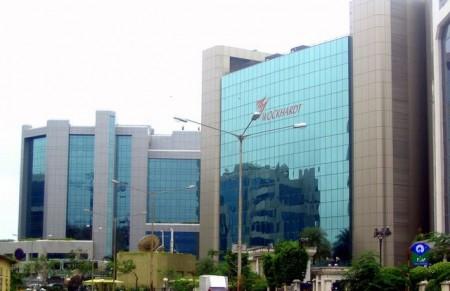
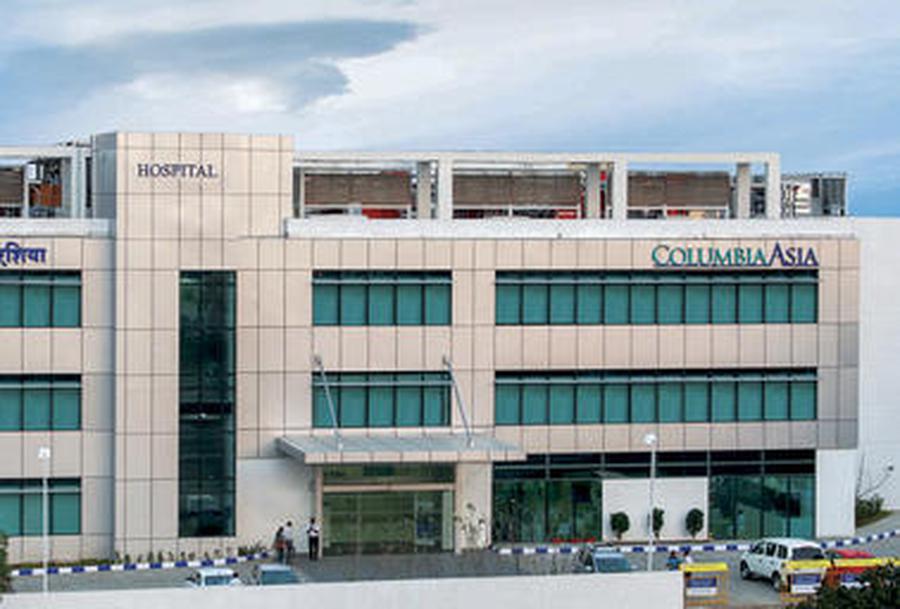
Wockhardt Hospital








Los mejores centros médicos de Reumatología en India
- Artemis Hospitals, India
- Wockhardt Hospital, India
- Manipal Hospitals, India
- Global Hospital Chennai, India
- Global Hospital Mumbai, India
- Wockhardt Hospital South Mumbai, India
- SevenHills Hospital, India
- Columbia Asia Hospital Palam Vihar, India
- Columbia Asia Hospital Pune, India
- Aster Medcity, India
Obtenga una evaluación médica de Reumatología en India: haga una consulta con 8 médicos experimentados ahora
Ver todos los médicos
Meenakshi Bisht

Abhas Gupta
Suvrat Arya

Parteek Bansal
El Dr. Parteek Bansal es cirujano ortopédico en SilverStreak Multispecialty Hospital, en Gurgaon. Realiza reemplazos articulares y procedimientos artroscópicos para ayudar a los pacientes a recuperar la movilidad. El Dr. Bansal cuenta con un Diploma de la FIFA en Medicina Deportiva y trabaja en un centro acreditado por la JCI.
- Completó subespecializaciones en reemplazo articular (FIAS, FIJR).
- Realiza cirugías primarias y de revisión de reemplazo de cadera.
- Trata les
Compartir contenido
Historias en video de pacientes de Bookimed
 Olena Sikoza
Preguntas frecuentes sobre Reumatología en India
¿En qué se diferencia un reumatólogo de un cirujano ortopédico en el tratamiento de las afecciones articulares?
Los reumatólogos tratan las afecciones articulares inflamatorias y autoinmunes sistémicas mediante terapias médicas no quirúrgicas. Los cirujanos ortopédicos se centran en las lesiones mecánicas y el daño estructural óseo que requiere intervención quirúrgica. Centros indios como Artemis Hospitals y Manipal Hospitals ofrecen ambas especialidades para gestionar casos complejos. Los reumatólogos utilizan productos biológicos, mientras que los cirujanos realizan reemplazos.
- Enfoque del tratamiento: Los reumatólogos gestionan la inflamación crónica mediante inmunosupresores y medicamentos biológicos dirigidos.
- Alcance quirúrgico: Los cirujanos ortopédicos realizan reemplazos articulares, reparaciones de ligamentos y tratan fracturas óseas.
- Herramientas de diagnóstico: La reumatología prioriza los marcadores sanguíneos como ANA y FR para enfermedades sistémicas.
- Atención estructural: Los cirujanos utilizan resonancias magnéticas y tomografías computarizadas para identificar el desgaste mecánico o los traumatismos.
Perspectiva del experto de Bookimed: Los patrones de diagnóstico en la India muestran que los centros de gran volumen como el Global Hospital Chennai y los Manipal Hospitals a menudo integran estos departamentos. Los datos sugieren que los pacientes con hinchazón persistente deberían consultar primero a un reumatólogo. Comenzar con
¿Cuándo debo buscar un especialista por dolor articular mientras viajo por la India?
Busque un especialista en la India si el dolor articular persiste más de 3 días o va acompañado de fiebre. La atención inmediata es vital ante hinchazón, enrojecimiento o calor repentino en la articulación. Estos síntomas pueden indicar infecciones como artritis séptica o enfermedades tropicales como el dengue y el chikungunya.
- Signos de alarma: Busque ayuda ante deformidad articular, incapacidad para soportar peso o bloqueo repentino.
- Molestias persistentes: Consulte a un reumatólogo si el dolor dura más de 5 días a pesar de tomar medicamentos.
- Rigidez matutina: Programe una cita si la rigidez articular dura más de 30 minutos al día.
- Diagnóstico avanzado: Los grandes hospitales ofrecen resonancias magnéticas y análisis de sangre el mismo día para confirmar afecciones inflamatorias.
Perspectiva del experto de Bookimed: Los datos de los principales centros indios muestran una tendencia en la que los centros multiespecialidad como el Global Hospital Mumbai o los Artemis Hospitals ofrecen resultados más rápidos. Estas instalaciones albergan más de 40 departamentos bajo un mismo techo. Esta configuración permite a los pacientes descartar infecciones tropicales y lesiones ortopédicas en una sola visita. Esto reduce significativamente el tiempo dedicado a buscar diferentes clínicas mientras se viaja.
Consenso de los pacientes:<
¿Se consideran curables la artritis y las enfermedades autoinmunes relacionadas en la medicina moderna?
La medicina moderna clasifica la artritis y las enfermedades autoinmunes como afecciones crónicas sin una cura definitiva. El enfoque del tratamiento sigue siendo inducir la remisión mediante terapias dirigidas. Los centros de reumatología de la India, como los hospitales Artemis, priorizan la intervención temprana con fármacos antirreumáticos modificadores de la enfermedad (FAME) para prevenir daños articulares permanentes y preservar la movilidad.
- Objetivo principal: Lograr la remisión clínica donde la actividad de la enfermedad sea baja o inexistente.
- Rango de tratamiento: La atención reumatológica en la India varía de _price_from_ a _price_to_.
- Medicamentos principales: Uso de FAME y productos biológicos para bloquear las proteínas que causan la inflamación de las articulaciones.
- Estándares hospitalarios: Los mejores centros, como los hospitales Manipal, mantienen acreditaciones JCI y NABH.
- Volumen de pacientes: Grandes redes como el Global Hospital Chennai atienden a más de 80.000 pacientes al año.
Perspectiva de expertos de Bookimed: El alto volumen de pacientes en la India en centros como los hospitales Manipal, que atienden a 2.000.000 de personas al año, se traduce en una profunda experiencia clínica. Nuestros datos muestran que las clínicas con más de 400 médicos, como los hospitales Artemis, a menudo
¿Qué tratamientos, además de esteroides y analgésicos, están disponibles para pacientes internacionales en la India?
Los pacientes internacionales en la India acceden a diversos tratamientos reumatológicos más allá de los esteroides, incluidos los FAME biológicos y los inhibidores de JAK. Centros importantes como Manipal Hospitals y Global Hospital Mumbai ofrecen inmunoterapia avanzada y atención articular asistida por robot. Estas instalaciones cuentan con la acreditación de la Joint Commission International (JCI) y ofrecen programas de rehabilitación especializados.
- Terapia biológica: Los inhibidores del TNF como el adalimumab y el etanercept cuestan entre un 60 y un 80 % menos que en las naciones occidentales.
- Medicamentos avanzados: Los inhibidores de JAK, incluidos el baricitinib y el tofacitinib, están ampliamente disponibles con un acceso más fácil.
- Opciones holísticas: Especialistas como el Dr. A. Amin ofrecen tratamientos homeopáticos individualizados para el reumatismo.
- Medicina regenerativa: Las clínicas ofrecen inyecciones de plasma rico en plaquetas (PRP) y ácido hialurónico para la salud de las articulaciones.
Perspectiva del experto de Bookimed: Las grandes redes de atención médica de la India, como Manipal Hospitals con su red de 15 hospitales, se benefician de volúmenes masivos de pacientes. Esta escala permite a estos centros negociar costos más bajos para productos biológicos de alta gama. Los pacientes a menudo pueden comenzar una
¿Es seguro integrar Ayurveda, homeopatía u otras terapias alternativas junto con la atención estándar?
La integración de terapias alternativas como el Ayurveda o la medicina homeopática junto con la atención reumatológica en la India requiere una estricta supervisión médica. Si bien el yoga y la meditación son generalmente seguros, ciertos compuestos herbales pueden interactuar peligrosamente con los medicamentos estándar. La orientación profesional es esencial para evitar retrasos en el tratamiento o complicaciones de salud graves.
- Interacciones medicamentosas: Hierbas como la ashwagandha o el guggul pueden interferir con anticoagulantes o sedantes.
- Eficacia del tratamiento: Algunos antioxidantes pueden reducir la eficacia de terapias convencionales intensivas o quimioterapia.
- Estándares de calidad: Los productos herbales no regulados pueden contener contaminantes no declarados como metales pesados o pesticidas.
- Atención especializada: Instalaciones como Manipal Hospitals y Artemis Hospitals proporcionan entornos acreditados por la JCI para el monitoreo.
Perspectiva del experto de Bookimed: Los datos de los principales centros indios muestran un gran volumen de casos complejos. Los hospitales Manipal atienden a 2.000.000 de pacientes al año y el Global Hospital Chennai maneja 80.000. Esta experiencia masiva permite a los reumatólogos identificar mejor cuándo los suplementos herbales como la cúrcuma podrían interferir con los protocolos
¿Pueden la dieta y el clima estacional durante mi estancia en la India influir en los síntomas articulares?
La dieta y el clima estacional en la India tienen un impacto significativo en los síntomas articulares. La humedad durante el monzón y las temperaturas frías del invierno a menudo aumentan la rigidez. Por el contrario, los ingredientes tradicionales indios como la cúrcuma y el jengibre proporcionan beneficios antiinflamatorios naturales. Gestionar estos factores es esencial para su comodidad durante su estancia.
- Impacto del monzón: La alta humedad y la caída de la presión barométrica pueden hacer que los tejidos articulares se hinchen.
- Rigidez invernal: El clima frío reduce la circulación y tensa los músculos en las ciudades del norte de la India.
- Desencadenantes dietéticos: Las solanáceas como la berenjena y las patatas en los currys locales pueden agravar los síntomas.
- Alimentos antiinflamatorios: La curcumina de la cúrcuma y el jengibre ayudan a mitigar la inflamación y el dolor de forma natural.
- Vitamina D: La reducción de la luz solar durante las temporadas de lluvia puede disminuir los niveles esenciales para la salud ósea.
Opinión de expertos de Bookimed: Los datos sobre el volumen de pacientes muestran que los grandes centros como los Manipal Hospitals atienden a 2.000.000 de pacientes al año en varios estados. Esta escala permite a estas instituciones gestionar eficazmente los aumentos estacionales de
¿Cuáles son los mejores hospitales en la India para la atención reumatológica?
La India alberga centros de reumatología de clase mundial, incluidos los hospitales Manipal y Artemis. Estas instalaciones acreditadas por la JCI se especializan en el manejo de afecciones autoinmunes complejas como el lupus y la artritis reumatoide. Proporcionan diagnósticos avanzados, incluidas pruebas genéticas y detección de HLA B27, para garantizar un tratamiento preciso de los trastornos musculoesqueléticos.
- Acreditaciones: Manipal y Artemis cuentan con certificaciones JCI y NABH de seguridad.
- Experiencia clínica: Instalaciones como los hospitales Manipal atienden a más de 2.000.000 de pacientes al año.
- Atención especializada: El Global Hospital Mumbai combina ortopedia y reumatología para deformidades óseas.
- Volumen de servicios: El Global Hospital Chennai realiza 18.000 operaciones al año con equipos multidisciplinarios.
Perspectiva del experto de Bookimed: Los datos muestran que elegir grandes redes como los hospitales Manipal proporciona una ventaja logística significativa. Estas instituciones operan como sistemas de salud integrados con más de 60 departamentos. Para los pacientes de reumatología, esto simplifica la coordinación entre inmunología y ortopedia. Esta sinergia interna a menudo acelera la transición del diagnóstico a la terapia especializada.
Consenso de los pacientes: Los pacientes señalan
¿Se recomienda el ejercicio de bajo impacto para visitantes con enfermedades articulares autoinmunes?
El ejercicio de bajo impacto es altamente recomendado para visitantes con enfermedades articulares autoinmunes en la India. Actividades como la natación, caminar y el yoga fortalecen los músculos sin forzar las articulaciones sensibles. Estos movimientos estimulan las vías antiinflamatorias. También promueven la producción de líquido sinovial para mejorar la lubricación de las articulaciones y reducir la rigidez crónica.
- Protección articular: La flotabilidad en el agua reduce el estrés en las articulaciones dolorosas durante la terapia acuática.
- Control de la inflamación: El movimiento regular ayuda a activar las respuestas antiinflamatorias naturales del cuerpo.
- Apoyo a la flexibilidad: El yoga y el Tai Chi se centran en estiramientos suaves para prevenir la fusión articular.
- Guía experta: Los reumatólogos indios a menudo prescriben rutinas de bajo impacto para ayudar a reducir la dependencia de los esteroides.
Perspectiva de expertos de Bookimed: Los datos de pacientes de la India muestran que centros de gran volumen como los hospitales Manipal gestionan más de 2.000.000 de pacientes al año. Las grandes instituciones a menudo proporcionan alas de rehabilitación integradas donde los fisioterapeutas se especializan en estiramientos específicos para enfermedades autoinmunes. Elegir un hospital con acreditación NABH garantiza que estos pr
¿Quiénes son los principales reumatólogos en la India para pacientes internacionales?
Entre los principales reumatólogos de la India se encuentran el Dr. Sumeet Agrawal en los Artemis Hospitals y especialistas en centros acreditados por la JCI como Manipal Hospitals y Aster Medcity. Estos expertos tratan el lupus y la artritis utilizando protocolos internacionales. La mayoría de las instalaciones de primer nivel se encuentran en centros médicos como Delhi, Bengaluru y Mumbai.
- Dr. Sumeet Agrawal: Especialista en los Artemis Hospitals centrado en enfermedades autoinmunes complejas y casos inflamatorios.
- Experiencia clínica: Centros como Manipal Hospitals atienden a 2.000.000 de pacientes al año por afecciones reumatológicas crónicas.
- Acreditaciones hospitalarias: Las mejores instalaciones cuentan con certificaciones de la JCI y del National Board for Hospitals (NABH) para garantizar la seguridad.
- Atención especializada: El Global Hospital Chennai es reconocido por Newsweek por su excelencia en la atención médica multidisciplinaria.
Perspectiva del experto de Bookimed: Los datos muestran que los centros con sede en Delhi, como los Artemis Hospitals, sirven como el centro principal de reumatología. Los pacientes con casos complejos son remitidos frecuentemente aquí desde otras ciudades. Estas clínicas suelen tener departamentos internacionales establecidos que cierran la brecha entre el diagnóstico local y el seguimiento en
¿Es curable la artritis reumatoide?
La artritis reumatoide es una afección autoinmune crónica sin cura permanente. Sin embargo, lograr la remisión clínica es ahora un objetivo realista mediante una intervención temprana. Los resultados clínicos en la India muestran que iniciar el tratamiento dentro de los 6 meses puede conducir a un control de la enfermedad del 90%.
- Objetivos de remisión: El tratamiento apunta a una inflamación cero para prevenir daños permanentes en articulaciones u órganos.
- Manejo médico: Los especialistas utilizan fármacos modificadores de la enfermedad como el metotrexato para ralentizar la progresión de la misma.
- Terapias dirigidas: Los biológicos como el etanercept transforman los casos graves al atacar moléculas inflamatorias específicas.
- Intervención quirúrgica: La artroplastia en centros como el Global Hospital Mumbai restaura la función en las articulaciones dañadas.
Perspectiva del experto de Bookimed: El volumen de pacientes es un indicador de calidad importante en la India. Manipal Hospitals atiende a 2.000.000 de pacientes anualmente en toda su red. Esta escala masiva permite que sus departamentos de reumatología ofrezcan protocolos de triple terapia a costos más bajos debido a la adquisición de medicamentos en gran volumen.
Consenso de los pacientes: Los pacientes enfatizan que comenzar con medicamentos tradicionales