Oncohematología en India — Costos 2026


Revisado médicamente por
Fahad Mawlood
¿Cuál es el precio de procedimientos de Oncohematología en India? Descubra ahora
Hematology oncology in India typically costs from $17,800 to $49,300. Total expenses depend on the specific blood disorder, drug protocols, and whether a transplant is necessary. Patients from Western countries can expect 70-85% savings compared to prices in the United States for similar advanced treatments.
Typical Hematology Oncology Costs in India
- Consultation with a hematologist: Precio a consultar
- Bone marrow biopsy: de $150
- Bone marrow transplantation: de $30,000
- Chemotherapy: de $800
- CAR T-cell therapy: $38,000 – $70,000
- Lymphoma chemotherapy: de $2,000
- Leukemia chemotherapy: Precio a consultar
- Biological therapy: $6,500 – $12,500
- Allogenic bone marrow transplantation from an unrelated donor: $35,000 – $40,000
- Allogenic bone marrow transplantation from a related donor: $26,000 – $28,000
Specialized oncology centers are mainly located in Delhi, Mumbai, and Bengaluru. While metropolitan hubs offer comprehensive care, metropolitan prices are often higher than those in tier-2 cities. Consult with a specialist to get accurate pricing for your specific diagnosis and treatment plan.
| India | España | Turquía | |
|---|---|---|---|
| Trasplante de médula ósea | de $30,000 | de $100,800 | de $30,000 |
| Trasplante alogénico de médula ósea de un donante no emparentado | de $35,000 | de $170,000 | de $65,000 |
| Trasplante alogénico de médula ósea de un donante emparentado | de $26,000 | de $130,000 | de $55,000 |
| Terapia biológica | ≈ $6,500 | ≈ $3,800 | ≈ $2,500 |
| Terapia CAR-T | ≈ $38,000 | de $385,900 | de $200,000 |
Todas las enfermedades de Oncohematología
Sus beneficios y garantías con Bookimed
Precios directos
Bookimed no añade cargos extra a los precios de los tratamientos de Oncohematología. Las tarifas proceden de las listas de precios oficiales de las clínicas. Pagará directamente en la clínica por su tratamiento a su llegada al país.
Sólo clínicas y médicos verificados
Bookimed está comprometido con su seguridad. Solo trabajamos con las clínicas que mantienen altos estándares internacionales en el tratamiento de Oncohematología y tienen las licencias necesarias para atender a pacientes internacionales en todo el mundo.
Asistencia 24/7 gratuita
Bookimed ofrece asistencia experta gratuita. Un coordinador médico personal le apoya antes, durante y después del tratamiento, resolviendo cualquier problema. Nunca estará solo en su viaje médico de procedimientos de Oncohematología.

Su coordinador médico personal de Bookimed
- Le apoya en cada etapa
- Ayuda a elegir la clínica y el médico adecuados
- Asegura un acceso rápido y conveniente a la información
Descubra las mejores clínicas de Oncohematología en India: 56 opciones verificadas y Precios




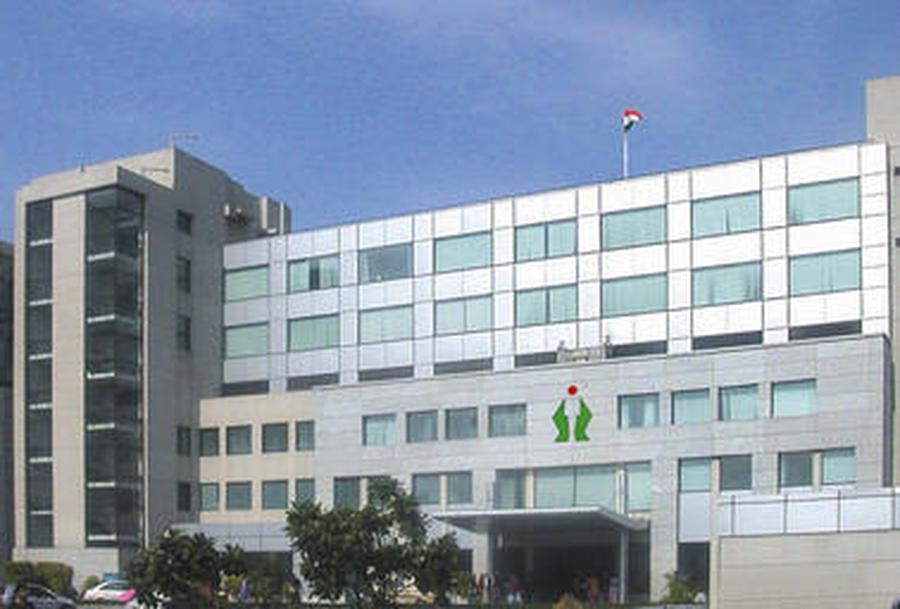





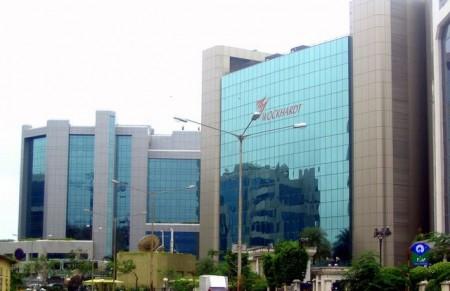
Wockhardt Hospital




Los mejores centros médicos de Oncohematología en India
- Artemis Hospitals, India
- Fortis Escorts Heart Institute, India
- Apollo Hospital Indraprastha, India
- Fortis Gurgaon, India
- Medanta Hospital, India
- Wockhardt Hospital, India
- Manipal Hospitals, India
- Global Hospital Chennai, India
- BLK Super Speciality Hospital, India
- Aster CMI Hospital, India
Obtenga una evaluación médica de Oncohematología en India: haga una consulta con 14 médicos experimentados ahora
Ver todos los médicos
Shilpa Gupta

Rahul Bhargava

Mukesh Patekar
El Dr. Mukesh Patekar es hematólogo-oncólogo en Artemis Hospitals en Gurgaon. Trata cánceres de la sangre y trastornos hematológicos. El Dr. Patekar ejerce en un centro acreditado por la JCI. Newsweek incluyó al hospital en su lista de los Mejores Hospitales del Mundo.
El hospital cuenta con acreditación NABH. Con 400 camas y una unidad de oncología, el centro es un entorno especializado para la atención oncológica. El Dr. Patekar trata a pacientes en este entorno clínico, trabajando co
Artículos relacionados

¿Cuánto cuesta el tratamiento de la leucemia?
Escrito por Вероника Казина

¿Cuánto cuesta un trasplante de médula ósea?
Escrito por Вероника Казина

¿Cuánto cuesta el tratamiento del linfoma?
Escrito por Halina Shubala

Costo de un trasplante de médula ósea en niños
Escrito por Veronika Kazina

La carta a los que me salvaron la vida.
Escrito por Veronika Kazina
Compartir contenido
Historias en video de pacientes de Bookimed
 Olena Sikoza
Preguntas frecuentes sobre Oncohematología en India
¿Qué tipo específico de cáncer de sangre tengo y en qué etapa se encuentra?
El diagnóstico y la estadificación específicos requieren una evaluación clínica de los resultados de la biopsia, análisis de sangre y exploraciones por imagen. Los hematólogos en la India utilizan biopsias de médula ósea y citometría de flujo para identificar subtipos. Clasifican la leucemia por tipo celular y el linfoma por afectación ganglionar utilizando estadios numéricos del I al IV.
- Herramientas de diagnóstico: Los médicos utilizan citometría de flujo y citogenética para identificar subtipos de cáncer específicos.
- Clasificación de la leucemia: Los equipos médicos clasifican los casos como agudos o crónicos según la madurez celular.
- Estadificación del linfoma: Los especialistas utilizan exploraciones PET-TC para determinar el estadio de Ann Arbor del I al IV.
- Estadificación del mieloma: Los equipos aplican el Sistema Internacional de Estadificación Revisado (R-ISS) utilizando marcadores genéticos.
- Opciones clínicas: Centros acreditados como el Apollo Hospital Indraprastha y los Manipal Hospitals ofrecen diagnósticos integrales.
Perspectiva del experto de Bookimed: Los centros indios como el Global Hospital Chennai y el BLK Super Speciality Hospital operan programas de trasplante de gran volumen. Estas instalaciones a menudo brindan un acceso más rápido a pruebas especializadas como la citometría de flujo q
¿Necesitaré una biopsia de médula ósea o pruebas genéticas antes de comenzar el tratamiento?
Una biopsia de médula ósea y pruebas genéticas son requisitos estándar en la India antes de comenzar el tratamiento para los cánceres de sangre. Estas pruebas confirman su diagnóstico específico e identifican anomalías cromosómicas. Estos datos permiten a los especialistas elegir las terapias dirigidas o los protocolos de quimioterapia intensiva más efectivos para su condición.
- Propósito de la biopsia: Las muestras de médula ósea confirman si el cáncer se ha propagado y determinan el estadio de la enfermedad.
- Perfil genético: Pruebas como la PCR BCR-ABL identifican mutaciones que responden mejor a medicamentos específicos.
- Estratificación de riesgo: Los resultados ayudan a los médicos a categorizar su caso y determinar la intensidad del tratamiento necesaria.
- Monitoreo del tratamiento: Las biopsias pueden repetirse para rastrear qué tan bien responde su cuerpo a la terapia.
Perspectiva de expertos de Bookimed: Los centros indios como el Global Hospital Chennai y el BLK Super Speciality Hospital a menudo ofrecen tiempos de respuesta de diagnóstico más rápidos que las instalaciones públicas. Mientras que los hospitales públicos pueden tardar 4 semanas en entregar los informes de biopsia, los laboratorios privados en estos centros acreditados por la JCI generalmente entregan los resultados mucho más rápido. Esta velocidad es vital para com
¿Cuáles son las principales opciones de tratamiento disponibles para mi enfermedad en la India?
Los tratamientos principales de hematología-oncología en la India incluyen el trasplante de médula ósea (TMO), terapias dirigidas y protocolos de quimioterapia intensiva. Los principales centros en Delhi, Bengaluru y Gurgaon ofrecen trasplantes de células madre alogénicos y autólogos. Estas instalaciones tratan leucemias complejas, linfomas y mieloma múltiple utilizando estándares acreditados por la JCI.
- Tipos de trasplante: Los trasplantes de células madre alogénicos y autólogos están disponibles en centros especializados.
- Instalaciones líderes: Los hospitales Artemis y el BLK Super Speciality Hospital, acreditados por la JCI, ofrecen unidades de TMO avanzadas.
- Atención experta: El Dr. Dharma Choudhary en BLK ha completado más de 850 trasplantes alogénicos.
- Terapias avanzadas: Las clínicas ofrecen terapias dirigidas contra el cáncer e inmunoterapia para cánceres de sangre específicos de órganos.
Perspectiva del experto de Bookimed: El panorama hematológico de la India muestra una tendencia única en la que centros de gran volumen como los hospitales Manipal atienden a 2.000.000 de pacientes al año. Esta escala masiva permite a cirujanos como el Dr. Rahul Bhargava completar más de 1.000 trasplantes. La alta rotación de pacientes a menudo conduce a costos más bajos y a una gestión más refinada de los protocolos postoperatorios en comparac
¿Cuáles son los efectos secundarios más comunes que debo esperar?
Los pacientes de hematología y oncología en la India experimentan con mayor frecuencia fatiga, náuseas y recuentos sanguíneos bajos durante el tratamiento. La fiebre y las infecciones por neutropenia son frecuentes. La caída del cabello y los problemas digestivos como la diarrea ocurren a menudo. También pueden desarrollarse entumecimiento nervioso o llagas en la boca durante la quimioterapia o los trasplantes de médula ósea.
- Fatiga física: El agotamiento intenso a menudo dura varios meses durante y después del tratamiento.
- Malestar gastrointestinal: Las náuseas y los vómitos suelen alcanzar su punto máximo entre los días 3 y 5 después de la quimioterapia.
- Riesgo de infección: Un recuento bajo de glóbulos blancos aumenta significativamente el riesgo de fiebre.
- Efectos neurológicos: El dolor nervioso o el entumecimiento en manos y pies pueden afectar la movilidad diaria.
- Cambios en la piel: La irritación del cuero cabelludo y la pérdida total del vello corporal son estándar para el segundo ciclo.
Perspectiva de expertos de Bookimed: Los datos de los principales centros indios como Delhi y Gurgaon muestran un gran volumen de trasplantes complejos. El Dr. Dharma Choudhary en el BLK Super Speciality Hospital ha dirigido más de 850 trasplantes alogénicos. Este alto volumen significa que los equipos de enfermería est
¿Está disponible la terapia de células CAR-T en la India?
La India ofrece terapia de células CAR-T para cánceres de la sangre desde finales de 2023. Los tratamientos aprobados incluyen NexCAR19 y Qartemi para linfomas de células B y leucemia. Estas terapias autóctonas ofrecen una alta eficacia para casos refractarios. Centros de hematología especializados en Delhi y Mumbai ofrecen estos tratamientos celulares avanzados.
- Terapias aprobadas: NexCAR19 y Qartemi tratan neoplasias de células B después de que los tratamientos estándar fallan.
- Centros autorizados: El BLK Super Speciality Hospital y el Fortis Memorial Research Institute proporcionan estas terapias.
- Supervisión experta: El Dr. Dharma Choudhary en BLK dirige trasplantes complejos de médula ósea y celulares.
- Tasas de éxito: Los resultados clínicos para casos refractarios se alinean con los estándares globales del 40% al 50%.
Perspectiva de expertos de Bookimed: El volumen de pacientes afecta significativamente la calidad de la atención en la India. Clínicas como el Apollo Hospital Indraprastha y los Manipal Hospitals atienden a más de 1,000,000 de pacientes anualmente. Esta escala masiva permite a estas instituciones mantener células especializadas para manejar efectos secundarios intensos como el síndrome de liberación de citoquinas. Elegir un centro de alta capacidad a menudo significa un mejor acceso a soporte de cuidados intensivos l
¿Cuánto tiempo tendré que permanecer en la India para recibir tratamiento?
Los pacientes suelen permanecer en la India de 2 a 4 semanas durante las fases iniciales del tratamiento de hematología oncológica. Los procedimientos complejos, como los trasplantes de médula ósea, requieren un mínimo de 4 a 8 semanas. Este plazo cubre el preacondicionamiento, el trasplante en sí y la supervisión inicial esencial de la recuperación para garantizar la estabilidad médica.
- Fase de diagnóstico: Las consultas iniciales y los análisis de sangre suelen llevar de 3 a 7 días.
- Ciclos de tratamiento: Los protocolos de quimioterapia ambulatoria a menudo completan ciclos en 2 a 3 semanas.
- Recuperación tras el trasplante: Los pacientes con células madre necesitan de 4 a 8 semanas para una recuperación segura.
- Periodo de margen: Los pacientes deben prever de 1 a 2 semanas para posibles retrasos en el recuento sanguíneo.
Perspectiva del experto de Bookimed: Los datos de centros de gran volumen como el Apollo Hospital Indraprastha y el Global Hospital Chennai muestran un cambio hacia modelos de recuperación híbridos. Los pacientes a menudo se trasladan a hoteles de recuperación especializados después de 3 a 7 días de hospitalización. Esta estrategia reduce significativamente los costes totales mientras mantiene la proximidad a los equipos médicos para una supervisión vital.
Consenso de los pacientes: Los pacient
¿Puedo continuar con mis actividades diarias normales durante el tratamiento?
Los pacientes en la India a menudo pueden mantener actividades diarias ligeras durante el tratamiento de hematología y oncología. El éxito depende de realizar un seguimiento de los patrones de energía, ya que la capacidad suele disminuir entre un 30 y un 50 %. La mayoría de los protocolos clínicos en centros acreditados por la JCI, como los hospitales Artemis o el BLK Super Speciality Hospital, fomentan el movimiento para controlar la fatiga y el estado de ánimo.
- Ajustes laborales: muchos pasan a trabajar de forma remota o a tiempo parcial para gestionar las caídas de energía impredecibles.
- Actividad física: caminar suavemente o hacer yoga es beneficioso cuando los recuentos sanguíneos son estables.
- Control de infecciones: los pacientes deben evitar las multitudes y a las personas enfermas debido al debilitamiento del sistema inmunológico.
- Seguridad al conducir: la niebla mental y la fatiga a menudo hacen que conducir sea inseguro en los días de tratamiento.
Perspectiva del experto de Bookimed: Los datos de los principales centros indios, como Gurgaon y Delhi, muestran que las clínicas con un alto volumen de trasplantes, como Fortis Gurgaon o Medanta, enfatizan un margen de 48 horas después del tratamiento. Programar las actividades vitales para la segunda semana de un ciclo suele dar los mejores resultados. Esto permite a los pacientes