Oncohematología en Corea del Sur — Costos 2026


Revisado médicamente por
Fahad Mawlood
¿Cuál es el precio de procedimientos de Oncohematología en Corea del Sur? Descubra ahora
La hematología oncológica en Corea del Sur suele costar entre $42,200 y $287,500. Los gastos finales dependen del subtipo de cáncer específico, la elección entre centros médicos públicos o privados, y si el tratamiento es hospitalario o ambulatorio. Los pacientes pueden esperar ahorros del 60-80% en comparación con los precios de tratamientos idénticos en los EE. UU.
Costos típicos de hematología oncológica en Corea del Sur
- Consulta con un hematólogo: Precio a consultar
- Resonancia magnética de una zona: $480 – $530
- Biopsia: de $370
- Trasplante de médula ósea: de $45,800
- Quimioterapia: de $1,900
- Hemograma completo: de $30
- TC (tomografía computarizada): Precio a consultar
- Análisis de sangre de marcadores tumorales: de $100
La mayoría de los centros oncológicos avanzados se encuentran en Seúl y Gyeonggi-do. Instituciones líderes como el Samsung Medical Center y el Seoul National University Hospital ofrecen atención integral en estas regiones. Consulte con un especialista para obtener precios precisos para su situación médica y protocolo de tratamiento específicos.
| Corea del Sur | España | Turquía | |
|---|---|---|---|
| Trasplante de médula ósea | de $45,800 | de $100,800 | de $30,000 |
| Trasplante alogénico de médula ósea de un donante no emparentado | ≈ $85,000 | de $170,000 | de $65,000 |
| Trasplante alogénico de médula ósea de un donante emparentado | ≈ $85,000 | de $130,000 | de $55,000 |
| Terapia biológica | ≈ $6,500 | ≈ $3,800 | ≈ $2,500 |
| Terapia CAR-T | ≈ $385,000 | de $386,000 | de $200,000 |
Todas las enfermedades de Oncohematología
Sus beneficios y garantías con Bookimed
Precios directos
Bookimed no añade cargos extra a los precios de los tratamientos de Oncohematología. Las tarifas proceden de las listas de precios oficiales de las clínicas. Pagará directamente en la clínica por su tratamiento a su llegada al país.
Sólo clínicas y médicos verificados
Bookimed está comprometido con su seguridad. Solo trabajamos con las clínicas que mantienen altos estándares internacionales en el tratamiento de Oncohematología y tienen las licencias necesarias para atender a pacientes internacionales en todo el mundo.
Asistencia 24/7 gratuita
Bookimed ofrece asistencia experta gratuita. Un coordinador médico personal le apoya antes, durante y después del tratamiento, resolviendo cualquier problema. Nunca estará solo en su viaje médico de procedimientos de Oncohematología.

Su coordinador médico personal de Bookimed
- Le apoya en cada etapa
- Ayuda a elegir la clínica y el médico adecuados
- Asegura un acceso rápido y conveniente a la información
Descubra las mejores clínicas de Oncohematología en Corea del Sur: 15 opciones verificadas y Precios






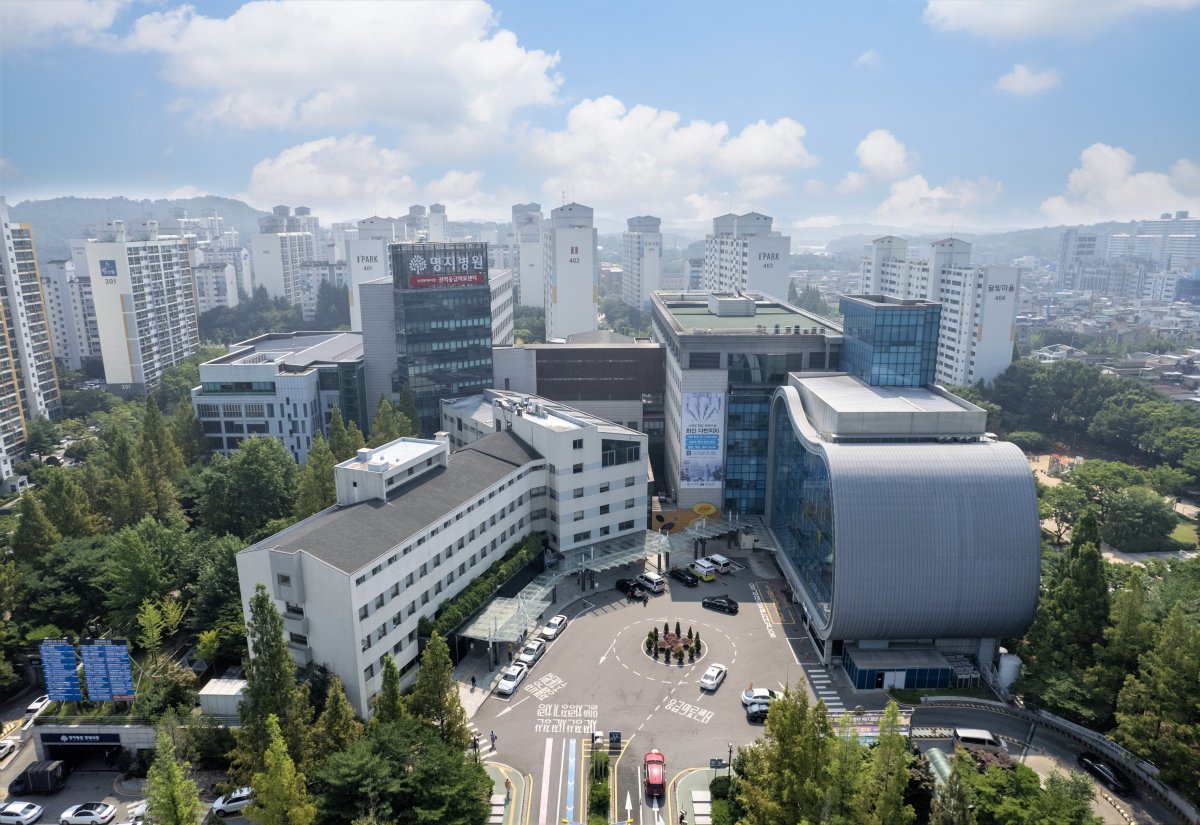








Los mejores centros médicos de Oncohematología en Corea del Sur
- Clínica de cirugía plástica VG Plastic Surgery, Corea del Sur
- Samsung Medical Center, Corea del Sur
- Myongji Hospital, Corea del Sur
- Ewha Womans University Medical Center, Corea del Sur
- Seoul National University Bundang Hospital (SNUBH), Corea del Sur
- Asan Medical Center, Corea del Sur
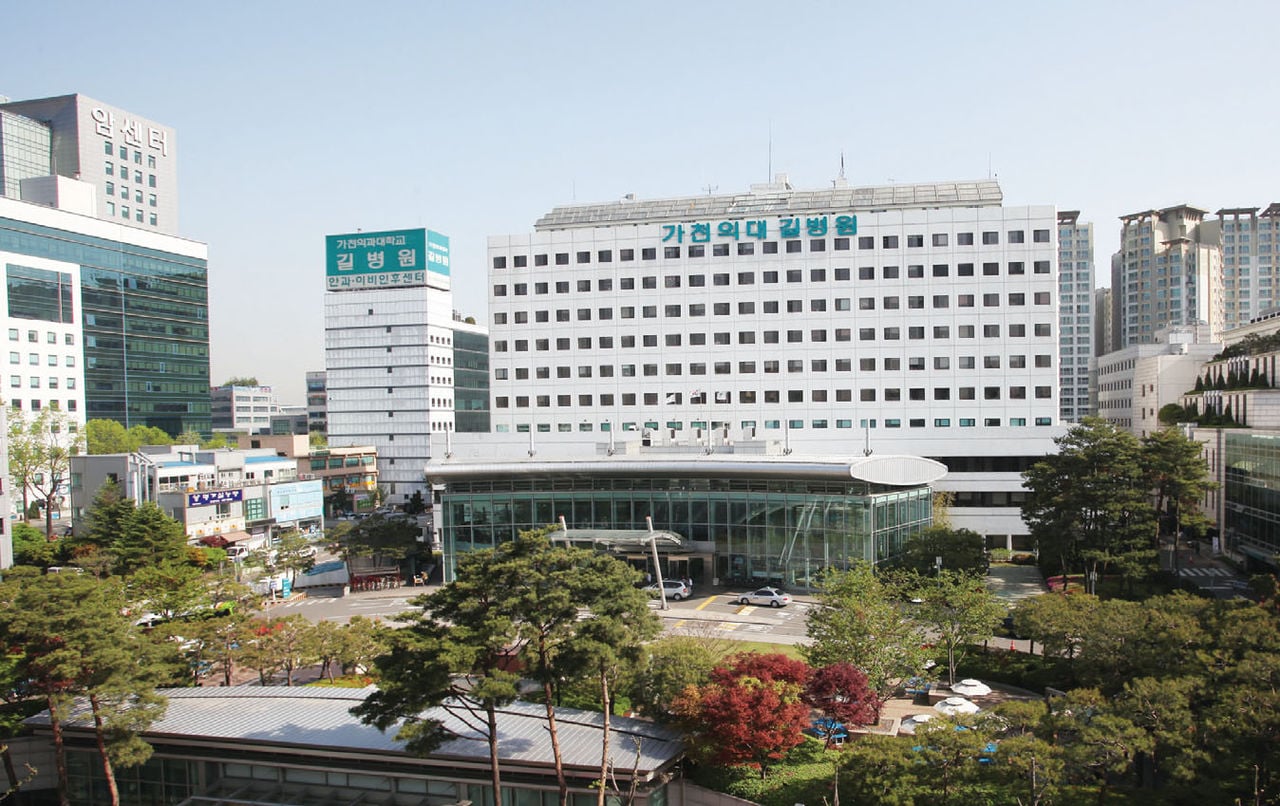
- Gachon University Gil Medical Center, Corea del Sur
- Hospital Severance (Severance Hospital), Corea del Sur
- Gangnam Severance Hospital, Corea del Sur
- Soon Chun Hyang University Hospital , Corea del Sur
Obtenga una evaluación médica para en Corea del Sur: Elija su especialista entre los mejores en el campo
Ver todos los médicos
Keun Chil Park
El Prof. Keun Chil Park dirige la División de Hematología y Oncología del Samsung Medical Center, especializándose en cánceres de pulmón, cabeza y cuello, y esófago.
- Graduado de la Facultad de Medicina de la Universidad Nacional de Seúl
- Miembro de prestigiosas asociaciones de oncología, incluidas ASCO y ESMO
- Se centra en hematología y oncología con amplia experiencia en el campo
- Activo en comunidades internacionales de investigación del cáncer


Khong De Shchik
Oncólogo, especialista en oncología clínica y oncohematología
28 años de experiencia
- De 1992 a 1994 realizó una pasantía en el Fred Hutchinson Cancer Institute, EE.UU.
- Desde enero de 2001, ha sido el director del Hospital Universitario Sunchunhyang en Buchon.
- Recibió el Premio Médico de la Sociedad de Trasplante de Células Madre de Corea en 2006
- Es miembro de las comunidades internacional y americana de oncohematología.

Keun-Wook Lee
El Dr. Keun-Wook Lee es oncólogo en el Hospital Universitario Nacional de Seúl Bundang (SNUBH). Trata cánceres gastrointestinales, incluidos el cáncer de esófago, de intestino delgado y cáncer de colon en etapa 4. El Dr. Lee trabaja en un centro clasificado entre los Mejores Hospitales Inteligentes del Mundo por Newsweek.
- Trata casos de hematología-oncología y tumores sólidos.
- Trabaja en el SNUBH, un centro médico que atiende a 1,5 millones de pacientes al año.
- Ejer
Artículos relacionados

¿Cuánto cuesta el tratamiento de la leucemia?
Escrito por Вероника Казина

¿Cuánto cuesta un trasplante de médula ósea?
Escrito por Вероника Казина

¿Cuánto cuesta el tratamiento del linfoma?
Escrito por Halina Shubala

Costo de un trasplante de médula ósea en niños
Escrito por Veronika Kazina

La carta a los que me salvaron la vida.
Escrito por Veronika Kazina
Compartir contenido
Historias en video de pacientes de Bookimed
 Olena Sikoza
Preguntas frecuentes sobre Oncohematología en Corea del Sur
¿Es Corea del Sur un buen destino para el tratamiento del cáncer y los trastornos sanguíneos?
Corea del Sur es un destino mundial de primer nivel para la hematología-oncología, ofreciendo resultados superiores para trastornos sanguíneos complejos y cánceres. La nación reporta una tasa de supervivencia al cáncer a cinco años del 72,9 %. Esto supera las tasas en los EE. UU. y el Reino Unido. Los centros especializados utilizan terapia de iones pesados y sistemas robóticos avanzados.
- Tasas de supervivencia: El éxito alcanza el 87,7 % para el cáncer de estómago y el 95,3 % para el cáncer de mama.
- Clasificaciones mundiales: El Samsung Medical Center y el Asan Medical Center se encuentran entre los 10 mejores a nivel mundial.
- Tratamientos especializados: Los centros realizan más de 145.000 trasplantes de médula ósea con tasas de éxito superiores al 90 %.
- Tecnología avanzada: Las instalaciones ofrecen terapia de células CAR-T, terapia de protones y sistemas de diagnóstico basados en IA.
Perspectiva del experto de Bookimed: El análisis de los flujos de pacientes muestra que los hospitales de primer nivel de Seúl, como el Samsung Medical Center, gestionan más de 2 millones de pacientes al año. Este volumen masivo permite a los equipos perfeccionar los protocolos para trastornos sanguíneos raros más rápidamente que los centros occidentales de menor volumen. Clínicas como el Asan Medical Center realizan más de 65.000 operaciones al año. Es
¿Qué tratamientos avanzados de hematología-oncología están disponibles en Corea?
La hematología-oncología avanzada en Corea cuenta con terapias celulares, medicina de precisión y radiación de partículas. Los centros especializados ofrecen terapia de células CAR-T, trasplantes de médula ósea alogénicos y terapia de iones pesados. Estos tratamientos se dirigen a la leucemia, el linfoma y los tumores sólidos resistentes. Muchas instalaciones cuentan con la acreditación de la Joint Commission International (JCI) por seguridad.
- Terapia celular: La terapia de células CAR-T trata la leucemia y el linfoma en recaída utilizando producción interna.
- Experiencia en trasplantes: El Hospital St. Mary de Seúl ocupa el quinto lugar a nivel mundial en trasplantes de médula ósea exitosos.
- Terapia de partículas: Las terapias de iones pesados y haces de protones se dirigen con precisión a los tumores cercanos a órganos vitales.
- Medicina de precisión: El perfil genómico y la secuenciación de próxima generación proporcionan planes de tratamiento personalizados para mutaciones raras.
Perspectiva del experto de Bookimed: Los 5 grandes hospitales de Corea, como el Samsung Medical Center y el Asan Medical Center, manejan volúmenes masivos de pacientes, con el Asan atendiendo a más de 11,000 pacientes ambulatorios al día. Esta alta frecuencia conduce a una competencia excepcional en procedimientos complejos. Por ejemplo, el Samsung Medical Ce
¿Cómo se aplica el sistema nacional de seguro médico al tratamiento del cáncer para extranjeros?
Los extranjeros con visas válidas e inscripción en el Seguro Médico Nacional (NHI) en Corea del Sur reciben la misma cobertura contra el cáncer que los ciudadanos. El programa de reducción de copagos limita la responsabilidad del paciente. Los pacientes asegurados con enfermedades graves como el cáncer suelen pagar solo el 5% de los costos médicos y de medicamentos totales.
- Requisitos de elegibilidad: Los extranjeros deben poseer visas de larga duración válidas, como F-5 o F-6, para inscribirse.
- Reducción de copago: El gobierno cubre el 95% de los costos del tratamiento del cáncer y los medicamentos esenciales.
- Cobertura de detección: El Seguro Médico Nacional generalmente cubre del 90% al 100% de los costos de detección del cáncer.
- Alcance del tratamiento: La cobertura incluye quimioterapia, radioterapia y cirugía en instalaciones acreditadas por la JCI, como el Hospital Severance.
Perspectiva de expertos de Bookimed: Los datos muestran una clara ventaja para los pacientes que eligen centros más grandes como el Hospital de la Universidad Nacional de Seúl o el Centro Médico Asan. Estas instituciones gestionan más de 10.000 pacientes diarios y cuentan con departamentos internacionales dedicados. Este alto volumen a menudo resulta en un procesamiento más ágil del NHI para procedimientos complejos como la terapia de células CAR-T.
<
¿Qué pasos de documentación y visado son necesarios antes de comenzar un tratamiento en Corea del Sur?
Los pacientes que buscan tratamiento de hematología y oncología en Corea del Sur deben obtener una invitación oficial del hospital y una visa médica. Las estancias cortas de menos de 90 días requieren una visa C-3-3. Los tratamientos más largos, como los trasplantes de médula ósea, requieren una visa G-1-10. Los ciudadanos de países exentos de visa aún necesitan una K-ETA aprobada para las consultas iniciales.
- Invitación médica: Hospitales como el Samsung Medical Center proporcionan cartas oficiales después de las revisiones iniciales de los registros.
- Prueba financiera: Los solicitantes deben proporcionar estados de cuenta bancarios, que a menudo muestran 10.000 USD para cubrir los costos.
- Traducción de documentos: Los registros médicos detallados y los informes de diagnóstico deben traducirse al inglés o al coreano.
- Registros de cuidadores: Los familiares acompañantes deben presentar certificados de nacimiento o matrimonio para demostrar las relaciones.
Perspectiva de expertos de Bookimed: Las clínicas con grandes volúmenes internacionales, como el Asan Medical Center, que atiende a 11.800 pacientes ambulatorios al día, cuentan con equipos dedicados para acelerar las cartas de invitación de visa. Nuestros datos muestran que los hospitales digitales de primer nivel, incluido el Hospital de la Universidad Nacional de Seúl Bundang, a men