Oncohematología en Austria — Costos 2026


Revisado médicamente por
Fahad Mawlood
¿Cuál es el precio de procedimientos de Oncohematología en Austria? Descubra ahora
La hematología oncológica en Austria suele costar desde $56,100 hasta $235,000. Los precios varían según el diagnóstico específico, la complejidad del régimen de tratamiento y si el paciente requiere atención hospitalaria. Los pacientes internacionales a menudo encuentran ahorros del 40-60% en comparación con los Estados Unidos, mientras reciben atención especializada de alto nivel.
Costos típicos de hematología oncológica en Austria
- Trasplante de médula ósea: $62,000 – $95,000
- Quimioterapia: de $990
- Terapia de células T con CAR: $280,000 – $365,000
- Quimioterapia para linfoma: $8,000 – $13,000
- Quimioterapia para leucemia: Precio a consultar
- Terapia biológica: $7,500 – $15,000
- Trasplante alogénico de médula ósea de un donante no emparentado: $105,000 – $145,000
- Trasplante alogénico de médula ósea de un donante emparentado: $95,000 – $150,000
Viena es el centro principal para la atención oncológica avanzada, donde las clínicas a menudo tienen un precio superior debido a sus instalaciones especializadas y profesores médicos. Otros centros importantes en Graz y Salzburgo también brindan servicios integrales. Consulte con un especialista para obtener precios precisos para su caso específico.
| Austria | España | Turquía | |
|---|---|---|---|
| Trasplante de médula ósea | ≈ $62,000 | de $100,800 | de $30,000 |
| Trasplante alogénico de médula ósea de un donante no emparentado | ≈ $105,000 | de $170,000 | de $65,000 |
| Trasplante alogénico de médula ósea de un donante emparentado | ≈ $95,000 | de $130,000 | de $55,000 |
| Terapia biológica | ≈ $7,500 | ≈ $3,800 | ≈ $2,500 |
| Terapia CAR-T | ≈ $280,000 | de $385,900 | de $200,000 |
Todas las enfermedades de Oncohematología
Sus beneficios y garantías con Bookimed
Precios directos
Bookimed no añade cargos extra a los precios de los tratamientos de Oncohematología. Las tarifas proceden de las listas de precios oficiales de las clínicas. Pagará directamente en la clínica por su tratamiento a su llegada al país.
Sólo clínicas y médicos verificados
Bookimed está comprometido con su seguridad. Solo trabajamos con las clínicas que mantienen altos estándares internacionales en el tratamiento de Oncohematología y tienen las licencias necesarias para atender a pacientes internacionales en todo el mundo.
Asistencia 24/7 gratuita
Bookimed ofrece asistencia experta gratuita. Un coordinador médico personal le apoya antes, durante y después del tratamiento, resolviendo cualquier problema. Nunca estará solo en su viaje médico de procedimientos de Oncohematología.

Su coordinador médico personal de Bookimed
- Le apoya en cada etapa
- Ayuda a elegir la clínica y el médico adecuados
- Asegura un acceso rápido y conveniente a la información
Descubra las mejores clínicas de Oncohematología en Austria: 7 opciones verificadas y Precios



Confraternitaet & Goldenes Kreuz Private Hospital



JUVENIS

Los mejores centros médicos de Oncohematología en Austria
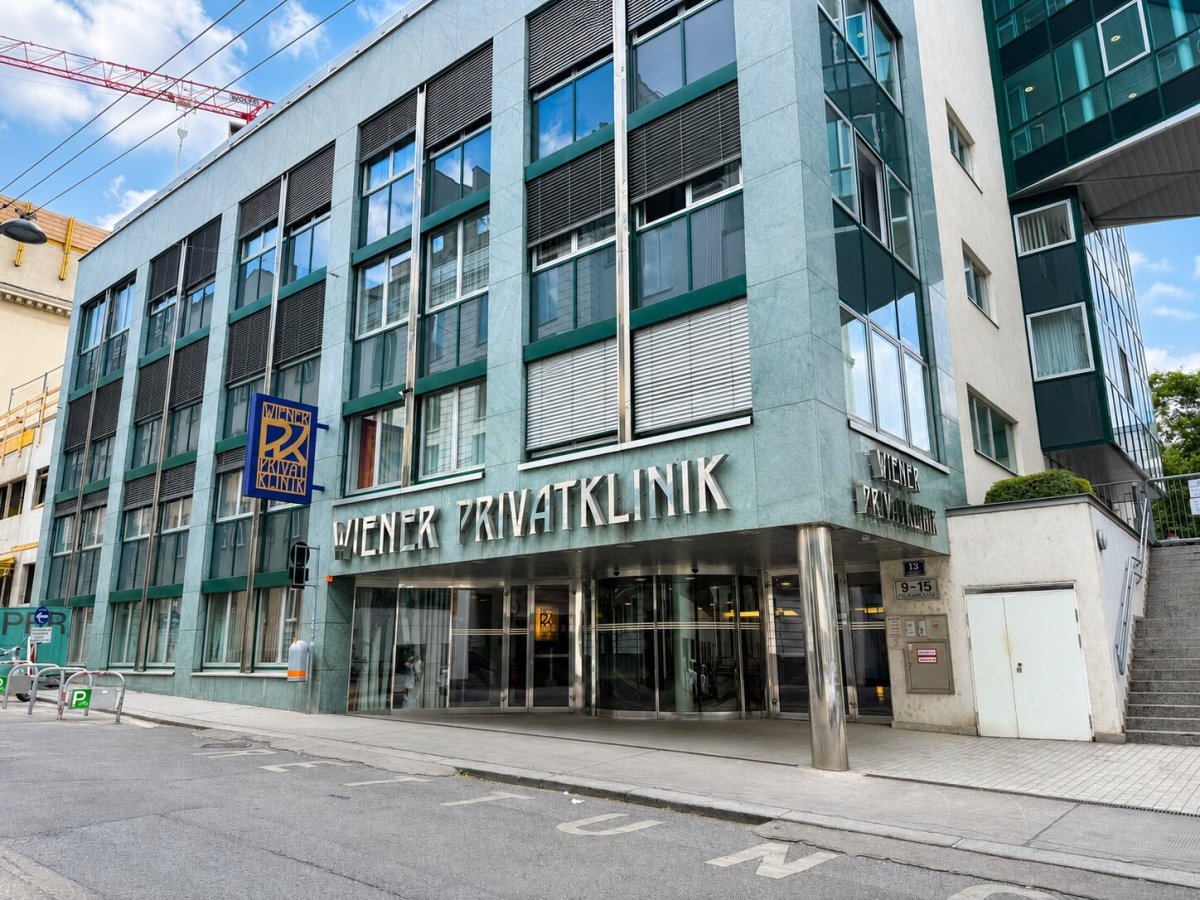
- Clínica privada Wiener (Wiener Privatklinik), Austria
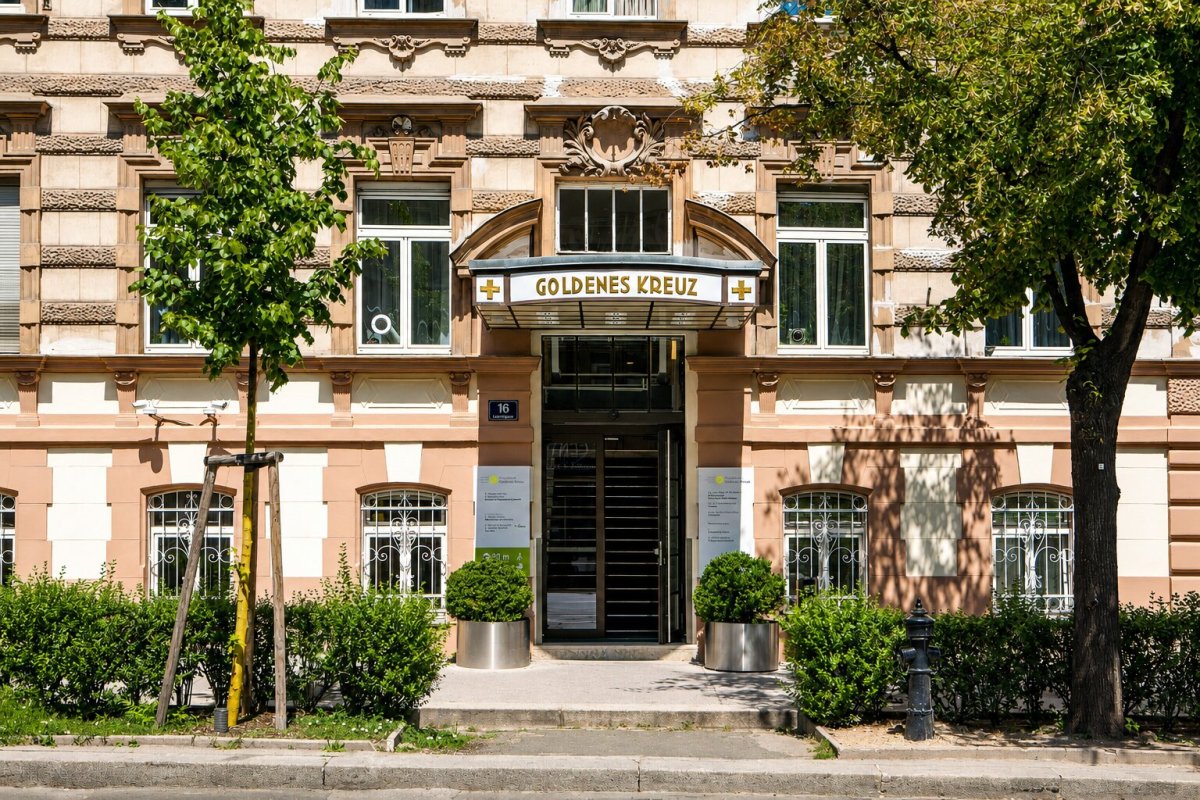
- Confraternitaet & Goldenes Kreuz Private Hospital, Austria
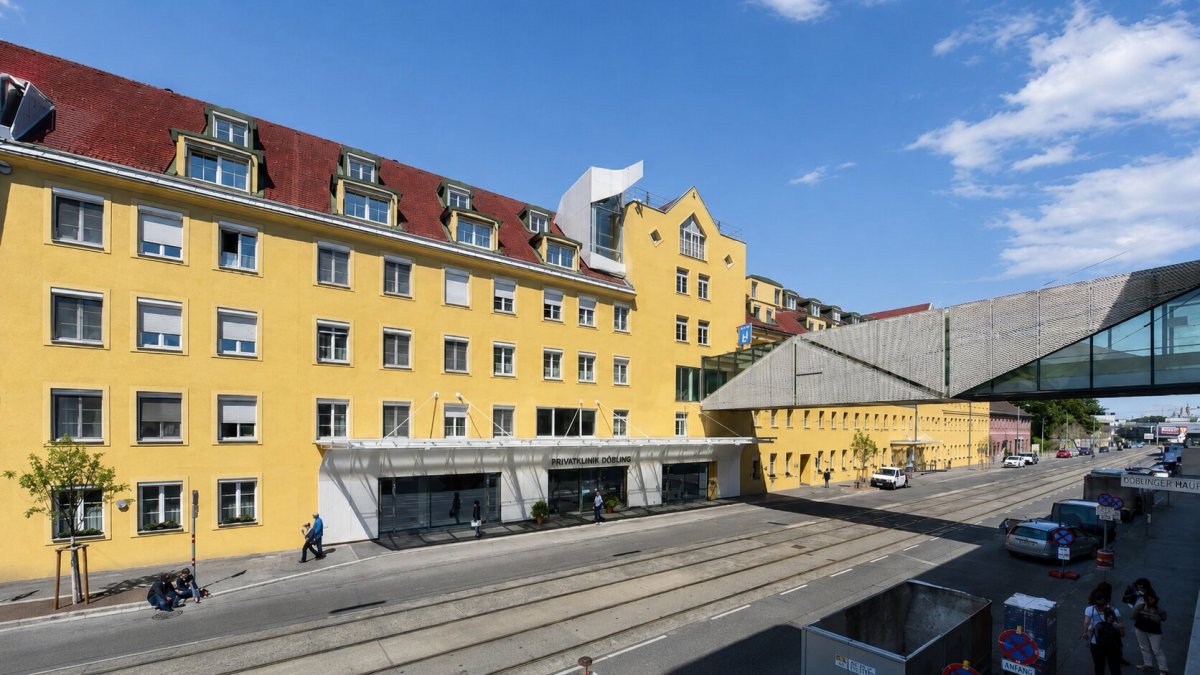
- Döbling Private Clinic, Austria
- Vienna General Hospital, Austria
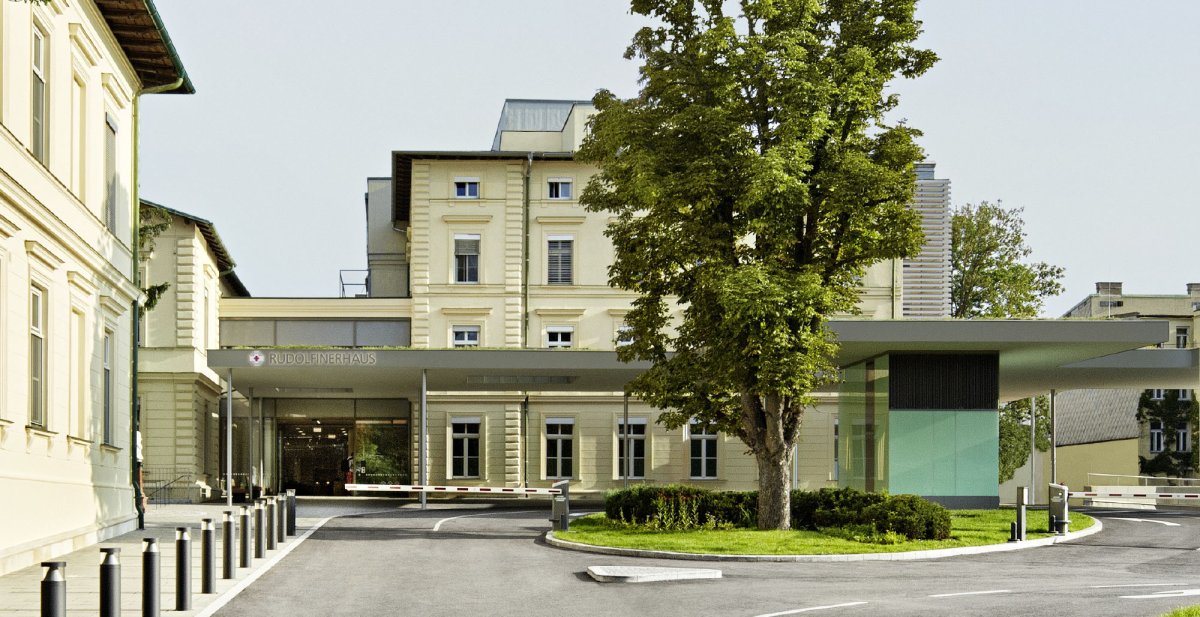
- Rudolfinerhaus, Austria
- JUVENIS, Austria
- Armona Medical Alpinresort, Austria
Obtenga una evaluación médica para en Austria: Elija su especialista entre los mejores en el campo
Ver todos los médicos
Hossein Taghizadeh
El Dr. Taghizadeh se especializa en terapia sistémica contra el cáncer en la Wiener Privatklinik, integrando tratamientos modernos como la inmunoterapia con una atención compasiva.
- Experiencia en cánceres gastrointestinales, pancreáticos y genitourinarios
- Experto en terapia dirigida y quimioterapia para cánceres sólidos y hematológicos
- Se enfoca en planes de tratamiento personalizados para cada paciente
- Formado en la Universidad de Medicina de Viena, una institución austriaca líder

Wolfgang Köstler
El Prof. Dr. Wolfgang Köstler es pionero en la medicina personalizada contra el cáncer, especializado en terapias dirigidas para cánceres de mama y ginecológicos en la Wiener Privatklinik.
- Más de 20 años de experiencia en oncología médica
- Profesor asociado en la Universidad Médica de Viena
- Se centra en tratamientos basados en biomarcadores e inmunoterapia
- Investigación publicada sobre biología tumoral y mecanismos de resistencia

Johannes Drach
El profesor Drach ha realizado más de 1.100 procedimientos oncológicos y dirigió el programa de Mieloma Múltiple y Linfoma Maligno en el Hospital Universitario de Viena, uno de los más grandes de Europa.
- Especialista en oncología hematológica con más de 25 años de experiencia
- Ex médico jefe del Hospital Universitario de Medicina Interna I de Viena
- Ha publicado más de 120 artículos científicos sobre hematología y oncología
- Miembro de la junta directiva de la Sociedad Austriaca de Hematología y Oncología
- Ofrece segundas opiniones y optimización de la terapia prequirúrgica
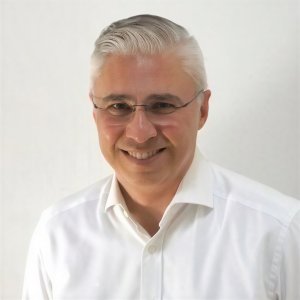
Alexander Hauswirth
El Prof. asociado (Priv.-Doz.) Dr. Alexander W. Hauswirth es especialista en medicina interna y hemato-oncología en JUVENIS. Desde 2010 es médico sénior responsable de Hematología/Hemostaseología y Oncología en la Clínica de Medicina Interna I de la Universidad Médica de Viena/AKH Viena, el hospital más grande de Austria.
Obtuvo su título de médico por la Universidad de Viena en 1999. Recibió la venia docendi (habilitación) en 2010 y fue nombrado profesor asociado en 2012. Completó una
Reseñas
Todas las reseñasArtículos relacionados

¿Cuánto cuesta el tratamiento de la leucemia?
Escrito por Вероника Казина

¿Cuánto cuesta un trasplante de médula ósea?
Escrito por Вероника Казина

¿Cuánto cuesta el tratamiento del linfoma?
Escrito por Halina Shubala

Costo de un trasplante de médula ósea en niños
Escrito por Veronika Kazina

La carta a los que me salvaron la vida.
Escrito por Veronika Kazina
Compartir contenido
Historias en video de pacientes de Bookimed
 Olena Sikoza
Preguntas frecuentes sobre Oncohematología en Austria
¿Por qué se considera a Austria uno de los mejores destinos para el tratamiento de enfermedades hematológicas y oncológicas?
Austria es líder mundial en hematología y oncología gracias a sus altas tasas de supervivencia y la rápida adopción de la medicina de precisión. El país combina la investigación académica con la práctica clínica. Las principales clínicas de Viena ofrecen tratamientos de vanguardia, como la terapia con células T CAR y terapias dirigidas, poco después de obtener la certificación internacional.
- Especialización: El profesor Dr. Wolfgang Köstler, de la Clínica Privada de Viena, está especializado en hematología compleja y sarcomas.
- Métodos de diagnóstico de vanguardia: el Hospital Municipal de Viena (VKA) cuenta con seis laboratorios propios para diagnósticos moleculares rápidos.
- Innovación clínica: El profesor Heinz Gieslinger fue pionero en la terapia con interferón para el tratamiento de las neoplasias mieloproliferativas hace más de 40 años.
- Seguridad del paciente: En el Hospital Privado Döbling, las tasas de complicaciones son significativamente inferiores a los estándares internacionales.
Opinión de expertos de Bookimed: Los datos muestran que las clínicas privadas austriacas, como Wiener Privatklinik y Döbling Private Hospital, tienen menos camas, aproximadamente entre 130 y 160. Esta reducida capacidad permite un entorno altamente personalizado. Los pacientes reciben la atención de destacados profesores universitarios que también ejerc
¿Qué tratamientos especializados para el cáncer de sangre están disponibles en Austria?
Austria ofrece atención hematológica de vanguardia con tratamientos especializados como la terapia con células T CAR, el trasplante de médula ósea y la oncología de precisión. Instituciones como el Hospital General de Viena (AKH) y el Hospital Privado de Viena utilizan inmunoterapia dirigida y protocolos biológicos. Hematólogos experimentados, como el Dr. Wolfgang Köstler, desarrollan regímenes de tratamiento individualizados para la leucemia, el linfoma y las neoplasias mieloproliferativas.
- Terapia celular: La terapia con células T CAR para el linfoma cuesta entre 800 y 800.
- Servicios de trasplante: Los precios del trasplante alogénico de médula ósea oscilan entre $105,000 y $145,000.
- Oncología dirigida: La medicina personalizada se centra en los perfiles moleculares mediante el uso de inhibidores de RET o BRAF.
- Fármacos especializados: Los protocolos clínicos incluyen anticuerpos monoclonales y terapia con interferón para neoplasias crónicas.
Opinión experta de Bookimed: Los datos muestran que Viena es el centro líder en el tratamiento de enfermedades hematológicas complejas, con el Hospital General de Viena (AKH) atendiendo a 595 000 pacientes anualmente. Si bien las clínicas privadas, como la Vienna Privatklinik, ofrecen consultas más rápidas, el AKH cuenta con la infraestructura de laboratorio más especializada. L
¿Los hematólogos y oncólogos austriacos están suficientemente cualificados y hablan inglés?
Los hematólogos y oncólogos austriacos son especialistas altamente cualificados que han completado más de nueve años de rigurosa formación médica. La mayoría de los especialistas en grandes ciudades como Viena dominan el inglés. Cuentan con certificaciones reconocidas por la UE y, a menudo, dirigen investigaciones internacionales en instituciones como la Universidad Médica de Viena.
- Cualificaciones de experto: Especialistas como el Dr. Wolfgang Köstler cuentan con triple certificación en medicina interna, hematología-oncología y cuidados intensivos.
- Experiencia clínica: Expertos de renombre como el Dr. Johannes Drach han publicado más de 120 artículos científicos y dirigen programas complejos.
- Tratamientos avanzados: Equipos de expertos realizan terapia con células T CAR (desde 800 dólares) y trasplantes alogénicos (desde 177 dólares).
- Estándares de clase mundial: Instituciones como la Wiener Privatklinik figuran entre los mejores hospitales del mundo según la revista Newsweek.
Opinión experta de Bookimed: Nuestros datos muestran una clara tendencia en la que destacados oncólogos austriacos, como los de la Wiener Privatklinik, una clínica privada con una calificación de 4,7, combinan dos puestos: el de profesor universitario. Estos médicos aplican directamente los resultados de la investigación de laboratorio a la atención de los paciente
¿Con qué rapidez puede un paciente extranjero comenzar el tratamiento para enfermedades hematológicas y oncológicas en Austria?
El tratamiento para pacientes internacionales con enfermedades hematológicas y oncológicas en Austria suele comenzar en un plazo de 2 a 4 semanas. En casos urgentes, el tratamiento puede iniciarse en un plazo de 7 a 10 días. Contar con el historial clínico completo y los resultados de la biopsia puede reducir significativamente los retrasos en el diagnóstico para los pacientes internacionales.
- Consulta inicial: Las consultas médicas en línea suelen durar entre 1 y 3 días.
- Confirmación del diagnóstico: Una cita con un especialista en clínicas privadas suele tardar entre 1 y 3 días.
- Inicio del tratamiento: Los tratamientos como la quimioterapia pueden comenzar tan pronto como se apruebe el plan de tratamiento definitivo.
- Tramitación de visados: Los pacientes que no sean ciudadanos de la UE deben tener en cuenta que la tramitación de un visado médico puede tardar entre 1 y 2 semanas más.
Opinión experta de Bookimed: Nuestros datos muestran que grandes centros como el Hospital General de Viena (AKH) atienden a 595 000 pacientes al año. Este volumen les permite mantener procesos de diagnóstico altamente eficientes. Los pacientes que eligen clínicas privadas como el AKH suelen beneficiarse de la atención de más de 400 médicos. Muchos de ellos son catedráticos, lo que les permite coordinar rápidamente casos complejos en 30 departamentos.
¿Puedo obtener una segunda opinión a distancia del Centro Austriaco de Hematología Oncológica?
Los pacientes internacionales pueden obtener una segunda opinión a distancia de centros austriacos de hematología y oncología, como la Wiener Privatklinik y el Hospital Privado Döbling. Los especialistas revisan los historiales clínicos, los resultados de las pruebas de imagen y los informes de patología, ofreciendo una evaluación independiente. Tras la consulta, se suele proporcionar un informe escrito o una videoconsulta en un plazo de 3 a 7 días hábiles.
- Los especialistas disponibles, el profesor Wolfgang Johannes Köstler y el Dr. Hossein Taghizadeh, ofrecen consultas a distancia sobre enfermedades oncológicas.
- Documentación requerida: imágenes digitales en formato DICOM e informes patológicos en inglés o alemán.
- Centros clínicos: Instituciones privadas como Confraternitaet y Goldenes Kreuz ofrecen servicios de consulta interdisciplinaria para enfermedades oncológicas.
- Tratamientos a distancia: Los servicios incluyen una consulta en línea con un oncólogo para planificar el tratamiento.
Opinión experta de Bookimed: Los datos demuestran que la selección de especialistas de la Wiener Privatklinik ofrece una ventaja única. Muchos de los más de 400 médicos de la clínica son también profesores de la Universidad Médica de Viena. Este vínculo entre la atención médica privada y la investigación académica garantiza que los pacientes reciban cons
¿Qué condiciones y servicios pueden esperar los pacientes internacionales en el hospital?
Los pacientes internacionales con cáncer hematológico en Austria pueden esperar condiciones académicas especializadas, incluyendo habitaciones individuales con filtro HEPA. Instituciones como el Hospital General de Viena (AKH) ofrecen servicios en sus instalaciones, como bancos, tiendas y restaurantes. El tratamiento se brinda en centros con certificación ISO, que cumplen con altos estándares de seguridad médica y ofrecen atención multilingüe.
- Normas de alojamiento: Para los pacientes oncológicos inmunodeprimidos, las habitaciones individuales son el estándar para garantizar la seguridad.
- Ámbito clínico: El Hospital General de Viena (AKH) comprende 42 institutos universitarios y 2200 camas.
- Acceso a expertos: Centros como la Wiener Privatklinik ofrecen acceso a más de 400 médicos especialistas.
- Priorizamos la seguridad: las clínicas cuentan con la certificación ISO y registran tasas de complicaciones inferiores a los estándares internacionales.
Opinión experta de Bookimed: Los datos muestran una clara ventaja para los pacientes que eligen centros médicos en Viena en comparación con ciudades regionales más pequeñas. Hospitales como la Vienna Privatklinik y el AKH atienden a más de 500 000 pacientes al año y ofrecen atención médica de mayor calidad en inglés. Estos grandes centros suelen contar con sus propios laboratorios, lo que agiliza s
¿Hay atención médica de seguimiento disponible después de mi regreso a mi país de origen?
Los centros austriacos de hematología y oncología ofrecen seguimiento mediante planes de comunicación coordinados y consultas en línea. Los pacientes deben aceptar estos protocolos antes del alta para garantizar la continuidad del tratamiento. Especialistas de renombre, como el Dr. Wolfgang Köstler de la Wiener Privatklinik, ofrecen videoconsultas a distancia. Estas consultas permiten a los pacientes controlar su evolución y ajustar sus planes de tratamiento desde casa.
- Consultas remotas: La mayoría de las clínicas oncológicas de Viena ofrecen consultas por video, a partir de Precio a consultar.
- Documentación: Solicite resúmenes de alta completos e informes de patología en inglés antes del alta hospitalaria.
- Coordinación: Bookimed pone en contacto a su especialista austriaco con su equipo oncológico local.
- Periodo de acceso: Indique durante cuánto tiempo tendrá acceso al portal digital para pacientes de la clínica.
Opinión de expertos de Bookimed: Los datos de Wiener Privatklinik y Döbling Private Hospital muestran una tendencia hacia la integración de la teleoncología. Los grandes centros suelen incluir consultas remotas iniciales en planes de tratamiento complejos para la leucemia o el linfoma. Esto es crucial, ya que los médicos locales pueden desconocer los protocolos austriacos específicos. Los pacientes deben aclarar si su paquet
¿Cuáles son las cualificaciones y la acreditación de los equipos austriacos de hematología-oncología para proporcionar una atención oncológica integral?
Los equipos austriacos de hematología y oncología deben contar con la certificación en medicina interna y subespecialidades en hematología y oncología médica. Los centros líderes en Viena cumplen con la norma ISO 9001 y están acreditados por la OECI. Estas cualificaciones garantizan la experiencia en terapia CAR-T y trasplante de médula ósea dentro de redes interdisciplinarias.
- Formación especializada: Los médicos deben completar 3 años de formación en oncología clínica y de laboratorio.
- Certificación clínica: Los equipos siguen los estándares establecidos por la Sociedad Austriaca de Hematología y Oncología.
- Calidad institucional: Instituciones como el Hospital Privado Döbling implementan los objetivos internacionales de seguridad del paciente de la JCI.
- Integración académica: Muchos especialistas de la Clínica Privada de Viena trabajan como profesores en la Universidad Médica de Viena.
Opinión experta de Bookimed: Los datos muestran que los hospitales privados de Viena suelen tender un puente entre la investigación académica y el tratamiento personalizado. Por ejemplo, los especialistas de la Wiener Privatklinik y la Confraternität a menudo combinan dos funciones: como investigadores en la Universidad Médica de Viena. Esto permite a los pacientes acceder a protocolos experimentales y diagnósticos oncológicos de alta precisión, generalme
¿Qué enfermedades y procedimientos hematológicos oncológicos se realizan con mayor frecuencia en Austria para pacientes internacionales?
Los pacientes internacionales en Austria buscan principalmente tratamiento para la leucemia, el linfoma y el mieloma múltiple. Los procedimientos especializados incluyen trasplantes de médula ósea alogénicos y autólogos, terapia con células T CAR y terapias biológicas. Instituciones como el Hospital Privado de Viena y el Hospital General de Viena (AKH) ofrecen servicios de diagnóstico avanzados, incluyendo tipificación HLA y PET/CT.
- Los tipos de cáncer más comunes —leucemia, linfoma de Hodgkin y mieloma múltiple— son los que se tratan con mayor frecuencia.
- Procedimientos principales: El costo del trasplante de células madre en Austria varía desde $62,000 hasta $95,000.
- Terapia moderna: Los precios de la terapia con células T CAR varían desde $280,000 hasta $365,000.
- Tipos de quimioterapia: La quimioterapia especializada para la leucemia cuesta desde Precio a consultar hasta Precio a consultar.
Opinión experta de Bookimed: Los datos muestran una alta concentración de especialistas en Viena, como el Dr. Wolfgang Köstler y el Dr. Johannes Drach. Clínicas como el Hospital Privado Döbling registran tasas de complicaciones inferiores a la media. Esto convierte a Austria en un destino fiable para procedimientos de alto riesgo, como los trasplantes de células madre haploidénticas.
Opiniones
¿Cuáles son los índices de seguridad y de complicaciones de los trasplantes de médula ósea o de células madre en los hospitales austriacos?
Los hospitales austriacos reportan una tasa de supervivencia al año del 72,1 % tras el trasplante alogénico de células madre. La mortalidad no relacionada con la recaída ha disminuido al 9,5 % en los grupos de pacientes recientes. Centros especializados, como el Hospital Privado Döbling, mantienen tasas de complicaciones muy por debajo de la media. Las tasas de éxito para niños alcanzan el 93 % al momento del alta.
- Tasas de supervivencia: La supervivencia al año tras el trasplante alogénico aumentó del 54,8% al 72,1%.
- Tendencias de mortalidad: La mortalidad relacionada con los trasplantes de órganos ha disminuido recientemente del 24,4% al 9,5%.
- Seguridad del donante: Los eventos adversos graves en los donantes ocurren en tan solo el 0,07% de los casos.
- Complicaciones postrasplante: La enfermedad aguda de injerto contra huésped afecta entre el 9,3% y el 32% de los receptores.
Análisis de Bookimed: Los datos del Hospital General de Viena (AKH) y la Clínica Privada de Viena revelan una alta concentración de expertos académicos. Muchos consultores son también profesores de la Universidad Médica de Viena. Esta conexión brinda a los pacientes acceso a las últimas investigaciones traslacionales y a terapias sistémicas individualizadas. Esta profunda integración entre investigación y práctica probablemente explica la tasa de supervivencia infant