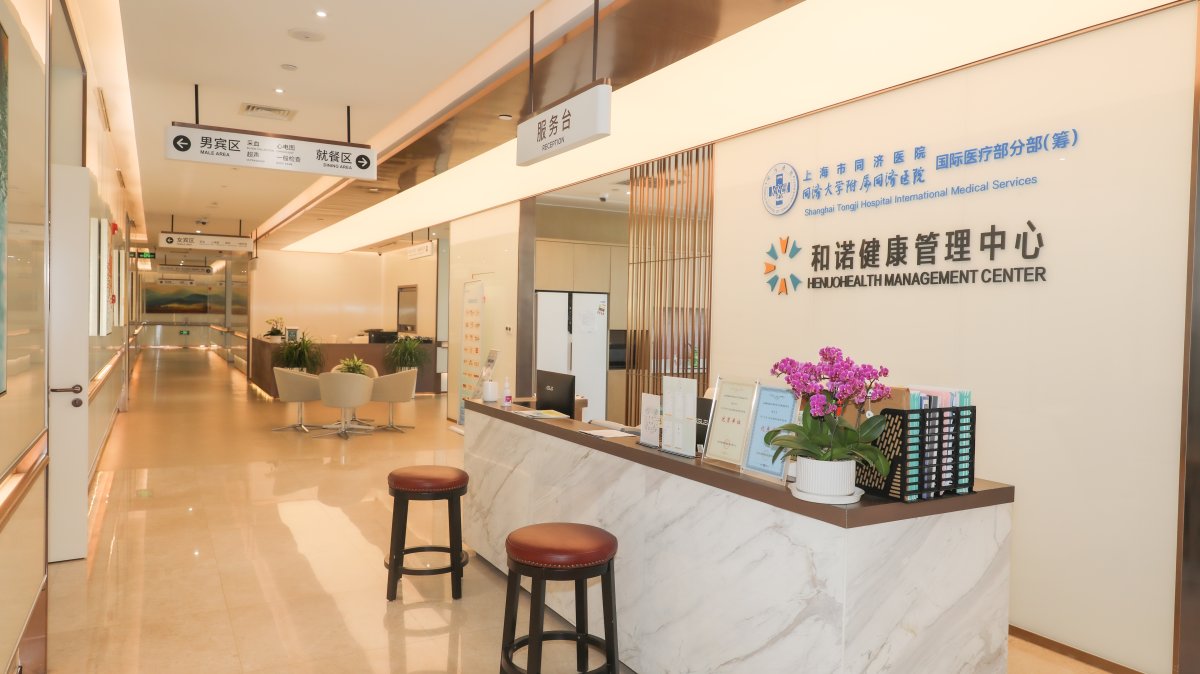
Centro de hematología y terapia celular Shanghai Tongji Hospital
China, Shanghái


Revisado médicamente por
Fahad Mawlood
El tratamiento de hematología oncológica en China suele costar desde $27,000 hasta $178,700. Los gastos finales dependen del estadio del cáncer, el uso de medicamentos nacionales frente a los importados y los protocolos específicos de terapia celular requeridos. Los pacientes a menudo encuentran ahorros del 50 al 85% en comparación con los Estados Unidos para tratamientos avanzados de cáncer de sangre.
Costos típicos de hematología oncológica en China
Los principales centros de hematología se concentran en Pekín, Shanghái y Cantón. Los costos en estas ciudades de primer nivel son generalmente más altos que en las instalaciones regionales debido a la tecnología avanzada. Debe consultar con un especialista para obtener precios precisos para su caso médico específico.
| China | España | Turquía | |
|---|---|---|---|
| Trasplante de médula ósea | de $266,000 | de $100,800 | de $30,000 |
| Trasplante alogénico de médula ósea de un donante no emparentado | ≈ $38,000 | de $170,000 | de $65,000 |
| Trasplante alogénico de médula ósea de un donante emparentado | ≈ $38,000 | de $154,000 | de $54,500 |
| Terapia biológica | ≈ $6,000 | ≈ $3,800 | ≈ $2,500 |
| Terapia CAR-T | de $200,000 | de $386,000 | de $200,000 |
Bookimed no añade cargos extra a los precios de los tratamientos de Oncohematología. Las tarifas proceden de las listas de precios oficiales de las clínicas. Pagará directamente en la clínica por su tratamiento a su llegada al país.
Bookimed está comprometido con su seguridad. Solo trabajamos con las clínicas que mantienen altos estándares internacionales en el tratamiento de Oncohematología y tienen las licencias necesarias para atender a pacientes internacionales en todo el mundo.
Bookimed ofrece asistencia experta gratuita. Un coordinador médico personal le apoya antes, durante y después del tratamiento, resolviendo cualquier problema. Nunca estará solo en su viaje médico de procedimientos de Oncohematología.

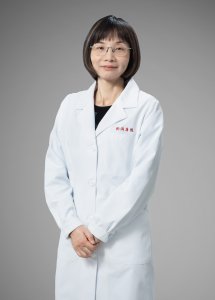
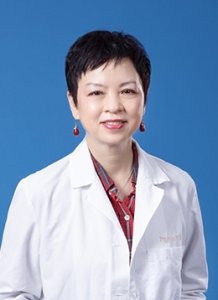
La Dra. Li Ping, M.D., Ph.D., es médica jefa y profesora del Departamento de Hematología del Hospital Tongji de Shanghái, Escuela de Medicina de la Universidad Tongji. Supervisa a doctorandos y estudiantes de maestría y es experta en neoplasias hematológicas.
Obtuvo el grado de Doctora en Ciencias Médicas por la Universidad de Nagoya y realizó investigación posdoctoral. Se especializa en el diagnóstico y tratamiento de cánceres de la sangre, con enfoque en neoplasias linfoides: leucemi

La Dra. Ding Yi es médica jefa asociada de Hematología en el Hospital Tongji de Shanghái. También es subdirectora en funciones del Departamento de Transfusión Sanguínea. Tiene una maestría en medicina por la Universidad Tongji. Es miembro del Comité de Jóvenes de la Sociedad de Hematología de Shanghái.
Es experta en el diagnóstico y tratamiento de la leucemia, el linfoma y el mieloma. Ofrece terapias con células madre hematopoyéticas y de sangre de cordón umbilical. Se especializa en l
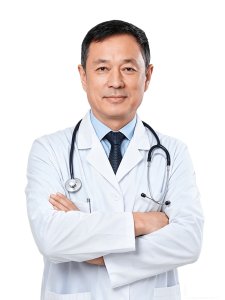
El profesor Xiao Yueyong es médico jefe del Departamento de Radiodiagnóstico del Hospital General del EPL de China. Es un experto líder en oncología intervencionista mínimamente invasiva. Es el primer presidente de WATA (2025–). Preside la Sociedad Internacional (2020–) y la Sociedad Asiática (2012–) de Crioterapia. También es subjefe del Grupo de Expertos de la NHC sobre regulaciones de ablación tumoral (2009–).
Ha realizado más de 100 000 procedimientos mínimamente invasivos guiados

Escrito por Вероника Казина

Escrito por Вероника Казина

Escrito por Halina Shubala

Escrito por Veronika Kazina

Escrito por Veronika Kazina
 Olena Sikoza
En China, la medicina tradicional china (MTC) se integra en la oncología mediante un sistema de dos etapas que combina la cirugía occidental o la quimioterapia con la fitoterapia. Este modelo interdisciplinario busca eliminar los tumores y, al mismo tiempo, fortalecer el sistema inmunitario. Entre el 64 % y el 80 % de los pacientes chinos con cáncer utilizan la MTC en su tratamiento.
Opinión de expertos de Bookimed: Si bien muchos consideran la medicina tradicional china (MTC) como una alternativa, los hospitales chinos de élite de categoría A/Nivel III, como Yanda International, la consideran un estándar clínico indispensable. Los datos demuestran que estos centros líderes utilizan la MTC para estabilizar más rápid
En China, los médicos evalúan la eficacia del tratamiento para enfermedades hematológicas y oncológicas mediante análisis de sangre, imágenes médicas y biopsias de médula ósea. Estas pruebas permiten monitorizar la reducción del tumor y la normalización de las células sanguíneas. Centros especializados, como el Hospital de Hematología Lu Daopei, utilizan grandes volúmenes de datos para supervisar la respuesta al tratamiento, prestando especial atención a la regeneración celular y a los marcadores genéticos.
Opinión de un experto de Bookimed: En China, los indicadores de calidad suelen estar relacionados con el tamaño y la especialización del hospital. El Hospital de Hematología Lu Daopei atiende a 200 000 pacientes al año en 30 departamen
Los pacientes extranjeros que buscan tratamiento oncológico en China generalmente necesitan una visa S1 o S2 (visa de Asuntos Privados). La visa S2 permite una estancia de hasta 180 días para cirugía. La visa S1 es para tratamientos más prolongados que superen los 180 días. Ambas visas requieren una invitación oficial de un hospital acreditado por el gobierno.
Opinión de expertos de Bookimed: Grandes centros médicos como el Hospital Internacional de Yanda y el Hospital Humanitario de Xiamen atienden a más de 1.000.000 de pacientes al año. Estas instituciones de categoría A3 cuentan con departamentos especializados para facilitar las solicitudes de visado. Este apoyo institucional es fundamental, ya que puede ayudar a convertir los visados de entrada inicial en permisos de residencia médica una vez que comience el tratamiento.
Opinión de los pacientes: Los pacientes señalan q
El nivel de atención en inglés en los centros de hematología y oncología chinos varía significativamente según el tipo de institución. Las instituciones líderes, como el Hospital Oncológico Fuda y el Hospital Internacional Yanda, cuentan con la acreditación JCI. Estos centros suelen tener departamentos internacionales especializados. El personal de estos departamentos suele hablar inglés para brindar atención a los más de 30 000 pacientes internacionales que reciben tratamiento anualmente.
Opinión experta de Bookimed: Grandes centros como el Hospital Internacional Janda atienden a más de 2.500.000 pacientes al año. Nuestros datos muestran que estas clínicas de "Clase A III" suelen contar con una infraestructura de traducción bien des
Los pacientes deben planificar una estancia en China de 3 a 10 semanas para recibir atención hematológica y oncológica. Los exámenes iniciales suelen durar de 3 a 7 días. Los tratamientos complejos, como la terapia CAR-T, requieren de 4 a 10 semanas para la modificación celular y el seguimiento posterior a la infusión.
Opinión de expertos de Bookimed: Grandes centros como el Hospital Internacional de Yanda y el Hospital Humanitario de Xiamen atienden a más de 1.000.000 de pacientes al año. Esta magnitud permite a las instituciones acreditadas por la JCI ofrecer miles de tecnologías de vanguardia y realizar ensayos clínicos de medicamentos que podrían no estar disponibles en otros lugares. Los pacientes deben confirmar su plan de tratamiento con ant
En los centros de hematología y oncología chinos, por lo general, se permite que los familiares acompañen al paciente. Las normas varían según el tipo de hospital y la categoría de la habitación. Los centros de renombre internacional, como el Hospital Oncológico Fuda, ofrecen mayor flexibilidad. Los departamentos especializados tienen normas más estrictas para proteger a los pacientes inmunodeprimidos. El horario de visitas suele ser de 8:00 a 20:00.
Opinión de los expertos de Bookimed: Los datos de grandes centros médicos, como el Hospital Internacional Janda, que atiende a 2.500.000 pacientes al año, muestran una preferencia por un enfoque integral del tratamiento. Los centros médicos acreditados por la JCI suelen ofrecer la mejor infraestructura para las familias. Si la presencia familiar es una prioridad, bu
Los pacientes pueden obtener segundas opiniones a distancia sobre afecciones hematológicas y oncológicas antes de viajar a China. Instituciones médicas de renombre como el Hospital Oncológico Fuda y el Hospital de Hematología Lu Daopei ofrecen estos servicios. Las consultas se realizan generalmente mediante plataformas de video seguras o informes escritos para confirmar diagnósticos y estrategias de tratamiento antes del viaje internacional.
Opinión de expertos de Bookimed: Las clínicas con un alto volumen de pacientes, como el Hospital Internacional Janda, que atiende a 2.500.000 pacientes al año, suelen contar con sus propios equipos de traductores. Estos servicios facilitan la superación de las barreras lingüísticas para los pacientes internacionales. Elegir un centro acreditado por la JCI, como el Hospital Oncológico Fuda, garantiza que su consulta remota cumpla con