Retinoblastoma Tratamiento en India — Costos 2026


Revisado médicamente por
Fahad Mawlood
¿Cuál es el precio del diagnóstico y los tratamientos de Retinoblastoma en India? Descubra ahora
| India | España | Turquía | |
|---|---|---|---|
| Radioterapia para el cáncer colorrectal | ≈ $4,500 | de $7,500 | de $5,000 |
| Quimioterapia para el cáncer de mama | ≈ $3,200 | de $1,700 | de $3,000 |
| Quimioterapia intraarterial | ≈ $4,500 | ≈ $9,500 | de $5,000 |
| Fotocoagulación | ≈ $250 | de $2,200 | de $400 |
| Extirpación de parte del tumor y nervio del ojo | ≈ $2,800 | ≈ $6,500 | ≈ $7,500 |
Sus beneficios y garantías con Bookimed
Precios directos
Bookimed no añade cargos extra a los precios de los tratamientos de Retinoblastoma. Las tarifas proceden de las listas de precios oficiales de las clínicas. Pagará directamente en la clínica por su tratamiento a su llegada al país.
Sólo clínicas y médicos verificados
Bookimed está comprometido con su seguridad. Solo trabajamos con las clínicas que mantienen altos estándares internacionales en el tratamiento de Retinoblastoma y cuentan con las licencias necesarias para atender a pacientes internacionales en todo el mundo.
Asistencia 24/7 gratuita
Bookimed ofrece asistencia experta gratuita. Un coordinador médico personal le apoya antes, durante y después de su tratamiento, resolviendo cualquier problema. Nunca estará solo en su viaje médico de tratamiento de Retinoblastoma.

Su coordinador médico personal de Bookimed
- Le apoya en cada etapa
- Ayuda a elegir la clínica y el médico adecuados
- Asegura un acceso rápido y conveniente a la información
Descubra las mejores clínicas de tratamiento de Retinoblastoma en India: 9 opciones verificadas y Precios











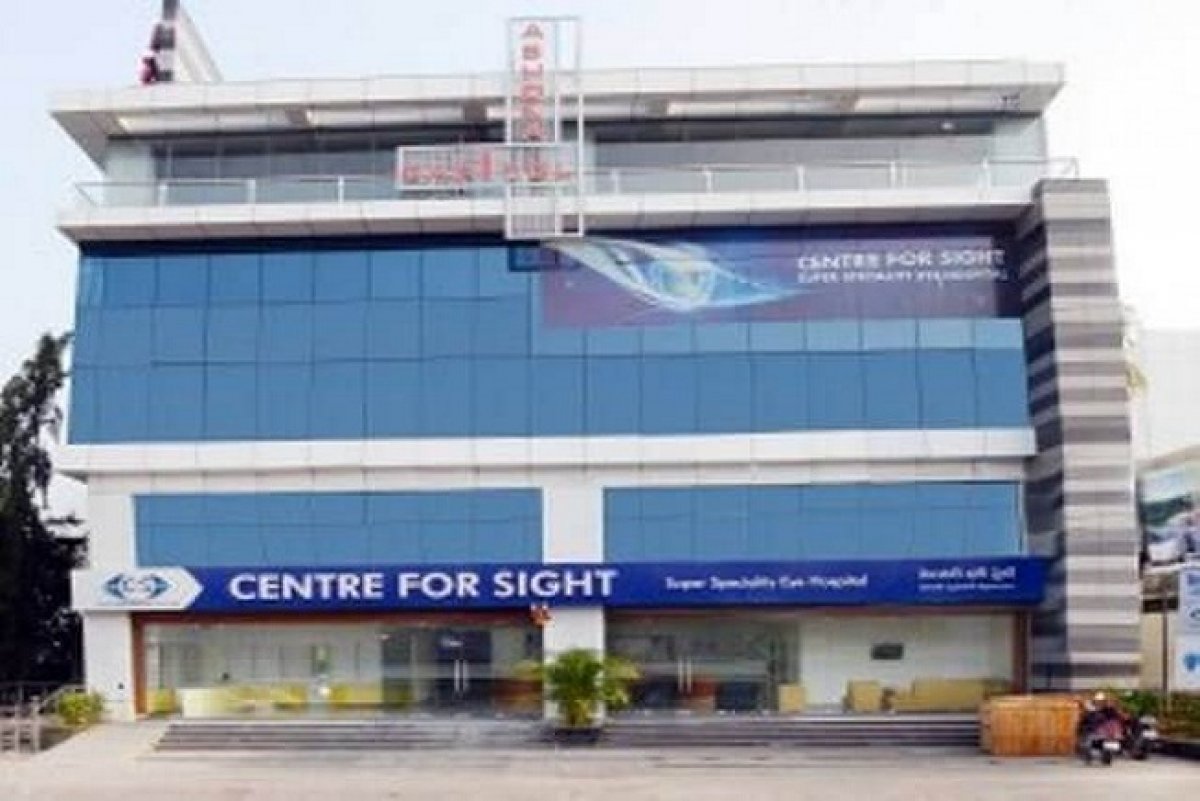
Centre For Sight
Compartir contenido
Historias en video de pacientes de Bookimed
 Olena Sikoza
Preguntas frecuentes sobre el tratamiento de Retinoblastoma en India
¿Cuáles son las primeras señales de advertencia del retinoblastoma que requieren atención médica inmediata?
La señal de advertencia más común del retinoblastoma es la leucocoria. Esto aparece como un brillo blanco o plateado en la pupila. A menudo es visible en fotografías con flash. Los padres también deben estar atentos al estrabismo. Esto ocurre cuando los ojos miran en diferentes direcciones.
- Reflejo pupilar blanco: Un reflejo plateado similar al ojo de un gato aparece a menudo en fotos o con luz tenue.
- Desalineación ocular: Un ojo puede desviarse hacia adentro o hacia afuera sin una causa clara.
- Cambios en la visión: Los niños pueden chocar con objetos o no lograr seguir objetivos en movimiento.
- Síntomas avanzados: El enrojecimiento ocular persistente, la hinchazón o un globo ocular visiblemente agrandado requieren atención inmediata.
Perspectiva del experto de Bookimed: Los centros oncológicos de la India, como Global Hospital y Apollo, atienden a más de 1.000.000 de pacientes al año. Estas instalaciones ofrecen tratamientos altamente especializados como la quimioterapia intraarterial. Esta técnica administra el medicamento directamente en el ojo. Ayuda a evitar efectos secundarios sistémicos y preserva la visión en muchos casos.
Consenso de los pacientes: Los padres advierten que un brillo blanco podría aparecer solo en ciertos ángulos. Instan a otros a no esperar si un ojo se ve ligeramente diferente o se desví
¿Qué opciones de tratamiento avanzado para el retinoblastoma están disponibles en la India?
La atención avanzada del retinoblastoma en la India ofrece tratamientos para salvar el globo ocular, como la quimioterapia intraarterial e intravítrea. Centros acreditados por la JCI, como el Apollo Hospital y los Artemis Hospitals, ofrecen estas terapias dirigidas. Estos métodos administran medicamentos directamente a los tumores. Esto salva más ojos que el tratamiento tradicional mientras preserva la visión.
- Quimioterapia dirigida: Los métodos intraarteriales e intravítreos administran medicamentos directamente en los vasos sanguíneos oculares.
- Consolidación focal: La fotocoagulación con láser y la crioterapia destruyen tumores pequeños sin cirugía invasiva.
- Técnicas de radiación: La braquiterapia con placa utiliza discos radiactivos para tratar focos tumorales resistentes localizados.
- Excelencia quirúrgica: La enucleación sigue siendo una opción definitiva y segura para casos muy avanzados de cáncer ocular.
Perspectiva de expertos de Bookimed: El volumen de pacientes es un indicador fiable de la experiencia médica en la India. Los Manipal Hospitals atienden a más de 2.000.000 de pacientes al año. El Apollo Hospital atiende a 1.000.000 de pacientes. Estos altos volúmenes a menudo conducen a mejores resultados en cánceres pediátricos raros. Las grandes redes también proporcionan equipos multidisciplinarios esenciales, incluyendo radiól
¿Cómo deciden los médicos si se puede salvar el ojo afectado?
Los oncólogos indios deciden sobre la salvación del ojo evaluando el tamaño, la ubicación y la propagación del tumor al nervio óptico. Los especialistas en centros acreditados por la JCI priorizan la supervivencia del paciente sobre la preservación del órgano si el control del cáncer es incierto. Utilizan quimioterapia intraarterial y braquiterapia con placa para reducir los tumores antes de reevaluar las necesidades quirúrgicas.
- Estadificación del tumor: Los médicos verifican si hay siembra vítrea extensa o propagación tumoral difusa.
- Nervio óptico: Cualquier signo de invasión cancerosa en el nervio a menudo requiere enucleación.
- Respuesta al tratamiento: Los centros de retinoblastoma monitorean cómo reaccionan los tumores a los ciclos iniciales de quimioterapia.
- Pronóstico visual: Los especialistas evalúan si es posible una visión funcional después de extirpar el tumor.
Perspectiva del experto de Bookimed: Aunque la India alberga enormes redes como Apollo y Manipal que atienden a millones de personas, el retinoblastoma requiere una experiencia especializada. Los datos muestran que los centros especializados como el HCG Manavata Cancer Centre o el Centre For Sight ofrecen una oncología ocular más específica que las clínicas multidisciplinarias generales. Los pacientes deben buscar instalaciones que incluyan específicamente la quimioter
¿Cuáles son las tasas de éxito del tratamiento del retinoblastoma en los principales hospitales de la India?
Los principales hospitales de la India logran tasas de supervivencia del 95% al 97,6% para el retinoblastoma en etapa temprana. El éxito depende de que el cáncer esté confinado al ojo. Los centros médicos de primer nivel se especializan en el salvamento del globo ocular y la preservación de la visión. Proporcionan tasas de curación de clase mundial a través de protocolos específicos.
- Supervivencia general: Los datos nacionales combinados muestran una supervivencia del 78,7% debido al diagnóstico tardío.
- Salvamento del globo ocular: Los casos en etapa temprana (Grupos A y B) tienen más del 90% de preservación ocular.
- Preservación de la visión: La mayoría de los niños conservan una visión funcional en el 85% de los casos intraoculares tempranos.
- Salvamento avanzado: La quimioterapia intraarterial salva los ojos en el 50% de los casos avanzados del Grupo D.
- Tumores agresivos: La quimioterapia intravítrea elimina las siembras vítreas en hasta el 69,2% de los desafíos.
Perspectiva del experto de Bookimed: Aunque la India es el quinto destino más solicitado a nivel mundial en Bookimed, su fortaleza en oncología radica en sus redes especializadas. Instalaciones como el Apollo Hospital Indraprastha y los Manipal Hospitals atienden a más de 1.000.000 de pacientes al año. Este volumen masivo permite a estos centros acred
¿Qué deben esperar los padres después de una cirugía de extirpación ocular (enucleación)?
Los padres deben esperar una recuperación física rápida para su hijo. La mayoría de los niños vuelven a jugar normalmente en pocos días. Los efectos inmediatos incluyen una hinchazón significativa de los párpados y hematomas. Se mantiene un vendaje compresivo durante 48 a 72 horas. Los niños suelen recibir una prótesis ocular personalizada después de seis semanas.
- Vendaje compresivo: Se mantiene en su lugar durante dos o tres días para controlar la hinchazón.
- Conformador: Un espaciador de plástico transparente mantiene la forma de la cavidad durante la cicatrización inicial.
- Medicamento tópico: Los padres aplican gotas o pomadas antibióticas para prevenir infecciones postquirúrgicas.
- Adaptación visual: Los niños pueden tener dificultades temporales con la percepción de profundidad, las escaleras y al verter líquidos.
Perspectiva de expertos de Bookimed: La India ofrece una alta concentración de centros oncológicos especializados como el Apollo Hospital Indraprastha y el HCG Manavata Cancer Centre. Estas instalaciones gestionan más de 75.000 pacientes al año. A menudo coordinan la cirugía con ocularistas para un ajuste protésico perfecto. Este volumen garantiza que los cirujanos sean altamente competentes en técnicas de enucleación pediátrica.
Consenso de los pacientes: Los padres señalan que la apariencia tras la
¿Es hereditario el retinoblastoma y deberían los hermanos o futuros hijos someterse a pruebas genéticas?
El retinoblastoma es hereditario en el 40% de los casos debido a mutaciones en el gen RB1. Los niños con tumores bilaterales casi siempre portan una mutación de la línea germinal. Los hermanos y futuros hijos requieren pruebas genéticas si se confirma una mutación RB1. La detección temprana mejora significativamente los resultados en la preservación de la visión.
- Pruebas genéticas: Analizar primero al niño afectado identifica la mutación RB1 específica.
- Riesgo para hermanos: Los hermanos deben someterse a pruebas hasta los 7 años si el resultado es positivo.
- Futuros hijos: La planificación prenatal y las pruebas de sangre del cordón umbilical ayudan a identificar riesgos al nacer.
- Vigilancia del cáncer: Los casos hereditarios requieren un seguimiento de por vida para detectar cánceres secundarios como sarcomas óseos.
Perspectiva del experto de Bookimed: Para las familias que buscan tratamiento en la India, grandes redes como el Apollo Hospital Indraprastha y los Manipal Hospitals ofrecen una gran experiencia con más de 1.000.000 de pacientes anuales. Estos centros combinan oncología pediátrica avanzada con apoyo multidisciplinario. Dado que la disponibilidad de pruebas genéticas varía, la coordinación a través de laboratorios institucionales en instalaciones acreditadas por la JCI garantiza protocolos de detección familiar más consisten