Centro médico Sourasky
Israel, Tel Aviv
Ronit El Hasid
38 años de experiencia

Clínica certificada por : 





Revisado médicamente por
Fahad Mawlood
| Israel | España | Turquía | |
|---|---|---|---|
| Radioterapia para el cáncer colorrectal | ≈ $14,000 | de $7,500 | de $5,000 |
| Quimioterapia para el cáncer de mama | ≈ $22,500 | de $1,700 | de $3,000 |
| Quimioterapia intraarterial | ≈ $14,000 | ≈ $9,500 | de $5,000 |
| Fotocoagulación | ≈ $900 | de $2,200 | de $400 |
| Extirpación de parte del tumor y nervio del ojo | ≈ $12,500 | ≈ $6,500 | ≈ $7,500 |
La Dra. Ronit El Hasid se especializa en trasplantes pediátricos de médula ósea y sangre de cordón umbilical, con más de 300 procedimientos realizados.
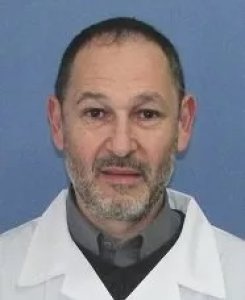
El Prof. Zvi Cohen es director del Departamento de Neurocirugía y de la Unidad de Neurooncología del Centro Médico Sheba. Neurocirujano y experto en neurooncología, fue incluido en la lista de los Mejores Médicos 2025 de Forbes Israel. Lidera investigación clínica sobre terapias farmacológicas para tumores cerebrales malignos y fundó el banco de tejidos de tumores cerebrales de Sheba.
Es especialista certificado en neurocirugía. Se formó en la Universidad de Tel Aviv y realizó subespec
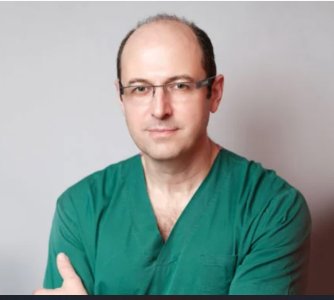
El Dr. Yuri Goldes es cirujano general con más de 20 años de experiencia clínica. Se especializa en cirugía gastrointestinal alta y oncológica. Es subdirector del Departamento de Cirugía General y Trasplante del Centro Médico Sheba en Tel Aviv y dirige la Unidad de Cirugía Gastrointestinal Alta. En 2025 fue incluido en la lista de los Mejores Médicos de Forbes Israel. Está entre los mejores cirujanos gastrointestinales de Israel según Forbes. En 2019 recibió el premio “Médico del Año” del Min

Dirige el Departamento de Oftalmología Pediátrica en el Centro Médico Sourasky, un importante hospital israelí.
 Olena Sikoza
Los centros oncológicos israelíes reportan tasas de supervivencia excepcionalmente altas para el retinoblastoma, que generalmente superan el 95 %. Los casos localizados alcanzan específicamente hasta un 98 % de supervivencia. Las instituciones líderes priorizan el salvamento del globo ocular y la preservación de la visión. Los protocolos avanzados de quimioterapia intraarterial ayudan a evitar la extirpación del ojo en el 70 % al 90 % de los pacientes.
Perspectiva del experto de Bookimed: Especialistas israelíes como el Dr. Gal Goldstein en el Centro Médico Hadassah se centran intensamente en la medicina de precisión y las pruebas genéticas de mutación RB1. Este enfoque es vital porque, incluso con una alta supervivencia, existe un riesgo de recurrencia del 20 % al 30 % en casos bilaterales avanzados si solo se utiliza terapia focal. Seleccionar un centro con investigación genética integrada ayud
Israel ofrece tratamientos avanzados para el retinoblastoma, incluyendo quimioterapia intraarterial y crioterapia. Centros especializados como el Sheba Medical Center y el Sourasky Medical Center ofrecen terapias focales precisas. Estos métodos priorizan la preservación del ojo y el salvamento de la visión utilizando protocolos oncológicos integrados. La mayoría de los hospitales líderes mantienen la acreditación JCI para la seguridad.
Perspectiva del experto de Bookimed: Los datos sugieren que las unidades pediátricas especializadas como las del Sourasky Medical Center reportan una tasa de éxito oncológico del 90%. Los pacientes que buscan salvar el ojo deben buscar centros con programas establecidos de quimioterapia intraarterial. Aunque 26 clínicas atienden solicitudes internacionales, solo aquellas con departamentos dedicados de oncohematología pediátrica proporcionan la experiencia mul
Los médicos en Israel crean planes de tratamiento personalizados integrando diagnósticos de precisión con un enfoque multidisciplinario. Los especialistas utilizan la secuenciación de ADN y técnicas de imagen avanzadas para identificar marcadores tumorales específicos. Estos datos permiten a los oncólogos seleccionar terapias dirigidas, como la quimioterapia intraarterial o la crioterapia, para preservar la visión y la salud.
Perspectiva de expertos de Bookimed: Los datos de los principales centros israelíes como Sourasky y Rambam muestran una alta demanda de especialistas pediátricos que poseen certificaciones internacionales. Por ejemplo, el Dr. Gal Goldstein en el Hadassah Medical Center se centra específicamente en el retinoblastoma y la medicina de precisión. Esta especialización es un in
Israel alberga varios centros reconocidos internacionalmente para el tratamiento del retinoblastoma. El Sheba Medical Center y el Sourasky Medical Center son líderes en tecnologías de preservación ocular. Estas instalaciones acreditadas por la JCI mantienen altas tasas de éxito. Las unidades pediátricas especializadas utilizan quimioterapia intraarterial y braquiterapia con placa avanzada para salvar la visión.
Opinión de expertos de Bookimed: Los datos muestran una alta concentración de experiencia en Tel Aviv y Ramat Gan. Tanto Sheba como Sourasky gestionan más de 1,8 millones de pacientes al año. Este volumen masivo permite a cirujanos como la Dra. Ronit El Hasid especializarse profundamente. Ella sola ha realizado más de 300 trasplantes para casos pediátricos complejos. Los centros de alto volumen a menudo brindan un mejor acceso a protocolos especializados de quimioterapia intraarterial.<
El tratamiento del retinoblastoma en Israel involucra a un equipo multidisciplinario liderado por oncólogos oculares pediátricos y hematólogos. Los especialistas coordinan terapias dirigidas como la quimioterapia con placa o la crioterapia dentro de instalaciones acreditadas por la JCI. Este enfoque integrado asegura la preservación de la visión mientras se gestiona la salud sistémica mediante pruebas genéticas e imágenes de precisión.
Perspectiva del experto de Bookimed: Los centros médicos israelíes a menudo asignan a un oncólogo pediátrico como coordinador principal del caso. Este rol es vital porque los tratamientos de retinoblastoma requieren frecuentemente exámenes bajo anestesia. Tener un médico líder sincronizado con el departamento de anestesiología evita retrasos en la programación y simplifica la comp
Las familias internacionales reciben asistencia administrativa con visas médicas y coordinación de tratamientos a través de departamentos internacionales dedicados. Los hospitales israelíes proporcionan cartas de invitación oficiales para facilitar el proceso de visa. Traductores profesionales y coordinadores de enfermería ayudan con las citas. Los centros multiespecializados ayudan a gestionar la logística para casos complejos, incluyendo imágenes de retina y quimioterapia.
Perspectiva del experto de Bookimed: Aunque los centros principales como el Sheba Medical Center y el Sourasky Medical Center atienden a más de 1 millón de pacientes al año, el apoyo logístico sigue siendo descentralizado. Las familias deben prepararse para una estancia autofinanciada de 1 a 3 meses. Las instituciones líderes a menudo integran la atención social en los programas de
Israel es un centro líder en neurocirugía gracias a su combinación de avances médicos de alta tecnología y una experiencia quirúrgica de primer nivel. Instalaciones avanzadas como el Centro Médico Sheba utilizan sistemas de navegación basados en IA y resonancia magnética intraoperatoria en tiempo real. Centros especializados reportan una tasa de éxito del 98% en procedimientos complejos, como la craneotomía con el paciente despierto y el tratamiento de trastornos del movimiento.
Opinión experta de Bookimed: Los datos muestran una clara diferencia entre las opciones de tratamiento públicas y privadas en Israel. Centros privados, como el Centro Médico Assuta, realizan más de 92.000 cirugías al año y permiten a los pacientes elegir a un cirujano líder específico. Esto supone una ventaja signi
Los neurocirujanos israelíes tratan una amplia gama de afecciones, desde tumores cerebrales y de médula espinal hasta trastornos funcionales complejos. Los centros especializados utilizan tecnologías de vanguardia, como el bisturí de rayos gamma, la estimulación cerebral profunda y la resonancia magnética intraoperatoria, para un diagnóstico altamente preciso de la epilepsia, la enfermedad de Parkinson y las patologías cerebrovasculares.
Opinión experta de Bookimed: Los hospitales israelíes suelen combinar diversas especialidades para abordar casos complejos. En el Centro Médico Sourasky, neurocirujanos como el Dr. Zvi Lidar combinan neurocirugía y ortopedi
Israel alberga centros neuroquirúrgicos de renombre mundial, como el Centro Médico Sourasky, el Centro Médico Sheba y el Centro Médico Hadassah. Estas instituciones son líderes mundiales en el tratamiento de tumores cerebrales complejos, enfermedades de la columna vertebral y trastornos del movimiento. Utilizan tecnologías de vanguardia como el bisturí de rayos gamma, sistemas robóticos y resonancia magnética intraoperatoria.
Opinión experta de Bookimed: Nuestros datos muestran que, si bien la mayoría de los pacientes buscan tratamiento en Tel Aviv, el Centro Médico Rambam en Haifa ofrece una atención única para neurotraumatismos. Cuenta con una unidad especializada en cuidados neurocríticos que atiende a aproximadamente un milló
Entre los neurocirujanos israelíes más destacados se encuentran los profesores Zvi Ram, Shlomi Constantini e Itzhak Fried, del Centro Médico Sourasky. Estos especialistas ocupan puestos de liderazgo en la Asociación Europea de Sociedades de Neurocirugía (EANS) y la Sociedad Mundial de Neurocirugía Estereotáctica y Funcional (WSSFN). Utilizan técnicas avanzadas de mapeo intraoperatorio y sistemas robóticos.
Opinión de los expertos de Bookimed: Los datos de Sourasky y Sheba indican una fuerte correlación entre un alto volumen quirúrgico y la seguridad del paciente. Por ejemplo, Sourasky realiza más de 34.000 cirugías oncológicas al año con una tasa de éxito del 90 %. Los pacientes que requieren la extirpación de un tumor complejo deberían priorizar centros como estos, donde los cirujanos realizan cientos de procedimientos especializados al año.