Urolitiasis en India: las 21 mejores clínicas para su tratamiento


Revisado médicamente por
Fahad Mawlood
¿Cuál es el precio del diagnóstico y los tratamientos de Urolitiasis en India? Descubra ahora
Urolithiasis treatment cost in India typically depends on the stone size and location, with primary interventions like laser lithotripsy ranging from $1,900 to $3,000 and flexible ureterorenoscopy running from $2,600 to $3,900. Expenses are influenced by the choice between private or government facilities and the specific surgical technique used. Patients often save approximately 60-80% compared to US prices. Delhi, Mumbai, and Bengaluru are the leading cities for these urological procedures.
Typical Urolithiasis Treatment Costs in India
- Laser lithotripsy: $1,900 – $3,000
- Flexible ureterorenoscopy (URS): $2,600 – $3,900
- Urethroscopic lithotripsy: $1,500 – $2,400
- Transthoracic flexible URS with laparoscopic pyelolitotomy: Precio a consultar
Bookimed Expert Insight: Patients with complex or recurrent stones should prioritize centers with advanced technology. Apollo Hospital Indraprastha utilizes da Vinci robotic surgery and 64-slice PET-CT for precise management. For those seeking long-term prevention, Dr. Ankit Gupta at SilverStreak Multispecialty Hospital offers a specialized six-month follow-up protocol. International patients benefit from Global Hospital Mumbai, where costs are 30–50% lower than in Europe.
| India | España | Turquía | |
|---|---|---|---|
| Ureterorrenoscopia flexible (URS) | ≈ $2,600 | ≈ $4,300 | de $3,800 |
| Stent ureteral | de $1,000 | de $6,700 | de $1,100 |
| Litotricia uretroscópica | ≈ $1,500 | ≈ $2,900 | de $4,900 |
| Litotricia láser | ≈ $1,900 | ≈ $3,600 | ≈ $1,500 |
Sus beneficios y garantías con Bookimed
Precios directos
Bookimed no añade cargos extra a los precios de los tratamientos de Urolitiasis. Las tarifas proceden de las listas de precios oficiales de las clínicas. Pagará directamente en la clínica por su tratamiento a su llegada al país.
Sólo clínicas y médicos verificados
Bookimed está comprometido con su seguridad. Solo trabajamos con las clínicas que mantienen altos estándares internacionales en el tratamiento de Urolitiasis y cuentan con las licencias necesarias para atender a pacientes internacionales en todo el mundo.
Asistencia 24/7 gratuita
Bookimed ofrece asistencia experta gratuita. Un coordinador médico personal le apoya antes, durante y después de su tratamiento, resolviendo cualquier problema. Nunca estará solo en su viaje médico de tratamiento de Urolitiasis.

Su coordinador médico personal de Bookimed
- Le apoya en cada etapa
- Ayuda a elegir la clínica y el médico adecuados
- Asegura un acceso rápido y conveniente a la información
Descubra las mejores clínicas de tratamiento de Urolitiasis en India: 21 opciones verificadas y Precios







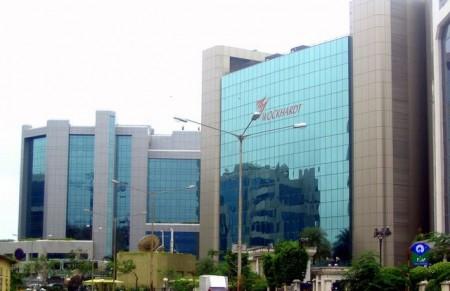
Wockhardt Hospital







Dr. Rela Institute & Medical Centre
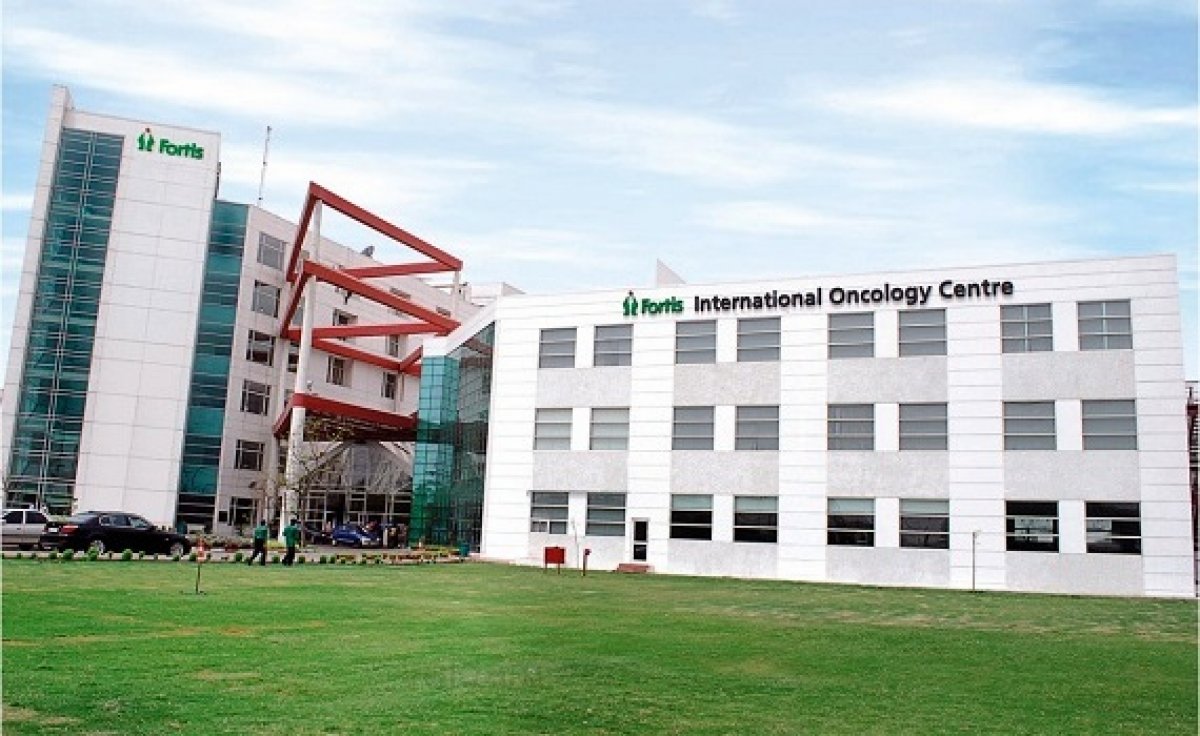
Hospital Fortis
Obtenga una evaluación médica para Urolitiasis en India: consulte con doctores experimentados ahora
Ver todos los médicos
Abhishekh Shah
Satej Sabnis
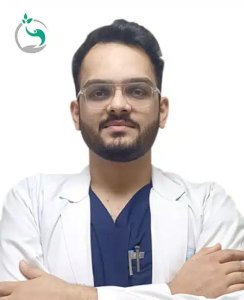
Ankit Gupta
El Dr. Ankit Gupta es urólogo en SilverStreak Multispecialty Hospital, en Gurgaon. Tiene un título MCh en Urología, la máxima titulación quirúrgica de la India. El Dr. Gupta trata cálculos renales, afecciones de la vejiga y problemas de próstata en un centro acreditado por la JCI.
- Trata la urolitiasis y los trastornos urinarios masculinos.
- Desarrolló un protocolo de seguimiento de seis meses para prevenir la recurrencia de los cálculos renales.
- Realiza evaluaciones
Compartir contenido
Historias en video de pacientes de Bookimed
 Olena Sikoza
Preguntas frecuentes sobre el tratamiento de Urolitiasis en India
¿Cuáles son las principales opciones quirúrgicas para los cálculos renales en la India?
Las principales opciones quirúrgicas en la India incluyen técnicas mínimamente invasivas como la nefrolitotomía percutánea (NLP) y la cirugía intrarrenal retrógrada (RIRS). Los cirujanos utilizan litotricia láser u ondas de choque para fragmentar los cálculos. Los centros acreditados por la JCI en Delhi y Mumbai ofrecen opciones avanzadas para cálculos coraliformes complejos.
- NLP (Cirugía laparoscópica): Preferida para cálculos de más de 2 centímetros o casos de cálculos coraliformes.
- RIRS (Láser avanzado): Utiliza endoscopios flexibles para la fragmentación precisa de cálculos renales complejos.
- URS (Ureteroscopia): Efectiva para cálculos que viajan a través del uréter utilizando endoscopios semirrígidos.
- ESWL (Litotricia extracorpórea): Las ondas sonoras no invasivas rompen los cálculos pequeños sin necesidad de incisiones quirúrgicas.
Perspectiva del experto de Bookimed: Si bien muchos se centran en los tipos de procedimientos, la escala de las redes indias es una señal de calidad única. Manipal Hospitals atiende a 2.000.000 de pacientes al año y el Global Hospital Mumbai fue pionero en trasplantes combinados de riñón e hígado. Este alto volumen en más de 15 hospitales de la red garantiza que los cirujanos mantengan una competencia técnica extrema en casos urológicos complejos.
Consenso de los pacientes: Los p
¿Qué hospitales acreditados son preferidos para el tratamiento de la urolitiasis en la India?
Los hospitales acreditados en la India para la urolitiasis incluyen instalaciones certificadas por la Joint Commission International (JCI) y el NABH. El Apollo Hospital Indraprastha y los Artemis Hospitals son líderes en Gurgaon y Delhi. Medanta y Manipal Hospitals también son preferidos para el manejo de cálculos de alto volumen. Estos centros ofrecen litotricia láser y cirugía robótica.
- Certificaciones de primer nivel: Instalaciones como Artemis y Apollo cuentan con acreditaciones JCI y NABH.
- Procedimientos avanzados: Los centros realizan litotricia láser y cirugía intrarrenal retrógrada para los cálculos.
- Alto volumen de pacientes: Manipal Hospitals atiende a más de 2,000,000 de pacientes anualmente en toda su red.
- Tecnología especializada: Medanta utiliza cirugía asistida por robot y protocolos de alta en 24 horas para los pacientes.
Perspectiva del experto de Bookimed: Las redes médicas de alto volumen en la India ofrecen ventajas claras para casos complejos de cálculos. Apollo Hospital opera la red médica más grande del sur de Asia. Esta escala permite que clínicas como Apollo y Manipal mantengan laboratorios de diagnóstico especializados. Estos laboratorios internos a menudo detectan problemas metabólicos subyacentes, como el hiperparatiroidismo, más rápido que los centros más pequeños.
Consenso de los pacientes:
¿Qué factores clínicos determinan la elección entre ESWL, RIRS, URS y PCNL?
Los urólogos determinan el tratamiento basándose en el tamaño, la densidad y la ubicación anatómica del cálculo. Los centros indios utilizan la litotricia extracorpórea por ondas de choque (ESWL) para cálculos pequeños de menos de 20 mm. La cirugía intrarrenal retrógrada (RIRS) y la ureteroscopia (URS) tratan cálculos medianos o duros. La nefrolitotomía percutánea (PCNL) es el estándar para cálculos grandes o coraliformes.
- Diámetro del cálculo: Los cálculos que superan los 20 mm generalmente se someten a una nefrolitotomía percutánea para su eliminación en una sola sesión.
- Densidad del cálculo: Se requiere litotricia láser si las unidades Hounsfield superan las 1000 en la tomografía computarizada.
- Ubicación del cálculo: Los cálculos en el polo inferior del riñón favorecen la cirugía intrarrenal retrógrada debido a la gravedad.
- Factores del paciente: Los pacientes obesos o aquellos con riesgos de sangrado a menudo se someten a una cirugía intrarrenal retrógrada.
Perspectiva del experto de Bookimed: Centros indios avanzados como el Aster CMI Hospital y el Global Hospital Mumbai priorizan la cirugía robótica y la impresión 3D para casos complejos de urolitiasis. Si bien la litotricia extracorpórea por ondas de choque es la opción más asequible, elegir un procedimiento láser de sesión única en centros de alto volumen como el Apollo Hospital
¿Cuánto dura la estancia hospitalaria típica y el periodo de recuperación?
El tratamiento de la urolitiasis en la India suele requerir una estancia hospitalaria de 1 a 3 días. Los procedimientos mínimos como la litotricia láser a menudo permiten el alta al día siguiente. La mayoría de los pacientes retoman el trabajo de oficina en un plazo de 10 días. La recuperación completa en casos complejos ocurre en un plazo de 2 a 4 semanas con una hidratación adecuada.
- Estancia mínimamente invasiva: Procedimientos como la RIRS requieren solo 1 noche de hospitalización.
- Recuperación de cálculos grandes: La nefrolitotomía percutánea (NLP) implica de 2 a 3 días de hospitalización.
- Actividad física: Los pacientes deben evitar levantar objetos pesados durante 3 semanas después de la cirugía.
- Cronología de cálculos coraliformes: Los casos complejos pueden requerir hasta 5 días de hospitalización.
Perspectiva del experto de Bookimed: Los centros indios de gran volumen como Manipal Hospitals y Apollo Hospital Indraprastha priorizan la movilización rápida. Estas instalaciones gestionan más de 1.000.000 de pacientes al año. Su amplia experiencia con técnicas robóticas y láser a menudo reduce las estancias hospitalarias en comparación con los métodos tradicionales. Los pacientes se benefician de protocolos estandarizados que favorecen el alta temprana sin comprometer la seguridad.
Consenso de los pacientes:
¿Existen opciones conservadoras no quirúrgicas para piedras pequeñas?
Las opciones no quirúrgicas son el tratamiento principal para los cálculos renales pequeños de menos de 5 mm en la India. El manejo conservador incluye terapia de hidratación y terapia médica expulsiva utilizando alfabloqueantes. Para cálculos de entre 5 mm y 20 mm, la litotricia por ondas de choque no invasiva sigue siendo una alternativa ambulatoria altamente eficaz.
- Protocolo de hidratación: Los pacientes deben beber de 2 a 3 litros de agua al día.
- Terapia médica: Los alfabloqueantes como la tamsulosina relajan los músculos del uréter para facilitar el paso del cálculo.
- Litotricia extracorpórea: Las ondas de choque acústicas rompen los cálculos en fragmentos sin necesidad de incisiones quirúrgicas.
- Periodo de seguimiento: La espera vigilante suele durar de 4 a 6 semanas mediante imágenes seriadas.
Perspectiva del experto de Bookimed: Las redes médicas indias como Manipal Hospitals y Apollo tratan a más de 1.000.000 de pacientes al año. Este alto volumen permite a los médicos predecir con precisión cuándo un cálculo pequeño requiere intervención. Muchos centros acreditados por la JCI en Delhi y Gurgaon priorizan el manejo médico porque sigue los estándares globales. El éxito a menudo depende de la ubicación dentro del tracto urinario más que solo del tamaño.
Consenso de los pacientes: Los pacientes señalan que
¿Qué componentes ocultos o adicionales deben aclararse en el paquete de tratamiento?
Los paquetes de tratamiento para la urolitiasis en la India suelen cubrir la cirugía principal y una estancia hospitalaria corta. Debe aclarar si los costos de los stents ureterales, las tomografías computarizadas de seguimiento y el alquiler de fibras láser están incluidos. Estos componentes a menudo generan cargos por separado más allá del presupuesto médico inicial.
- Gestión de stents: Confirme si la inserción del stent y los procedimientos de extracción por separado están incluidos en el paquete.
- Diagnóstico por imagen: Verifique si se incluyen las exploraciones postoperatorias para asegurar la eliminación de los cálculos.
- Tarifas de equipo: Pregunte si el alquiler de endoscopios de fibra óptica para procedimientos RIRS conlleva costos adicionales.
- Costos de medicamentos: Asegúrese de que el suministro de antibióticos para varias semanas después del alta esté incluido en el precio.
Perspectiva del experto de Bookimed: Las principales redes indias como Manipal Hospitals y Apollo Hospitals atienden a más de 1.000.000 de pacientes al año. Su gran escala significa que las tarifas administrativas suelen estar estandarizadas. Sin embargo, los pacientes deben confirmar si los procedimientos especializados como la cirugía robótica disponible en Aster CMI tienen un precio base o son complementos. Verifique siempre si la factura total refleja
¿Qué ciudades ofrecen la atención más completa para la urolitiasis a pacientes internacionales?
Estambul, Bangkok y Nueva Delhi ofrecen la atención más completa para la urolitiasis a pacientes internacionales. Estos centros combinan altos volúmenes quirúrgicos con tecnología láser avanzada. Los centros líderes cuentan con la acreditación de la Joint Commission International. Ofrecen clínicas especializadas en cálculos y asistencia dedicada para viajeros extranjeros. La mayoría de los procedimientos permiten el alta en 24 horas.
- Experiencia de alto volumen: Los especialistas en Estambul a menudo realizan más de 900 procedimientos de cálculos al año individualmente.
- Acceso clínico rápido: Los centros acreditados por la JCI en Bangkok programan frecuentemente cirugías láser en un plazo de 24 horas.
- Tecnología avanzada: Las instalaciones de Delhi utilizan ureterorrenoscopia regular y flexible para el manejo de cálculos complejos.
- Técnicas especializadas: Los centros españoles en Barcelona realizan cirugía percutánea que permite una rápida recuperación del paciente.
Perspectiva del experto de Bookimed: Aunque muchos se centran en las grandes capitales, ciudades como Gurgaon y Bengaluru ofrecen un valor excepcional. Manipal Hospitals atiende a más de 2.000.000 de pacientes al año en toda su red. El Artemis Hospital en Gurgaon es reconocido por Newsweek entre los mejores del mundo. Estos centros ofrecen la misma atención con estándar JCI