Centro Médico Teknon
España, Barcelona
Jose Emilio Batista Miranda
41 años de experiencia

Clínica certificada por : 





Revisado médicamente por
Fahad Mawlood
El coste del tratamiento de la urolitiasis en España suele incluir diagnósticos esenciales como una consulta con un urólogo desde $250 hasta $270. Las intervenciones quirúrgicas primarias, como la litotricia láser, oscilan entre $3,600 y $5,400. Los gastos totales dependen del tamaño del cálculo, la complejidad del procedimiento y la ubicación de la clínica. Los pacientes pueden esperar un ahorro del 40-70% en comparación con los Estados Unidos. Los principales centros médicos incluyen Madrid, Barcelona y Marbella.
Costes típicos del tratamiento de la urolitiasis en España
Perspectiva de los expertos de Bookimed: Los pacientes que buscan atención especializada deben considerar centros con unidades dedicadas a la litiasis. El Dr. Carlos Torrecilla Ortiz, del Hospital HM Nou Delfos, fue pionero en la litotricia en Cataluña. Para casos complejos, centros acreditados por la JCI como el Centro Médico Teknon ofrecen equipos quirúrgicos de élite y tecnologías avanzadas. Los pacientes internacionales suelen elegir el hospital HM Sanchinarro de Madrid por su gran volumen de casos y su personal de habla inglesa.
| España | Turquía | México | |
|---|---|---|---|
| Ureterorrenoscopia flexible (URS) | ≈ $4,300 | de $3,800 | ≈ $3,200 |
| Stent ureteral | de $6,700 | de $1,100 | ≈ $1,800 |
| Litotricia uretroscópica | ≈ $2,900 | de $7,500 | ≈ $2,300 |
| Litotricia láser | ≈ $3,600 | ≈ $1,500 | ≈ $2,600 |


El Dr. Batista fue pionero en tratamientos láser de próstata en Barcelona y ha realizado más de 1.100 procedimientos urológicos en el Centro Médico Teknon.

El Dr. Torremade se especializa en atención urológica avanzada como Jefe de Andrología en el Centro Médico Teknon, una institución líder en Barcelona.

El doctor es un urólogo y uro-oncólogo altamente distinguido, especializado en tratamientos quirúrgicos complejos para el cáncer de próstata, riñón y vejiga. Con una amplia experiencia en cirugía robótica y laparoscópica, el doctor ha sido fundamental en el avance de las técnicas urológicas mínimamente invasivas, incluida la implementación del sistema robótico Da Vinci. Actualmente, el doctor dirige el Departamento de Urología en el Centro Médico Teknon y es Jefe del Departamento de Urología

Jefe de Urología en Quirónsalud Marbella – especializado en cirugías avanzadas de riñón y vías urinarias.
 Olena Sikoza
La litotricia extracorpórea por ondas de choque (LEOC) está ampliamente disponible en España en centros acreditados por la JCI en Madrid y Barcelona. El procedimiento es seguro para cálculos de menos de 2 cm, con una tasa de éxito del 90 % en la resolución de cálculos del tracto urinario. Urólogos especialistas realizan este tratamiento no invasivo utilizando tecnologías avanzadas de ondas de choque.
Perspectiva del experto de Bookimed: Los urólogos profesionales en España, como el Dr. Carlos Torrecilla Ortiz, a menudo lideran los coordinadores nacionales de litiasis. Nuestros datos muestran que los especialistas españoles de primer nivel suelen poseer más de 35 años de experiencia. Esta profunda experiencia es vital para casos complejos de cálculos. Centros como el Centro Médico Teknon ofrecen asistencia de enfermería las 24 horas, lo cual es crítico si los cálculos no se fragmentan por completo.
Consens
Los urólogos españoles deben completar un grado en medicina de seis años y aprobar el examen MIR. Luego completan una residencia de cinco años en urología. Los cirujanos a menudo poseen la certificación de Fellow of the European Board of Urology. Especialistas destacados como el Dr. Carlos Torrecilla Ortiz coordinan la formación nacional en litiasis.
Perspectiva del experto de Bookimed: Los datos de Bookimed muestran que los urólogos españoles mejor valorados, como el Dr. Jose Emilio Batista Miranda, a menudo poseen doctorados y fellowships internacionales. Si bien la residencia estándar proporciona una formación básica, los especialistas de primer nivel en centros acreditados por la JCI como el Centro Médico Teknon suelen actuar como coordinadores nacionales de litiasis. Este nivel de liderazgo suele correlacionarse con un alto volumen de pacientes y una exp
La mayoría de los pacientes pasan de 1 a 2 días en España para una ureteroscopia. Los paquetes de procedimientos suelen incluir una sola noche de hospitalización. Aunque las actividades ligeras se reanudan en 48 horas, quédese al menos 7 días si un stent temporal requiere extracción clínica antes de su vuelo de regreso.
Perspectiva del experto de Bookimed: Los centros españoles como el Centro Médico Teknon ofrecen vías altamente eficientes. Nuestros datos muestran que los paquetes de alrededor de $9,900 a menudo incluyen honorarios del cirujano y diagnósticos. El Dr. Jose Emilio Batista Miranda ofrece más de 25 años de experiencia para una recuperación rápida. Elegir un centro acreditado por la JCI garantiza protocolos estandarizados de infección postoperatoria.
Consenso de los pacientes: Los pacientes señalan que la recuperación es rápida, a menudo saliendo de la
La nefrolitotomía percutánea mini-invasiva (mini-PCNL) en España trata eficazmente los cálculos renales grandes y complejos. Los cirujanos reportan tasas de éxito de entre el 80% y el 96% para cálculos de más de 2 cm. Los casos complejos de cálculos coraliformes logran tasas de eliminación de hasta el 87%. Los centros españoles utilizan accesos de 14 a 20 French para minimizar el sangrado.
Perspectiva del experto de Bookimed: Las unidades de urología españolas como el Hospital HM Nou Delfos ofrecen unidades especializadas en litiasis dirigidas por coordinadores de la Asociación Española de Urología. El Dr. Carlos Torrecilla Ortiz en HM Nou Delfos fue pionero en la introducción de la litotricia avanzada en Cataluña. Este alto nivel de especialización en centros privados de Barcelona a menudo resulta en el acceso a técnicas híbridas. Estas combinan la litotricia láser con la mi
Tanto la nefrolitotomía percutánea como la cirugía laparoscópica de cálculos resultan en una cicatrización mínima debido a su naturaleza microinvasiva. Las incisiones percutáneas suelen tener 1 cm de largo. Los procedimientos laparoscópicos utilizan de 3 a 4 puertos que van de 0,5 cm a 1,5 cm. Estas marcas generalmente se desvanecen y se aplanan en cuestión de meses.
Perspectiva del experto de Bookimed: Los centros de urología españoles como el Hospital HM Nou Delfos a menudo utilizan litotricia por ondas de choque o ureterorrenoscopia para los cálculos. Estos métodos no requieren incisiones en la piel. Los pacientes que buscan cero cicatrices deben preguntar si el tamaño de su cálculo permite estos enfoques totalmente internos. Nuestros datos muestran que el Dr. Carlos Torrecilla Ortiz en Nou Delfos se especializa en estas alternativas no invasivas.
Consenso de los pacientes: Los pacientes señalan que
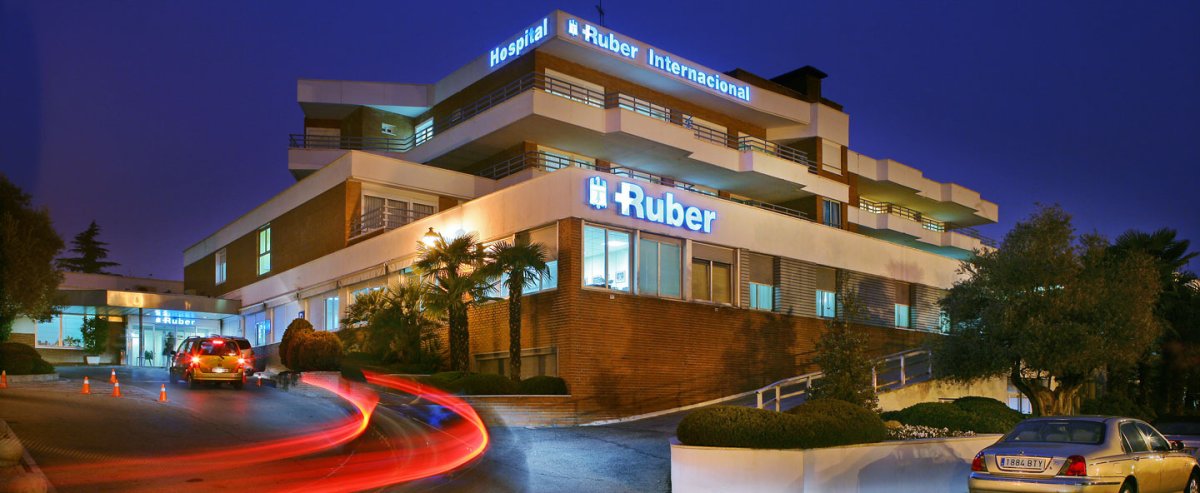
Barcelona y Madrid albergan los programas de cálculos renales con mayor volumen de España para pacientes internacionales. El Centro Médico Teknon y el Hospital Quirónsalud de Barcelona manejan más de 1.800 casos urológicos combinados al año. HM Sanchinarro y Ruber Internacional en Madrid son centros principales. Estos centros utilizan protocolos acreditados por la JCI y litotricia láser avanzada para la eliminación de cálculos.
Perspectiva del experto de Bookimed: Los datos sugieren que Barcelona es la elección estratégica para el tratamiento de cálculos renales debido a su concentración de especialistas con gran volumen de casos. Si bien los centros de Madrid como Ruber Internacional ofrecen más de 40 años de experiencia, el Centro Médico Teknon de Barcelona ofrece un paquete único de litotricia láser con todo incluido por 9.900 $. Este paquete incluye 1 noche de hospital y es