Urolitiasis Tratamiento en Corea del Sur — Costos 2026


Revisado médicamente por
Fahad Mawlood
¿Cuál es el precio del diagnóstico y los tratamientos de Urolitiasis en Corea del Sur? Descubra ahora
El costo del tratamiento de la urolitiasis en la República de Corea depende generalmente del tamaño del cálculo y del enfoque quirúrgico elegido, con precios para una consulta con un urólogo que oscilan entre $50 y $65. Los tratamientos primarios como la litotricia por ondas de choque o la cirugía láser endoscópica generalmente van desde los $5,000 hasta los $15,000. Los gastos generales están influenciados por el nivel de la clínica y la duración de la estancia, ofreciendo ahorros del 30-50% en comparación con los EE. UU. Los principales centros de tratamiento se encuentran en Seúl e Incheon.
Costos típicos del tratamiento de la urolitiasis en la República de Corea
- Consulta con un urólogo: $50 – $65
- Hemograma completo: de $30
- Análisis de sangre extendido: de $200
- ECG: de $30
Perspectiva del experto de Bookimed: Los pacientes con cálculos complejos o recurrentes deben priorizar centros de alto volumen como el Asan Medical Center. Gestiona más de 60,000 operaciones al año con capacidades robóticas avanzadas. Para aquellos que buscan atención especializada, el Dr. Lee Chun Yong en el Na-Eun Hospital es un experto reconocido en litotricia extracorpórea por ondas de choque. Las instalaciones digitales como el Seoul National University Bundang Hospital (SNUBH) utilizan sistemas integrados para minimizar los errores médicos durante el tratamiento.
| Corea del Sur | España | Turquía | |
|---|---|---|---|
| Ureterorrenoscopia flexible (URS) | ≈ $4,200 | ≈ $4,300 | de $3,800 |
| Stent ureteral | ≈ $1,800 | de $6,300 | de $1,200 |
| Litotricia uretroscópica | ≈ $2,300 | de $10,700 | de $7,500 |
| Litotricia láser | de $6,000 | ≈ $3,600 | ≈ $1,500 |
Sus beneficios y garantías con Bookimed
Precios directos
Bookimed no añade cargos extra a los precios de los tratamientos de Urolitiasis. Las tarifas proceden de las listas de precios oficiales de las clínicas. Pagará directamente en la clínica por su tratamiento a su llegada al país.
Sólo clínicas y médicos verificados
Bookimed está comprometido con su seguridad. Solo trabajamos con las clínicas que mantienen altos estándares internacionales en el tratamiento de Urolitiasis y cuentan con las licencias necesarias para atender a pacientes internacionales en todo el mundo.
Asistencia 24/7 gratuita
Bookimed ofrece asistencia experta gratuita. Un coordinador médico personal le apoya antes, durante y después de su tratamiento, resolviendo cualquier problema. Nunca estará solo en su viaje médico de tratamiento de Urolitiasis.

Su coordinador médico personal de Bookimed
- Le apoya en cada etapa
- Ayuda a elegir la clínica y el médico adecuados
- Asegura un acceso rápido y conveniente a la información
Descubra las mejores clínicas de tratamiento de Urolitiasis en Corea del Sur: 10 opciones verificadas y Precios
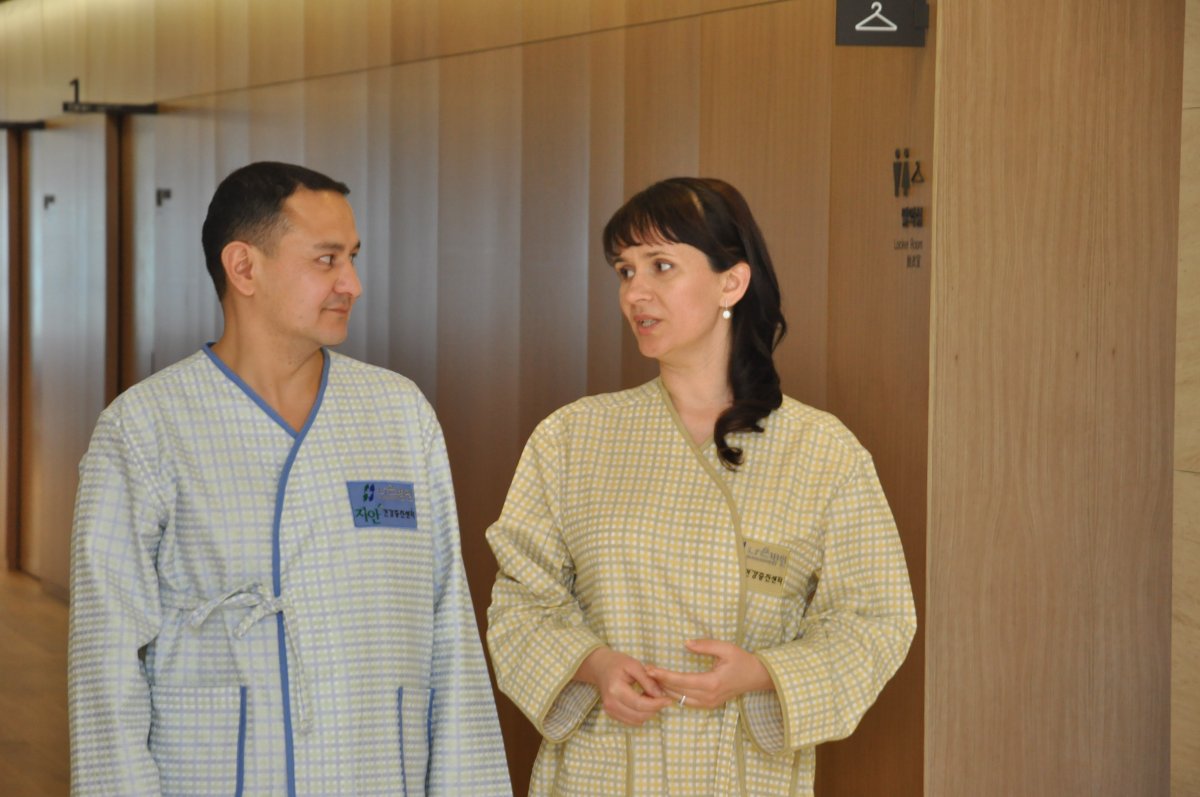












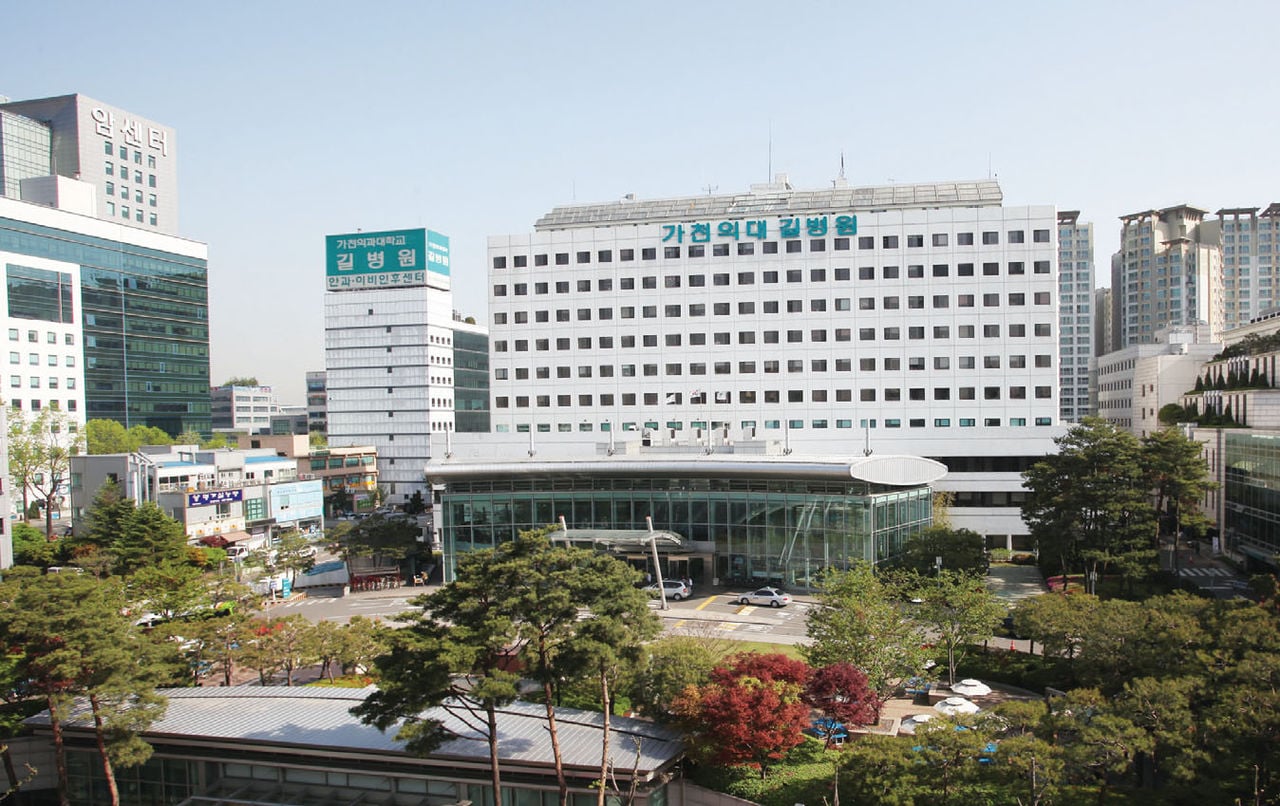




Hospital de mujeres MizMedi (MizMedi Women`s hospital)

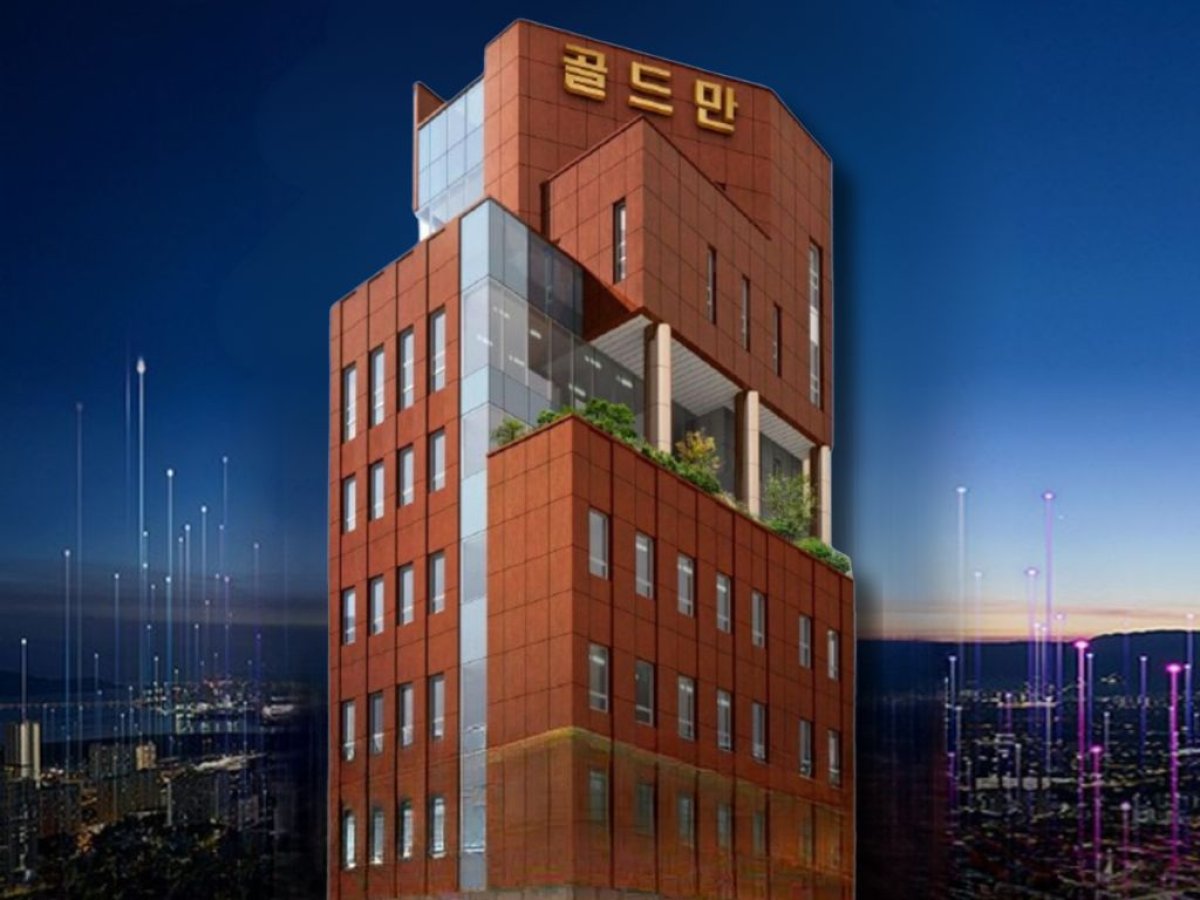
Goldman Urology Clinic Gangnam Branch
Obtenga una evaluación médica para Urolitiasis en Corea del Sur: consulte con doctores experimentados ahora
Ver todos los médicos
Sohn Dong-wan
El Dr. Son Dong-wan está especializado en oncología urológica, incontinencia urinaria y disfunción sexual. Realiza cirugía prostática con láser. Ofrece tratamiento robótico y laparoscópico para cáncer de próstata, vejiga, uréter y riñón. También trata la obstrucción de la unión pieloureteral.
Su práctica mínimamente invasiva incluye nefrectomía y prostatectomía laparoscópicas. Realiza resección transuretral de tumor vesical y resección transuretral de próstata por cistoscopia. Ofrece u
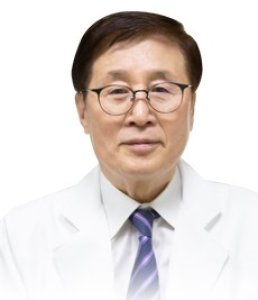
Lee Chunyong
El Dr. Lee Chunyong es urólogo y doctor en Medicina por la Facultad de Medicina de la Universidad de Hanyang. Su enfoque clínico incluye cálculos renales y urinarios (LEOC), enfermedades prostáticas (HPB, cáncer de próstata, prostatitis), disfunción sexual, vasectomía, cistitis, incontinencia urinaria y trastornos miccionales.
Ha sido director del Hospital de la Universidad de Hanyang. Fue jefe del Departamento de Urología y profesor titular de la Facultad de Medicina de la Universidad
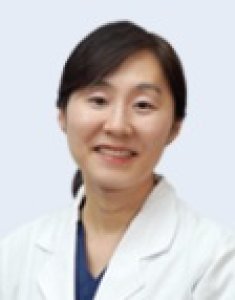
Jang Hyunkyung
Dra. Jang Hyun Kyung es uróloga especialista certificada. Completó la residencia y una beca clínica en el Gachon University Gil Medical Center. Posteriormente se desempeñó como profesora asistente clínica de Urología en el Korea University Ansan Hospital y en el International St. Mary’s Hospital.
Sus intereses clínicos incluyen la hiperplasia prostática benigna, la urolitiasis, la incontinencia urinaria y la disfunción miccional, así como las infecciones del tracto urinario. También se

Dong Hyeon Lee
Con un fuerte enfoque académico, el Dr. Dong Hyeon Lee ha completado una amplia formación en las principales instituciones médicas de Corea del Sur.
- Obtuvo un Doctorado (Ph.D.) en la Facultad de Medicina de la Universidad Sungkyunkwan
- Completó un título de Medicina (M.D.) en la prestigiosa Facultad de Medicina de la Universidad Yonsei
- Es un investigador publicado con múltiples artículos médicos
- Es miembro de sociedades médicas relevantes
- Trabaja en el reconocido Centro Médico de la Universidad Femenina Ewha
Compartir contenido
Historias en video de pacientes de Bookimed
 Olena Sikoza
Preguntas frecuentes sobre el tratamiento de Urolitiasis en Corea del Sur
¿Cuáles son las principales opciones de tratamiento disponibles en Corea?
Corea del Sur ofrece tratamientos avanzados para la urolitiasis, incluyendo la litotricia extracorpórea por ondas de choque (LEOC) y la litotricia láser. Centros especializados realizan procedimientos mínimamente invasivos de uretroscopia y ureterorrenoscopia flexible (URS). Estos enfoques garantizan altas tasas de éxito y una recuperación rápida para pacientes con cálculos renales o ureterales.
- Litotricia láser: Utiliza láseres de holmio para fragmentar cálculos durante procedimientos endoscópicos o flexibles.
- Cirugía mínimamente invasiva: Incluye mini-PCNL y PCNL en decúbito supino para tratar cálculos renales más grandes.
- Diagnóstico avanzado: La ubicación precisa del cálculo se confirma mediante tomografías computarizadas especializadas y urodinamia.
- Infraestructura digital: Hospitales como el Seoul National University Bundang utilizan BESTcare para prevenir errores médicos.
Perspectiva del experto de Bookimed: Las instituciones a gran escala de Corea, como el Hospital Bundang de la Universidad Nacional de Seúl, tratan a más de 1.500.000 pacientes al año. Este volumen masivo garantiza que los equipos quirúrgicos mantengan la máxima competencia en la eliminación compleja de cálculos. Muchos centros también ofrecen programas especializados para mujeres, como el Centro Médico de la Universidad Femenina Ewha.
Consenso de
¿Cuánto tiempo debo permanecer en Corea del Sur para recibir tratamiento?
Para el tratamiento de la urolitiasis en Corea del Sur, los pacientes internacionales deben planificar una estancia de 7 a 10 días. Este plazo cubre las consultas iniciales, los procedimientos de eliminación de cálculos como la litotricia y el seguimiento postoperatorio. Los casos complejos que involucran cálculos grandes o cirugía percutánea pueden requerir hasta 14 días para la recuperación.
- Cronograma de consultas: Exámenes físicos completos y tomografías computarizadas el día 1 o 2.
- Ventana del procedimiento: Las cirugías generalmente ocurren el día 2 o 3 del viaje.
- Período de observación: Planifique de 1 a 2 días de observación hospitalaria inicial después del procedimiento.
- Margen de recuperación: Permanezca cerca de la clínica durante 4 a 7 días antes de volar.
Perspectiva de expertos de Bookimed: Si bien los centros principales como el Asan Medical Center tratan a más de 11,000 pacientes ambulatorios diariamente, mantienen una alta velocidad de alta. Esta eficiencia significa que los pacientes internacionales deben realizar un seguimiento proactivo de su cronograma de extracción de stents. Los mejores especialistas como el Dr. Lee Chun Yong, quien ocupa cargos de liderazgo en la Sociedad Coreana de Endourología, enfatizan que el manejo oportuno de los stents previene complicaciones de viaje comunes como las infecciones del tract
¿Qué hospitales se recomiendan para pacientes internacionales?
Corea del Sur ofrece hospitales de alto rendimiento para el tratamiento de la urolitiasis. Los centros mejor valorados en Seúl e Incheon utilizan litotricia láser y ureterorrenoscopia flexible. Estas instalaciones cuentan con la acreditación de la Joint Commission International (JCI). Ofrecen atención especializada para pacientes internacionales con tecnología médica avanzada.
- Asan Medical Center: El centro multidisciplinario más grande trata a más de 180.000 pacientes al año.
- SNU Bundang Hospital: Utiliza el sistema digital BESTcare para maximizar la seguridad del tratamiento.
- Tecnologías de tratamiento: Los centros ofrecen litotricia extracorpórea por ondas de choque y litotricia láser uretroscópica.
- Estado de acreditación: Las instalaciones poseen prestigiosos rankings de Newsweek World's Best Hospitals y acreditaciones JCI.
Opinión de expertos de Bookimed: Si bien el Asan Medical Center realiza más de 65.000 operaciones al año, los pacientes deben tener en cuenta la infraestructura digital del Seoul National University Bundang Hospital. Fue el primer hospital digital del país. Este sistema mejora significativamente la precisión durante procedimientos complejos como la ureterorrenoscopia flexible para cálculos renales.
Consenso de los pacientes: Los pacientes valoran la eficiencia de los equipos de coordinació
¿Qué medidas se toman para prevenir la recurrencia de los cálculos?
Detener la recurrencia de cálculos en Corea del Sur implica planes dietéticos especializados y manejo médico. El éxito depende de un análisis preciso del cálculo y de la recolección de orina de 24 horas. Los expertos utilizan estos resultados para normalizar los niveles de minerales. Los pasos clave incluyen una alta ingesta de líquidos y medicamentos específicos como el citrato de potasio para inhibir la formación de cristales.
- Objetivos de hidratación: Beba líquidos para producir de 2 a 2,5 litros de orina al día.
- Análisis de cálculos: Pruebas de laboratorio que identifican la composición química para adaptar las estrategias de prevención a largo plazo.
- Terapia con medicamentos: Uso de diuréticos tiazídicos o alopurinol para equilibrar los niveles de calcio y ácido úrico.
- Ajustes dietéticos: Reducción de sodio y proteínas animales mientras se mantiene una ingesta saludable de calcio a través de los alimentos.
Perspectiva del experto de Bookimed: La infraestructura digital de Corea permite a clínicas como el Hospital Bundang de la Universidad Nacional de Seúl realizar un seguimiento preciso de los patrones metabólicos. Su sistema BESTcare ayuda a prevenir errores en el manejo crónico. Los pacientes proactivos utilizan el alcance diagnóstico de alta tecnología del país. Programar ecografías cada 6 meses en centros importantes ayuda a de