Tratamiento de Leucemia linfoblástica aguda en Israel — obtenga 3 coincidencias personalizadas de clínicas


Revisado médicamente por
Fahad Mawlood
Cómo funciona
¿Cuál es el precio del diagnóstico y los tratamientos de Leucemia linfoblástica aguda en Israel? Descubra ahora
El costo total del tratamiento de leucemia linfoblástica aguda en Israel varía según el plan de tratamiento. Una consulta remota inicial tiene un precio de 760 €, mientras que la quimioterapia según el protocolo BFM es aproximadamente 47,500 €. Para casos avanzados, el tratamiento que involucra fludarabina, citosina y nelarabina, junto con un posible trasplante de un miembro de la familia, donante no relacionado o un donante consistente, se estima en 95,000 €. El programa de tratamiento se determina después de una evaluación personalizada por el médico tratante.
| Israel | España | Turquía | |
|---|---|---|---|
| Trasplante de médula ósea | de $204,500 | de $100,800 | de $30,000 |
| Trasplante autólogo de médula ósea | de $74,500 | ≈ $48,000 | de $25,000 |
| Trasplante alogénico de médula ósea de un donante no emparentado | de $155,000 | de $170,000 | de $65,000 |
| Trasplante alogénico de médula ósea de un donante emparentado | ≈ $95,000 | de $130,000 | de $55,000 |
| Quimioterapia para el cáncer de mama | ≈ $22,500 | de $1,700 | de $3,000 |
Descubra las mejores clínicas de tratamiento de Leucemia linfoblástica aguda en Israel: 7 opciones verificadas y Precios
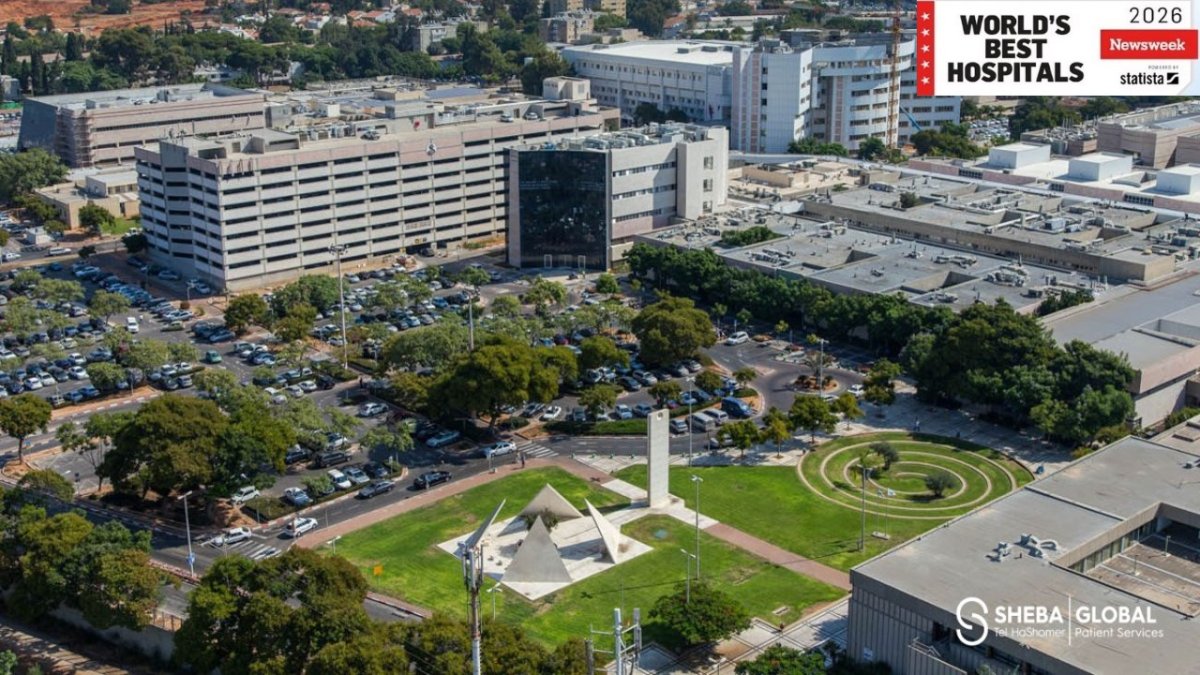











Herzliya Medical Center

Shaare Zedek Medical Center
Obtenga una evaluación médica de tratamiento de Leucemia linfoblástica aguda en Israel: haga una consulta con 21 médicos experimentados ahora
Ver todos los médicos
Arnon Nagler Md
El Dr. Arnon Nagler es hematólogo en el Centro Médico Sheba en Israel. Es profesor en la Universidad de Tel Aviv y un reconocido experto en trasplantes. El Dr. Nagler fundó el primer banco público de sangre de cordón umbilical de Israel. También realizó los primeros trasplantes de sangre de cordón umbilical en el país. Completó su formación posdoctoral en la Universidad de Stanford y está certificado por el consejo en hematología.
- Pionero en protocolos de trasplante alogénico de in

Ram Ron
El Dr. Ram Ron trabaja en uno de los hospitales universitarios públicos más grandes y destacados de Israel, el Centro Médico Sourasky (Ichilov), conocido por su atención al paciente de alto nivel e innovación médica.
- Acceso a tratamientos y tecnologías avanzadas en un hospital universitario de primer nivel
- Parte de un equipo integral y multidisciplinario de hematología-oncología
- Beneficios de un centro dedicado tanto a la atención al paciente como a la investigación
- Trabaja en un hospital acreditado por la Joint Commission International

Ron Ram
El Dr. Ron Ram ha realizado varios cientos de trasplantes de células madre, un procedimiento clave para la leucemia linfoblástica aguda, como hematólogo-oncólogo certificado.
- Certificación tanto en hematología como en oncología médica
- Formación durante una especialización (fellowship) en Hematología y Oncología en el New York Medical College
- Publicación de más de 30 artículos científicos sobre afecciones hematológicas
- Autor de un capítulo en un libro de texto médico

Ronit El Hasid
La Dra. Ronit El Hasid ha realizado más de 300 trasplantes de médula ósea y sangre de cordón umbilical en niños en el Hospital Infantil Dana Dwek.
- Jefa del Departamento de Oncohematología y Oncología Pediátrica
- Más de 50 publicaciones y 40 informes de conferencias
- Miembro de la Asociación Americana de Hematología
- Formada en el Hospital City of Hope de Los Ángeles
Compartir contenido
Historias en video de pacientes de Bookimed
 Olena Sikoza
Preguntas frecuentes sobre el tratamiento de Leucemia linfoblástica aguda en Israel
¿Cuál es el protocolo de tratamiento estándar para la leucemia linfoblástica aguda en adultos o niños en los centros israelíes?
Los centros oncológicos israelíes siguen protocolos basados en evidencia utilizando regímenes de Berlín-Fráncfort-Münster (BFM). El tratamiento se centra en la quimioterapia estratificada por riesgo en las fases de inducción y consolidación. Los protocolos para niños y adultos jóvenes priorizan agentes no mielosupresores. La atención avanzada incluye terapia de células CAR-T y trasplantes de células madre alogénicas para casos de alto riesgo.
- Fases de tratamiento: Los médicos utilizan quimioterapia con múltiples agentes, profilaxis del SNC y mantenimiento a largo plazo.
- Terapia dirigida: Los clínicos utilizan inhibidores de la tirosina quinasa para subtipos genéticos positivos para el cromosoma Filadelfia.
- Inmunoterapia: Los equipos médicos emplean Blinatumomab o terapia de células CAR-T para casos refractarios.
- Estratificación de riesgo: Los niveles de intensidad dependen de la Enfermedad Residual Mínima (ERM) y marcadores moleculares.
- Trasplante de células madre: Los especialistas reservan los trasplantes alogénicos para pacientes que requieren una respuesta molecular profunda.
Perspectiva del experto de Bookimed: Los centros israelíes utilizan un régimen inspirado en la pediatría para adultos de hasta 45 años. Este enfoque mejora significativamente las tasas de supervivencia en comparación con la quimioterap
¿Qué tan segura es la quimioterapia para la LLA en Israel y qué complicaciones se vigilan?
La quimioterapia para la leucemia linfoblástica aguda (LLA) en Israel es altamente segura. Los hospitales siguen protocolos oncológicos estadounidenses y europeos. Los centros acreditados por la JCI utilizan verificación electrónica para la dosificación de medicamentos. Equipos multidisciplinarios monitorean a los pacientes las 24 horas del día, los 7 días de la semana. Esto garantiza una respuesta inmediata a cualquier efecto secundario del tratamiento. Las bombas de infusión avanzadas garantizan una administración precisa para regímenes complejos.
- Estándares de seguridad: Los equipos siguen los protocolos clínicos internacionales de ASCO y ESMO.
- Monitoreo hematológico: Los médicos vigilan la anemia y los recuentos bajos de glóbulos blancos.
- Protección de órganos: Los especialistas monitorean la función renal durante la administración de metotrexato en dosis altas.
- Manejo de síndromes: Los equipos identifican el síndrome de lisis tumoral de forma temprana para prevenir complicaciones.
- Administración avanzada: Las clínicas utilizan la tecnología Infusomat Space para una dosificación precisa de los medicamentos.
Perspectiva del experto de Bookimed: Los centros oncológicos israelíes como Rambam y Sheba priorizan las alternativas biológicas para pacientes sensibles. Los equipos médicos a menudo cambian a blinatumo
¿Quién se considera elegible para las opciones de CAR-T, trasplante o terapia dirigida en Israel?
La elegibilidad para CAR-T y terapias avanzadas contra la leucemia en Israel depende del perfil molecular y la aptitud física. El CAR-T está reservado para casos recidivantes o refractarios después de 2 tratamientos previos. Los pacientes en buen estado físico de hasta 75 años califican para trasplantes. Los medicamentos dirigidos requieren marcadores genéticos específicos como el cromosoma Filadelfia.
- Estado de la condición: El CAR-T requiere marcadores de cáncer de células B recidivante o refractario (R/R) (CD19/BCMA).
- Aptitud física: Los pacientes necesitan un estado ECOG sólido (0–2) y una función cardíaca mínima del 45 %.
- Límites de edad: Los trasplantes alogénicos son posibles para pacientes en buen estado físico hasta los 75 años.
- Marcadores moleculares: La elegibilidad para la terapia dirigida depende de las pruebas NGS para mutaciones BCR-ABL1 o FLT3.
Perspectiva del experto de Bookimed: Los centros oncológicos israelíes a menudo brindan un acceso más rápido a las terapias CAR-T a través de la fabricación local. Hospitales como el Centro Médico Sheba procesan las células internamente en lugar de enviarlas al extranjero. Este protocolo reduce el tiempo de espera para pacientes con leucemia agresiva en etapa avanzada.
Consenso de los pacientes: Los pacientes enfatizan que tener un cuidador dedicado es obli
¿Podré recibir mi ciclo completo de quimioterapia o trasplante de forma ambulatoria, y cuánto tiempo debo permanecer en Israel?
Los centros oncológicos israelíes ofrecen quimioterapia estándar como atención ambulatoria. Los trasplantes de médula ósea requieren una estancia hospitalaria inicial de 21 a 30 días para aislamiento. La mayoría de los pacientes permanecen en Israel de 2 a 6 meses, dependiendo de sus protocolos de tratamiento específicos y la velocidad de recuperación.
- Quimioterapia ambulatoria: Las sesiones duran desde 30 minutos hasta varias horas en clínicas de día.
- Aislamiento para trasplante: Las estancias hospitalarias de 3 a 4 semanas sirven para controlar los recuentos sanguíneos bajos.
- Periodo de seguimiento: El seguimiento ambulatorio tras el trasplante requiere visitas diarias a la clínica durante varias semanas.
- Duración total: Los protocolos completos de quimioterapia de varios ciclos suelen durar de 3 a 6 meses.
Perspectiva del experto de Bookimed: Hospitales israelíes como el Sourasky Medical Center y Hadassah ofrecen hoteles ambulatorios especializados en las cercanías. Estas instalaciones sirven de puente entre las salas de hospital y los alquileres privados. Esto ayuda a los pacientes a permanecer cerca de los médicos mientras reducen los costes totales de una estancia de 3 meses.
Consenso de los pacientes: Los pacientes señalan que alojarse cerca de la clínica es vital para los análisis de sangre diarios. Mucho
¿Tienen los hospitales israelíes experiencia con pacientes internacionales pediátricos o adultos con LLA y coordina el personal de habla inglesa la atención?
Los centros de hematología israelíes gestionan un gran volumen de casos internacionales pediátricos y adultos cada año. Los departamentos especializados proporcionan coordinadores de habla inglesa para una comunicación fluida. Estos equipos se encargan de los registros médicos y la logística. Clínicas como Sheba y Hadassah mantienen tasas de supervivencia del 85% al 90% para los cánceres de sangre infantiles.
- Departamentos especializados: Divisiones internacionales dedicadas gestionan cada paso del viaje médico.
- Dominio del idioma: La mayoría de los hematólogos y enfermeros israelíes mantienen un alto nivel de fluidez en inglés.
- Experiencia pediátrica: Los centros utilizan protocolos internacionales avanzados para el tratamiento de la leucemia infantil.
- Terapias avanzadas: Las instalaciones ofrecen terapia de células CAR-T interna y trasplantes de médula ósea complejos.
Opinión del experto de Bookimed: Los hospitales israelíes destacan en el manejo de recaídas complejas en adultos. Esto es evidente a través de sus centros internos de procesamiento celular. Hadassah y Sheba no subcontratan la fabricación de células CAR-T. Esto ahorra un tiempo crítico para los pacientes con leucemia agresiva. Dichos centros gestionan habitualmente pacientes cuyo tratamiento estándar falló en otros lugares.
Consenso de los pacientes:
Si no hay un donante compatible disponible, ¿se ofrece un trasplante haploidéntico y cuáles son las tasas de éxito para la LLA?
Los centros de hematología israelíes ofrecen trasplantes haploidénticos cuando no hay donantes totalmente compatibles disponibles. Estos procedimientos de compatibilidad parcial utilizan a un padre, hijo o hermano como donante. Las tasas de éxito para la leucemia linfoblástica aguda (LLA) son ahora comparables a las de los trasplantes de donantes no emparentados compatibles. Los protocolos modernos garantizan una alta accesibilidad para todos los pacientes.
- Supervivencia global: Las tasas de supervivencia a un año alcanzan aproximadamente el 74 % para los pacientes con LLA.
- Supervivencia libre de leucemia: Los datos recientes sugieren una tasa de supervivencia libre de leucemia a un año del 67 %.
- Estado de remisión: Los pacientes en primera remisión completa logran los mejores resultados a largo plazo.
- Prevención de la enfermedad de injerto contra huésped: La ciclofosfamida postrasplante reduce eficazmente las complicaciones graves relacionadas con el sistema inmunitario.
Perspectiva de expertos de Bookimed: Los centros oncológicos israelíes demuestran una gran experiencia en el manejo de casos complejos de compatibilidad parcial. Por ejemplo, el Centro Médico Sourasky realiza más de 60 trasplantes de médula ósea al año. Los mejores especialistas allí a menudo enfatizan la edad del donante. Los donantes más jóvenes generalmente conducen
¿Cómo se manejan la prevención y el tratamiento de la leucemia del SNC en Israel?
Los protocolos israelíes gestionan la leucemia del SNC mediante una prevención agresiva y una terapia adaptada al riesgo. Los especialistas utilizan quimioterapia intratecal y medicamentos sistémicos de alta dosis para cruzar la barrera hematoencefálica. Las opciones avanzadas incluyen la terapia de células CAR-T y trasplantes de médula ósea integrales en centros acreditados por la JCI como Sourasky y Sheba.
- Profilaxis del SNC: Los médicos inyectan metotrexato o citarabina directamente en el canal espinal.
- Terapia sistémica: Los regímenes intravenosos de alta dosis alcanzan las células cancerosas ocultas en los tejidos nerviosos centrales.
- Inmunoterapia celular: La terapia de células CAR-T se dirige a la leucemia refractaria que resiste los protocolos de quimioterapia estándar.
- Protocolos pediátricos: Los regímenes intensivos de Berlín-Frankfurt-Münster (BFM) priorizan la supervivencia a largo plazo y la protección cerebral.
Perspectiva del experto de Bookimed: Los centros oncológicos israelíes como el Sheba Medical Center priorizan protocolos inspirados en la pediatría para adultos jóvenes. Este enfoque produce tasas de supervivencia más altas al utilizar una profilaxis del SNC más agresiva. Estos centros gestionan un gran volumen de casos y ofrecen paquetes de diagnóstico de 14 días para confirmar la estadificación rápidamente. Esta v
¿Por qué Israel es uno de los principales destinos para la neurocirugía?
Israel es un centro líder en neurocirugía gracias a su combinación de avances médicos de alta tecnología y una experiencia quirúrgica de primer nivel. Instalaciones avanzadas como el Centro Médico Sheba utilizan sistemas de navegación basados en IA y resonancia magnética intraoperatoria en tiempo real. Centros especializados reportan una tasa de éxito del 98% en procedimientos complejos, como la craneotomía con el paciente despierto y el tratamiento de trastornos del movimiento.
- Tecnología avanzada: Las clínicas utilizan ultrasonido enfocado guiado por resonancia magnética (MRgFUS) y sistemas robóticos para realizar incisiones.
- Experiencia quirúrgica: Cirujanos como el Dr. Zvi Ram lideran asociaciones internacionales con más de 25 años de experiencia.
- Acceso rápido: Los pacientes internacionales generalmente pueden programar cirugías complejas de cerebro o columna en un plazo de 2 a 4 semanas.
- Atención médica acreditada: Grandes centros como Sourasky (Ichilov) y Assuta están acreditados por la JCI, lo que confirma su seguridad.
Opinión experta de Bookimed: Los datos muestran una clara diferencia entre las opciones de tratamiento públicas y privadas en Israel. Centros privados, como el Centro Médico Assuta, realizan más de 92.000 cirugías al año y permiten a los pacientes elegir a un cirujano líder específico. Esto supone una ventaja signi
¿Qué tipos de enfermedades neuroquirúrgicas se tratan en Israel?
Los neurocirujanos israelíes tratan una amplia gama de afecciones, desde tumores cerebrales y de médula espinal hasta trastornos funcionales complejos. Los centros especializados utilizan tecnologías de vanguardia, como el bisturí de rayos gamma, la estimulación cerebral profunda y la resonancia magnética intraoperatoria, para un diagnóstico altamente preciso de la epilepsia, la enfermedad de Parkinson y las patologías cerebrovasculares.
- Enfermedades oncológicas: tratamiento de gliomas, meningiomas y tumores hipofisarios mediante resección de la base del cráneo.
- Trastornos funcionales: tratamiento de la enfermedad de Parkinson y del temblor esencial mediante estimulación cerebral profunda.
- Patologías de columna: corrección de escoliosis, hernias discales y tumores espinales mediante sistemas robóticos.
- Tratamiento de las enfermedades cerebrovasculares: tratamiento quirúrgico de aneurismas cerebrales y malformaciones arteriovenosas mediante intervenciones endovasculares.
- Neurocirugía pediátrica: atención especializada en hidrocefalia y anomalías congénitas en centros pediátricos especializados.
Opinión experta de Bookimed: Los hospitales israelíes suelen combinar diversas especialidades para abordar casos complejos. En el Centro Médico Sourasky, neurocirujanos como el Dr. Zvi Lidar combinan neurocirugía y ortopedi
¿Qué hospitales en Israel son más conocidos por sus departamentos de neurocirugía?
Israel alberga centros neuroquirúrgicos de renombre mundial, como el Centro Médico Sourasky, el Centro Médico Sheba y el Centro Médico Hadassah. Estas instituciones son líderes mundiales en el tratamiento de tumores cerebrales complejos, enfermedades de la columna vertebral y trastornos del movimiento. Utilizan tecnologías de vanguardia como el bisturí de rayos gamma, sistemas robóticos y resonancia magnética intraoperatoria.
- Suraski (Ichilov): realiza más de 2.500 operaciones neuroquirúrgicas al año en Tel Aviv con una tasa de éxito del 98%.
- Centro Médico Sheba: clasificado entre los diez mejores hospitales del mundo, trata a 1,9 millones de pacientes al año.
- Centro Médico Hadassah: Nominado al Premio Nobel de la Paz. Líder en neurocirugía pediátrica y terapia génica.
- Centro Médico Assuta: el centro médico privado más grande de Israel. Especializado en cirugías mínimamente invasivas de columna y cerebro.
- Hospital Infantil Schneider: un centro líder en neurocirugía pediátrica que trata a 275.000 niños al año.
Opinión experta de Bookimed: Nuestros datos muestran que, si bien la mayoría de los pacientes buscan tratamiento en Tel Aviv, el Centro Médico Rambam en Haifa ofrece una atención única para neurotraumatismos. Cuenta con una unidad especializada en cuidados neurocríticos que atiende a aproximadamente un milló