Leucemia linfoblástica aguda Tratamiento en Austria — Costos 2026


Revisado médicamente por
Fahad Mawlood
¿Cuál es el precio del diagnóstico y los tratamientos de Leucemia linfoblástica aguda en Austria? Descubra ahora
El costo del tratamiento de la leucemia linfoblástica aguda en Austria suele oscilar entre $38,000 y $55,000 para un trasplante autólogo de médula ósea, mientras que el trasplante alogénico de médula ósea de un donante relacionado varía de $95,000 a $150,000. Los gastos totales dependen de la edad del paciente, el nivel de riesgo de la enfermedad y el tipo de donante requerido. Los pacientes suelen encontrar ahorros del 20-30% en comparación con los EE. UU. La mayor parte de la atención especializada se concentra en Viena.
Costos típicos del tratamiento de la leucemia linfoblástica aguda en Austria
- Trasplante autólogo de médula ósea: $38,000 – $55,000
- Trasplante alogénico de médula ósea de un donante relacionado: $95,000 – $150,000
- Trasplante alogénico de médula ósea de un donante no relacionado: $105,000 – $145,000
- Trasplante de médula ósea: $62,000 – $95,000
- Terapia con células CAR-NK: Precio a consultar
- Quimioterapia: $9,500 – $18,000
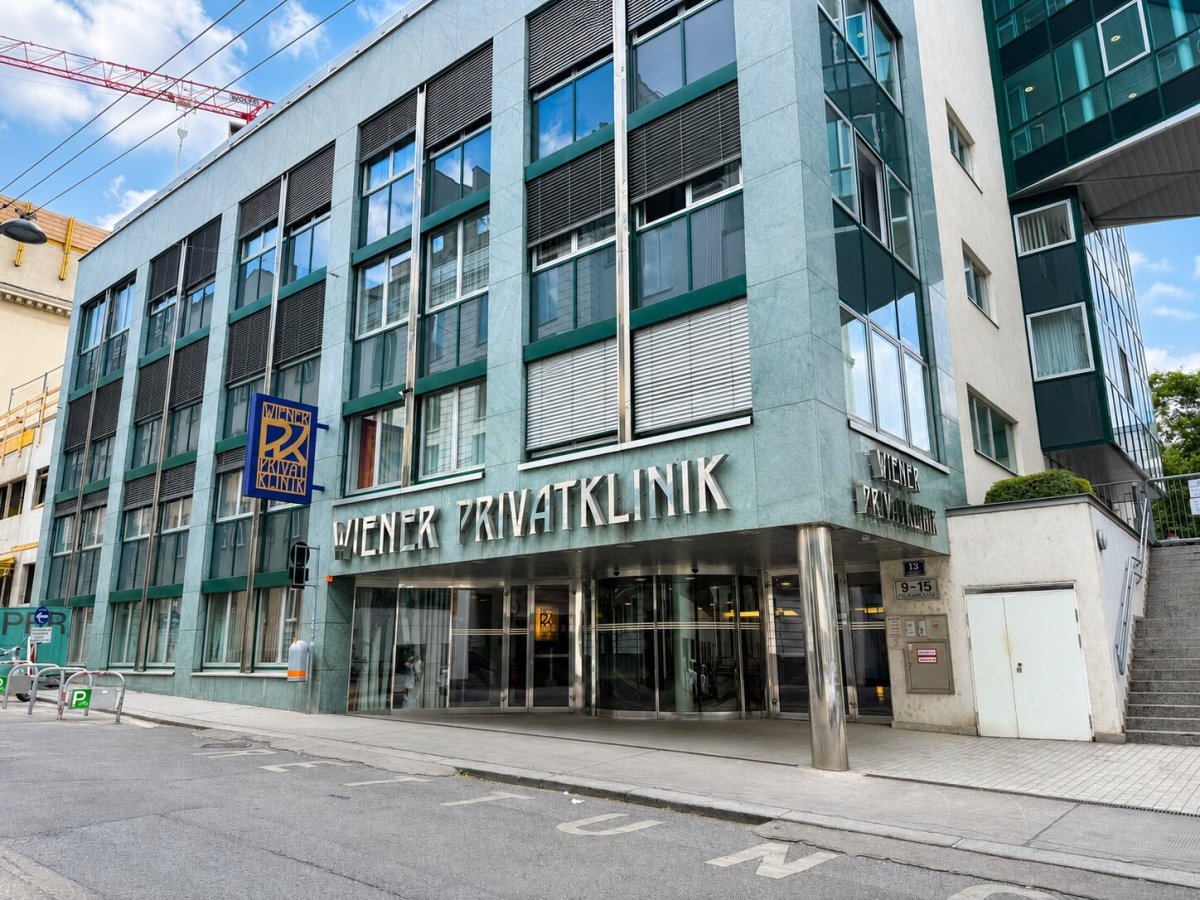
Perspectiva de los expertos de Bookimed: Los pacientes que buscan una terapia sistémica contra el cáncer individualizada deberían considerar la Wiener Privatklinik en Viena. El Dr. Wolfgang Köstler, profesor asociado de la Universidad Médica de Viena, se especializa en inmunoterapia avanzada. Esta clínica es reconocida por Newsweek como uno de los mejores hospitales del mundo. Para afecciones hematológicas complejas, los centros con certificación ISO garantizan que se cumplan los estándares internacionales de seguridad durante los procedimientos intensivos.
| Austria | España | Turquía | |
|---|---|---|---|
| Trasplante de médula ósea | ≈ $62,000 | de $101,300 | de $30,000 |
| Trasplante autólogo de médula ósea | ≈ $38,000 | ≈ $48,000 | de $25,000 |
| Trasplante alogénico de médula ósea de un donante no emparentado | ≈ $105,000 | de $170,000 | de $65,000 |
| Trasplante alogénico de médula ósea de un donante emparentado | ≈ $95,000 | de $130,000 | de $55,000 |
| Quimioterapia para el cáncer de mama | ≈ $9,500 | de $1,700 | de $3,000 |
Sus beneficios y garantías con Bookimed
Precios directos
Bookimed no añade cargos extra a los precios de los tratamientos de Leucemia linfoblástica aguda. Las tarifas proceden de las listas de precios oficiales de las clínicas. Pagará directamente en la clínica por su tratamiento a su llegada al país.
Sólo clínicas y médicos verificados
Bookimed está comprometido con su seguridad. Solo trabajamos con las clínicas que mantienen altos estándares internacionales en el tratamiento de Leucemia linfoblástica aguda y cuentan con las licencias necesarias para atender a pacientes internacionales en todo el mundo.
Asistencia 24/7 gratuita
Bookimed ofrece asistencia experta gratuita. Un coordinador médico personal le apoya antes, durante y después de su tratamiento, resolviendo cualquier problema. Nunca estará solo en su viaje médico de tratamiento de Leucemia linfoblástica aguda.

Su coordinador médico personal de Bookimed
- Le apoya en cada etapa
- Ayuda a elegir la clínica y el médico adecuados
- Asegura un acceso rápido y conveniente a la información
Descubra las mejores clínicas de tratamiento de Leucemia linfoblástica aguda en Austria: 1 opciones verificadas y Precios




Obtenga una evaluación médica para Leucemia linfoblástica aguda en Austria: consulte con doctores experimentados ahora
Ver todos los médicos
Wolfgang Köstler
Subdirector de Oncología Clínica en el hospital más grande de Austria y profesor asociado. El Prof. Köstler es un experto líder en terapia oncológica precisa y personalizada.
- Más de _doctor_1748_años_ de especialización en oncología médica y medicina interna
- Se centra en tratamientos dirigidos basados en biomarcadores e inmunoterapia
- Estudió medicina en la Universidad de Viena
- Realiza investigación traslacional para desarrollar nuevas estrategias de tratamiento
- Consultor senior en la prestigiosa Wiener Privatklinik

Johannes Drach
El profesor Drach se especializa en oncología, cuenta con una amplia experiencia en la Universidad Médica de Viena y dirige la clínica privada Josefstadt.
- Médico jefe en el Hospital Universitario de Medicina Interna I de Viena
- Miembro de la Junta Directiva de la Sociedad Austriaca de Hematología y Oncología
- Autor de más de 120 artículos científicos
- Formación continua en nutrición y cáncer por la Universidad de Friburgo
Compartir contenido
Historias en video de pacientes de Bookimed
 Olena Sikoza
Preguntas frecuentes sobre el tratamiento de Leucemia linfoblástica aguda en Austria
¿Qué hospitales de Austria ofrecen el nivel más alto de tratamiento para la LCH?
Los hospitales universitarios como el AKH Wien y el LKH Innsbruck ofrecen los más altos estándares de tratamiento para la leucemia linfoblástica aguda (LLA) en Austria. Estas instituciones ofrecen tratamientos de vanguardia, como la terapia con células CAR NK y el trasplante de médula ósea. Integran la investigación traslacional con instalaciones acreditadas por el JCI para el manejo de casos hematológicos complejos.
- Centros especializados: AKH Wien y LKH Innsbruck ofrecen servicios hematológicos y de trasplante integrales.
- Métodos de tratamiento avanzados: Las clínicas utilizan inmunoterapia, terapia oncológica dirigida y métodos de tratamiento sistémico adaptados a cada paciente.
- Médicos expertos: Profesores de la Universidad Médica de Viena brindan atención médica en centros como la Wiener Privatklinik.
- Precisión diagnóstica: En los centros médicos se realizan estudios citogenéticos de médula ósea y tomografías computarizadas de cuerpo entero para determinar con precisión la etapa de la enfermedad.
Opinión experta de Bookimed: Si bien los hospitales universitarios son líderes en investigación, instituciones privadas como la Vienna Privatklinik brindan acceso directo a los mismos profesores de medicina. Los datos de Bookimed muestran que más de 400 médicos, incluidos especialistas de renombre como el Dr. Wolfgang Köstler, conectan la ex
¿Cuál es el tratamiento estándar de primera línea para un paciente con leucemia linfoblástica aguda (LLA) recién diagnosticada?
El tratamiento estándar de primera línea para la leucemia linfoblástica aguda (LLA) se administra mediante un protocolo multietapa basado en el riesgo durante un período de 2 a 3 años. La terapia inicial incluye quimioterapia sistémica con múltiples fármacos combinada con profilaxis del sistema nervioso central. Especialistas austriacos como el Dr. Johannes Drach utilizan fases de terapia de inducción, consolidación y mantenimiento para garantizar la remisión a largo plazo.
- Fase de inducción: protocolo de 4 semanas con vincristina, corticosteroides y L-asparaginasa para lograr la remisión.
- Prevención del daño al SNC: Las inyecciones intratecales de metotrexato previenen la migración de las células leucémicas al cerebro.
- Fase de consolidación: La terapia intensiva con altas dosis de citarabina y ciclofosfamida elimina la enfermedad residual.
- Fase de mantenimiento: la administración oral ambulatoria de 6-mercaptopurina y metotrexato continúa durante 1,5 a 2 años.
Opinión experta de Bookimed: Un análisis de los principales centros austriacos, como la Clínica Privada de Viena, revela un fuerte compromiso con el entorno académico. Muchos hematólogos destacados son también profesores de la Universidad Médica de Viena. Esta conexión permite a los pacientes acceder a terapias sistémicas individualizadas y a ensayos clínicos en fases tempranas, qu
¿Están disponibles en Austria las terapias de inmunoterapia avanzada y las terapias con células T CAR?
En Austria, los hospitales universitarios certificados ofrecen inmunoterapia de vanguardia y terapia con células T CAR para la leucemia linfoblástica aguda. Estos centros utilizan terapias con células T CAR autorizadas y facilitan el acceso a ensayos clínicos. Instituciones especializadas en Viena, Graz e Innsbruck tratan casos complejos de terapia celular siguiendo estrictos estándares de calidad.
- Centros certificados: Seis instituciones austriacas están autorizadas para proporcionar terapia con células T CAR bajo licencia.
- Tratamientos específicos: Los tratamientos avanzados incluyen inhibidores de puntos de control inmunitarios y fármacos basados en anticuerpos para la leucemia.
- Ensayos clínicos: Actualmente se están realizando ensayos con células T CAR mejoradas con CRISPR y con producción celular local propia.
- Requisitos de acceso: La terapia se administra de acuerdo con un protocolo para el tratamiento de neoplasias malignas de células B recidivantes o refractarias después del tratamiento estándar.
Opinión de expertos de Bookimed: Los pacientes que buscan este tratamiento en Austria se benefician de una alta concentración de especialistas académicos. En la Wiener Privatklinik, oncólogos como el Dr. Wolfgang Köstler integran la terapia dirigida con la investigación traslacional. Esta conexión con la Universidad Médica de Viena es cru
¿Cuál es la duración típica de la hospitalización durante la terapia de inducción para la leucemia linfoblástica aguda?
En Austria, la hospitalización de pacientes adultos con leucemia linfoblástica aguda suele durar de 4 a 6 semanas. Los niños suelen permanecer de 1 a 2 semanas para observación inicial. El alta es posible cuando el recuento sanguíneo se estabiliza y no presentan fiebre ni infección grave. Durante este periodo intensivo, el equipo médico prioriza la prevención de complicaciones potencialmente mortales.
- Hospitalización de pacientes adultos: La mayoría de los adultos permanecen hospitalizados durante todo el ciclo de terapia de inducción, que dura entre 4 y 6 semanas.
- Seguimiento pediátrico: Los niños suelen pasar a recibir tratamiento ambulatorio después de los primeros 14 días.
- Reconstitución de la médula ósea: Los pacientes permanecen en la clínica hasta que el recuento sanguíneo alcanza niveles seguros para recibir atención domiciliaria.
- Mantenimiento del acceso: En la fase inicial de la hospitalización, se realiza la colocación quirúrgica de un catéter venoso central o un sistema de puerto.
Opinión de expertos de Bookimed: Los principales oncólogos austriacos suelen compaginar dos puestos en la Universidad Médica de Viena. Por ejemplo, el Dr. Wolfgang Köstler, de la Clínica Privada de Viena, integra la investigación académica en su práctica privada. Esta relación garantiza a los pacientes el acceso a los mismos protocolos estandarizados
¿Cómo se puede prevenir que la leucemia linfoblástica aguda se propague al cerebro y la médula espinal?
Las clínicas previenen que la leucemia linfoblástica aguda alcance el sistema nervioso central mediante profilaxis del SNC. Los médicos administran quimioterapia intratecal directamente en el líquido cefalorraquídeo. Las altas dosis de medicamentos sistémicos y glucocorticoides también atraviesan la barrera hematoencefálica. En algunos casos de alto riesgo, puede ser necesaria la radioterapia craneal dirigida.
- Quimioterapia intratecal: Los cirujanos administran metotrexato o citarabina directamente a través de una punción lumbar.
- Administración sistémica: Las dosis altas de metotrexato intravenoso favorecen la penetración del fármaco a través de la barrera hematoencefálica.
- Terapia con glucocorticoides: La dexametasona penetra eficazmente en el líquido cefalorraquídeo y destruye las células leucémicas.
- Radioterapia dirigida: Los especialistas utilizan rayos X de alta energía para pacientes de muy alto riesgo.
Opinión de expertos de Bookimed: Los pacientes en Austria se benefician de un entorno oncológico académico altamente desarrollado, donde muchos médicos, como el Dr. Wolfgang Köstler y el profesor Johannes Drach, son catedráticos en la Universidad Médica de Viena. Esta integración académica garantiza que los protocolos de prevención de enfermedades del SNC se actualicen de acuerdo con las últimas investigaciones clínicas. Grandes cent
¿Influyen las pruebas genéticas en los tratamientos contra la leucemia?
Las pruebas genéticas están revolucionando el tratamiento de la leucemia al identificar mutaciones específicas en las células cancerosas. Estos resultados permiten a los médicos prescribir terapias dirigidas y ajustar la intensidad de la quimioterapia. Los marcadores genéticos también determinan la necesidad de un trasplante de células madre para mejorar las tasas de supervivencia.
- Terapia dirigida: En los casos en que está presente el cromosoma Filadelfia, los médicos utilizan fármacos especializados como los inhibidores de la tirosina quinasa.
- Estratificación del riesgo: Las pruebas identifican subtipos de alto riesgo que requieren protocolos de tratamiento más intensivos.
- Planificación del trasplante: Los perfiles genéticos ayudan a los especialistas a decidir si un trasplante de médula ósea es la mejor opción.
- Enfermedad residual mínima: Las pruebas permiten controlar la eficacia del tratamiento y detectar rastros microscópicos de células cancerosas.
Opinión de expertos de Bookimed: En Austria, centros líderes como la Wiener Privatklinik suelen involucrar a profesores universitarios en la planificación del tratamiento. Nuestros datos muestran que especialistas como el Dr. Wolfgang Köstler hacen especial hincapié en la terapia sistémica oncológica individualizada y el desarrollo de biomarcadores. Esto significa que el análisis genético
¿Cuándo se considera el trasplante de células madre o de médula ósea para la leucemia linfoblástica aguda?
El trasplante de células madre se considera para la leucemia linfoblástica aguda, donde los pacientes tienen un alto riesgo de recaída después de la quimioterapia. Los médicos lo recomiendan si el tratamiento inicial es ineficaz o la enfermedad reaparece. Los criterios de selección dependen de lograr la remisión, los factores de riesgo genéticos y la disponibilidad de un donante compatible con el antígeno leucocitario humano (HLA).
- Factores genéticos de alto riesgo: La presencia del cromosoma Filadelfia o de reordenamientos del gen KMT2A a menudo requiere un trasplante.
- Enfermedad residual: La detección de células leucémicas después de la quimioterapia inicial sugiere fuertemente la necesidad de un trasplante.
- Casos de recaída: Cuando la leucemia reaparece después de la remisión, el trasplante es el principal método de tratamiento que proporciona una cura.
- Condición física del paciente: Una función cardíaca, pulmonar y renal adecuada es esencial para la supervivencia en condiciones de entrenamiento intensivo.
Experiencia de Bookimed: Hematólogos experimentados como el Dr. Johannes Drach en Viena se especializan en evaluaciones integrales de pacientes antes del trasplante de médula ósea. Si bien el tratamiento estándar se centra en la quimioterapia, las clínicas privadas austriacas suelen ofrecer segundas opiniones sobre nutrición y estilo