Tratamiento de Anemia aplásica en Israel — obtenga 3 coincidencias personalizadas de clínicas


Revisado médicamente por
Fahad Mawlood
Cómo funciona
¿Cuál es el precio del diagnóstico y los tratamientos de Anemia aplásica en Israel? Descubra ahora
| Israel | España | Turquía | |
|---|---|---|---|
| Trasplante de médula ósea | de $204,500 | de $100,900 | de $30,000 |
| Trasplante alogénico de médula ósea de un donante no emparentado | de $155,000 | de $170,000 | de $65,000 |
| Trasplante alogénico de médula ósea de un donante emparentado | ≈ $95,000 | de $130,000 | de $55,000 |
Descubra las mejores clínicas de tratamiento de Anemia aplásica en Israel: 6 opciones verificadas y Precios










Elisha Hospital

Kaplan Medical Center
Obtenga una evaluación médica de tratamiento de Anemia aplásica en Israel: haga una consulta con 18 médicos experimentados ahora
Ver todos los médicos
Ram Ron
La información del médico se está actualizando actualmente. El Dr. Ron ejerce en el Centro Médico Sourasky (Ichilov).

Ron Ram
El Dr. Ram ha realizado varios cientos de trasplantes de células madre, un tratamiento clave para la anemia aplásica, en el Centro Médico Sourasky.
- Certificado por el consejo en Hematología y Oncología Médica
- Formación de subespecialidad (fellowship) en el Westchester Medical Center de Nueva York
- Autor de más de 30 artículos científicos y un capítulo de libro de texto
- Amplia experiencia en trastornos complejos de la médula ósea

Ronit El Hasid
Más de 300 trasplantes de médula ósea y sangre de cordón umbilical – El Dr. El Hasid dirige la oncohematología pediátrica en el Hospital Infantil Dana Dwek.
- Jefe del Departamento de Oncohematología y Oncología Pediátrica
- Miembro de la Sociedad Americana de Hematología
- Ha publicado 50 trabajos de investigación en el campo
- Formado en el Hospital City of Hope de Los Ángeles

Amos Toren
El Prof. Amos Toren, MD, PhD, MHA, es hemato-oncólogo pediátrico y especialista en trasplante de médula ósea (TMO). Fue director de Hemato-oncología Pediátrica y TMO en el Centro Médico Sheba.
Está certificado en pediatría, hemato-oncología pediátrica y trasplante de médula ósea. Tiene un doctorado en genética humana. Fue director de la División de Hematología de la Universidad de Tel Aviv durante dos mandatos. Es miembro de ASH, COG, ESPHI, EBMT y CIBMTR. También forma parte del Comit
Compartir contenido
Historias en video de pacientes de Bookimed
 Olena Sikoza
Preguntas frecuentes sobre el tratamiento de Anemia aplásica en Israel
¿Cuáles son las principales opciones de tratamiento para la anemia aplásica disponibles en Israel?
El tratamiento principal para la anemia aplásica en Israel se centra en el trasplante de médula ósea y la terapia inmunosupresora avanzada. Las instalaciones acreditadas por la JCI proporcionan trasplantes alogénicos tanto de donantes relacionados como no relacionados. Los protocolos especializados incluyen ATG, ciclosporina y Eltrombopag para casos refractarios. Las altas tasas de éxito están respaldadas por una tipificación HLA precisa y diagnósticos moleculares.
- Trasplante de médula ósea: Solución a largo plazo preferida para pacientes más jóvenes con donantes compatibles.
- Terapia inmunosupresora: Combina ATG y ciclosporina para pacientes sin donantes disponibles.
- Diagnóstico avanzado: Incluye biopsia de médula ósea, estudios citogenéticos y protocolos de cribado genético.
- Cuidados de apoyo: Gestión mediante transfusiones de sangre, factores de crecimiento y servicios de enfermería las 24 horas.
Perspectiva del experto de Bookimed: Los centros israelíes ofrecen una ventaja significativa en la búsqueda de donantes a través del acceso a registros internacionales y experiencia pediátrica especializada. Por ejemplo, la Dra. Ronit El Hasid en el Sourasky Medical Center ha realizado más de 300 trasplantes pediátricos. En el Sheba Medical Center, los paquetes de alrededor de 160.000 $ incluyen hospitalizaciones extensas de 30 días. Este niv
¿Qué hospitales israelíes son los más reconocidos para el tratamiento de la anemia aplásica?
Hospitales israelíes como el Centro Médico Sourasky, el Centro Médico Sheba y el Centro Médico Hadassah son líderes mundiales en el tratamiento de la anemia aplásica. Estas instalaciones acreditadas por la JCI se especializan en trasplantes de médula ósea alogénicos y terapia inmunosupresora avanzada. Logran tasas de éxito que alcanzan el 90% en casos hematológicos complejos.
- Centro Médico Sourasky: Clasificado entre las 10 mejores clínicas del mundo para turistas médicos.
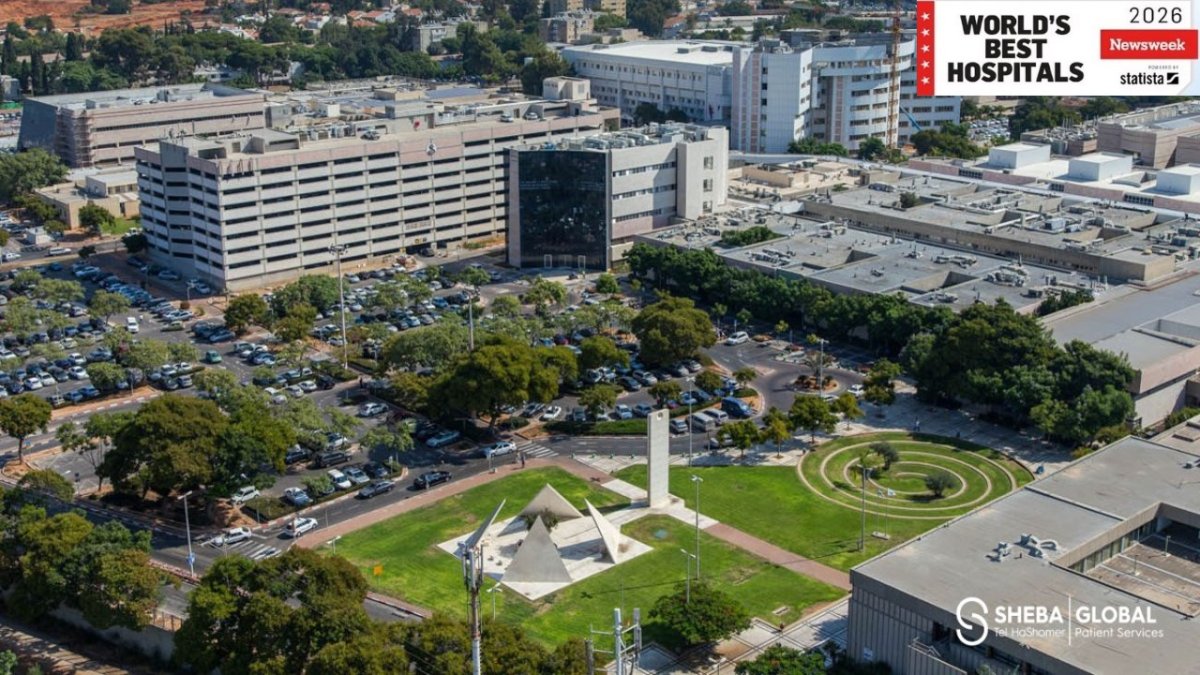
- Centro Médico Sheba: Reconocido constantemente por Newsweek como uno de los 10 mejores hospitales a nivel mundial.
- Centro Médico Hadassah: Especializado en enfermedades raras y pionero en los primeros trasplantes de médula ósea de Israel.
- Centro Infantil Schneider: Proporciona una infraestructura dedicada para pacientes pediátricos menores de 18 años.
Perspectiva del experto de Bookimed: Elegir entre los mejores centros a menudo se reduce a la experiencia pediátrica específica frente al volumen de adultos. Mientras que el Centro Médico Sheba atiende a más de 1,500,000 pacientes globales al año, Sourasky ofrece atención pediátrica altamente especializada en Dana-Dwek. La Dra. Ronit El Hasid en Sourasky ha realizado más de 300 trasplantes exitosos específicamente para niños. Los pacientes deben comparar estas tasas de éxito basadas en el volumen al seleccionar un centro
¿Cuál es la tasa de éxito del trasplante de médula ósea para la anemia aplásica en Israel?
Los centros médicos israelíes reportan tasas de supervivencia superiores al 90% para el trasplante de médula ósea en pacientes jóvenes con anemia aplásica. El éxito se mantiene cerca del 90,8% para los menores de 40 años. Los protocolos especializados para tipos de donantes alternativos mantienen resultados de hasta el 94% en instalaciones líderes.
- Factor de edad: La supervivencia alcanza el 90,7% para pacientes menores de 40 años.
- Tipo de donante: Los donantes hermanos compatibles tradicionalmente ofrecen los resultados positivos más predecibles.
- Éxito clínico: El Centro Médico Sourasky reporta una tasa de éxito del 90% para tratamientos oncológicos.
- Volumen de expertos: La Dra. Polina Stepensky en Hadassah ha realizado más de 3.500 trasplantes.
Perspectiva del experto de Bookimed: Los departamentos de hematología israelíes ofrecen una ventaja significativa a través de la especialización de alto volumen. Por ejemplo, la Dra. Ivetta Danylesko en el Centro Médico Sheba ha realizado 3.000 procedimientos. Este nivel de experiencia individual a menudo se correlaciona con las altas tasas de supervivencia reportadas en las principales instituciones del país acreditadas por la JCI.
Consenso de los pacientes: Los pacientes enfatizan que el trasplante de médula ósea es a menudo el tratamiento de primera línea preferido so
¿Cuánto dura el período de recuperación y hospitalización después de un trasplante?
La hospitalización para un trasplante de médula ósea en Israel suele durar 30 días. Los pacientes permanecen en habitaciones especializadas con filtros HEPA para prevenir infecciones mientras se desarrolla el nuevo sistema inmunológico. La recuperación física completa y la reconstrucción inmunológica generalmente requieren de 3 a 12 meses de atención de seguimiento.
- Estancia hospitalaria: Los pacientes suelen pasar 30 días en el hospital para su monitoreo.
- Fase de injerto: Las nuevas células sanguíneas generalmente comienzan a crecer entre los días 14 y 28.
- Recuperación inicial: El aislamiento en el hogar y los estrictos protocolos de infección duran unos 100 días.
- Regreso a la actividad: La mayoría de los pacientes regresan al trabajo o a la escuela en un plazo de 3 a 6 meses.
Perspectiva del experto de Bookimed: Si bien muchos se centran en la cirugía, la estancia hospitalaria de 30 días incluida en los paquetes del Sheba Medical Center es un punto de referencia de seguridad fundamental. Los centros de alto volumen como Sourasky, que atiende a más de 400.000 pacientes al año, utilizan este período prolongado para gestionar la delicada transición antes del alta domiciliaria. Seleccionar un paquete que incluya 4 semanas de atención hospitalaria garantiza un monitoreo profesional durante la ventana de mayor riesgo de rechazo.
¿Qué determina la candidatura para un trasplante frente a la inmunosupresión en Israel?
La candidatura para el tratamiento de la anemia aplásica en Israel depende de la disponibilidad de donantes, la edad del paciente y la gravedad de la enfermedad. Los pacientes menores de 40 años con un donante hermano compatible suelen recibir trasplantes de médula ósea como terapia curativa de primera línea. La terapia inmunosupresora sirve como la alternativa principal cuando no se identifica un donante relacionado.
- Disponibilidad de donantes: Los donantes hermanos compatibles aceleran el camino de los pacientes hacia el trasplante alogénico de médula ósea.
- Edad del paciente: Los pacientes mayores de 40 años generalmente comienzan con inmunosupresión debido a los riesgos del trasplante.
- Gravedad clínica: Los casos muy graves con recuentos de neutrófilos extremadamente bajos pueden priorizar el trasplante urgente.
- Estado físico: Los centros israelíes evalúan la salud física en lugar de límites de edad cronológicos estrictos.
- Respuesta al tratamiento: Si la inmunosupresión falla después de 3 a 6 meses, los médicos recurren a trasplantes de donantes no relacionados.
Perspectiva del experto de Bookimed: Aunque muchos creen que los registros internacionales son la única opción, los principales centros israelíes como Sheba y Rambam mantienen instalaciones avanzadas para la recolección y almacenamiento de células de
¿Está disponible la búsqueda de donantes compatibles y no emparentados para pacientes internacionales?
Los pacientes internacionales tienen acceso total a la búsqueda de donantes compatibles y no emparentados en Israel a través de la World Marrow Donor Association. Los centros israelíes coordinan habitualmente con registros globales como el National Marrow Donor Program para identificar donantes compatibles en todo el mundo. Este proceso garantiza una compatibilidad de alta calidad para casos complejos.
- Conectividad global: Acceso a 42 millones de donantes potenciales en 75 registros internacionales a través de la WMDA.
- Eficiencia en la búsqueda: Las búsquedas preliminares en bases de datos globales a menudo proporcionan resultados de posibles coincidencias en 24 horas.
- Experiencia especializada: El Dr. Ron Ram en Sourasky se especializa en trasplantes de células madre de donantes no emparentados de alto volumen.
- Opciones pediátricas: La Dra. Ronit El Hasid ha realizado más de 300 trasplantes de médula ósea y sangre de cordón umbilical.
Perspectiva del experto de Bookimed: Aunque muchos procesos de búsqueda llevan meses, los hospitales israelíes como Sheba y Sourasky atienden a más de 1,5 millones de pacientes al año, lo que les otorga una inmensa ventaja logística. Nuestros datos muestran que los paquetes de primer nivel, que cuestan entre 150.000 y 160.000 dólares, a menudo incluyen diagnósticos extensos y estancias hospitalarias de 30
¿Qué seguimiento post-tratamiento se realiza fuera de Israel?
El seguimiento post-tratamiento para la anemia aplásica incluye una atención coordinada entre los hematólogos israelíes y los proveedores locales. Los pacientes se someten a análisis de sangre frecuentes y biopsias de médula ósea para controlar posibles recaídas. Instituciones como el Sheba Medical Center y el Hadassah Medical Center utilizan la telemedicina para revisar el progreso y ajustar los medicamentos de forma remota.
- Análisis de sangre de rutina: Los pacientes requieren hemogramas completos mensuales inicialmente después de regresar a casa.
- Monitoreo de médula ósea: Las biopsias generalmente se repiten a los 3, 6 y 12 meses después del tratamiento.
- Revisiones por telemedicina: Las consultas digitales a través de Zoom permiten a los especialistas israelíes ajustar los planes de tratamiento.
- Verificación de medicamentos: Los farmacéuticos locales deben confirmar la disponibilidad de inmunosupresores específicos o sustitutos adecuados.
- Documentación clínica: Los pacientes deben compartir los resúmenes de alta y los informes quirúrgicos con los hematólogos locales.
Opinión de expertos de Bookimed: Aunque los principales centros como Sourasky o Hadassah proporcionan resúmenes de alta completos, la coordinación real a menudo depende del especialista específico. El Dr. Ron Ram en Sourasky y la Dra. Polina Ste
¿Por qué Israel es uno de los principales destinos para la neurocirugía?
Israel es un centro líder en neurocirugía gracias a su combinación de avances médicos de alta tecnología y una experiencia quirúrgica de primer nivel. Instalaciones avanzadas como el Centro Médico Sheba utilizan sistemas de navegación basados en IA y resonancia magnética intraoperatoria en tiempo real. Centros especializados reportan una tasa de éxito del 98% en procedimientos complejos, como la craneotomía con el paciente despierto y el tratamiento de trastornos del movimiento.
- Tecnología avanzada: Las clínicas utilizan ultrasonido enfocado guiado por resonancia magnética (MRgFUS) y sistemas robóticos para realizar incisiones.
- Experiencia quirúrgica: Cirujanos como el Dr. Zvi Ram lideran asociaciones internacionales con más de 25 años de experiencia.
- Acceso rápido: Los pacientes internacionales generalmente pueden programar cirugías complejas de cerebro o columna en un plazo de 2 a 4 semanas.
- Atención médica acreditada: Grandes centros como Sourasky (Ichilov) y Assuta están acreditados por la JCI, lo que confirma su seguridad.
Opinión experta de Bookimed: Los datos muestran una clara diferencia entre las opciones de tratamiento públicas y privadas en Israel. Centros privados, como el Centro Médico Assuta, realizan más de 92.000 cirugías al año y permiten a los pacientes elegir a un cirujano líder específico. Esto supone una ventaja signi
¿Qué tipos de enfermedades neuroquirúrgicas se tratan en Israel?
Los neurocirujanos israelíes tratan una amplia gama de afecciones, desde tumores cerebrales y de médula espinal hasta trastornos funcionales complejos. Los centros especializados utilizan tecnologías de vanguardia, como el bisturí de rayos gamma, la estimulación cerebral profunda y la resonancia magnética intraoperatoria, para un diagnóstico altamente preciso de la epilepsia, la enfermedad de Parkinson y las patologías cerebrovasculares.
- Enfermedades oncológicas: tratamiento de gliomas, meningiomas y tumores hipofisarios mediante resección de la base del cráneo.
- Trastornos funcionales: tratamiento de la enfermedad de Parkinson y del temblor esencial mediante estimulación cerebral profunda.
- Patologías de columna: corrección de escoliosis, hernias discales y tumores espinales mediante sistemas robóticos.
- Tratamiento de las enfermedades cerebrovasculares: tratamiento quirúrgico de aneurismas cerebrales y malformaciones arteriovenosas mediante intervenciones endovasculares.
- Neurocirugía pediátrica: atención especializada en hidrocefalia y anomalías congénitas en centros pediátricos especializados.
Opinión experta de Bookimed: Los hospitales israelíes suelen combinar diversas especialidades para abordar casos complejos. En el Centro Médico Sourasky, neurocirujanos como el Dr. Zvi Lidar combinan neurocirugía y ortopedi
¿Qué hospitales en Israel son más conocidos por sus departamentos de neurocirugía?
Israel alberga centros neuroquirúrgicos de renombre mundial, como el Centro Médico Sourasky, el Centro Médico Sheba y el Centro Médico Hadassah. Estas instituciones son líderes mundiales en el tratamiento de tumores cerebrales complejos, enfermedades de la columna vertebral y trastornos del movimiento. Utilizan tecnologías de vanguardia como el bisturí de rayos gamma, sistemas robóticos y resonancia magnética intraoperatoria.
- Suraski (Ichilov): realiza más de 2.500 operaciones neuroquirúrgicas al año en Tel Aviv con una tasa de éxito del 98%.
- Centro Médico Sheba: clasificado entre los diez mejores hospitales del mundo, trata a 1,9 millones de pacientes al año.
- Centro Médico Hadassah: Nominado al Premio Nobel de la Paz. Líder en neurocirugía pediátrica y terapia génica.
- Centro Médico Assuta: el centro médico privado más grande de Israel. Especializado en cirugías mínimamente invasivas de columna y cerebro.
- Hospital Infantil Schneider: un centro líder en neurocirugía pediátrica que trata a 275.000 niños al año.
Opinión experta de Bookimed: Nuestros datos muestran que, si bien la mayoría de los pacientes buscan tratamiento en Tel Aviv, el Centro Médico Rambam en Haifa ofrece una atención única para neurotraumatismos. Cuenta con una unidad especializada en cuidados neurocríticos que atiende a aproximadamente un milló