Ir a inicio

Cómo funciona

Hemos transformado el proceso de búsqueda de clínicas, haciéndolo simple, rápido y personalizado.
Responda algunas preguntasComplete un breve formulario para contarnos sobre su estado de salud y necesidades médicas.
Obtenga ofertas personalizadas3 clínicas seleccionadas especialmente según sus respuestas le proporcionan planes de tratamiento personalizados y presupuestos.
Elija la mejor opciónCompare ofertas y elija la clínica que más le convenga.
También puede consultar las 7 clínicas a continuación.
820К+ pacientes han recibido asistencia desde 2014
50 países
1,500 clínicas
6K+ reseñas
3K+ médicos calificados

¿Cuál es el precio del diagnóstico y los tratamientos de Anemia aplásica en España? Descubra ahora

El coste medio del tratamiento de la anemia aplásica en España oscila entre los 239500$ y los 241800$. Las ofertas incluyen diagnóstico integral de anemia aplásica, evaluación del receptor antes del trasplante de médula ósea y trasplante de médula ósea.
Datos verificados por Bookimed a partir de May 2026, basados en solicitudes de pacientes y cotizaciones oficiales de 71 clínicas en todo el mundo. Los costos medianos se basan en facturas reales (2025–2026) y se actualizan mensualmente. Los precios reales pueden variar.

Descubra las mejores clínicas de tratamiento de Anemia aplásica en España: 7 opciones verificadas y Precios

El ranking de clínicas de Bookimed se basa en algoritmos de data science, ofreciendo una comparación confiable, transparente y objetiva. Tiene en cuenta la demanda de pacientes, las puntuaciones de reseñas (positivas y negativas), la frecuencia de actualización de opciones de tratamiento y precios, la rapidez de respuesta y las certificaciones de las clínicas.
Hospital Sant Joan de Déu Barcelona
Centro Médico Teknon
Quironsalud Madrid
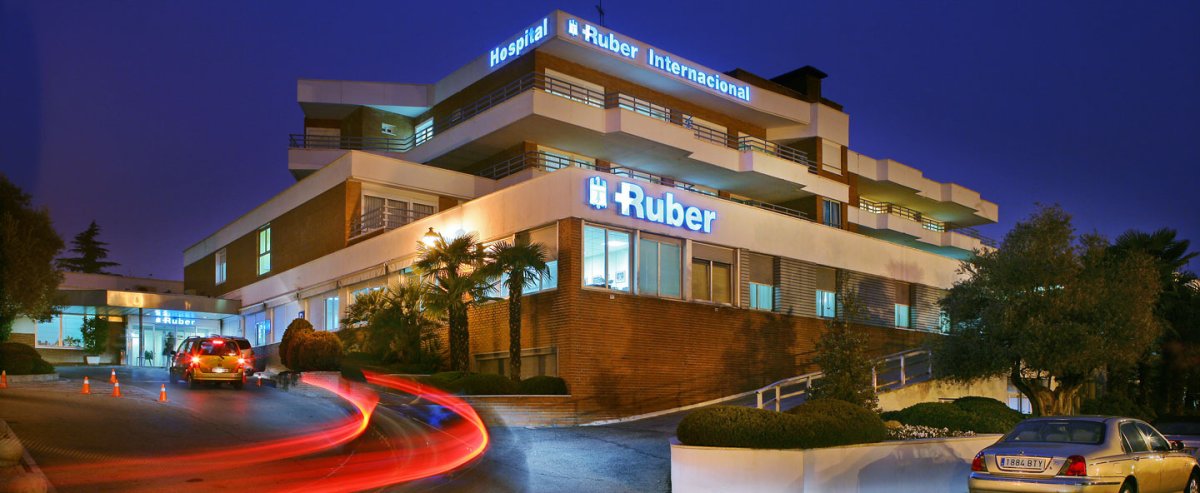
Hospital Ruber Internacional
4.55 reseñas
Precio a consultar
Más información
Hospital Universitario HM Madrid
4.616 reseñas
Precio a consultar
Más información

Obtenga una evaluación médica para Anemia aplásica en España: consulte con doctores experimentados ahora

Ver todos los médicos
verificado

Susana Rives Sola

Especialista en trasplante de médula ósea: el Dr. Rives Sola se centra en la hematología pediátrica en el Hospital Sant Joan de Déu Barcelona.

  • Hematólogo infantil con experiencia en anemia aplásica
  • Trabajar en un hospital pediátrico líder en Barcelona
  • Especializarse en procedimientos de trasplante de médula ósea
verificado

Francesc Cobo Valien

27 años de experiencia

Más de 1.100 tratamientos realizados: el Dr. Francesc Cobo Valien dirige el departamento de oncohematología del Instituto Oncológico Teknon.

  • 25 años de experiencia en hematología
  • Especializarse en pancitopenia autoinmune y leucemia
  • Recibir múltiples becas de investigación en hematología
  • Doctorado por la Universidad de Barcelona
verificado

Francesc Bosch

126 años de experiencia

El profesor Bosch es un líder de renombre mundial en Leucemia Linfática Crónica (LLC), con más de 100 artículos publicados y participación continua en más de 80 ensayos clínicos.

  • Dirigir Hematología en el Hospital Universitario Vall d'Hebron
  • Especializarse en nuevos tratamientos para trastornos linfoproliferativos
  • Investigación de doctorado centrada en trastornos linfoproliferativos crónicos
  • Presidir el grupo español para el estudio de la LLC (GELLC)
  • Beca posdoctoral en la Universidad de Columbia, Nueva York
verificado

Lopez Ibor

32 años de experiencia

Más de 20 años de especialización en hematología pediátrica: el Dr. López-Ibor dirige la Unidad de Hematología y Oncología Pediátrica de HM Montepríncipe.

  • Ser experto en leucemia y enfermedades hematológicas
  • Formarse en la Universidad de Maryland en hematología pediátrica
  • Autorizar numerosas publicaciones científicas sobre hematología
  • Dirigir previamente la misma unidad en la Clínica San Rafael

Compartir contenido

Historias en video de pacientes de Bookimed

Dayana
Combiné mis vacaciones en Antalya con un chequeo médico.
Procedimiento: Chequeo femenino
Igor
¡Fue genial! Traslados, alojamiento, tratamiento, todo incluido.
Procedimiento: Implante dental
Clínica: WestDent Clinic
Marina
Bookimed se encargó de todo. No tuve que preocuparme por nada.
Procedimiento: Chequeo femenino
Actualizado: 12/09/2024
Escrito por
Olena Sikoza
Olena Sikoza
Сopywriter en español
Copywriter médica certificada responsable del contenido en español de Bookimed. Más de 7 años de experiencia en redacción sobre salud y turismo médico, con formación académica en edición científica y desarrollo de contenidos.
Fahad Mawlood
Editor médico y Científico de datos
Médico general. Ganador de 4 premios científicos. Sirvió en Asia Occidental. Es el ex jefe del equipo médico que soporta a pacientes de habla árabe. Ahora es responsable del procesamiento de datos y la precisión del contenido médico.
Fahad Mawlood Linkedin
Esta página puede incluir información relacionada con diversas afecciones médicas, tratamientos y servicios de salud disponibles en diferentes países. Tenga en cuenta que el contenido se proporciona sólo con fines informativos y no debe interpretarse como asesoramiento médico o orientación. Por favor consulte con su médico o con un profesional médico calificado antes de comenzar o cambiar el tratamiento médico.

Preguntas frecuentes sobre el tratamiento de Anemia aplásica en España

Estas preguntas frecuentes provienen de pacientes reales que buscan atención médica a través de Bookimed. Las respuestas son proporcionadas por coordinadores médicos experimentados y representantes autorizados de las clínicas.

What is the success rate for treating aplastic anemia in Spain?

Modern Spanish medical centers report a 90% cure rate for severe aplastic anemia when using bone marrow transplantation. Standard immunosuppression therapy shows an 86% response rate after one year. Specialized clinics maintain high 5-year survival rates between 74% and 78% for severe cases.

  • First-line response: Standard therapy reaches 68.3% response rates within 6 months.
  • Transplant outcomes: Targeted pediatric centers report long-term success rates up to 90%.
  • Survival data: Severe cases maintain a 78.6% survival rate over 5 years.
  • Donor access: Spanish centers utilize a network of over 700,000 potential donors.

Bookimed Expert Insight: Spain ranks 3rd globally in our database for specialized blood disorder treatments. Our data shows a distinct pattern where top institutions like Quironsalud Madrid and SJD Barcelona prioritize pediatric cases. These clinics utilize heads of departments like Dr. Luis Madero and Dr. Isabel Badell Serra. Selecting a facility with a dedicated molecular laboratory, such as SJD Barcelona, often leads to more precise HLA matching.

Patient Consensus: Patients emphasize the need for early second opinions regarding transplant versus drug therapy. Many note that reaching transfusion independence within 6 months is a primary goal for quality of life.

How experienced are Spanish hospitals with aplastic anemia?

Spanish hospitals demonstrate high proficiency in treating aplastic anemia through advanced bone marrow transplantation and immunosuppressive therapies. Facilities report a 90% treatment success rate. Centers utilize the International Bone Marrow Donor Bank for life-saving unrelated donor matches. Specialized units offer high-level care in sterile environments.

  • Success rate: Spanish clinics report 90% success for aplastic anemia treatments.
  • Survival rates: Five-year survival exceeds 90% for patients under 40 years old.
  • Donor access: Hospitals access 700,000 donors via the World Marrow Donor Association.
  • Specialized care: Facilities use HEPA-filtered rooms to ensure patient safety during recovery.

Bookimed Expert Insight: Spain excels in pediatric aplastic anemia through specialized hubs like SJD Barcelona Children's Hospital. Dr. Isabel Badell Serra leads their transplant center with deep expertise. Quironsalud Madrid University Hospital also shows high volume capacity for these complex cases. Patients benefit from 10-day inpatient packages that include full medical monitoring. This integration of diagnostics and post-transplant care provides a safety net during critical recovery phases.

Patient Consensus: Families emphasize the comfort provided by dedicated pediatric units and the professionalism of the medical staff. They note that having access to international donor databases simplifies the search for matching donors.

Is donor search for bone-marrow transplant faster in Spain than elsewhere?

Spain offers one of the fastest donor searches globally. The average time to identify a compatible bone marrow donor is 28 days. This speed is supported by over 500,000 registered donors. Patients have a 90% probability of finding a match through the national registry.

  • Search efficiency: Donor identification time decreased by 50% over the last decade.
  • Registry scale: The Redmo registry is the 5th largest donor database in Europe.
  • Transplant volume: Spain performs 32.8 allogeneic transplants per million people annually.
  • Donor quality: A younger average donor age of 41 years improves survival outcomes.
  • Alternative sources: Over 61,000 umbilical cord units provide backup options for rare matches.

Bookimed Expert Insight: Spain’s rapid search speed stems from its high transplant volume at academic centers. Quironsalud Madrid and SJD Barcelona serve thousands of patients annually. Large patient volumes allow these hospitals to streamline HLA testing and donor coordination. This infrastructure reduces the typical logistical delays found in smaller European registries.

Patient Consensus: Patients note that while donor searches are quick, logistical factors like bed availability matter. Many emphasize requesting weekly updates from coordinators to manage insurance and hospital timelines effectively.

What are the main treatment options for international patients?

Spain offers bone marrow transplantation and immunosuppressive therapy as primary treatments for aplastic anemia. Specialist centers utilize allogeneic transplants from related and unrelated donors. High-volume hospitals in Madrid and Barcelona maintain JCI and ISO certifications. Spanish protocols often include innovative umbilical cord blood transplantation.

  • Transplant types: Allogeneic bone marrow transplantation from related or unrelated donors.
  • Specialized therapies: Immunosuppressive therapy using medication protocols like horse ATG and cyclosporine.
  • Alternative options: Umbilical cord blood transplantation available for patients without HLA-matched donors.
  • Diagnostic precision: Advanced cytogenetic analysis of bone marrow and genetic screening protocols.

Bookimed Expert Insight: Spanish oncology centers like Quironsalud Madrid and SJD Barcelona prioritize high patient volumes. SJD Barcelona treats 4,000 pediatric oncology patients annually. This volume allows specialists to refine unrelated-donor protocols. These clinics often bundle a 10-day hospital stay with meals into their transplant packages. This level of integrated care helps manage the critical post-operative recovery phase more effectively.

Patient Consensus: Patients emphasize the need for a Schengen medical visa and a NIE foreigner ID. Fast-tracked immunosuppressive therapy is a common reason for choosing private Spanish clinics over home country waitlists.

What follow-up schedule is required after treatment?

Post-treatment follow-up for aplastic anemia in Spain typically begins with weekly blood counts for the first month. Monitoring then tapers to biweekly intervals until the three-month mark. Most stable patients transition to visits every three to six months after the first year to maintain long-term remission.

  • Immediate monitoring: Weekly complete blood counts (CBC) during the first month following immunosuppressive therapy.
  • Stabilization phase: Biweekly check-ups from month two through month three to monitor marrow recovery.
  • Maintenance schedule: Monthly visits from six months to one year after successful bone marrow transplantation.
  • Long-term surveillance: Annual or bi-annual follow-ups once counts remain stable beyond the five-year mark.

Bookimed Expert Insight: Spanish centers like Quironsalud Madrid and SJD Barcelona prioritize extended inpatient stays of about 10 days for bone marrow transplantation. This initial intensive window allows specialists like Dr. Luis Madero to stabilize patients before transitioning them to outpatient follow-up. This structured hand-off is a major reason Spain maintains a high global rank for hematology treatments.

Patient Consensus: Patients note that sticking to the 3-month check-up schedule is vital because relapses are often asymptomatic. Many suggest preparing for continued fatigue monitoring even years after treatment, and they emphasize that weekly blood tests in the early stages are essential for catching count dips quickly.

What is the typical length of stay for a transplant patient?

Bone marrow transplant patients in Spain typically spend 21 to 42 days in the hospital for initial recovery. Recovery depends on engraftment speed and the donor type. While acute monitoring may conclude within 4 weeks, total treatment often spans 3 months including outpatient care.

  • Hospital duration: Initial inpatient stays for transplants usually range from 3 to 6 weeks.
  • Stabilization phase: Post-discharge monitoring near the facility is required for 4 to 6 weeks.
  • Pediatric stays: Children at specialized centers often require significantly longer stays than adult patients.
  • Donor impact: Living or related donor transplants often allow for faster discharge than unrelated matches.

Bookimed Expert Insight: Spanish centers like Quironsalud Madrid often include a 10-day inpatient stay in their base packages. However, our data suggests patients should prepare for longer. Specialists like Dr. Luis Madero manage complex pediatric cases where stays frequently extend. Choosing a facility with integrated hotel services can significantly lower costs during the mandatory 2-month local monitoring period.

Patient Consensus: Patients note that while the initial hospital stay might be 32 days, complications like infections often lead to readmissions. Many suggest budgeting for 3 months total stay in Spain to cover both inpatient care and hotel-based outpatient monitoring.

Do Spanish centers provide English-speaking coordinators for foreign patients?

Standard care at leading Spanish medical centers includes dedicated English-speaking coordinators for international patients. Facilities like Centro Médico Teknon and Quirónsalud Madrid maintain specialized international departments. These teams manage medical records, insurance authorizations, and bridge language gaps between patients and clinical staff during treatments.

  • International departments: Dedicated offices handle logistics for patients from over 70 countries.
  • Clinical support: Coordinators assist during consultations and hospital stays for complex procedures.
  • Concierge services: Support often includes airport transfers and 4-star hotel bookings for recovery.
  • Accreditation standards: Joint Commission International (JCI) centers must provide effective patient-provider communication.

Bookimed Expert Insight: Spanish healthcare groups like Quirónsalud prioritize international patient volume, serving over 10,000 global patients annually at flagship sites. Our data shows that high-volume centers for complex procedures like bone marrow transplants often bundle 10-day hospital stays into packages to ensure coordinators can manage early recovery. Choosing a center with multiple Joint Commission International accreditations typically guarantees more robust English support than smaller municipal facilities.

Patient Consensus: Patients note that major hospitals are generally accommodating, but it is important to request an international coordinator specifically during the initial email to avoid early language barriers. Having a English-fluent contact makes navigating logistical details like insurance and donor screening much smoother.

Pedir una consulta gratis

Seleccione la mejor manera de contactarle