Anemia aplásica Tratamiento en China — Costos 2026


Revisado médicamente por
Fahad Mawlood
¿Cuál es el precio del diagnóstico y los tratamientos de Anemia aplásica en China? Descubra ahora
De $50
Costos típicos del tratamiento de la anemia aplásica en China
- Hemograma completo: de $50
- Trasplante de médula ósea: de $233,000
- Trasplante alogénico de médula ósea de un donante relacionado: $38,000 – $70,000
- Trasplante alogénico de médula ósea de un donante no relacionado: $38,000 – $58,000
Perspectiva de los expertos de Bookimed: Para casos complejos que requieren experiencia de alto volumen, los grandes centros especializados ofrecen la mejor seguridad clínica. El Hospital de Hematología Lu Daopei atiende a más de 200,000 pacientes anualmente con 350 médicos dedicados. Los pacientes pediátricos con afecciones de alto riesgo se benefician de especialistas como la Dra. Xiao Juan. Ella cuenta con más de 20 años de experiencia en trasplante de células madre hematopoyéticas para niños. Estos hospitales de hematología dedicados ofrecen mayores capacidades de camas y departamentos especializados que las clínicas generales.
| China | España | Turquía | |
|---|---|---|---|
| Trasplante de médula ósea | de $233,000 | de $100,800 | de $30,000 |
| Trasplante alogénico de médula ósea de un donante no emparentado | ≈ $38,000 | de $170,000 | de $65,000 |
| Trasplante alogénico de médula ósea de un donante emparentado | ≈ $38,000 | de $130,000 | de $55,000 |
Sus beneficios y garantías con Bookimed
Precios directos
Bookimed no añade cargos extra a los precios de los tratamientos de Anemia aplásica. Las tarifas proceden de las listas de precios oficiales de las clínicas. Pagará directamente en la clínica por su tratamiento a su llegada al país.
Sólo clínicas y médicos verificados
Bookimed está comprometido con su seguridad. Solo trabajamos con las clínicas que mantienen altos estándares internacionales en el tratamiento de Anemia aplásica y cuentan con las licencias necesarias para atender a pacientes internacionales en todo el mundo.
Asistencia 24/7 gratuita
Bookimed ofrece asistencia experta gratuita. Un coordinador médico personal le apoya antes, durante y después de su tratamiento, resolviendo cualquier problema. Nunca estará solo en su viaje médico de tratamiento de Anemia aplásica.

Su coordinador médico personal de Bookimed
- Le apoya en cada etapa
- Ayuda a elegir la clínica y el médico adecuados
- Asegura un acceso rápido y conveniente a la información
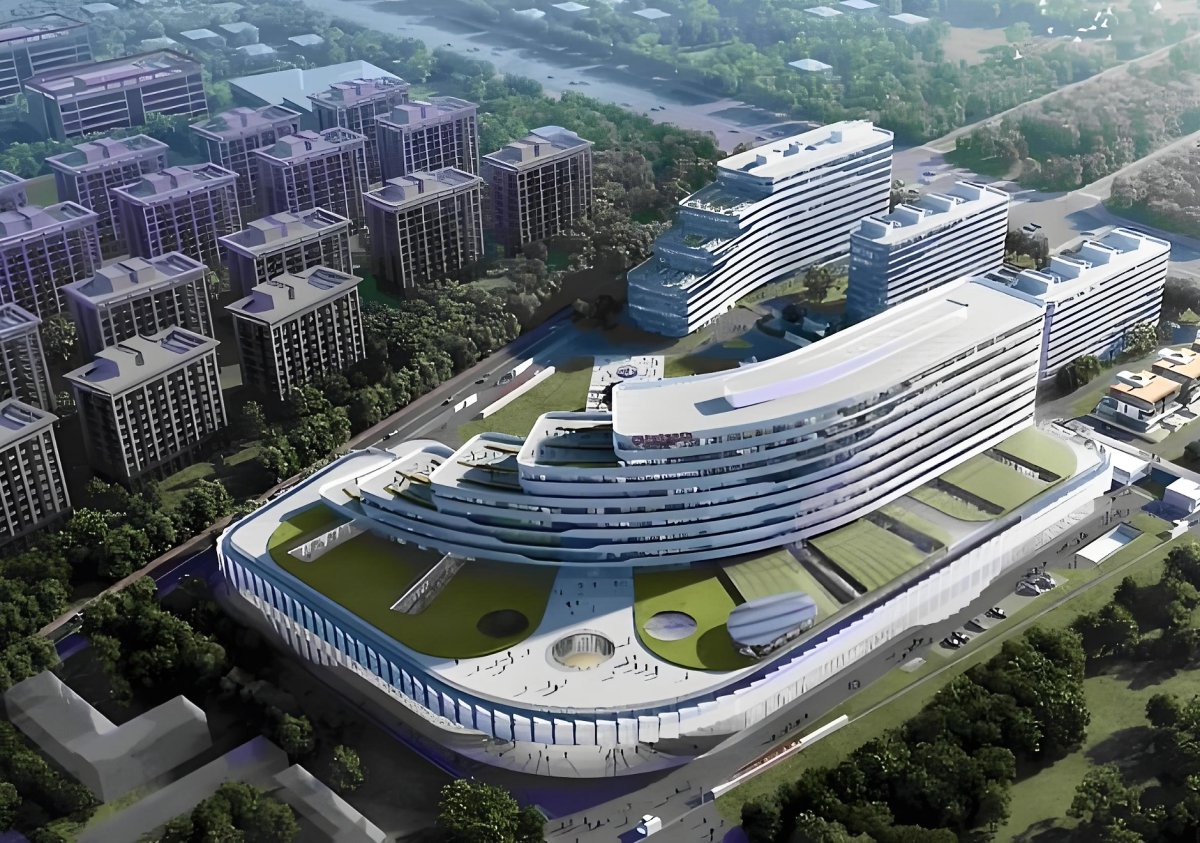
Descubra las mejores clínicas de tratamiento de Anemia aplásica en China: 1 opciones verificadas y Precios
Obtenga una evaluación médica de tratamiento de Anemia aplásica en China: haga una consulta con 9 médicos experimentados ahora
Ver todos los médicos
Xiao Yueyong
El profesor Xiao Yueyong es médico jefe del Departamento de Radiodiagnóstico del Hospital General del EPL de China. Es un experto líder en oncología intervencionista mínimamente invasiva. Es el primer presidente de WATA (2025–). Preside la Sociedad Internacional (2020–) y la Sociedad Asiática (2012–) de Crioterapia. También es subjefe del Grupo de Expertos de la NHC sobre regulaciones de ablación tumoral (2009–).
Ha realizado más de 100 000 procedimientos mínimamente invasivos guiados

Lu Peihua
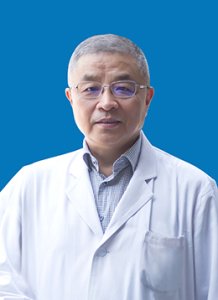
Zhao Daobin
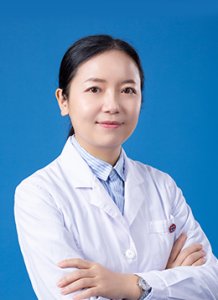
Lu Yue
Compartir contenido
Historias en video de pacientes de Bookimed
 Olena Sikoza
Preguntas frecuentes sobre el tratamiento de Anemia aplásica en China
¿Es seguro el trasplante de médula ósea para la anemia aplásica en China?
En China, el trasplante de médula ósea para la anemia aplásica se realiza de forma segura en centros especializados con un alto volumen de casos. Los centros líderes reportan tasas de supervivencia a 5 años del 70% al 90%. Protocolos especializados, como el Protocolo de Beijing, permiten el éxito del trasplante haploidéntico. Estos centros siguen guías estandarizadas basadas en la evidencia, desarrolladas teniendo en cuenta la seguridad del paciente.
- Tasas de supervivencia: En las principales instituciones médicas, la tasa de supervivencia a cinco años para los niños alcanza aproximadamente el 85%.
- Protocolos innovadores: El Protocolo de Pekín permite realizar trasplantes con éxito a partir de donantes emparentados parcialmente compatibles.
- Gran afluencia de pacientes: El Hospital de Hematología Lu Daopei tiene una capacidad para 200.000 pacientes y 1.300 camas.
- Registro de donantes: China cuenta con aproximadamente 3,49 millones de donantes potenciales registrados, lo que ayuda a reducir las demoras en los procedimientos.
Opinión de expertos de Bookimed: El volumen de pacientes es un indicador fiable de seguridad en hematología en China. El Hospital de Hematología Lu Daopei atiende a 200 000 pacientes al año y cuenta con 350 médicos. Esta magnitud permite a cirujanos como el Dr. Xiao Huang especializarse en casos de alto riesgo. Los gran
¿Qué ocurre si no tengo un hermano donante compatible en China?
Los pacientes que carecen de un donante emparentado compatible suelen someterse a un trasplante haploidéntico mediante el Protocolo de Pekín. Este método utiliza familiares parcialmente compatibles, como padres o hijos. Los centros chinos reportan tasas de éxito comparables a las de una compatibilidad total. Otras opciones incluyen el registro del Programa de Donación de Médula Ósea de China o el uso de sangre del cordón umbilical.
- Trasplante haploidéntico: según el Protocolo de Pekín, se utilizan donantes familiares con un 50 % de compatibilidad HLA.
- Donante no emparentado: Obtiene acceso al Programa de Donación de Médula Ósea de China, que cuenta con 3,4 millones de voluntarios.
- Sangre del cordón umbilical: Se utilizan unidades preparadas previamente, a menudo en combinación con donantes haploidénticos por motivos de seguridad.
- Terapia inmunosupresora: combina fármacos y factores de crecimiento si se retrasa el trasplante.
Opinión de expertos de Bookimed: Los grandes centros, como el Hospital de Hematología Lu Daopei, atienden a más de 200 000 pacientes al año. Esta magnitud permite contar con la experiencia de especialistas pediátricos, como el Dr. Xiao Huang del Hospital Infantil de Beijing Kyoto. El elevado volumen de pacientes en China facilita la búsqueda de donantes compatibles a través de los registros nacionales. El tiempo de bú
¿Cuánto tiempo debo permanecer en China para un trasplante de médula ósea y cuál es el calendario de seguimiento?
Los pacientes deben planificar una estancia en China de 3 a 4 meses para el trasplante de médula ósea. Este periodo incluye 2 semanas de preparación y de 3 a 5 semanas de aislamiento hospitalario. A esto le sigue un periodo crítico de observación ambulatoria de 2 meses para confirmar el injerto y monitorizar la recuperación temprana.
- Fase de evaluación: Los análisis de sangre completos y la preparación requieren de 1 a 2 semanas.
- Periodo de hospitalización: Se prevé un periodo de entre 30 y 60 días de atención especializada en habitaciones de aislamiento estériles.
- Periodo de injerto: La recuperación suele producirse entre 14 y 21 días después de la transfusión de médula ósea.
- Control de la densidad de población: Durante los primeros 100 días se realizan controles diarios o dos veces por semana.
Opinión experta de Bookimed: El Hospital de Hematología Lu Daopei de Pekín atiende a 200 000 pacientes al año, y su plantilla de 350 médicos garantiza un alto nivel de especialización. Este elevado volumen de trabajo exige conocimientos especializados en casos complejos, tanto en niños como en adultos. Médicos como el Dr. Xiao Huang, del Hospital Infantil de Kioto de Pekín, suelen realizar el seguimiento de los pacientes a distancia mediante WeChat. Este acceso digital facilita el seguimiento tras el alta hospitalaria de 90 días.
Op
¿Cuáles son las principales complicaciones a las que hay que prestar atención después de un trasplante en China?
La recuperación tras un trasplante de órganos por anemia aplásica en China requiere una monitorización exhaustiva para detectar la enfermedad de injerto contra huésped e infecciones potencialmente mortales. Los pacientes deben ser monitorizados diariamente para detectar fiebre, erupciones cutáneas y alteraciones digestivas. El rechazo o fallo del injerto sigue siendo un riesgo importante. Las altas tasas de supervivencia dependen de protocolos de esterilidad estrictos y análisis de sangre periódicos.
- Enfermedad de injerto contra huésped: Esté atento al enrojecimiento de la piel, la diarrea persistente o los síntomas de ictericia.
- Infecciones bacterianas: Staphylococcus aureus y Klebsiella pneumoniae son factores de riesgo regionales comunes.
- Reactivación viral: Se debe realizar un seguimiento para detectar hepatitis B, citomegalovirus y herpes zóster.
- Efectos tóxicos del tratamiento: Las dosis elevadas pueden provocar náuseas intensas, mucositis o problemas hepáticos.
Opinión de expertos de Bookimed: El Hospital de Hematología Lu Daopei atiende a 200 000 pacientes al año y cuenta con 1300 camas. Este enorme volumen permite a especialistas como el Dr. Xiao Huang tratar a niños de alto riesgo con más de 20 años de experiencia. Los grandes centros chinos suelen ofrecer una amplia experiencia en casos de incompatibilidad de órganos donados. S
¿Qué ciudades de China cuentan con los centros de trasplante de órganos para la anemia aplásica más concurridos y con mayor experiencia?
Pekín, Suzhou y Hangzhou albergan los centros de trasplante de órganos para anemia aplásica más activos de China. Pekín ocupa el primer lugar en el país, realizando el 21% de todos los trasplantes. Estos centros se especializan en el trasplante de células madre hematopoyéticas. Utilizan protocolos avanzados para donantes parcialmente compatibles, lo que mejora las tasas de supervivencia a largo plazo.
- En el Hospital Popular de la Universidad de Pekín , en Beijing , se realizan anualmente más de 1.000 trasplantes de células madre.
- Infraestructura especializada: El Hospital de Hematología Lu Daopei cuenta con 1.300 camas y 30 departamentos especializados.
- Experiencia en Suzhou: El Primer Hospital Afiliado de la Universidad de Soochow realiza aproximadamente 800 trasplantes al año.
- Atención pediátrica: El Hospital Infantil de Beijing y Kioto cuenta con departamentos especializados para el tratamiento de enfermedades hematológicas pediátricas de alto riesgo.
Opinión de expertos de Bookimed: El volumen de pacientes es un indicador fiable de la pericia de los especialistas en enfermedades hematológicas complejas. El Hospital de Hematología Lu Daopei atiende a 200 000 pacientes al año y cuenta con 350 médicos especialistas. Esta magnitud permite una alta especialización en el tratamiento de enfermedades raras, como la anemia aplásica. Los centro
¿Qué tipo de apoyo lingüístico y documentación médico-legal pueden esperar los pacientes internacionales?
Los pacientes extranjeros en China reciben asistencia médica y legal profesional, así como apoyo lingüístico a través de departamentos internacionales especializados. Los centros médicos suelen contar con especialistas bilingües e intérpretes médicos. Entre los documentos requeridos se incluyen formularios de consentimiento informado, resúmenes de alta e informes médicos. Los centros especializados ofrecen asistencia para obtener traducciones certificadas, necesarias para la prórroga de visados médicos.
- Asistencia lingüística: Intérpretes médicos profesionales ofrecen servicios de traducción presencial o por videollamada.
- Personal bilingüe: Los hospitales internacionales de hematología emplean a médicos y enfermeras que dominan el inglés.
- Consentimiento informado legalmente: Los pacientes firman un formulario de consentimiento informado traducido que describe todos los riesgos y beneficios del trasplante.
- Asistencia para visados: Los departamentos internacionales emiten certificados médicos sellados para las solicitudes de visado.
Opinión de expertos de Bookimed: Si bien el Hospital de Hematología Lu Daopei atiende a 200 000 pacientes anualmente, su especialización en hematología permite un proceso de documentación simplificado. Para casos complejos de anemia aplásica, los pacientes deben optar por hospitales con departamentos internacion