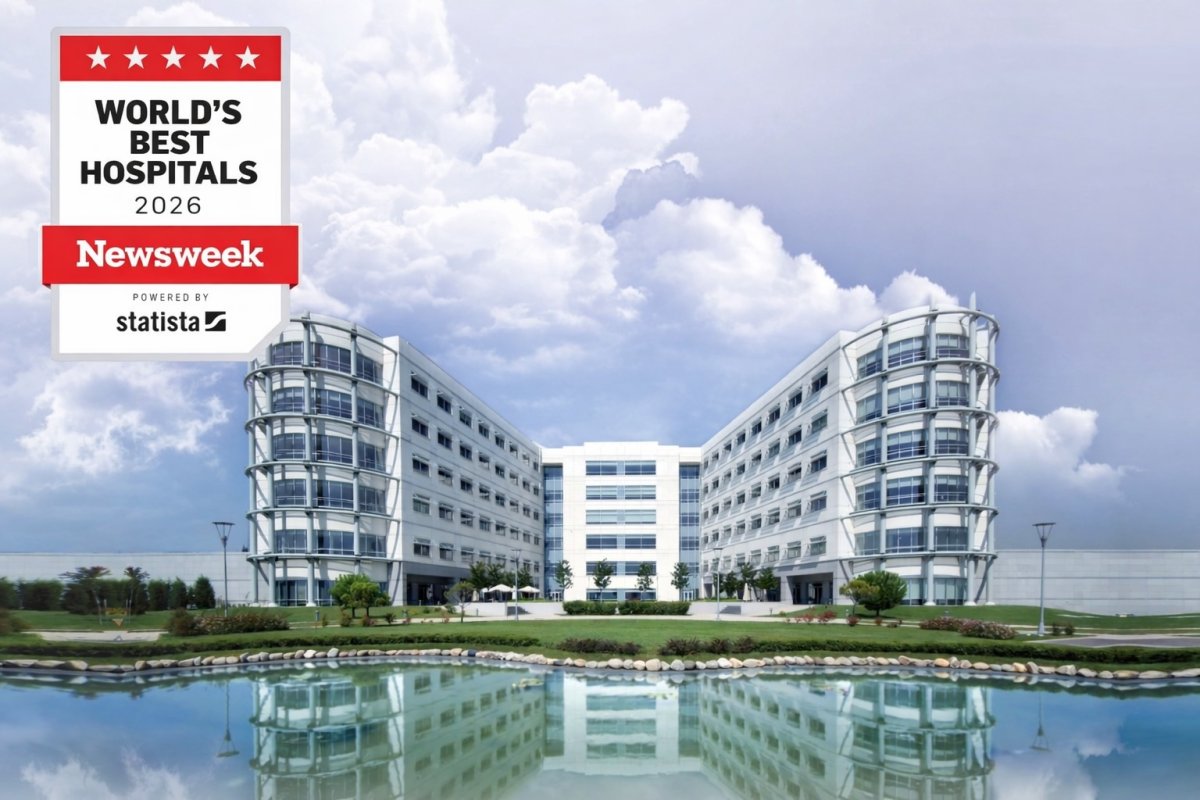
Centro médico Anadolu
Turquía, Estambul
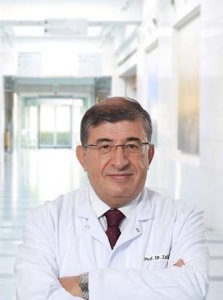
Zafer Gulbas
49 años de experiencia • 3315+ tratamientos realizados
acreditaciones : 
Clínica certificada por : 



Revisado médicamente por
Fahad Mawlood
El costo del tratamiento de la anemia aplásica en Turquía varía según el enfoque del tratamiento. Un paquete de diagnóstico integral, que incluye análisis de sangre, aspiración de médula ósea y análisis genético, cuesta aproximadamente 9.400 €. La tipificación HLA de alta resolución para una persona cuesta alrededor de 1.220 €. La terapia inmunosupresora triple, que incluye una hospitalización de 6 semanas, se estima en 70.000 €. Un trasplante alogénico de médula ósea de un donante relacionado puede costar 55.000 €, mientras que de un donante no relacionado, puede variar de 75.000 € a 91.000 €. El plan de tratamiento se adapta después de una evaluación detallada por parte del equipo médico.



El Prof. Dr. Zafer Gulbas es el hematólogo-oncólogo número 1 de Turquía, especializado en trasplantes de médula ósea en el Centro Médico Anadolu.

El Dr. Bülent Karagöz es un destacado oncólogo médico turco con más de 33 años de experiencia, especializado en biología tumoral e inmunoterapia.
El Prof. Sevindik se formó en el departamento de hematología de la Clínica Mayo y ha publicado más de 100 artículos sobre afecciones hematológicas. Actualmente dirige el departamento de hematología en el Hospital Florence Nightingale de Estambul.

El profesor Bulent Eser se especializa en hematología con más de _doctor_9528_años_ de experiencia académica y clínica en la Universidad de Erciyes.
 Olena Sikoza
La anemia aplásica es curable en Turquía mediante trasplante de médula ósea y terapia inmunosupresora. Los hospitales turcos reportan tasas de supervivencia de entre el 80% y el 99% para trasplantes. El éxito depende de procedimientos avanzados de células madre alogénicas y departamentos de hematología acreditados por la JCI que siguen protocolos internacionales.
Perspectiva del experto de Bookimed: Los centros de hematología turcos destacan porque operan como centros de trasplante de alto volumen. Memorial Healthcare Group gestiona la cooperación con bancos de donantes internacionales para encontrar coincidencias más rápido. Esta infraestructura respalda casos complicados que las clínicas regionales más pequeñas no pueden manejar. Médicos como los de Acibadem suelen tratar cientos de trastornos sanguíneos al año.
Consenso de los pacientes: Los pacientes valoran
Los centros de hematología turcos reportan una tasa de supervivencia a 5 años del 72,6% para la anemia aplásica. Las tasas de éxito de los trasplantes de médula ósea oscilan entre el 80% y el 99% en los centros líderes. Estos resultados dependen de la compatibilidad del donante, la edad del paciente y el uso de protocolos de trasplante acreditados por la JCI.
Perspectiva de expertos de Bookimed: Las tasas de éxito en Turquía son más altas en los centros con unidades especializadas de congelación de células madre. Por ejemplo, el Liv Hospital logra un 97% de éxito mediante el uso de tecnología avanzada de procesamiento celular. Los pacientes deben priorizar las clínicas con experiencia específica en la compatibilidad de donantes no emparentados para obtener mejores resultados.
Consenso de los pacientes: Los pacientes a menudo enfatizan que la interve
Anadolu Medical Center y Memorial Bahcelievler son centros líderes en anemia aplásica en Turquía. Estos hospitales cuentan con unidades de trasplante de médula ósea de gran volumen. Anadolu realiza por sí solo más de 250 trasplantes al año. Las instalaciones mantienen la acreditación JCI y asociaciones con instituciones como Johns Hopkins Medicine.
Opinión experta de Bookimed: Anadolu Medical Center destaca porque combina un alto volumen con una certificación especializada. Es el único centro en Turquía que posee acreditaciones tanto de la JCI como de la OECI (Organización de Institutos Europeos del Cáncer). El Prof. Dr. Zafer Gulbas cuenta con más de 40 años de experiencia. Esta combinación de credenciales institucionales y experiencia senior es rara a nivel mundial.
Consenso de los pacientes: Los pacientes destacan la tranquilidad que brindan l
Los turistas médicos deben planificar una estancia total de 3 a 6 meses en Turquía. Esto incluye de 4 a 8 semanas de hospitalización intensiva. Se requiere un periodo adicional de 1 a 3 meses de seguimiento ambulatorio local después del alta. La capacidad para viajar generalmente se alcanza una vez que los recuentos sanguíneos se estabilizan.
Opinión de expertos de Bookimed: El volumen de pacientes afecta los alojamientos disponibles. Los centros principales como Anadolu Medical Center o Medicana International reciben muchas solicitudes internacionales. Asegure un alojamiento local al menos 4 semanas antes del trasplante. Muchas clínicas incluyen varias noches en el hospital, pero la recuperación a largo plazo requiere un alojamiento separado fuera del centro.
Consenso de los pacientes: Los pacientes enfatizan la importancia de permanecer cerca de la clín
Los especialistas clave en anemia aplásica en Turquía incluyen al Prof. Dr. Zafer Gulbas y al Prof. Dr. Burhan Ferhanoglu. Estos expertos ejercen en centros importantes de Estambul y Ankara. Muchos poseen certificaciones prestigiosas. La mayoría cuenta con más de 25 años de experiencia en hematología especializada y trasplantes.
Perspectiva del experto de Bookimed: La hematología turca prospera gracias a un liderazgo a largo plazo. La mayoría de los especialistas clave han dirigido sus departamentos durante más de 20 años. El Prof. Dr. Zafer Gulbas incluso fundó el centro de trasplantes en su clínica. Esta continuidad garantiza que los pacientes reciban atención de médicos que establecieron los protocolos nacionales. También explica por qué estas clínicas mantienen volúmenes tan altos de casos complejos.
Consenso de los pacientes: Los pacientes señalan el alivio de encontrar médicos que se formaron en lo