Tumor desmoide Tratamiento en Israel — Costos 2026


Revisado médicamente por
Fahad Mawlood
¿Cuál es el precio del diagnóstico y los tratamientos de Tumor desmoide en Israel? Descubra ahora
Sus beneficios y garantías con Bookimed
Precios directos
Bookimed no añade cargos extra a los precios de los tratamientos de Tumor desmoide. Las tarifas proceden de las listas de precios oficiales de las clínicas. Pagará directamente en la clínica por su tratamiento a su llegada al país.
Sólo clínicas y médicos verificados
Bookimed está comprometido con su seguridad. Solo trabajamos con las clínicas que mantienen altos estándares internacionales en el tratamiento de Tumor desmoide y cuentan con las licencias necesarias para atender a pacientes internacionales en todo el mundo.
Asistencia 24/7 gratuita
Bookimed ofrece asistencia experta gratuita. Un coordinador médico personal le apoya antes, durante y después de su tratamiento, resolviendo cualquier problema. Nunca estará solo en su viaje médico de tratamiento de Tumor desmoide.

Su coordinador médico personal de Bookimed
- Le apoya en cada etapa
- Ayuda a elegir la clínica y el médico adecuados
- Asegura un acceso rápido y conveniente a la información
Descubra las mejores clínicas de tratamiento de Tumor desmoide en Israel: 1 opciones verificadas y Precios





Obtenga una evaluación médica de tratamiento de Tumor desmoide en Israel: haga una consulta con 6 médicos experimentados ahora
Ver todos los médicos
Arnon Nagler Md
El Dr. Arnon Nagler es hematólogo en el Centro Médico Sheba en Israel. Es profesor en la Universidad de Tel Aviv y un reconocido experto en trasplantes. El Dr. Nagler fundó el primer banco público de sangre de cordón umbilical de Israel. También realizó los primeros trasplantes de sangre de cordón umbilical en el país. Completó su formación posdoctoral en la Universidad de Stanford y está certificado por el consejo en hematología.
- Pionero en protocolos de trasplante alogénico de in
Almog Ben Yaacov
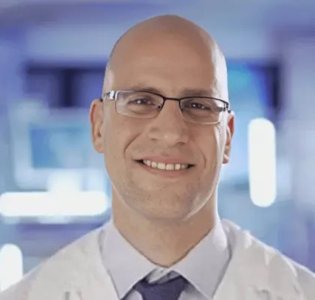
El Dr. Almog Ben‑Yaacov es cirujano adjunto del Departamento de Cirugía General y Oncológica (Cirugía C) del Centro Médico Sheba. Se especializa en cirugía citorreductora (CRS) con quimioterapia intraperitoneal hipertérmica (HIPEC). Su enfoque clínico incluye cáncer gástrico, sarcomas y neoplasias colorrectales complejas. Desde 2018 ha realizado más de 200 procedimientos de HIPEC.
Doctor en Medicina (MD) por la Universidad Semmelweis, 2006, con honores. Formación en cirugía cardiotorác
Yuri Goldes
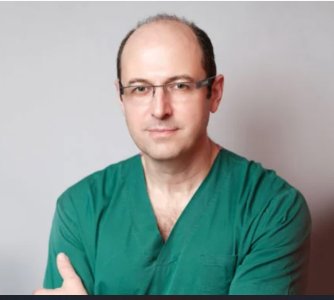
El Dr. Yuri Goldes es cirujano general con más de 20 años de experiencia clínica. Se especializa en cirugía gastrointestinal alta y oncológica. Es subdirector del Departamento de Cirugía General y Trasplante del Centro Médico Sheba en Tel Aviv y dirige la Unidad de Cirugía Gastrointestinal Alta. En 2025 fue incluido en la lista de los Mejores Médicos de Forbes Israel. Está entre los mejores cirujanos gastrointestinales de Israel según Forbes. En 2019 recibió el premio “Médico del Año” del Min
Beni Boursi
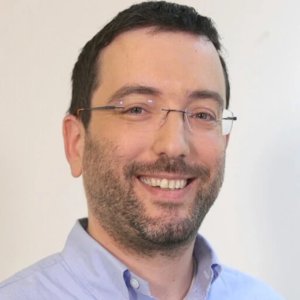
El Prof. Ben Boursi es médico del Departamento de Cáncer Gastrointestinal del Centro Médico Sheba. Se especializa en medicina interna, oncología médica y epidemiología del cáncer. Está certificado por la junta en medicina interna y oncología médica. Obtuvo un B.Med.Sc (summa cum laude) y un MD (magna cum laude) de la Universidad de Tel Aviv.
Completó becas clínicas y de investigación en oncología gastrointestinal y epidemiología del cáncer en la Universidad de Pensilvania. También real
Compartir contenido
Historias en video de pacientes de Bookimed
 Olena Sikoza
Preguntas frecuentes sobre el tratamiento de Tumor desmoide en Israel
¿Son malignos los tumores desmoides y cuál es el tratamiento estándar de primera línea en Israel?
Los tumores desmoides son benignos porque no hacen metástasis en órganos distantes. Son localmente agresivos e invaden los tejidos cercanos. En Israel, el tratamiento estándar de primera línea es la vigilancia activa con seguimiento mediante resonancia magnética (IRM) cada 3 a 6 meses. Este enfoque prioriza la observación sobre la cirugía inmediata.
- Enfoque de primera línea: Se prefiere la vigilancia activa para pacientes asintomáticos mediante escaneos de IRM periódicos.
- Tasa de regresión: Aproximadamente del 20% al 30% de los tumores desmoides se reducen o estabilizan espontáneamente.
- Criterios quirúrgicos: Los expertos reservan la cirugía para casos de crecimiento rápido o amenazas a la función de órganos vitales.
- Riesgo de recurrencia: Las tasas de recurrencia posquirúrgica oscilan entre el 25% y el 60% debido al crecimiento infiltrativo.
- Terapias alternativas: Los médicos utilizan inhibidores de la tirosina quinasa o crioablación cuando los tumores progresan durante la observación.
Perspectiva del experto de Bookimed: Los centros oncológicos israelíes como el Sourasky Medical Center informan de altas tasas de éxito mediante el uso de juntas multidisciplinarias de sarcomas. Estas juntas a menudo retrasan la cirugía en favor de terapias farmacológicas dirigidas. Los datos muestran que las clínicas con acredi
¿Quiénes son los principales especialistas en tumores desmoides y sarcomas en Israel?
Los principales especialistas en tumores desmoides y sarcomas de Israel incluyen al Prof. Ofer Merimsky en el Centro Médico Sourasky y al Dr. Almog Ben Yaacov en el Centro Médico Sheba. Estos expertos utilizan juntas de tumores multidisciplinarias para gestionar neoplasias malignas raras de tejidos blandos. Los centros de tratamiento en Tel Aviv reportan una tasa de éxito del 90% en casos oncológicos.
- Experiencia en oncología quirúrgica: El Dr. Almog Ben Yaacov realiza resecciones complejas de sarcomas y procedimientos robóticos en Sheba.
- Oncología médica avanzada: El Prof. Ofer Merimsky dirige el Centro Nacional de Sarcomas de Hueso y Tejidos Blandos.
- Radiología intervencionista: Especialistas como el Dr. Eldad Elnekave proporcionan crioablación y embolización con fármacos para desmoides.
- Enfoque en uro-oncología: El Prof. Zohar Dotan gestiona sarcomas genitourinarios en el Centro Médico Sheba utilizando técnicas robóticas.
Perspectiva del experto de Bookimed: Los especialistas israelíes priorizan las técnicas de preservación de órganos sobre la cirugía agresiva para los tumores desmoides. Los datos muestran que centros como el Centro Médico Sourasky tratan a más de 400,000 pacientes anualmente con una tasa de éxito oncológico del 90%. Estas instituciones de alto volumen utilizan juntas de tumores conjuntas para evitar cirugías inneces
¿Qué hospitales en Israel cuentan con equipos multidisciplinarios dedicados a los sarcomas?
Israel alberga varios centros terciarios con equipos multidisciplinarios especializados en sarcomas. Estas unidades integran oncólogos ortopédicos, patólogos y radiólogos para tratar tumores óseos y de tejidos blandos. Entre las instalaciones destacadas se encuentran el Sourasky Medical Center, el Sheba Medical Center y el Hadassah University Medical Center. Utilizan comités de tumores especializados para determinar los protocolos de tratamiento.
- Sourasky Medical Center: Alberga un Centro Nacional de Sarcomas reconocido para casos pediátricos y adultos.
- Sheba Medical Center: Cuenta con un Departamento de Sarcomas especializado en procedimientos avanzados de preservación de extremidades.
- Hadassah Medical Center: Proporciona evaluaciones integrales que incluyen radioterapia avanzada y reconstrucciones quirúrgicas multietapa.
- Rambam Health Care Campus: Sirve como el centro de referencia principal para sarcomas en el norte de Israel.
Perspectiva del experto de Bookimed: Los datos muestran que centros como el Sheba Medical Center emplean cirujanos con credenciales específicas del Memorial Sloan Kettering. Por ejemplo, el Dr. Almog Ben Yaacov y el Dr. Zohar Dotan completaron becas allí. Esto destaca una tendencia en la que los equipos de sarcoma israelíes están dirigidos por especialistas con gran experiencia en las principales instituciones
¿Cuál es la terapia intraarterial única disponible para los tumores desmoides en Israel?
Israel ofrece una terapia intraarterial única para los tumores desmoides llamada embolización intraarterial selectiva con liberación de doxorrubicina. Este procedimiento especializado se dirige directamente al suministro de sangre de los tumores. Administra quimioterapia altamente concentrada a través de microcatéteres. Este método minimiza la toxicidad sistémica mientras reduce eficazmente la masa tumoral.
- Mecánica del procedimiento: Microesferas liberan doxorrubicina directamente en las arterias nutricias.
- Toxicidad reducida: Concentrar los medicamentos en el tumor evita daños al corazón.
- Resultados clínicos: La investigación de los centros israelíes muestra una reducción media del volumen tumoral del 59 %.
- Manejo de síntomas: El alivio rápido del dolor permite a los pacientes reducir los medicamentos fuertes.
Perspectiva del experto de Bookimed: Los centros médicos israelíes como Sourasky (Ichilov) mantienen una tasa de éxito oncológico del 90 %. Nuestros datos indican que los pacientes que eligen Israel a menudo acceden a protocolos como la embolización con liberación de fármacos antes de considerar una cirugía radical. Esto es vital para los tumores desmoides en sitios anatómicos complejos. Estos centros gestionan un gran volumen de más de 400.000 pacientes al año. Esta experiencia es fundamental para gestionar correctamente las re
¿Qué terapias de ablación local no quirúrgicas se ofrecen en los hospitales israelíes?
Los hospitales israelíes ofrecen terapias de ablación no quirúrgicas avanzadas, que incluyen crioblación, ultrasonido focalizado de alta intensidad (HIFU) y ablación por radiofrecuencia (RFA). Estas tecnologías precisas destruyen tejidos anormales utilizando temperaturas extremas o corrientes eléctricas. Los centros especializados también ofrecen electroporación irreversible (NanoKnife) para tumores cercanos a estructuras sensibles como nervios o vasos sanguíneos.
- Crioblación: Utiliza el frío extremo del nitrógeno líquido para congelar y destruir las células tumorales.
- Tecnología MRgFUS: Emplea ondas de ultrasonido focalizadas para calentar tejidos profundos sin incisiones en la piel.
- Ablación por radiofrecuencia: Utiliza corrientes eléctricas de alta frecuencia para generar calor y neutralizar las lesiones objetivo.
- Terapia NanoKnife: Aplica pulsos eléctricos de alto voltaje para la ablación no térmica cerca de vasos sanguíneos críticos.
- SBRT: Administra haces de radiación concentrados como una herramienta no invasiva para la destrucción localizada de tejidos.
Perspectiva del experto de Bookimed: Los especialistas israelíes a menudo priorizan la ablación por microondas y NanoKnife para casos gastrointestinales o hepáticos complejos. El Dr. Almog Ben Yaacov, del Centro Médico Sheba, está específicamente capacit
¿Qué terapias farmacológicas sistémicas o dirigidas se prescriben para los tumores desmoides?
Las terapias sistémicas y dirigidas para los tumores desmoides incluyen inhibidores de la gamma-secretasa, inhibidores de la tirosina quinasa (ITK) y quimioterapia citotóxica. Los especialistas los prescriben cuando los tumores crecen rápidamente o causan dolor. Los centros oncológicos israelíes como el Sourasky Medical Center utilizan estos protocolos para los casos en los que la vigilancia activa no es suficiente.
- Inhibidores de la gamma-secretasa: El nirogacestat es el primer fármaco dirigido aprobado por la FDA para tumores desmoides progresivos.
- Inhibidores de la tirosina quinasa: Los médicos prescriben ITK orales como sorafenib y pazopanib para bloquear el suministro de sangre al tumor.
- Quimioterapia citotóxica: Se utilizan regímenes de vinblastina o metotrexato para tumores sintomáticos o anatómicamente críticos.
- Hormonoterapia: Los medicamentos antiestrógenos se utilizan a veces como opciones secundarias para casos de crecimiento lento.
Perspectiva del experto de Bookimed: Aunque muchas clínicas ofrecen atención oncológica general, es vital elegir un centro con un comité de tumores multidisciplinario. El Sheba Medical Center utiliza estos comités para personalizar los planes sistémicos. Sus expertos, como el Dr. Raanan Berger, se especializan en investigación molecular. Esto garantiza que los pacientes accedan a los últimos ITK,
¿Cuál es el proceso de recuperación típico y el calendario de seguimiento después del tratamiento de un tumor desmoide en Israel?
La recuperación después del tratamiento de un tumor desmoide en Israel varía según el procedimiento realizado. La resección quirúrgica requiere de varias semanas a meses para sanar. Las terapias mínimamente invasivas como la crioablación o el HIFU implican breves periodos de recuperación de dos días. Las terapias sistémicas se centran en el manejo de la fatiga y los problemas gastrointestinales.
- Recuperación quirúrgica: La curación física suele durar de varias semanas a meses para la estabilización del tejido.
- Enfoque en la rehabilitación: Los centros israelíes ofrecen terapia física y ocupacional personalizada para la movilidad.
- Calendario de seguimiento: Las visitas clínicas y las resonancias magnéticas se realizan inicialmente cada 3 a 6 meses.
- Vigilancia a largo plazo: Los controles anuales continúan después del quinto año para el monitoreo de recurrencias de por vida.
Perspectiva de expertos de Bookimed: Los centros oncológicos israelíes como el Sourasky Medical Center (Ichilov) aprovechan sus grandes volúmenes de pacientes para perfeccionar los protocolos de tumores raros. Su departamento de oncología reporta una tasa de éxito del 90%. Especialistas como el Dr. Almog Ben Yaacov en el Sheba Medical Center se centran en sarcomas complejos. Los cirujanos altamente experimentados suelen pasar a los pacientes a resonancias magnéticas c
¿Por qué Israel es uno de los principales destinos para la neurocirugía?
Israel es un centro líder en neurocirugía gracias a su combinación de avances médicos de alta tecnología y una experiencia quirúrgica de primer nivel. Instalaciones avanzadas como el Centro Médico Sheba utilizan sistemas de navegación basados en IA y resonancia magnética intraoperatoria en tiempo real. Centros especializados reportan una tasa de éxito del 98% en procedimientos complejos, como la craneotomía con el paciente despierto y el tratamiento de trastornos del movimiento.
- Tecnología avanzada: Las clínicas utilizan ultrasonido enfocado guiado por resonancia magnética (MRgFUS) y sistemas robóticos para realizar incisiones.
- Experiencia quirúrgica: Cirujanos como el Dr. Zvi Ram lideran asociaciones internacionales con más de 25 años de experiencia.
- Acceso rápido: Los pacientes internacionales generalmente pueden programar cirugías complejas de cerebro o columna en un plazo de 2 a 4 semanas.
- Atención médica acreditada: Grandes centros como Sourasky (Ichilov) y Assuta están acreditados por la JCI, lo que confirma su seguridad.
Opinión experta de Bookimed: Los datos muestran una clara diferencia entre las opciones de tratamiento públicas y privadas en Israel. Centros privados, como el Centro Médico Assuta, realizan más de 92.000 cirugías al año y permiten a los pacientes elegir a un cirujano líder específico. Esto supone una ventaja signi
¿Qué tipos de enfermedades neuroquirúrgicas se tratan en Israel?
Los neurocirujanos israelíes tratan una amplia gama de afecciones, desde tumores cerebrales y de médula espinal hasta trastornos funcionales complejos. Los centros especializados utilizan tecnologías de vanguardia, como el bisturí de rayos gamma, la estimulación cerebral profunda y la resonancia magnética intraoperatoria, para un diagnóstico altamente preciso de la epilepsia, la enfermedad de Parkinson y las patologías cerebrovasculares.
- Enfermedades oncológicas: tratamiento de gliomas, meningiomas y tumores hipofisarios mediante resección de la base del cráneo.
- Trastornos funcionales: tratamiento de la enfermedad de Parkinson y del temblor esencial mediante estimulación cerebral profunda.
- Patologías de columna: corrección de escoliosis, hernias discales y tumores espinales mediante sistemas robóticos.
- Tratamiento de las enfermedades cerebrovasculares: tratamiento quirúrgico de aneurismas cerebrales y malformaciones arteriovenosas mediante intervenciones endovasculares.
- Neurocirugía pediátrica: atención especializada en hidrocefalia y anomalías congénitas en centros pediátricos especializados.
Opinión experta de Bookimed: Los hospitales israelíes suelen combinar diversas especialidades para abordar casos complejos. En el Centro Médico Sourasky, neurocirujanos como el Dr. Zvi Lidar combinan neurocirugía y ortopedi
¿Qué hospitales en Israel son más conocidos por sus departamentos de neurocirugía?
Israel alberga centros neuroquirúrgicos de renombre mundial, como el Centro Médico Sourasky, el Centro Médico Sheba y el Centro Médico Hadassah. Estas instituciones son líderes mundiales en el tratamiento de tumores cerebrales complejos, enfermedades de la columna vertebral y trastornos del movimiento. Utilizan tecnologías de vanguardia como el bisturí de rayos gamma, sistemas robóticos y resonancia magnética intraoperatoria.
- Suraski (Ichilov): realiza más de 2.500 operaciones neuroquirúrgicas al año en Tel Aviv con una tasa de éxito del 98%.
- Centro Médico Sheba: clasificado entre los diez mejores hospitales del mundo, trata a 1,9 millones de pacientes al año.
- Centro Médico Hadassah: Nominado al Premio Nobel de la Paz. Líder en neurocirugía pediátrica y terapia génica.
- Centro Médico Assuta: el centro médico privado más grande de Israel. Especializado en cirugías mínimamente invasivas de columna y cerebro.
- Hospital Infantil Schneider: un centro líder en neurocirugía pediátrica que trata a 275.000 niños al año.
Opinión experta de Bookimed: Nuestros datos muestran que, si bien la mayoría de los pacientes buscan tratamiento en Tel Aviv, el Centro Médico Rambam en Haifa ofrece una atención única para neurotraumatismos. Cuenta con una unidad especializada en cuidados neurocríticos que atiende a aproximadamente un milló