Tratamiento de Tumor desmoide en Turquía — obtenga 3 coincidencias personalizadas de clínicas


Revisado médicamente por
Fahad Mawlood
Cómo funciona
¿Cuál es el precio del diagnóstico y los tratamientos de Tumor desmoide en Turquía? Descubra ahora
El costo total del tratamiento del tumor desmoide en Turquía depende de los procedimientos diagnósticos y terapéuticos específicos. Las consultas iniciales con un especialista cuestan 104 €, mientras que una biopsia y análisis histoquímico son 113 € por bloque. Los procedimientos de imagen, como una tomografía de tórax y una ecografía abdominal, tienen un precio de 311 € y 217 € respectivamente. Los análisis de sangre completos, incluidos los marcadores de hepatitis, ascienden a 905 €. El plan de tratamiento general se finaliza después de obtener los resultados de las pruebas y la evaluación del médico.
Descubra las mejores clínicas de tratamiento de Tumor desmoide en Turquía: 26 opciones verificadas y Precios









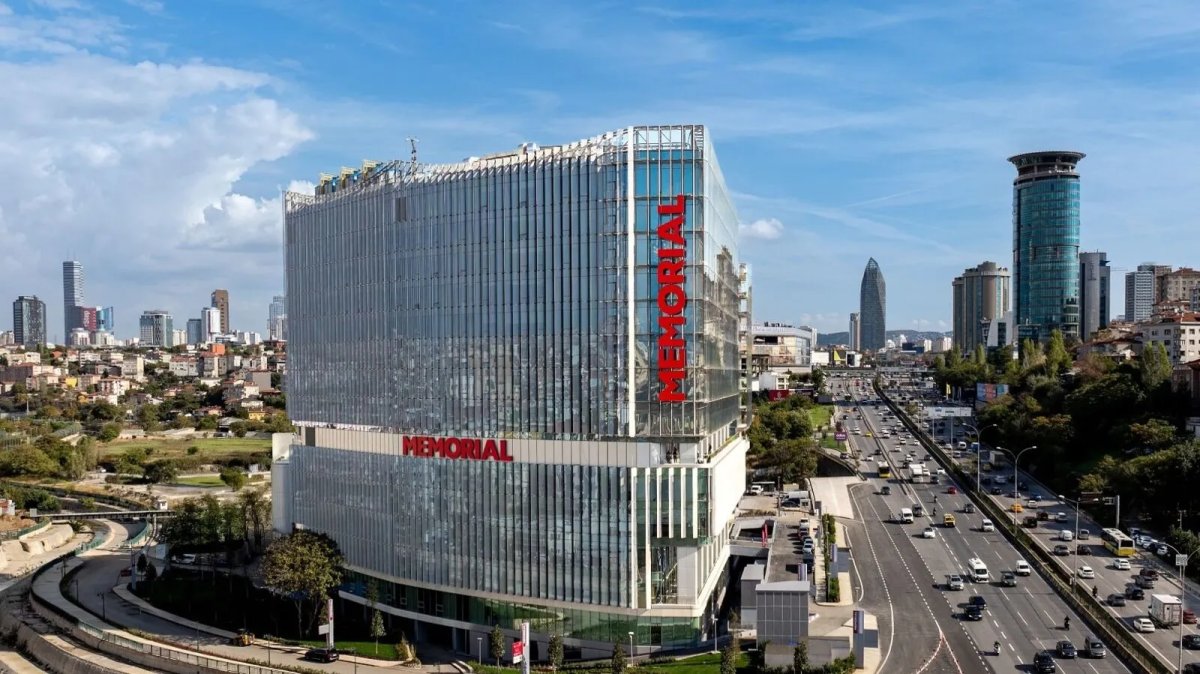
Memorial Göztepe Hospital



Memorial Ankara Hospital
Obtenga una evaluación médica de tratamiento de Tumor desmoide en Turquía: haga una consulta con 31 médicos experimentados ahora
Ver todos los médicos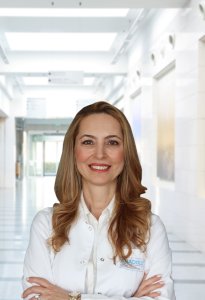
Banu Atalar
La Dra. Banu Atalar es oncóloga radioterápica con certificación de especialidad (Turquía, 2004). Es catedrática en la Universidad Acibadem MAA (2018–presente) y médica en Anadolu Medical Center (2026–presente). Se formó en Estambul y en Cerrahpaşa. En 2011 completó una beca de investigación clínica en Stanford en radiocirugía estereotáctica. Su práctica se centra en tumores del SNC, torácicos y gastrointestinales. Aproximadamente el 75% de su actividad clínica implica SRS y SRS adaptativa gui
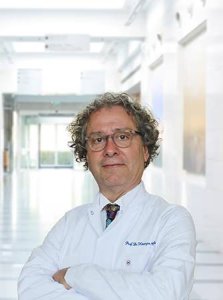
Huseyin Baloglu
El Prof. Hüseyin Baloğlu es especialista en patología en el Centro Médico Anadolu, en Gebze, Kocaeli, Turquía. Se centra en la patología molecular y quirúrgica, y en la biopsia y el diagnóstico de tumores.
Formación y acreditaciones: Médico (MD), Escuela de Medicina de GATA (1986). Especialidad en Patología, GATA (1992). Profesor asociado (Doçent), GATA (2004). Investigador visitante en el Albert Einstein College of Medicine (Nueva York) y la Universidad de Heidelberg.
Logros: a

Prof. Sezer Sağlam
El Prof. Sezer Sağlam es profesor de oncología médica con amplia experiencia en oncología gastrointestinal en el Hospital Gayrettepe Florence Nightingale.
- Certificado en Oncología Médica desde 2004
- Especializado en tumores gastrointestinales
- Miembro de ESMO, ASCO y la Asociación Turca de Oncología Médica
- Formado en la Universidad de Estambul, una institución médica líder

Sefik Igdem
El profesor doctor Sefik Igdem se especializa en oncología radioterápica avanzada con un enfoque en cánceres de cabeza y cuello y casos desafiantes como los tumores desmoides.
- Más de _doctor_8338_años_ de experiencia en oncología radioterápica
- Experto en tecnología Truebeam Stx y Halcyons para tratamientos precisos
- Ex profesor asociado en la Universidad T.R. Demiroğlu Bilim
- Trabaja en el Hospital Gayrettepe Florence Nightingale, un centro médico líder
Compartir contenido
Historias en video de pacientes de Bookimed
 Olena Sikoza
Preguntas frecuentes sobre el tratamiento de Tumor desmoide en Turquía
¿Es la cirugía todavía la principal opción de tratamiento?
La cirugía ya no es el tratamiento principal para los tumores desmoides en Turquía. Muchos centros oncológicos recomiendan ahora la vigilancia activa como enfoque de primera línea. Los especialistas médicos priorizan las terapias no invasivas, como el tratamiento hormonal o los inhibidores de la tirosina quinasa, para controlar estos tumores y minimizar el riesgo de recurrencia.
- Vigilancia activa: El control del tumor sin intervención inmediata suele ser la estrategia inicial preferida.
- Terapia médica: Los médicos utilizan AINE, terapias hormonales y fármacos dirigidos como los inhibidores de la tirosina quinasa.
- Cirugía basada en síntomas: La intervención quirúrgica se reserva normalmente para los tumores que causan dolor intenso o disfunción orgánica.
- Atención multidisciplinaria: Los especialistas en centros acreditados por la JCI, como el Anadolu Medical Center, coordinan protocolos oncológicos complejos.
Perspectiva del experto de Bookimed: Los centros oncológicos turcos a menudo implementan hallazgos de investigaciones internacionales para reducir la intervención quirúrgica. El Dr. Nail Paksoy, de Medipol Bahçelievler, ha publicado investigaciones sobre la eficacia del sorafenib para los tumores desmoides progresivos. Este cambio hacia la terapia farmacológica dirigida ayuda a los pacientes a evitar cirugías complejas mientras cont
¿Pueden los tumores desmoides propagarse a otros órganos (metástasis)?
Los tumores desmoides no hacen metástasis ni se propagan a órganos distantes a través del torrente sanguíneo o el sistema linfático. Estos tumores son localmente agresivos e invaden los músculos y nervios circundantes. Aunque no son malignos, a menudo reaparecen en la misma área después de la extirpación quirúrgica.
- Agresividad local: Los tumores crecen hacia el tejido sano, los nervios y los vasos sanguíneos circundantes, destruyéndolos.
- Enfermedad multifocal: Alrededor del 1-3% de los pacientes desarrollan múltiples tumores independientes en lugar de metástasis.
- Tasas de recurrencia: Estos tumores tienen una alta tendencia a volver a crecer después de la extirpación quirúrgica inicial.
- Impacto en los tejidos: El crecimiento puede comprimir estructuras vitales, incluidos el intestino, los músculos y los sistemas vasculares.
Opinión del experto de Bookimed: Los centros oncológicos turcos brindan acceso a una experiencia doblemente especializada que a menudo falta en otros lugares. El Dr. Nail Paksoy en Medipol Bahçelievler tiene una investigación especializada sobre el sorafenib para casos progresivos. Este enfoque en la oncología médica en lugar de solo en la cirugía es vital, ya que la cirugía a menudo desencadena un mayor crecimiento tumoral.
Consenso de los pacientes: Los pacientes señalan que encontrar un es
¿Cuánto tiempo necesitaré permanecer en Turquía para el tratamiento?
El tratamiento de un tumor desmoide en Turquía generalmente requiere de 7 a 14 días para la cirugía o las evaluaciones iniciales. Si su plan incluye radioterapia, su estadía puede extenderse a varias semanas para las sesiones diarias. Los casos quirúrgicos complejos requieren tiempo adicional para la recuperación y la obtención de los resultados de patología antes de viajar.
- Recuperación quirúrgica: La mayoría de los pacientes necesitan de 7 a 10 días para la cirugía y la curación.
- Fase de diagnóstico: Las imágenes iniciales y las biopsias generalmente toman de 3 a 5 días hábiles.
- Protocolos de radioterapia: Los tratamientos diarios pueden extender la estadía necesaria a 4 o 6 semanas.
- Autorización para viajar: Los cirujanos suelen requerir un seguimiento de 5 a 7 días después del procedimiento.
Opinión del experto de Bookimed: Los datos sobre el volumen de pacientes destacan a Turquía como un centro líder, con el Hospital Universitario Medipol Mega atendiendo a 1.000.000 de pacientes al año. Los centros de alta capacidad a menudo proporcionan resultados de patología más rápidos que las clínicas más pequeñas. Esta eficiencia puede reducir su estadía en 2 o 3 días durante la fase de diagnóstico crítica.
Consenso de los pacientes: Los pacientes señalan que es importante empacar ropa adicional y fondos para los días
¿Hay médicos en Turquía especializados en tumores desmoides?
Turquía cuenta con oncólogos especialistas y equipos multidisciplinarios de sarcomas que tratan tumores desmoides raros. Entre los expertos destacados se encuentra el Dr. Nail Paksoy en el Hospital Universitario Medipol Bahçelievler, quien posee la certificación de la ESMO. Centros líderes acreditados por la JCI, como el Anadolu Medical Center y el Istanbul Florence Nightingale, brindan atención especializada.
- Experiencia especializada: El Dr. Nail Paksoy investiga la eficacia del sorafenib para tumores desmoides progresivos previamente tratados.
- Credenciales avanzadas: Los principales especialistas cuentan con certificaciones de la Sociedad Europea de Oncología Médica (ESMO).
- Instalaciones clínicas: El Istanbul Florence Nightingale Hospital opera como un centro oncológico inteligente y ecológico.
- Acceso tecnológico: El Hospital Universitario Medipol Mega utiliza sistemas quirúrgicos CyberKnife y Da Vinci.
Opinión del experto de Bookimed: Los líderes en oncología turca suelen especializarse en subgrupos médicos específicos en lugar de solo en cáncer general. El Dr. Nail Paksoy en Medipol lidera ensayos clínicos internacionales que se centran específicamente en los resultados de los tumores desmoides. Este enfoque académico garantiza que los pacientes reciban protocolos validados por estándares de investigación globales.
C
¿Debo traer mis portaobjetos de patología originales y mis imágenes?
Sí, debe traer los portaobjetos de patología originales y las imágenes (CD o unidades USB) a Turquía. Los tumores desmoides son raros y complejos. Los especialistas turcos requieren estos materiales para verificar su diagnóstico. Tener los originales evita repetir pruebas y ahorra tiempo durante la planificación de su tratamiento.
- Revisión de patología: Los patólogos reexaminan los portaobjetos de tejido para confirmar diagnósticos raros de tumores desmoides.
- Imágenes digitales: Los cirujanos utilizan archivos DICOM sin procesar para una cartografía y planificación precisa del tumor.
- Evitar escaneos duplicados: Las imágenes originales evitan la exposición innecesaria a radiación y reducen los costos totales.
- Tratamiento rápido: Tener registros físicos asegura una revisión inmediata por parte de su equipo de oncología.
Perspectiva del experto de Bookimed: Los tumores desmoides requieren una experiencia muy especializada que a menudo se encuentra en el Anadolu Medical Center, que está afiliado al Johns Hopkins Hospital. Nuestros datos muestran que especialistas de primer nivel como el Prof. Asoc. Nail Paksoy en Medipol han publicado investigaciones específicas sobre tratamientos para desmoides. Traer sus portaobjetos originales permite que estos expertos apliquen su conocimiento especializado de inmediato, en lugar de esperar semanas para