Tumor desmoide Tratamiento en México — Costos 2026


Revisado médicamente por
Fahad Mawlood
¿Cuál es el precio del diagnóstico y los tratamientos de Tumor desmoide en México? Descubra ahora
Sus beneficios y garantías con Bookimed
Precios directos
Bookimed no añade cargos extra a los precios de los tratamientos de Tumor desmoide. Las tarifas proceden de las listas de precios oficiales de las clínicas. Pagará directamente en la clínica por su tratamiento a su llegada al país.
Sólo clínicas y médicos verificados
Bookimed está comprometido con su seguridad. Solo trabajamos con las clínicas que mantienen altos estándares internacionales en el tratamiento de Tumor desmoide y cuentan con las licencias necesarias para atender a pacientes internacionales en todo el mundo.
Asistencia 24/7 gratuita
Bookimed ofrece asistencia experta gratuita. Un coordinador médico personal le apoya antes, durante y después de su tratamiento, resolviendo cualquier problema. Nunca estará solo en su viaje médico de tratamiento de Tumor desmoide.

Su coordinador médico personal de Bookimed
- Le apoya en cada etapa
- Ayuda a elegir la clínica y el médico adecuados
- Asegura un acceso rápido y conveniente a la información
Descubra las mejores clínicas de tratamiento de Tumor desmoide en México: 6 opciones verificadas y Precios


Clínica de terapia con células madre Giostar

Giostar Stem Cell Therapy | Playa del Carmen Clinic




Holistic Bio Spa®

Giostar Stem Cell Therapy | Playa del Carmen Clinic
Obtenga una evaluación médica para Tumor desmoide en México: consulte con doctores experimentados ahora
Ver todos los médicos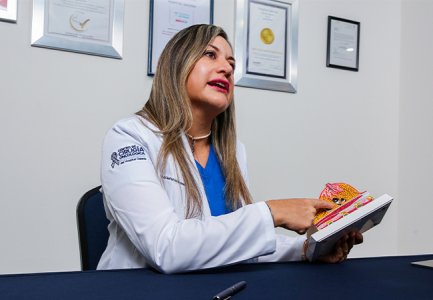
Brenda Pastrana
Oncólogo quirúrgico certificado especializado en tumores desmoides – El Dr. Pastrana combina habilidades quirúrgicas precisas con experiencia académica en el Hospital Galenia.
- Más de _doctor_10452_años_ de experiencia en oncología quirúrgica especializada
- Miembro de la Sociedad Mexicana de Oncología (SMEO)
- Profesor universitario en la Escuela de Medicina Anáhuac desde 2020
- Doble certificación por CONACEM

Eslie Perez
Jefa de Enseñanza en el Hospital Regional de Puerto Vallarta – Eslie Perez combina la educación con la experiencia clínica práctica.
- Certificada en Biomagnetismo por el Instituto Superior de Biomagnetismo
- Especializada en procedimientos quirúrgicos mínimamente invasivos
- Experiencia con tratamientos avanzados de láser y radiofrecuencia
- Atiende necesidades dermatológicas tanto médicas como cosméticas
Compartir contenido
Historias en video de pacientes de Bookimed
 Olena Sikoza
Preguntas frecuentes sobre el tratamiento de Tumor desmoide en México
¿Son los tumores desmoides cáncer y qué tan peligrosos son?
Los tumores desmoides no son cancerosos, ya que no hacen metástasis en órganos distantes. Son localmente agresivos e invaden tejidos, nervios y vasos sanguíneos cercanos. Aunque técnicamente son benignos, su comportamiento se asemeja al de los sarcomas de bajo grado. Debido al alto riesgo de recurrencia, a menudo requieren tratamiento oncológico especializado.
- Invasión local: Estos tumores se comportan como el cáncer al penetrar en músculos y tendones sanos.
- Nivel de peligro: Se convierten en una amenaza para la vida cuando comprimen órganos vitales como el intestino o los pulmones.
- Tasa de recurrencia: Los tumores desmoides a menudo regresan al mismo lugar incluso después de la extirpación quirúrgica.
- Estándares de acreditación: Las instituciones mexicanas, como el Hospital Galenia, mantienen la acreditación de la Joint Commission International (JCI) para garantizar la seguridad.
Opinión de expertos de Bookimed: Aunque los pacientes a menudo se centran en que el tumor es «benigno», los centros oncológicos mexicanos los tratan con el mismo rigor que a los sarcomas. Los cirujanos oncológicos especializados, como la Dra. Brenda Pastrana del Hospital Galenia, hacen hincapié en la certificación CONACEM. Esto garantiza la experiencia en resecciones complejas, donde prevenir el daño a los nervios es fundamental para preservar la función de la
¿Cuáles son las principales opciones de tratamiento para los tumores desmoides en México?
México ofrece un enfoque multidisciplinario para el cuidado de los tumores desmoides. Las opciones incluyen vigilancia activa, manejo médico sistémico y cirugía especializada. Los centros acreditados en Cancún y Ciudad de México utilizan protocolos certificados por la JCI. El tratamiento se centra en estabilizar el crecimiento del tumor mientras se preserva la función y la calidad de vida del paciente.
- Vigilancia activa: Monitoreo regular mediante resonancia magnética para tumores estables para evitar intervenciones quirúrgicas innecesarias.
- Terapia sistémica: Uso de AINEs, tratamientos hormonales e inhibidores de la tirosina quinasa dirigidos.
- Oncología quirúrgica: Extirpación dirigida reservada para casos sintomáticos para mantener la función física.
- Atención integrativa: Las clínicas pueden complementar los protocolos estándar con inmunoterapia o tecnologías regenerativas.
Perspectiva del experto de Bookimed: El análisis de los proveedores de oncología mexicanos revela una señal de calidad significativa en las credenciales quirúrgicas. Por ejemplo, la Dra. Brenda Pastrana en el Hospital Galenia mantiene certificaciones dobles hasta 2030. Esta certificación a largo plazo asegura que los pacientes reciban atención alineada con los estándares internacionales modernos de seguridad. Los centros privados a menudo combinan estos estándares
¿Debo consultar a un especialista para un tumor desmoide?
Buscar un especialista para un tumor desmoide es vital debido a su complejidad. Estos raros tumores de tejido blando requieren el manejo de un equipo especializado en sarcomas o un oncólogo quirúrgico. La atención multidisciplinaria experta ayuda a prevenir recurrencias y evita cirugías innecesarias mediante la vigilancia activa o terapias dirigidas.
- Experiencia en sarcomas: Los equipos especializados incluyen patólogos que distinguen los desmoides de otras masas de tejido blando.
- Vigilancia activa: Los expertos a menudo monitorean los tumores estables en lugar de realizar cirugías para evitar la pérdida funcional.
- Certificación: Oncólogos quirúrgicos como la Dra. Brenda Pastrana mantienen la certificación Conacem para atención oncológica especializada.
- Variedad de tratamientos: Los especialistas ofrecen terapias sistémicas, crioablación o enfoques integrativos como protocolos de vitamina C en dosis altas.
Perspectiva del experto de Bookimed: Los indicadores de calidad para el tratamiento de desmoides en México a menudo involucran centros de alto volumen en lugar de hospitales generales. El Hospital Galenia atiende a más de 10,000 pacientes anualmente y cuenta con el estatus Diamond de Accreditation Canada. Elegir un centro con sellos de calidad internacionales asegura que los protocolos coincidan con los estándares globales de segurida
¿Es necesario realizar pruebas genéticas para un tumor desmoide?
Las pruebas genéticas para un tumor desmoide son necesarias para descartar la poliposis adenomatosa familiar (PAF). Esta condición hereditaria aumenta significativamente los riesgos de cáncer colorrectal. La prueba para la mutación CTNNB1 confirma un diagnóstico esporádico. Ayuda a diferenciar los desmoides de otros tumores de tejidos blandos para guiar el tratamiento.
- Detección de PAF: La prueba del gen APC identifica riesgos de cáncer de colon familiar.
- Confirmación diagnóstica: La mayoría de los tumores esporádicos presentan una mutación específica en el gen de la beta-catenina.
- Relevancia clínica: Las pruebas son vitales para pacientes más jóvenes o aquellos con tumores abdominales.
- Planificación del tratamiento: La secuenciación de nueva generación ayuda a los médicos a seleccionar terapias dirigidas apropiadas.
Perspectiva de expertos de Bookimed: Los indicadores de calidad en México a menudo superan los estándares locales en instalaciones como el Hospital Galenia. Cuenta tanto con la acreditación de la JCI como con el estatus Diamante de Accreditation Canada. Elegir un centro con certificaciones multinacionales garantiza el acceso a protocolos de diagnóstico rígidos. Estos protocolos son esenciales para el cribado genético complejo en oncología.
Consenso de los pacientes: Los pacientes señalan que un tumor
¿Cuál es la probabilidad de que un tumor desmoide reaparezca?
La recurrencia del tumor desmoide es un riesgo significativo, que normalmente oscila entre el 25 % y el 70 % después del tratamiento inicial. Incluso con márgenes quirúrgicos claros, se producen recidivas en el 15 % al 30 % de los casos. La mayoría reaparece en un plazo de 5 años, lo que pone de relieve la necesidad de una vigilancia clínica a largo plazo.
- Riesgo anatómico: Los tumores en las extremidades o en la pared torácica muestran tasas de recurrencia más altas.
- Factor de edad: Los pacientes más jóvenes enfrentan una mayor probabilidad de que el tumor regrese después del tratamiento.
- Márgenes quirúrgicos: Las células remanentes en el borde del tejido aumentan significativamente los riesgos de recrecimiento futuro.
- Patrón de crecimiento: Los zarcillos infiltrantes hacen que la extirpación completa de estos tumores agresivos sea técnicamente difícil.
Perspectiva del experto de Bookimed: Aunque la recurrencia es común, es importante seleccionar un centro con departamentos de oncología de alto volumen. El Hospital Galenia en Cancún trata a 10.000 pacientes al año y cuenta con la acreditación JCI. Este alto volumen a menudo se traduce en una planificación quirúrgica más precisa que ayuda a manejar márgenes complejos.
Consenso de los pacientes: Los pacientes señalan que la cirugía a veces puede provocar un recrec
¿Cómo puedo encontrar un especialista calificado para el tratamiento de tumores desmoides en México?
Puede encontrar especialistas calificados en México dirigiéndose a oncólogos quirúrgicos en instalaciones con acreditación de la Joint Commission International y certificaciones del Consejo Mexicano de Oncología. Busque centros como el Hospital Galenia que mantienen altos estándares de seguridad y ofrecen un manejo multidisciplinario de sarcomas para pacientes de América del Norte y Europa.
- Certificación del consejo: Verifique la certificación Conacem para oncólogos quirúrgicos como la Dra. Brenda Pastrana en el Hospital Galenia.
- Acreditación hospitalaria: Priorice las instalaciones con la Joint Commission International o el Estatus Diamante de Accreditation Canada para la seguridad.
- Tecnología especializada: Busque centros que proporcionen terapias de células NK alogénicas o protocolos de células madre mesenquimales.
- Enfoque de equipo: Asegúrese de que el centro utilice equipos multidisciplinarios que incluyan oncólogos, biólogos y especialistas en regeneración.
Opinión del experto de Bookimed: El volumen de pacientes es una señal de calidad importante para el cuidado complejo en México. El Hospital Galenia atiende a 10,000 pacientes cada año, mientras que los centros más pequeños se enfocan en tratamientos de nicho especializados. Elegir un centro de alto volumen garantiza que el equipo quirúrgico mantenga habilidades clínicas agudas
¿Se pueden tratar los tumores desmoides con métodos no invasivos?
Los tumores desmoides se tratan eficazmente con métodos no invasivos como la vigilancia activa, medicamentos sistémicos y ultrasonido focalizado de alta intensidad (HIFU). Los centros oncológicos mexicanos enfatizan el cuidado conservador para evitar las altas tasas de recurrencia asociadas con la cirugía. Los equipos especializados utilizan terapias dirigidas y tratamientos hormonales para controlar el crecimiento tumoral sin incisiones.
- Vigilancia activa: Los médicos monitorean los tumores estables mediante escaneos en serie para evitar procedimientos innecesarios.
- Terapia sistémica: Los medicamentos dirigidos y las terapias hormonales ayudan a reducir o detener la progresión tumoral.
- Tecnología HIFU: Las ondas de ultrasonido calientan y destruyen las células tumorales sin cortes quirúrgicos.
- Crioablación: Agujas mínimamente invasivas congelan el tejido tumoral durante sesiones ambulatorias simples.
Opinión del experto de Bookimed: Los centros médicos mexicanos como el Hospital Galenia brindan una ventaja distintiva para los pacientes internacionales a través de estándares de seguridad acreditados por la JCI combinados con diversos especialistas. Aunque muchos buscan la cirugía de inmediato, el alto volumen de pacientes internacionales en estos centros facilita un enfoque multidisciplinario donde oncólogos quirúrgicos como la Dra. Bre