Tumor desmoide Tratamiento en Corea del Sur — Costos 2026


Revisado médicamente por
Fahad Mawlood
¿Cuál es el precio del diagnóstico y los tratamientos de Tumor desmoide en Corea del Sur? Descubra ahora
Sus beneficios y garantías con Bookimed
Precios directos
Bookimed no añade cargos extra a los precios de los tratamientos de Tumor desmoide. Las tarifas proceden de las listas de precios oficiales de las clínicas. Pagará directamente en la clínica por su tratamiento a su llegada al país.
Sólo clínicas y médicos verificados
Bookimed está comprometido con su seguridad. Solo trabajamos con las clínicas que mantienen altos estándares internacionales en el tratamiento de Tumor desmoide y cuentan con las licencias necesarias para atender a pacientes internacionales en todo el mundo.
Asistencia 24/7 gratuita
Bookimed ofrece asistencia experta gratuita. Un coordinador médico personal le apoya antes, durante y después de su tratamiento, resolviendo cualquier problema. Nunca estará solo en su viaje médico de tratamiento de Tumor desmoide.

Su coordinador médico personal de Bookimed
- Le apoya en cada etapa
- Ayuda a elegir la clínica y el médico adecuados
- Asegura un acceso rápido y conveniente a la información
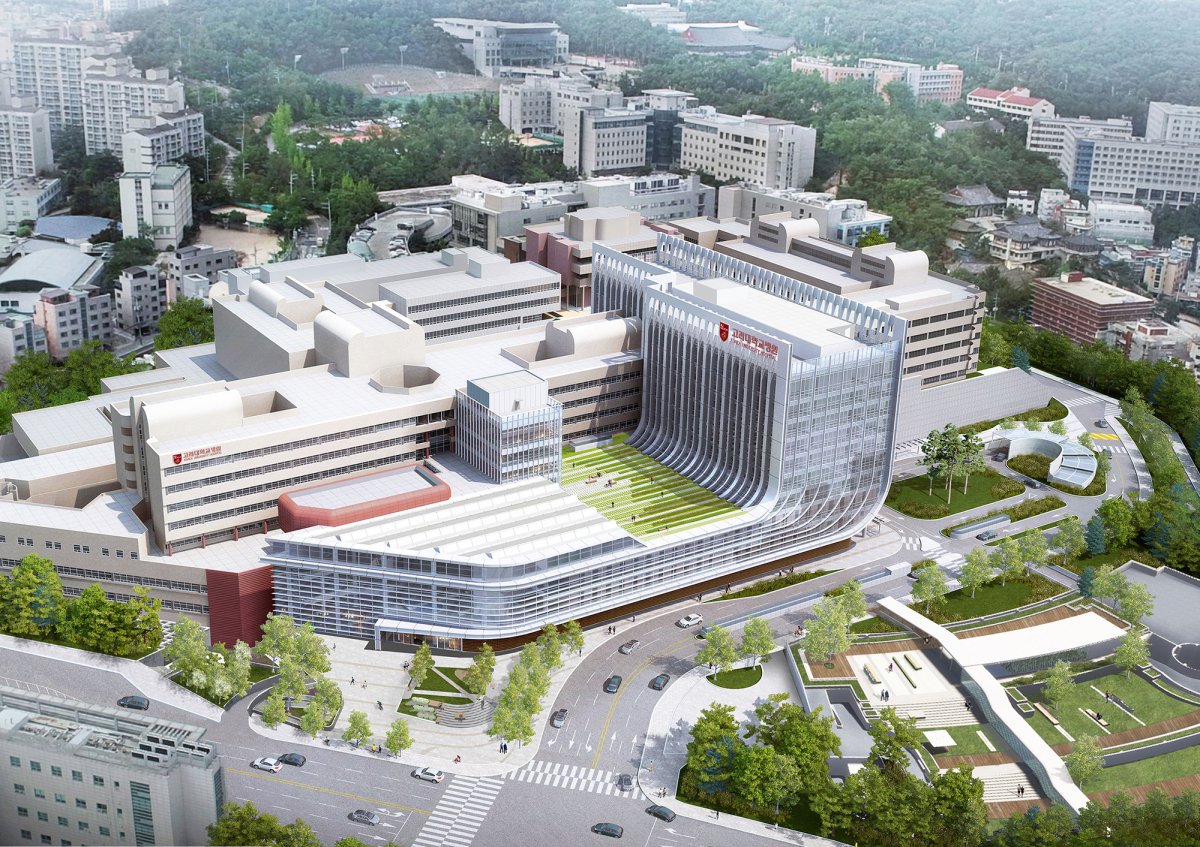
Descubra las mejores clínicas de tratamiento de Tumor desmoide en Corea del Sur: 1 opciones verificadas y Precios




Compartir contenido
Historias en video de pacientes de Bookimed
 Olena Sikoza
Preguntas frecuentes sobre el tratamiento de Tumor desmoide en Corea del Sur
¿Cuáles son las principales opciones de tratamiento para los tumores desmoides en Corea?
El tratamiento de los tumores desmoides en Corea sigue una estrategia multimodal que preserva la función. Los especialistas coreanos priorizan la vigilancia activa para tumores estables. Los casos progresivos utilizan inhibidores de la tirosina quinasa, quimioterapia de baja dosis o radiación. Centros acreditados por la JCI como el Hospital Anam de la Universidad de Corea utilizan imágenes avanzadas para un monitoreo preciso del tumor.
- Vigilancia activa: Monitoreo regular mediante resonancia magnética o tomografía computarizada para pacientes asintomáticos.
- Terapia sistémica: Fármacos dirigidos y quimioterapia para estabilizar tumores en crecimiento o dolorosos.
- Resección quirúrgica: Reservada para casos potencialmente mortales debido a los altos riesgos de recurrencia.
- Control local: La crioablación y la radioterapia se dirigen a tumores que no pueden ser extirpados.
Perspectiva de expertos de Bookimed: El Hospital Anam de la Universidad de Corea atiende a más de 1,3 millones de pacientes al año. Su experiencia en cirugía oncológica compleja y sistemas robóticos es extensa. Los pacientes deben buscar estos centros de alto volumen para casos de tumores desmoides. Los equipos especializados allí gestionan los altos riesgos de recurrencia de manera más efectiva.
Consenso de los pacientes: Los pacientes enfatizan la
¿Qué hospitales coreanos se especializan en tumores desmoides y sarcomas raros?
El Seoul National University Cancer Hospital y el Korea University Anam Hospital son centros coreanos líderes en tumores desmoides. Estas instalaciones acreditadas por la JCI ofrecen equipos multidisciplinarios especializados en sarcomas raros de tejidos blandos. Utilizan tecnologías avanzadas como la cirugía robótica y la terapia de iones pesados para tratar tumores musculoesqueléticos complejos de manera efectiva.
- Centro quirúrgico especializado: El SNU Hospital alberga un centro dedicado a tumores musculoesqueléticos para sarcomas de tejidos blandos.
- Experiencia en cirugía robótica: El Korea University Anam Hospital utiliza sistemas robóticos para asegurar una pérdida de sangre mínima.
- Tecnología de radiación avanzada: El Severance Hospital proporciona terapia de iones pesados para tratar tumores óseos y sarcomas resistentes.
- Diagnóstico de alto volumen: El Samsung Medical Center emplea sistemas Da Vinci y Novalis para la focalización precisa del tumor.
Perspectiva del experto de Bookimed: El Korea University Anam Hospital atiende a más de 1.300.000 pacientes al año y cuenta con múltiples premios a los mejores hospitales de Newsweek. Su enfoque en la cirugía robótica es notable para los tumores desmoides. Este enfoque reduce el tamaño de la cicatriz en un 90% y disminuye los riesgos de infección. Para los sarcomas raros, este alto vo
¿Se recomienda siempre la cirugía para los tumores desmoides en Corea?
La cirugía no siempre se recomienda para los tumores desmoides en Corea. Los principales centros médicos ahora priorizan la vigilancia activa para los casos asintomáticos. Por lo general, los médicos reservan la resección quirúrgica para los tumores que causan dolor. También intervienen si el crecimiento amenaza la función de órganos cercanos o estructuras vitales.
- Vigilancia activa: Los médicos monitorean los tumores sin intervención inmediata si permanecen estables.
- Cambio de tratamiento: La práctica se centra en la preservación de la función debido a las altas tasas de recurrencia.
- Terapias avanzadas: Los especialistas pueden usar terapia de iones pesados para tratar tumores de forma no invasiva.
- Opciones sistémicas: Las terapias farmacológicas a menudo preceden a la cirugía para reducir las lesiones en áreas sensibles.
Opinión del experto de Bookimed: El Hospital Anam de la Universidad de Corea atiende a más de 1,3 millones de pacientes al año. Su enfoque en la cirugía robótica sugiere una preferencia por técnicas mínimamente invasivas. Este volumen implica que los casos quirúrgicos son altamente seleccionados. La atención estándar en Seúl enfatiza los resultados funcionales sobre la extirpación agresiva del tumor. Este enfoque ayuda a reducir el riesgo de cicatrices visibles o pérdida de movilidad.
Consenso de los pa
¿Qué es la estrategia de «observar y esperar» o vigilancia activa?
«Observar y esperar», o vigilancia activa, es una estrategia de manejo proactiva para los tumores desmoides. Los médicos monitorean los tumores estables o de crecimiento lento en lugar de programar una cirugía o quimioterapia inmediata. Este enfoque evita efectos secundarios innecesarios mientras se asegura de que el tumor no afecte funciones vitales ni cause dolor.
- Metodología central: Los equipos médicos utilizan escaneos de resonancia magnética (MRI) regulares y exámenes clínicos para rastrear el comportamiento del tumor.
- Justificación del tratamiento: Los tumores desmoides no hacen metástasis, lo que hace que la observación sea segura para muchos pacientes asintomáticos.
- Disparadores de intervención: Los médicos inician el tratamiento activo solo si los escaneos muestran un crecimiento significativo o un empeoramiento del dolor.
- Preservación de órganos: Esta estrategia previene la pérdida funcional que a menudo se asocia con la resección quirúrgica invasiva.
Perspectiva del experto de Bookimed: Los hospitales surcoreanos como el Korea University Anam Hospital gestionan casos oncológicos complejos utilizando estándares de seguridad acreditados por JCI. Los datos muestran que los centros de alto volumen, que realizan más de 1,300,000 consultas anuales, prefieren la vigilancia para los desmoides porque estos tumores pueden reducirse es
¿Qué registros médicos debe preparar un paciente internacional antes de la primera consulta?
Los pacientes deben preparar informes patológicos originales e imágenes de alta resolución en formato DICOM para los especialistas en oncología coreanos. Estos documentos confirman los patrones de crecimiento de tumores raros. Los resultados de biopsia traducidos y un cronograma de tratamiento detallado ayudan a los cirujanos a determinar si se requiere cirugía u observación. Instalaciones como el Korea University Anam Hospital utilizan estos documentos para evaluaciones digitales precisas.
- Informes de diagnóstico: Proporcione el informe completo de la biopsia en lugar de un simple resumen de diagnóstico.
- Archivos de imagen: Traiga los escaneos reales de CT o MRI en una unidad USB o en la nube.
- Diario de síntomas: Documente los niveles de dolor y las limitaciones de movilidad para guiar las decisiones de intervención.
- Materiales de patología: Lleve bloques o láminas tumorales originales para una posible reevaluación.
Perspectiva del experto de Bookimed: El Korea University Anam Hospital atiende a más de 1.300.000 pacientes al año y mantiene la acreditación JCI por seguridad. Este alto volumen significa que sus sistemas manejan los registros de salud electrónicos (EHR) de manera eficiente. Los pacientes deben asegurarse de que los archivos digitales sean compatibles con los estándares internacionales para acelerar el proceso de revisión
¿Qué síntomas o detalles clínicos específicos debe registrar un paciente antes de la primera cita?
Los pacientes deben registrar las mediciones precisas del tumor y los patrones de crecimiento a lo largo del tiempo para los oncólogos coreanos. Documente la ubicación exacta, la gravedad del dolor en una escala de 10 puntos y las limitaciones funcionales. Lleve copias físicas de las resonancias magnéticas o tomografías computarizadas a las instalaciones acreditadas por la JCI, como el Hospital Anam de la Universidad de Corea en Seúl.
- Seguimiento del crecimiento: Registre cuándo notó por primera vez el bulto y cualquier cambio visible en la firmeza.
- Impacto funcional: Observe si el tumor limita caminar, levantar objetos, sentarse o usar extremidades específicas.
- Síntomas neurológicos: Realice un seguimiento de cualquier entumecimiento, hormigueo o dolor irradiado que sugiera compresión nerviosa.
- Historial de imágenes: Enumere todas las fechas de resonancias magnéticas, tomografías computarizadas, ecografías y biopsias previas.
Perspectiva de expertos de Bookimed: El Hospital Anam de la Universidad de Corea atiende a más de 1.300.000 pacientes al año y se especializa en cirugía robótica. Los datos sugieren que el enfoque en la capacidad funcional es vital aquí. Si su tumor afecta el movimiento, menciónelo primero. Los especialistas coreanos priorizan la preservación del movimiento utilizando plataformas robóticas e imágenes digitales.
¿Cuál es el plan si un tumor desmoide reaparece después de una cirugía en Corea?
Los centros de oncología coreanos gestionan los tumores desmoides recurrentes mediante vigilancia activa o terapia farmacológica sistémica. Los especialistas priorizan la función sobre la reexéresis para estos tumores. Los equipos multidisciplinarios en instalaciones acreditadas por la JCI en Seúl utilizan agentes dirigidos y ablación para controlar el crecimiento. Este enfoque conservador evita las cicatrices quirúrgicas.
- Vigilancia activa: Los médicos monitorean los tumores recurrentes asintomáticos o de crecimiento lento sin cirugía inmediata.
- Terapia sistémica: Fármacos dirigidos como sorafenib o pazopanib tratan casos progresivos o sintomáticos.
- Intervención local: La crioablación o ablación por radiofrecuencia destruye tumores localizados mientras se preserva el tejido sano.
- Ensayos clínicos: Investigadores coreanos estudian nuevos inhibidores de TGF-beta para casos difíciles o recurrentes.
Perspectiva de expertos de Bookimed: El Hospital Anam de la Universidad de Corea atiende a más de 1.300.000 pacientes cada año. Su alto volumen conduce a técnicas de cirugía robótica precisas para tumores complejos. Muchos pacientes eligen Seúl para cirugías oncológicas debido a la calidad hospitalaria clasificada por Newsweek. Esta experiencia clínica garantiza que incluso las recurrencias raras reciban protocolos basados en evidencia.