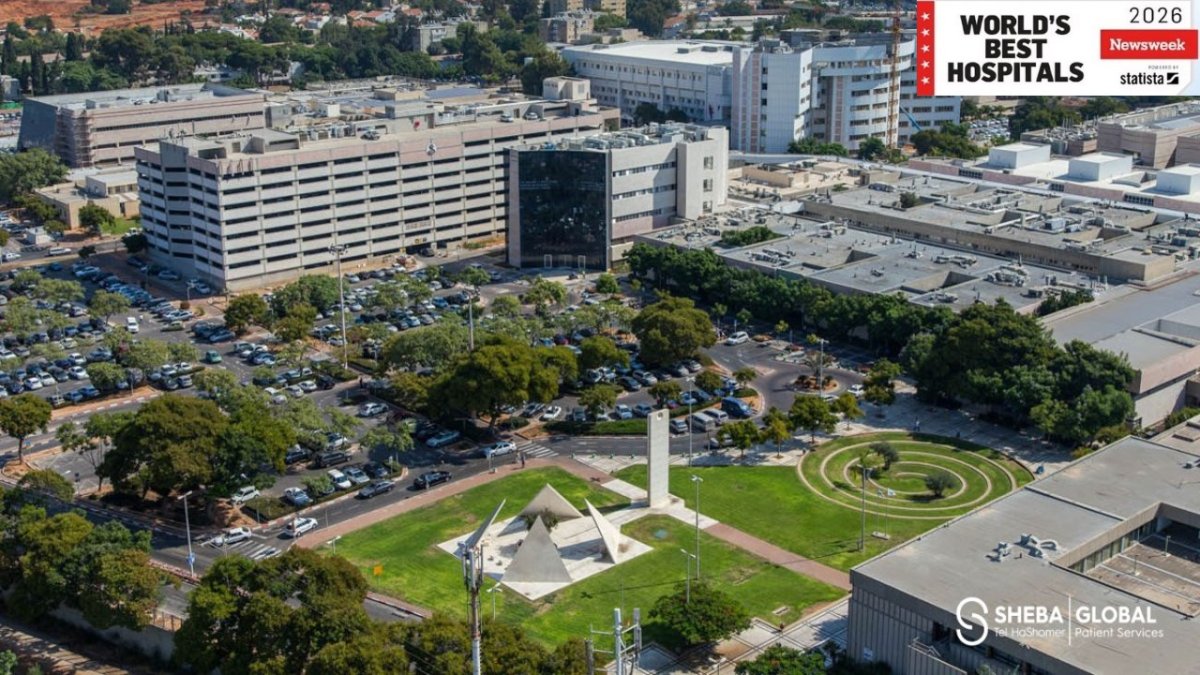
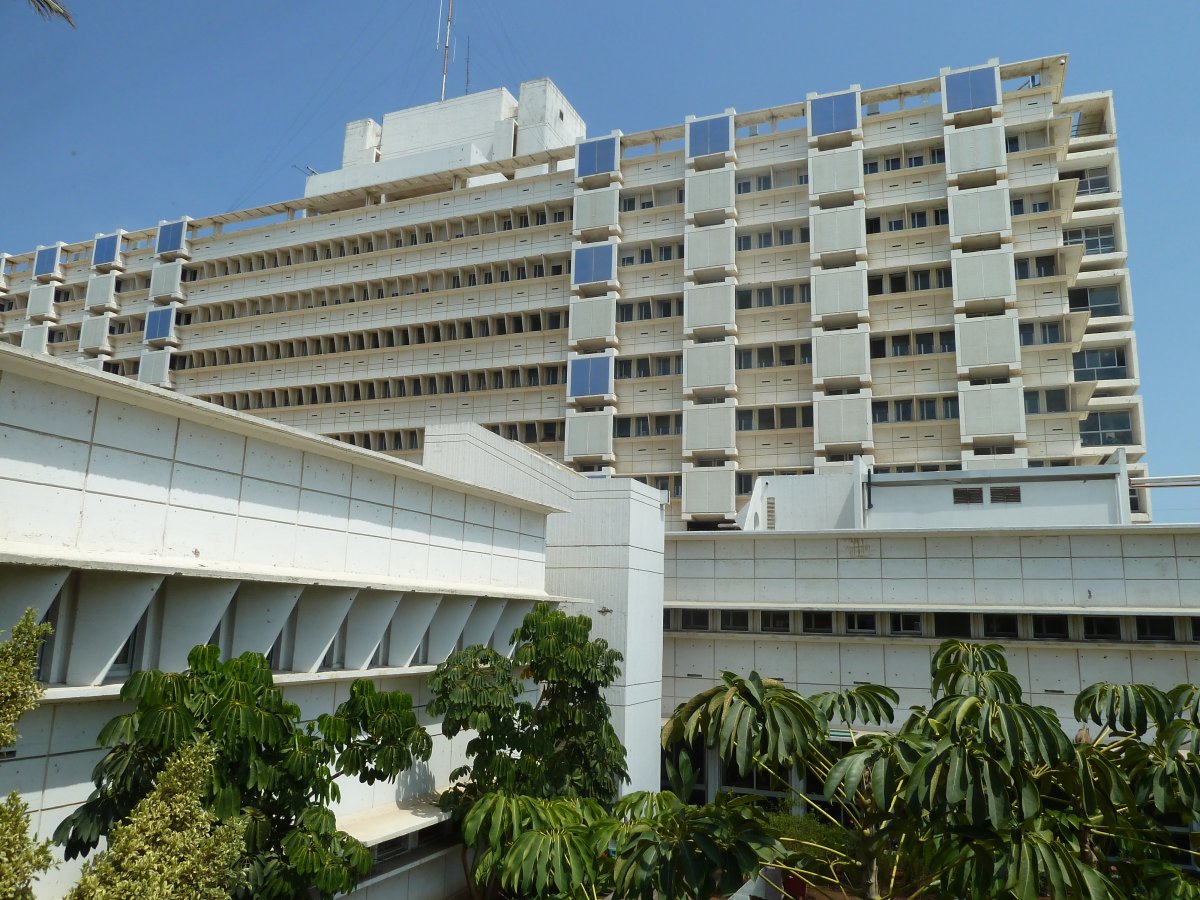
Centro médico Sourasky
Israel, Tel Aviv
Ofer Merimsky
41 años de experiencia

acreditaciones : 
Clínica certificada por : 





Revisado médicamente por
Fahad Mawlood
El costo del tratamiento del cáncer de vesícula biliar en Israel generalmente depende de la etapa de la enfermedad y de la necesidad de cirugías complejas o terapias sistémicas. De $1,500. Los pacientes suelen ahorrar entre un 30% y un 80% en comparación con los precios en EE. UU. Los centros líderes se encuentran en Tel Aviv, Jerusalén y Haifa.
Costos típicos del tratamiento del cáncer de vesícula biliar en Israel
Perspectiva del experto de Bookimed: Los pacientes en etapas tempranas se benefician de programas de diagnóstico rápido en centros acreditados por la JCI, como el Assuta Medical Center. Para casos avanzados, los equipos multidisciplinarios del Sourasky Medical Center (Ichilov) ofrecen altas tasas de éxito utilizando protocolos especializados. Aquellos que buscan atención basada en la investigación deberían considerar el Hadassah Medical Center. Allí, expertos como el profesor Auala Hubert se especializan en radiación gastrointestinal y oncología sistémica.
| Israel | España | Turquía | |
|---|---|---|---|
| Terapia de protones para el cáncer de próstata | de $70,600 | de $34,000 | ≈ $30,000 |
| Terapia de protones para el cáncer de mama | ≈ $38,000 | de $34,800 | ≈ $28,000 |
| Terapia con haz de protones | ≈ $30,000 | de $43,300 | de $25,000 |
| Quimioterapia para el cáncer de mama | ≈ $22,500 | de $1,700 | de $3,000 |
| Braquiterapia | ≈ $9,500 | de $8,100 | de $6,500 |

El Dr. Pelles Sharon lleva a cabo investigaciones clínicas innovadoras sobre tratamientos contra el cáncer, incluido un estudio notable sobre las actitudes de los pacientes hacia los ensayos clínicos.
Experto líder en oncología de tejidos blandos y óseos con una distinguida carrera en el Centro Médico Sourasky.

El Prof. Nadir Arber dirige el Centro de Prevención del Cáncer de Israel en el Centro Médico Sourasky, centrándose específicamente en los cánceres gastrointestinales como el cáncer de vesícula biliar.
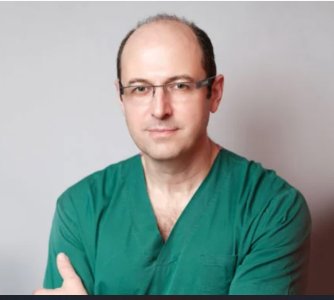
El Dr. Yuri Goldes es cirujano general con más de 20 años de experiencia clínica. Se especializa en cirugía gastrointestinal alta y oncológica. Es subdirector del Departamento de Cirugía General y Trasplante del Centro Médico Sheba en Tel Aviv y dirige la Unidad de Cirugía Gastrointestinal Alta. En 2025 fue incluido en la lista de los Mejores Médicos de Forbes Israel. Está entre los mejores cirujanos gastrointestinales de Israel según Forbes. En 2019 recibió el premio “Médico del Año” del Min
 Olena Sikoza
Los centros oncológicos israelíes priorizan las resecciones curativas como la colecistectomía simple y radical para el cáncer de vesícula biliar. Las instalaciones acreditadas por la JCI utilizan sistemas robóticos y técnicas laparoscópicas para la estadificación y la extirpación de tumores. Equipos multidisciplinarios especializados en hospitales académicos proporcionan planes quirúrgicos personalizados para casos complejos y avanzados.
Perspectiva del experto de Bookimed: Mientras que el Sheba Medical Center atiende a más de 2 millones de pacientes al año, el Assuta Medical Center ofrece un modelo privado único. En Assuta, los pacientes pueden elegir a su cirujano específico e incluso el tipo de habitación. Este nivel de personalización es raro en los grandes sistemas públicos y ayuda a reducir el estrés preoperatorio de los pacientes internacionales.
Consenso de l
Las terapias avanzadas, incluido el HIPEC, están disponibles para el tratamiento de neoplasias abdominales en Israel. Los principales centros de cirugía oncológica utilizan este procedimiento de dos pasos que combina la cirugía citorreductora con quimioterapia hipertérmica. Los especialistas israelíes también ofrecen opciones avanzadas alternativas como PIPAC, inmunoterapia y terapias moleculares dirigidas.
Perspectiva del experto de Bookimed: Los centros médicos israelíes gestionan volúmenes de pacientes excepcionales, y el Sheba Medical Center atiende a más de 2 millones de pacientes al año. Esta escala masiva permite a los cirujanos especializarse en procedimiento
Las clínicas israelíes utilizan imágenes avanzadas y pruebas moleculares para mapear el cáncer de vesícula biliar. Los escáneres PET/CT de alta resolución y los escáneres CT multicorte proporcionan una localización y estadificación precisas del tumor. Laboratorios especializados realizan análisis de biopsias para identificar marcadores cancerosos. El perfil genético ayuda a los médicos a adaptar las terapias al perfil único de cada paciente.
Opinión del experto de Bookimed: Los centros oncológicos israelíes como Sheba y Sourasky priorizan la medicina de precisión a través de un alto volumen de diagnóstico. El Centro Médico Sheba atiende a más de 2 millones de pacientes al año. Este enorme conjunto de datos permite a los equipos clínicos perfeccionar la precisión diagnóstica. Utilizan tomografía computarizada de conteo de fotones con una resolución nueve veces mayor que la de los esc
El Sheba Medical Center y el Sourasky Medical Center son los mejores hospitales de Israel para el tratamiento del cáncer de vesícula biliar. Estas instalaciones acreditadas por la JCI son líderes en oncología de precisión y cirugías hepatobiliares complejas. Sheba ocupa el séptimo lugar a nivel mundial. Sourasky informa una tasa de éxito promedio del 90 % para pacientes oncológicos.
Perspectiva del experto de Bookimed: El volumen de pacientes es un indicador fiable de los resultados en oncología gastrointestinal compleja. El Sheba Medical Center atiende a 2 millones de pacientes al año y es un líder mundial en medicina de precisión. El Dr. Yuri Goldes en Sheba fue nombrado Mejor Médico del Año en 2019. Esta escala permite a los cirujanos especializarse en procedimientos raros como la pancreaticoduodenectomía robótica. Elegir un centro de alto volumen garantiza que su equipo gestione
Los paquetes israelíes para el cáncer de vesícula biliar combinan rapidez diagnóstica y experiencia multidisciplinaria. Estos planes suelen incluir imágenes PET-CT y consultas con oncólogos quirúrgicos. La mayoría de los programas cubren los honorarios quirúrgicos por resecciones y las estancias hospitalarias. Los pacientes reciben servicios de coordinación dedicados y traducción de documentos médicos durante su estancia.
Perspectiva del experto de Bookimed: Los paquetes oncológicos israelíes están diseñados para la rapidez con el fin de evitar la progresión del tumor. Centros como el Sourasky Medical Center y el Hadassa Medical Center manejan grandes volúmenes de pacientes. Esta eficiencia permite a los pacientes internacionales completar una estadificación compleja en días. A menudo puede comenzar la quimioterapia personalizada o la radioterapia VMAT inmediatamente después del dia
Los hospitales israelíes cuentan con departamentos para pacientes internacionales que ofrecen interpretación médica profesional y coordinación personalizada. Los centros principales, como el Sheba Medical Center y el Sourasky Medical Center, emplean personal multilingüe. También utilizan la línea directa del Ministerio de Salud nacional para la interpretación simultánea en numerosos idiomas.
Perspectiva del experto de Bookimed: Los centros médicos israelíes gestionan volúmenes masivos de pacientes; el Sheba Medical Center trata a 2 millones de personas al año. Esta gran escala crea una fuerza laboral naturalmente diversa. La mayoría de los médicos hablan inglés con fluidez tras haberse formado en EE. UU. o Europa. Esto garantiza una comunicación clara para tratamientos complejos de cáncer de vesícula biliar, como el HIPEC o la cirugía robóti
Israel es un centro líder en neurocirugía gracias a su combinación de avances médicos de alta tecnología y una experiencia quirúrgica de primer nivel. Instalaciones avanzadas como el Centro Médico Sheba utilizan sistemas de navegación basados en IA y resonancia magnética intraoperatoria en tiempo real. Centros especializados reportan una tasa de éxito del 98% en procedimientos complejos, como la craneotomía con el paciente despierto y el tratamiento de trastornos del movimiento.
Opinión experta de Bookimed: Los datos muestran una clara diferencia entre las opciones de tratamiento públicas y privadas en Israel. Centros privados, como el Centro Médico Assuta, realizan más de 92.000 cirugías al año y permiten a los pacientes elegir a un cirujano líder específico. Esto supone una ventaja signi
Los neurocirujanos israelíes tratan una amplia gama de afecciones, desde tumores cerebrales y de médula espinal hasta trastornos funcionales complejos. Los centros especializados utilizan tecnologías de vanguardia, como el bisturí de rayos gamma, la estimulación cerebral profunda y la resonancia magnética intraoperatoria, para un diagnóstico altamente preciso de la epilepsia, la enfermedad de Parkinson y las patologías cerebrovasculares.
Opinión experta de Bookimed: Los hospitales israelíes suelen combinar diversas especialidades para abordar casos complejos. En el Centro Médico Sourasky, neurocirujanos como el Dr. Zvi Lidar combinan neurocirugía y ortopedi
Israel alberga centros neuroquirúrgicos de renombre mundial, como el Centro Médico Sourasky, el Centro Médico Sheba y el Centro Médico Hadassah. Estas instituciones son líderes mundiales en el tratamiento de tumores cerebrales complejos, enfermedades de la columna vertebral y trastornos del movimiento. Utilizan tecnologías de vanguardia como el bisturí de rayos gamma, sistemas robóticos y resonancia magnética intraoperatoria.
Opinión experta de Bookimed: Nuestros datos muestran que, si bien la mayoría de los pacientes buscan tratamiento en Tel Aviv, el Centro Médico Rambam en Haifa ofrece una atención única para neurotraumatismos. Cuenta con una unidad especializada en cuidados neurocríticos que atiende a aproximadamente un milló
Entre los neurocirujanos israelíes más destacados se encuentran los profesores Zvi Ram, Shlomi Constantini e Itzhak Fried, del Centro Médico Sourasky. Estos especialistas ocupan puestos de liderazgo en la Asociación Europea de Sociedades de Neurocirugía (EANS) y la Sociedad Mundial de Neurocirugía Estereotáctica y Funcional (WSSFN). Utilizan técnicas avanzadas de mapeo intraoperatorio y sistemas robóticos.
Opinión de los expertos de Bookimed: Los datos de Sourasky y Sheba indican una fuerte correlación entre un alto volumen quirúrgico y la seguridad del paciente. Por ejemplo, Sourasky realiza más de 34.000 cirugías oncológicas al año con una tasa de éxito del 90 %. Los pacientes que requieren la extirpación de un tumor complejo deberían priorizar centros como estos, donde los cirujanos realizan cientos de procedimientos especializados al año.