Tratamiento de Cáncer de vesícula biliar en Alemania — obtenga 3 coincidencias personalizadas de clínicas


Revisado médicamente por
Fahad Mawlood
Cómo funciona
¿Cuál es el precio del diagnóstico y los tratamientos de Cáncer de vesícula biliar en Alemania? Descubra ahora
El costo total del tratamiento del cáncer de vesícula biliar en Alemania varía según el plan de tratamiento y los procedimientos elegidos. Los diagnósticos iniciales, que incluyen anamnesis, examen físico, diagnóstico de laboratorio, pruebas genéticas y técnicas de visualización como ecografía, MRI, CT y PET, varían de 2.600 € a 4.350 €. Una consulta para una segunda opinión tiene un precio de 1.230 €. Las opciones de tratamiento potenciales incluyen cirugía, cirugía con HIPEC (quimioterapia intraperitoneal hipertérmica), cirugía utilizando el sistema robótico Da Vinci y quimioterapia con anticuerpos monoclonales. El plan de tratamiento se finaliza después de una evaluación exhaustiva por parte del equipo médico.
| Alemania | España | Turquía | |
|---|---|---|---|
| Terapia de protones para el cáncer de próstata | ≈ $28,000 | de $34,000 | ≈ $30,000 |
| Terapia de protones para el cáncer de mama | ≈ $24,000 | de $34,900 | ≈ $28,000 |
| Terapia con haz de protones | ≈ $24,000 | de $43,300 | de $25,000 |
| Quimioterapia para el cáncer de mama | de $2,200 | de $1,700 | de $3,000 |
| Braquiterapia | de $8,000 | de $8,100 | de $6,500 |
Descubra las mejores clínicas de tratamiento de Cáncer de vesícula biliar en Alemania: 30 opciones verificadas y Precios



CDT-WEST Center of Diagnostics and Therapy

Nordwest Hospital
Elke Jaeger









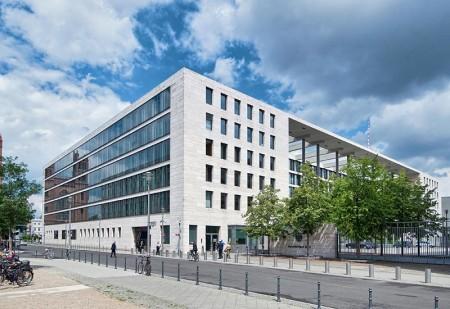
University Hospital Magdeburg

St. Marienstift Clinic
Obtenga una evaluación médica para Cáncer de vesícula biliar en Alemania: consulte con doctores experimentados ahora
Ver todos los médicos
Sebastian Keil
El profesor Keil se especializa en radiología diagnóstica e intervencionista, con una amplia experiencia en técnicas de imagen avanzadas para casos complejos en el Hospital Académico de Solingen.
- Graduado con honores por la Universidad Julius-Maximilians de Wurzburgo
- Formado bajo la tutela del renombrado profesor Rolf W. Günther en Aquisgrán
- Médico líder en radiología diagnóstica e intervencionista desde 2010
- Experto en resonancia magnética, tomografía computarizada y ecografía para diagnósticos precisos
- Jefe de medicina en el Hospital Académico de Solingen desde 2022
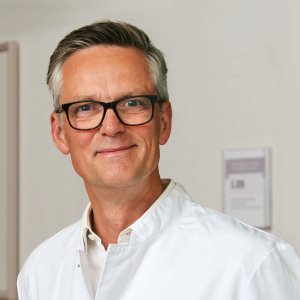
Wolfgang Schröder
Elke Jaeger
La Prof. Elke Jaeger es una de las principales oncólogas de Alemania, reconocida por Focus durante 41 años. Dirige el departamento de Oncología y Hematología en la Clínica Nordwest.
- Especializada en sarcoma y cáncer de vesícula biliar
- Ha realizado más de 1.100 procedimientos oncológicos
- Miembro de la comisión de expertos de la EORTC
- Publicaciones citadas en más de 7.000 fuentes científicas
Compartir contenido
Historias en video de pacientes de Bookimed
 Olena Sikoza
Preguntas frecuentes sobre el tratamiento de Cáncer de vesícula biliar en Alemania
¿Es curable el cáncer de vesícula biliar con cirugía en Alemania?
El cáncer de vesícula biliar es curable con cirugía en Alemania si se detecta en una etapa temprana. La extirpación quirúrgica completa sigue siendo el único método curativo. Las clínicas alemanas utilizan comités de tumores multidisciplinarios para planificar resecciones precisas. Cirujanos hepatobiliares especializados realizan extirpaciones complejas del lecho hepático y disecciones de ganglios linfáticos para garantizar márgenes limpios.
- Colecistectomía simple: Implica la extirpación de la vesícula biliar para tumores en etapa muy temprana T1a.
- Colecistectomía radical: Elimina la vesícula biliar, el tejido hepático adyacente y los ganglios linfáticos circundantes.
- Reconstrucción avanzada: Los cirujanos reubican vasos sanguíneos o conductos biliares para preservar la función esencial de los órganos.
- Terapia adyuvante: Las clínicas a menudo siguen la cirugía con quimioterapia o vacunas personalizadas para prevenir la recurrencia.
Perspectiva del experto de Bookimed: Los hospitales universitarios alemanes como Charité o Essen se centran mucho en el volumen como marcador de calidad. Charité Berlín atiende a más de 800,000 pacientes al año. Los grandes centros a menudo brindan acceso a diagnósticos moleculares especializados. Estas pruebas ayudan a determinar si se necesita terapia farmacológica después de la cirugía para garantizar una
¿Qué sucede si el tumor es declarado inoperable en Alemania?
El cáncer de vesícula biliar inoperable en Alemania desencadena un cambio inmediato hacia terapias localizadas y sistémicas avanzadas. Un comité de tumores multidisciplinario obligatorio revisa el caso para determinar opciones no quirúrgicas. Los pacientes conservan el derecho a buscar segundas opiniones en hospitales universitarios para la reevaluación del tumor.
- Comité de tumores obligatorio: Expertos de diferentes especialidades deben diseñar colectivamente un plan de tratamiento no quirúrgico.
- Radioterapia avanzada: Instalaciones como CDT-WEST utilizan la técnica de apnea en inspiración profunda y radiación guiada por imagen.
- Procedimientos intervencionistas: Radiólogos especializados realizan quimioembolización en el sitio del tumor para controlar el crecimiento y proteger el tejido.
- Integración paliativa: El manejo de síntomas y los procedimientos de drenaje son pasos clínicos legalizados durante el tratamiento activo.
Perspectiva del experto de Bookimed: Los centros oncológicos alemanes como la Clínica Nordwest a menudo utilizan vacunas contra el cáncer y diagnósticos moleculares para casos donde la cirugía es imposible. Con más de 61,000 pacientes al año, estas clínicas de alto volumen frecuentemente transicionan casos inoperables a fases de mantenimiento. Nuestros datos muestran que especialistas destacados como la Dra. Viola F
¿Qué terapias dirigidas o inmunoterapias avanzadas están disponibles para el cáncer de vesícula biliar en Alemania?
El tratamiento del cáncer avanzado de vesícula biliar en Alemania utiliza inmunoterapias y agentes dirigidos aprobados por la Agencia Europea de Medicamentos (EMA). Los protocolos estándar de primera línea combinan cisplatino y gemcitabina con durvalumab. Las opciones secundarias incluyen pembrolizumab para tumores con alta inestabilidad de microsatélites (MSI-H). La secuenciación de nueva generación (NGS) identifica marcadores para medicamentos de precisión como el zanidatamab.
- Medicamentos de inmunoterapia: El durvalumab es el estándar para el tratamiento de primera línea del cáncer de vías biliares.
- Terapia dirigida: El trastuzumab deruxtecan trata los casos HER2-positivos que se encuentran en el 10-20% de los pacientes.
- Perfil genético: Las pruebas NGS identifican fusiones genéticas raras de BRAF, NTRK o RET.
- Vacunas avanzadas: Centros especializados como la Clínica Nordwest ofrecen vacunas personalizadas contra el cáncer basadas en células dendríticas.
Perspectiva del experto de Bookimed: Los centros oncológicos alemanes enfatizan el diagnóstico molecular sobre la estadificación estándar. Por ejemplo, la Dra. Viola Fox en el Centro Médico de Solingen es una especialista en genética calificada. Esta integración de la genética en la práctica clínica permite a los pacientes acceder a terapias dirigidas fuera de indicación (off-label).
¿Qué centros alemanes se consideran líderes en el tratamiento del cáncer hepatobiliar y de vesícula biliar?
Charité Universitätsmedizin Berlin y la Clínica Nordwest de Frankfurt son líderes mundiales en el tratamiento de cánceres hepatobiliares y de vesícula biliar. Estos centros alemanes integran juntas multidisciplinarias de tumores con navegación quirúrgica avanzada. Los centros certificados enfatizan la resección precisa de tumores y terapias sistémicas innovadoras para maximizar las tasas de supervivencia de los pacientes.
- Cirugía especializada: Charité Berlin realiza resecciones complejas de hígado y vías biliares para casos avanzados.
- Medicina personalizada: La Clínica Nordwest utiliza vacunas contra el cáncer y terapias dirigidas para el cáncer de vesícula biliar metastásico.
- Diagnóstico avanzado: CDT-WEST proporciona PET-CT moderno y radioterapia guiada por imagen para una estadificación precisa.
- Alto volumen: El Centro Médico de Solingen atiende a 60.000 pacientes al año como hospital oncológico calificado por Focus.
Perspectiva del experto de Bookimed: Los centros universitarios alemanes como Charité Berlin y la Clínica Nordwest ofrecen la mayor seguridad debido a sus enormes volúmenes de pacientes y su investigación académica. Estas instituciones a menudo manejan más de 60.000 pacientes anualmente. Nuestros datos muestran que especialistas de primer nivel como la Dra. Elke Jäger tienen más de 35 años de experiencia. Esta profunda
¿Qué hospitales en Alemania tienen las calificaciones más altas en neurocirugía?
Alemania alberga algunos de los departamentos de neurocirugía más prestigiosos del mundo, liderados por la Charité – Universitätsmedizin Berlin y el Hospital Universitario de Heidelberg. Estos centros destacan en el tratamiento de tumores cerebrales complejos y enfermedades cerebrovasculares. Para maximizar la eficacia de sus procedimientos, utilizan tecnologías de vanguardia como la resonancia magnética intraoperatoria y la neuronavegación asistida por computadora.
- Charité Berlín: Realiza más de 5000 cirugías al año. La clínica está dirigida por el reconocido neurocirujano Dr. Peter Vaikoczy.
- Centro Médico Solingen: El Dr. Ralf Buhl ha realizado más de 4.000 cirugías, incluidas cirugías de columna mínimamente invasivas.
- Clínica Asklepios Nord: equipada con el único sistema de resonancia magnética intraoperatoria bilateral de Alemania para garantizar precisión quirúrgica en tiempo real durante la extirpación del tumor.
- Clínica Nordwest: reconocida por la revista Newsweek como un hospital líder por su innovación en tecnología de ultrasonido 3D.
Opinión experta de Bookimed: Los datos muestran que elegir centros con un alto volumen quirúrgico suele llevar a recomendaciones de tratamiento más conservadoras. En el Centro Médico Solingen, que atiende a más de 60.000 pacientes al año, los cirujanos suelen sugerir fisioterapia en lugar de cirugía
¿Cuáles son las tasas de éxito de los procedimientos neuroquirúrgicos complejos en Alemania?
En Alemania, los procedimientos neuroquirúrgicos de alta complejidad demuestran una seguridad excepcional. Las tasas de éxito en las fusiones espinales alcanzan el 99 %. La tasa de supervivencia en las resecciones de tumores cerebrales primarios es del 97 %. La independencia funcional es alta. Más del 82 % de los pacientes reciben el alta inmediatamente después del tratamiento. Los centros alemanes priorizan la preservación de la función neurológica mediante técnicas modernas de mapeo.
- Resección de tumores: los cirujanos logran una resección tumoral completa en el 87,2% de los casos de metástasis cerebrales.
- Éxito en el tratamiento de enfermedades vasculares: los hospitales alemanes informan de una tasa de supervivencia del 98,7% para aneurismas no rotos.
- Mejora del estado neurológico: casi el 43% de los pacientes experimentan una mejora de los parámetros funcionales después de resecciones complejas.
- Seguridad de las intervenciones quirúrgicas: En grandes centros quirúrgicos, las tasas de supervivencia de los pacientes después de la cirugía de columna son del 98-99%.
Opinión experta de Bookimed: Cirujanos experimentados como el Dr. Uwe Köhler, de la Clínica Asklepios Altona, realizan más de 2000 cirugías al año. Los datos muestran que estos especialistas mantienen tasas de éxito de hasta el 90 %, incluso en los tumores cerebrales más comp
¿Qué tecnologías avanzadas suelen estar disponibles en las clínicas neuroquirúrgicas alemanas?
Las clínicas neuroquirúrgicas alemanas incorporan regularmente instrumentos digitales de alta precisión y visualización en tiempo real a la práctica quirúrgica. Entre las tecnologías clave se encuentra la neuronavegación computarizada para cirugías de cerebro y médula espinal. Instituciones como la Clínica Asklepios Nord utilizan la resonancia magnética intraoperatoria para verificar la extirpación de tumores en tiempo real. Estos sistemas proporcionan a los cirujanos navegación GPS 3D.
- Neuronavegación: proporciona visualización 3D y seguimiento de instrumentos en tiempo real para lograr precisión quirúrgica hasta el nivel submilimétrico.
- Imágenes intraoperatorias: sistemas como iMRI y O-arm CT permiten la confirmación inmediata de una resección exitosa.
- Neuromonitorización: Monitorea las funciones motoras y sensoriales durante la cirugía para proteger el sistema nervioso.
- Diagnóstico de fluorescencia: se utiliza el colorante 5-ALA para resaltar los bordes del tumor para una eliminación más completa.
- Asistencia robótica: Sistemas como el Da Vinci mejoran la precisión en procedimientos complejos y mínimamente invasivos.
Opinión experta de Bookimed: Grandes centros como la Charité – Universitätsmedizin de Berlín realizan más de 4000 procedimientos neuroquirúrgicos al año, lo que crea un entorno rico en datos para p
¿Qué formación especializada reciben los neurocirujanos en ejercicio en Alemania?
En Alemania, los neurocirujanos deben completar una residencia especializada de seis años tras graduarse de la facultad de medicina. Este programa estructurado incluye cuidados intensivos, práctica clínica y una revista quirúrgica obligatoria. Posteriormente, los candidatos aprueban un examen estatal para obtener el título de residente (Facharzt für Neurochirurgie).
- Residencia clínica: requiere de 48 a 72 meses de práctica neuroquirúrgica especializada.
- Cuidados intensivos: incluye una pasantía obligatoria de 6 meses en una unidad de cuidados intensivos neuroquirúrgicos.
- Revista quirúrgica: los cirujanos documentan cientos de cirugías, incluidas craneotomías y cirugías de columna.
- Examen de licencia: Los solicitantes deben aprobar un examen médico oral y práctico administrado por el estado.
Opinión experta de Bookimed: La formación neuroquirúrgica alemana se centra en una amplia experiencia quirúrgica. Por ejemplo, el Dr. Ralf Buhl, del Centro Médico Solingen, ha realizado más de 4000 cirugías. El Dr. Jürgen Kiwit, del Hospital Meoklinik, cuenta con más de 25 años de experiencia. Este riguroso sistema garantiza que los especialistas de los principales centros aborden casos complejos con una precisión demostrada.
Comentarios de los pacientes: Los pacientes se sienten seguros al saber que sus médicos han recibido año
¿Qué requisitos de idioma y de licencia se exigen a los cirujanos extranjeros que deseen formarse u observar procedimientos neuroquirúrgicos en Alemania?
Los neurocirujanos extranjeros deben cumplir estrictos requisitos de idioma y licencia para realizar formación o prácticas en Alemania. La formación requiere una licencia médica válida o un permiso temporal. Los internos deben obtener la autorización de un hospital específico. Ambas opciones requieren un alto nivel de alemán para participar en debates clínicos y realizar procedimientos quirúrgicos complejos con seguridad.
- Conocimientos de idiomas: Para la formación clínica se requiere un nivel general de alemán B2 y un nivel de lenguaje médico C1 (Fachsprachprüfung).
- Licencia clínica: Los cirujanos necesitan un permiso para la práctica permanente (Approbation) o un permiso profesional (Berufserlaubnis) para prácticas supervisadas temporales.
- Estado de observación: La hospitalización permite la observación de procedimientos quirúrgicos sin responsabilidad médica ni licencia formal.
- Evaluación de la cualificación: Los graduados médicos no pertenecientes a la UE a menudo tienen que pasar por un proceso de validación del diploma en un plazo de 3 a 6 meses.
Opinión experta de Bookimed: Las clínicas alemanas con un alto volumen de pacientes, como Nordwest Clinic o Asklepios Nord, suelen priorizar a los candidatos que ya han pasado una evaluación preliminar de la documentación. Nuestros datos muestran que profesores como el Dr. Uwe Köhler y el D
¿Hay suficientes neurocirujanos en Alemania para tratar tanto a pacientes nacionales como internacionales?
Alemania cuenta con la mayor concentración de neurocirujanos de Europa: 2,94 especialistas por cada 100.000 habitantes. Esta sólida base de talento gestiona con facilidad la afluencia de pacientes internacionales gracias a sus 184 departamentos especializados. Centros médicos clave como Charité Berlin realizan más de 4.000 cirugías al año. Esta alta disponibilidad de especialistas proporciona capacidad adicional para casos internacionales complejos.
- Densidad de especialistas: Alemania tiene 2,94 neurocirujanos por cada 100.000 habitantes, el doble de la media europea.
- Infraestructura clínica: Más de 182 departamentos neuroquirúrgicos especializados garantizan una amplia accesibilidad geográfica en toda Alemania.
- Experiencia quirúrgica: El profesor Dr. Peter Vaikocsi de la Charité de Berlín realiza más de 4.000 operaciones al año.
- Tecnología de vanguardia: Clínicas como Asklepios Nord Clinic utilizan resonancia magnética intraoperatoria y neuronavegación computarizada.
Opinión experta de Bookimed: Aunque Alemania cuenta con numerosos especialistas de alto nivel, profesores como el Dr. Ralf Buhl o el Dr. Uwe Köhler suelen concentrarse en grandes centros como Hamburgo o Solingen. Nuestros datos muestran que estos grandes centros ofrecen un acceso más rápido a pacientes internacionales que las clínicas más pequeñas. Los grandes hospitales uni