Cáncer de vesícula biliar Tratamiento en India — Costos 2026


Revisado médicamente por
Fahad Mawlood
¿Cuál es el precio del diagnóstico y los tratamientos de Cáncer de vesícula biliar en India? Descubra ahora
| India | España | Turquía | |
|---|---|---|---|
| Terapia de protones para el cáncer de próstata | ≈ $35,000 | de $34,000 | ≈ $30,000 |
| Terapia de protones para el cáncer de mama | ≈ $22,000 | de $34,900 | ≈ $28,000 |
| Terapia con haz de protones | ≈ $22,000 | de $43,300 | de $25,000 |
| Quimioterapia para el cáncer de mama | ≈ $3,200 | de $1,700 | de $3,000 |
| Braquiterapia | de $4,900 | de $8,100 | de $6,500 |
Sus beneficios y garantías con Bookimed
Precios directos
Bookimed no añade cargos extra a los precios de los tratamientos de Cáncer de vesícula biliar. Las tarifas proceden de las listas de precios oficiales de las clínicas. Pagará directamente en la clínica por su tratamiento a su llegada al país.
Sólo clínicas y médicos verificados
Bookimed está comprometido con su seguridad. Solo trabajamos con las clínicas que mantienen altos estándares internacionales en el tratamiento de Cáncer de vesícula biliar y cuentan con las licencias necesarias para atender a pacientes internacionales en todo el mundo.
Asistencia 24/7 gratuita
Bookimed ofrece asistencia experta gratuita. Un coordinador médico personal le apoya antes, durante y después de su tratamiento, resolviendo cualquier problema. Nunca estará solo en su viaje médico de tratamiento de Cáncer de vesícula biliar.

Su coordinador médico personal de Bookimed
- Le apoya en cada etapa
- Ayuda a elegir la clínica y el médico adecuados
- Asegura un acceso rápido y conveniente a la información
Descubra las mejores clínicas de tratamiento de Cáncer de vesícula biliar en India: 22 opciones verificadas y Precios









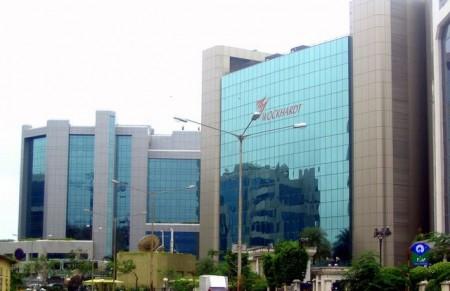
Wockhardt Hospital




Obtenga una evaluación médica de tratamiento de Cáncer de vesícula biliar en India: haga una consulta con 6 médicos experimentados ahora
Ver todos los médicos
Sridhar P.S.
El Dr. Sridhar P.S. se especializa en radioterapia para el cáncer de vesícula biliar en el HCG Manavata Cancer Centre, con una amplia formación en oncología.
- Certificado en radioterapia con más de 20 años de experiencia
- Diplomado del National Board in Radiotherapy por el National Board of Examination
- Miembro de la Association of Radiation Oncology of India
- Especializarse en radioterapia y oncología por hipertermia

Chaitainya Borde
Ha gestionado más de 30,000 exploraciones PET y 1,000 pacientes con cáncer de tiroides – El Dr. Borde se especializa en medicina nuclear avanzada en el HCG Manavata Cancer Centre.
- _doctor_2774_años_ de experiencia en medicina nuclear y oncología
- Experto en terapias con radioyodo y Lu-177 RN para tratamientos dirigidos
- Artículos publicados en diversas revistas médicas
- Experto en todo tipo de escáneres nucleares e imágenes PET-CT

Ravindra Tandale

Shruti Kate
La Dra. Shruti Kate se especializa en el tratamiento del cáncer de vesícula biliar, incluido el procedimiento de Whipple. Se formó en el Tata Memorial Hospital, uno de los centros oncológicos más importantes de la India.
- Doctorado en Oncología Médica por el Tata Memorial Hospital
- Experiencia en cánceres de pulmón, mama, ginecológicos y genitourinarios
- Miembro de la ASCO, ESMO y otras prestigiosas sociedades oncológicas
- Trabajo pionero en inmunoterapia y terapia metronómica
- Presentó investigaciones en la Conferencia Mundial sobre Cáncer de Pulmón
Compartir contenido
Historias en video de pacientes de Bookimed
 Olena Sikoza
Preguntas frecuentes sobre el tratamiento de Cáncer de vesícula biliar en India
¿Cuál es el tratamiento quirúrgico estándar para el cáncer de vesícula biliar en la India?
La colecistectomía radical es el tratamiento quirúrgico estándar para el cáncer de vesícula biliar en la India. Este enfoque curativo implica la extirpación de la vesícula biliar y una resección en cuña del hígado de 2 a 3 cm. Los cirujanos también realizan una linfadenectomía regional. Los protocolos indios se centran en la enfermedad no metastásica para garantizar márgenes claros.
- Cirugía en etapa temprana: La colecistectomía simple es solo para cáncer limitado al revestimiento de la vesícula biliar.
- Resección radical: Los cirujanos extirpan los segmentos hepáticos IVb y V para una extensión tumoral más profunda.
- Limpieza ganglionar: Las pautas indias exigen la recolección de al menos 6 ganglios linfáticos regionales para la estadificación.
- Hallazgo incidental: Muchos pacientes requieren una cirugía de revisión después del descubrimiento accidental de cáncer durante una extirpación de rutina.
Perspectiva del experto de Bookimed: La India ocupa el sexto lugar a nivel mundial en atención oncológica especializada. Centros especializados como el Global Hospital Chennai y Medanta tratan a más de 100.000 pacientes al año. Si bien los sistemas de IA como IBM Watson en Manipal Goa ayudan en la planificación, el volumen quirúrgico sigue siendo el mejor indicador de calidad. Los centros indios de alto volumen a menudo realizan cirugías hepatobi
¿Cuál es la tasa de éxito de la cirugía de cáncer de vesícula biliar en la India?
Las tasas de éxito quirúrgico para el cáncer de vesícula biliar en la India oscilan entre el 50% y el 80% para los casos en etapa temprana. Las lesiones muy tempranas pueden alcanzar tasas de supervivencia de entre el 85% y el 100%. Las etapas avanzadas ven descensos directos. Solo entre el 10% y el 30% de los pacientes indios son candidatos para una cirugía curativa.
- Supervivencia en etapa temprana: Las etapas I y II suelen arrojar tasas de supervivencia a 5 años del 50% al 80%.
- Resultados en etapa avanzada: Los casos de etapa IV generalmente muestran tasas de supervivencia a 5 años inferiores al 5% al 6%.
- Impacto de la edad: Los pacientes menores de 40 años muestran tasas de supervivencia más altas que los mayores de 60 años.
- Tasa de resecabilidad: La mayoría de los casos se diagnostican tarde, lo que limita la cirugía curativa al 10% de los pacientes.
Perspectiva del experto de Bookimed: Aunque la India es el sexto destino médico más popular a nivel mundial, los resultados quirúrgicos aquí están profundamente ligados al volumen del hospital. Grandes redes como Manipal Hospitals atienden a 2 millones de pacientes al año. Este alto volumen permite a los cirujanos mantener su competencia técnica. Por ejemplo, el Dr. Raj Nagarkar en HCG Manavata ha realizado más de 50,000 cirugías de cáncer. Este nivel de experiencia individual es un fac
¿Se puede tratar el cáncer de vesícula biliar avanzado o metastásico en la India?
El cáncer de vesícula biliar avanzado o metastásico se trata en la India mediante quimioterapia sistémica, inmunoterapia y tratamientos dirigidos. Los centros acreditados por la JCI utilizan protocolos internacionales como Gemcitabina combinada con Cisplatino. Estas terapias tienen como objetivo controlar el crecimiento tumoral y prolongar la supervivencia en casos que se extienden más allá del sitio primario.
- Terapias principales: La quimioterapia basada en platino sirve como el estándar de atención principal.
- Medicina de precisión: Los centros utilizan pruebas de biomarcadores para identificar pacientes para medicamentos de inmunoterapia.
- Manejo de síntomas: Los radiólogos intervencionistas realizan colocación de stents biliares mediante CPRE para aliviar la ictericia.
- Diagnóstico avanzado: La imagen PET-CT es esencial para la estadificación y el monitoreo de la respuesta al tratamiento.
Perspectiva del experto de Bookimed: La alta incidencia de cáncer de vesícula biliar en la India ha llevado a una experiencia quirúrgica extrema. El Dr. Raj Nagarkar en HCG Manavata ha realizado más de 50,000 procedimientos. Los centros de alto volumen a menudo utilizan herramientas de IA como IBM Watson para realizar referencias cruzadas de datos. Esto ayuda a los especialistas a elegir rápidamente la quimioterapia más efectiva para casos metastásico
¿Qué tipo de especialista debería buscar en la India?
Para el cáncer de vesícula biliar en la India, debe buscar un oncólogo quirúrgico o un especialista hepatobiliar. Estos expertos trabajan dentro de equipos multidisciplinarios en centros acreditados por la JCI como Apollo o Fortis. Se especializan en colecistectomía radical, resecciones hepáticas y reconstrucciones biliares complejas para obtener mejores resultados.
- Oncólogo quirúrgico: Realiza colecistectomías radicales y disecciones de ganglios linfáticos en centros especializados.
- Oncólogo médico: Gestiona protocolos de quimioterapia e inmunoterapia para etapas avanzadas o metastásicas.
- Radiooncólogo: Administra radioterapia o braquiterapia para atacar tumores localizados y ganglios.
- Especialista en medicina nuclear: Realiza exploraciones PET-CT para una estadificación precisa y el seguimiento de la respuesta al tratamiento.
Perspectiva del experto de Bookimed: Los indicadores de calidad en la India a menudo se correlacionan con el volumen de cirugías del cirujano más que solo con la marca del hospital. Por ejemplo, el Dr. Raj Nagarkar en HCG Manavata ha realizado más de 50,000 procedimientos. Elegir médicos con un número tan alto de procedimientos en centros especializados como Medanta o Global Hospital garantiza el acceso a cirujanos que tratan cánceres biliares raros a diario.
Consenso de los pacientes: Los
¿Cuáles son los mejores hospitales para el tratamiento del cáncer de vesícula biliar en la India?
La India alberga varios centros oncológicos de alto volumen especializados en resecciones complejas de vesícula biliar y terapias sistémicas. Instalaciones de primer nivel, como Medanta, Apollo Hospital Indraprastha y Artemis Hospitals, cuentan con la acreditación de la Joint Commission International. Estas instituciones utilizan comités de tumores multidisciplinarios para gestionar las neoplasias hepatobiliares y la afectación hepática.
- Experiencia quirúrgica: Equipos especializados realizan resecciones hepatopancreatobiliares complejas para estadios avanzados.
- Diagnóstico avanzado: Los centros utilizan tomografías PET-CT y diagnósticos moleculares para una estadificación precisa del cáncer.
- Rango de tratamiento: Las opciones incluyen cirugía asistida por robot, terapias dirigidas y protocolos especializados de radioterapia oncológica.
- Capacidad de pacientes: El Global Hospital Chennai gestiona más de 18.000 cirugías al año en 44 departamentos.
Perspectiva del experto de Bookimed: Los datos muestran que la elección del hospital debe priorizar el volumen quirúrgico sobre la reputación general. Para el cáncer de vesícula biliar, el Global Hospital Chennai y el Apollo Hospital Indraprastha destacan debido a su enorme flujo de pacientes. El Global Hospital ha realizado más de 1.000 trasplantes de hígado. Esto sugiere que sus equipos quirúr
¿Por qué se investiga tanto el cáncer de vesícula biliar en la India?
Los investigadores indios estudian intensamente el cáncer de vesícula biliar porque el país enfrenta tasas de incidencia máximas a nivel mundial. Zonas de alto riesgo como la cuenca del río Ganges reportan hasta 21,5 casos por cada 100.000 mujeres. Instituciones líderes como el Hospital Medanta lideran la investigación en diagnósticos personalizados y terapias avanzadas para esta crisis de salud pública local.
- Prevalencia regional: El norte de la India reporta casos significativamente más altos en comparación con el sur de la India o las naciones occidentales.
- Enfoque genético: Los científicos identificaron alelos de riesgo genético específicos en el cromosoma 7q21, únicos en las poblaciones indias.
- Factores ambientales: Una extensa investigación se centra en la contaminación por metales pesados y la escorrentía agrícola en la cuenca del Ganges.
- Cálculos tempranos: Los pacientes indios desarrollan cálculos biliares a edades más tempranas, lo que aumenta significativamente los riesgos de cáncer a largo plazo debido a la inflamación.
Opinión de expertos de Bookimed: El volumen clínico impulsa el estatus de investigación de la India. Solo el HCG Manavata Cancer Centre ha gestionado más de 30.000 tomografías PET. El Dr. Raj Nagarkar ha realizado más de 50.000 procedimientos. Este flujo masivo de pacientes permite a los especialistas indios