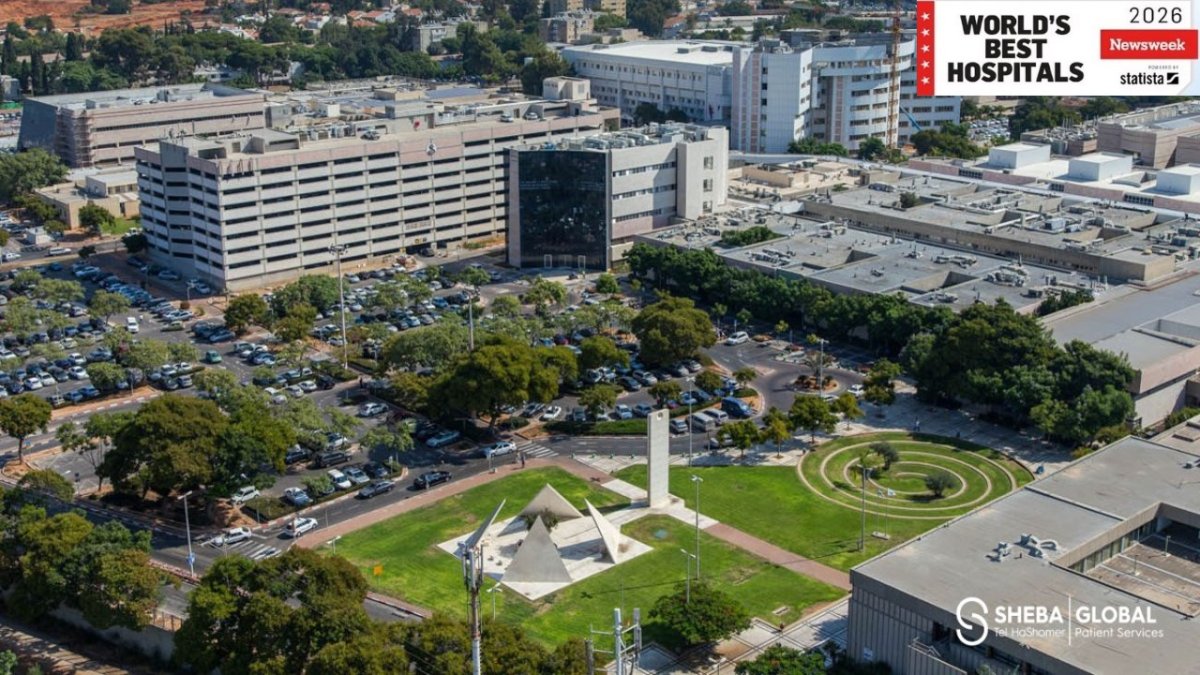
Centro médico Sourasky
Israel, Tel Aviv
Ofer Merimsky
41 años de experiencia

acreditaciones : 

Clínica certificada por : 





Revisado médicamente por
Fahad Mawlood
Stomach cancer stage 2 treatment cost in Israel typically involves staging diagnostics like a CT scan, which ranges from $230 to $340. Primary surgical interventions, such as a gastrectomy, usually cost between $28,000 and $45,000. Total expenses depend on the surgical complexity, the hospital tier, and whether adjuvant chemotherapy is required. Patients can expect 20-40% savings compared to the US. Top cities for this treatment include Tel Aviv, Jerusalem, and Ramat Gan.
Typical Stomach Cancer Stage 2 Treatment Costs in Israel
Bookimed Expert Insight: Early-stage patients requiring high-precision surgery should consider Sourasky Medical Center. They report a 90% average success rate for cancer treatments. For complex cases needing advanced protocols, Sheba Medical Center is a global leader in precision medicine. Sheba offers specialized HIPEC procedures, with surgeons like Dr. Almog Ben Yaacov performing over 200 cases. Private centers like Assuta provide rapid diagnostics, often completing full checkups within three days. These JCI-accredited facilities ensure high safety standards, with Herzliya Medical Center scoring 100 in patient safety inspections.
| Israel | España | Turquía | |
|---|---|---|---|
| Resección de estómago | ≈ $17,000 | de $20,000 | de $3,100 |
| Radioterapia para el cáncer colorrectal | ≈ $14,000 | de $7,500 | de $5,000 |
| Quimioterapia para el cáncer de mama | ≈ $22,500 | de $1,700 | de $3,000 |
| Cirugía de cáncer de estómago | ≈ $28,000 | de $28,500 | de $10,500 |

Liderando la Iniciativa Nacional de Medicina Genómica de Israel, el Dr. Raphael se especializa en perfiles genómicos avanzados para el tratamiento personalizado del cáncer de estómago en el Centro Médico Sourasky.

La Dra. Pelles Sharon se especializa en cirugía de cáncer de estómago en el Centro Médico Sourasky (Ichilov), con experiencia en tratamientos avanzados como HIPEC e inmunoterapia.
El Prof. Merimsky dirige la Unidad de Oncología de Tejidos Blandos y Huesos en el Centro Médico Sourasky, con décadas de experiencia especializada en cáncer de estómago.

Dirige un centro especializado en prevención del cáncer en el Centro Médico Sourasky de Tel Aviv, centrándose en la detección precoz y el tratamiento de los cánceres gastrointestinales.
 Olena Sikoza
El tratamiento del cáncer de estómago en estadio 2 en Israel sigue un enfoque multidisciplinario centrado en la extirpación completa del tumor y la prevención de recurrencias. Los protocolos primarios combinan quimioterapia neoadyuvante, resección radical con disección de ganglios linfáticos D2 y terapias sistémicas adyuvantes. La medicina de precisión guía el uso de fármacos dirigidos basados en el perfil molecular.
Perspectiva del experto de Bookimed: Aunque la mayoría de los centros realizan gastrectomías, las instalaciones de alto volumen como el Sheba Medical Center y el Sourasky Medical Center reportan resultados superiores debido a su experiencia especializada en linfadenectomía D2. Est
La cirugía es el tratamiento curativo principal para el cáncer gástrico en estadio 2, pero rara vez se realiza sola. Los protocolos israelíes a menudo priorizan la quimioterapia perioperatoria para reducir los tumores antes de la resección. La cirugía puede evitarse si el tumor afecta estructuras vitales o si el paciente es médicamente frágil.
Perspectiva del experto de Bookimed: Los centros israelíes como Sheba y Sourasky son líderes en cirugía robótica, lo cual es crucial para las disecciones complejas de ganglios D2. El Dr. Yuri Goldes en Sheba fue uno de los primeros en realizar resecciones gástricas robóticas. Esta tecnología ayuda a los cirujanos a lograr márgenes más limpios y, por lo general, reduce la pérdida de sangre en comparación con la cirugía abierta tradicional.
Consens
La cirugía avanzada de cáncer gástrico en Israel utiliza el sistema robótico da Vinci para gastrectomías precisas. Los cirujanos realizan HIPEC laparoscópica y resecciones mucosas endoscópicas para asegurar la preservación de órganos. Estas técnicas mínimamente invasivas implican pequeñas incisiones. Esto resulta en tiempos de recuperación más rápidos y mayores tasas de éxito oncológico.
Perspectiva de expertos de Bookimed: Los departamentos quirúrgicos israelíes demuestran una relación única entre volumen y especialización, observada en centros como el Sheba Medical Center. El Dr. Yuri Goldes y el Dr. Almog Ben Yaacov han realizado más de 200 procedimientos HIPEC. Esta experiencia específica es rara a nivel mundial. Permite la aplicación de HIPEC incluso en casos seleccionados de etapa 2 con alto riesgo peritoneal.
La inmunoterapia se utiliza con frecuencia para el cáncer de estómago en estadio 2 para prevenir la recurrencia, especialmente en pacientes con biomarcadores MSI-high. Los centros oncológicos israelíes suelen reservar HIPEC y PIPAC para enfermedades metastásicas. Estas terapias especializadas rara vez son estándar para tumores localizados en estadio 2, a menos que formen parte de ensayos clínicos específicos.
Perspectiva del experto de Bookimed: Especialistas israelíes como el Dr. Almog Ben Yaacov han realizado más de 200 procedimientos HIPEC, lo que refleja una profunda experiencia en quimioterapia especializada. Si bien HIPEC es estándar para estadios a
Sheba y Sourasky (Ichilov) son líderes en el tratamiento del cáncer gástrico en Israel. Estos centros acreditados por la JCI se especializan en gastrectomías robóticas y HIPEC. Integran la medicina de precisión con perfiles genéticos para casos de estadio 2. Los equipos multidisciplinarios logran altas tasas de supervivencia mediante cirugía mínimamente invasiva y terapias biológicas dirigidas.
Perspectiva del experto de Bookimed: Aunque muchos buscan atención privada por rapidez, el Sheba Medical Center atiende a más de 2 millones de pacientes al año. Este volumen es crítico para el cáncer gástrico. Los centros de alto volumen a menudo muestran mejores resultados
Los pacientes internacionales suelen permanecer en Israel de 3 a 6 meses para el tratamiento continuo del cáncer de estómago en estadio 2. Esta duración cubre diagnósticos avanzados, resección quirúrgica y quimioterapia perioperatoria. La mayoría de los pacientes pasan de 4 a 8 semanas solo para la fase quirúrgica para garantizar una recuperación segura.
Perspectiva del experto de Bookimed: Los centros oncológicos israelíes como el Sourasky Medical Center informan de una tasa de éxito media del 90%. Aunque el protocolo completo dura meses, nuestros datos muestran que muchos pacientes eligen un modelo de viaje dividido. Permanecen de 4 a 6 semanas para la cirugía y luego regresan a casa para la quimioterapia. Este enfoque funciona si los oncólogos locales pueden coordinarse con profesores israelíes como el Dr. Alexander Beny o el Dr. Ido Wolf.
Consenso de los paciente
Israel es un centro líder en neurocirugía gracias a su combinación de avances médicos de alta tecnología y una experiencia quirúrgica de primer nivel. Instalaciones avanzadas como el Centro Médico Sheba utilizan sistemas de navegación basados en IA y resonancia magnética intraoperatoria en tiempo real. Centros especializados reportan una tasa de éxito del 98% en procedimientos complejos, como la craneotomía con el paciente despierto y el tratamiento de trastornos del movimiento.
Opinión experta de Bookimed: Los datos muestran una clara diferencia entre las opciones de tratamiento públicas y privadas en Israel. Centros privados, como el Centro Médico Assuta, realizan más de 92.000 cirugías al año y permiten a los pacientes elegir a un cirujano líder específico. Esto supone una ventaja signi
Los neurocirujanos israelíes tratan una amplia gama de afecciones, desde tumores cerebrales y de médula espinal hasta trastornos funcionales complejos. Los centros especializados utilizan tecnologías de vanguardia, como el bisturí de rayos gamma, la estimulación cerebral profunda y la resonancia magnética intraoperatoria, para un diagnóstico altamente preciso de la epilepsia, la enfermedad de Parkinson y las patologías cerebrovasculares.
Opinión experta de Bookimed: Los hospitales israelíes suelen combinar diversas especialidades para abordar casos complejos. En el Centro Médico Sourasky, neurocirujanos como el Dr. Zvi Lidar combinan neurocirugía y ortopedi
Israel alberga centros neuroquirúrgicos de renombre mundial, como el Centro Médico Sourasky, el Centro Médico Sheba y el Centro Médico Hadassah. Estas instituciones son líderes mundiales en el tratamiento de tumores cerebrales complejos, enfermedades de la columna vertebral y trastornos del movimiento. Utilizan tecnologías de vanguardia como el bisturí de rayos gamma, sistemas robóticos y resonancia magnética intraoperatoria.
Opinión experta de Bookimed: Nuestros datos muestran que, si bien la mayoría de los pacientes buscan tratamiento en Tel Aviv, el Centro Médico Rambam en Haifa ofrece una atención única para neurotraumatismos. Cuenta con una unidad especializada en cuidados neurocríticos que atiende a aproximadamente un milló
Entre los neurocirujanos israelíes más destacados se encuentran los profesores Zvi Ram, Shlomi Constantini e Itzhak Fried, del Centro Médico Sourasky. Estos especialistas ocupan puestos de liderazgo en la Asociación Europea de Sociedades de Neurocirugía (EANS) y la Sociedad Mundial de Neurocirugía Estereotáctica y Funcional (WSSFN). Utilizan técnicas avanzadas de mapeo intraoperatorio y sistemas robóticos.
Opinión de los expertos de Bookimed: Los datos de Sourasky y Sheba indican una fuerte correlación entre un alto volumen quirúrgico y la seguridad del paciente. Por ejemplo, Sourasky realiza más de 34.000 cirugías oncológicas al año con una tasa de éxito del 90 %. Los pacientes que requieren la extirpación de un tumor complejo deberían priorizar centros como estos, donde los cirujanos realizan cientos de procedimientos especializados al año.