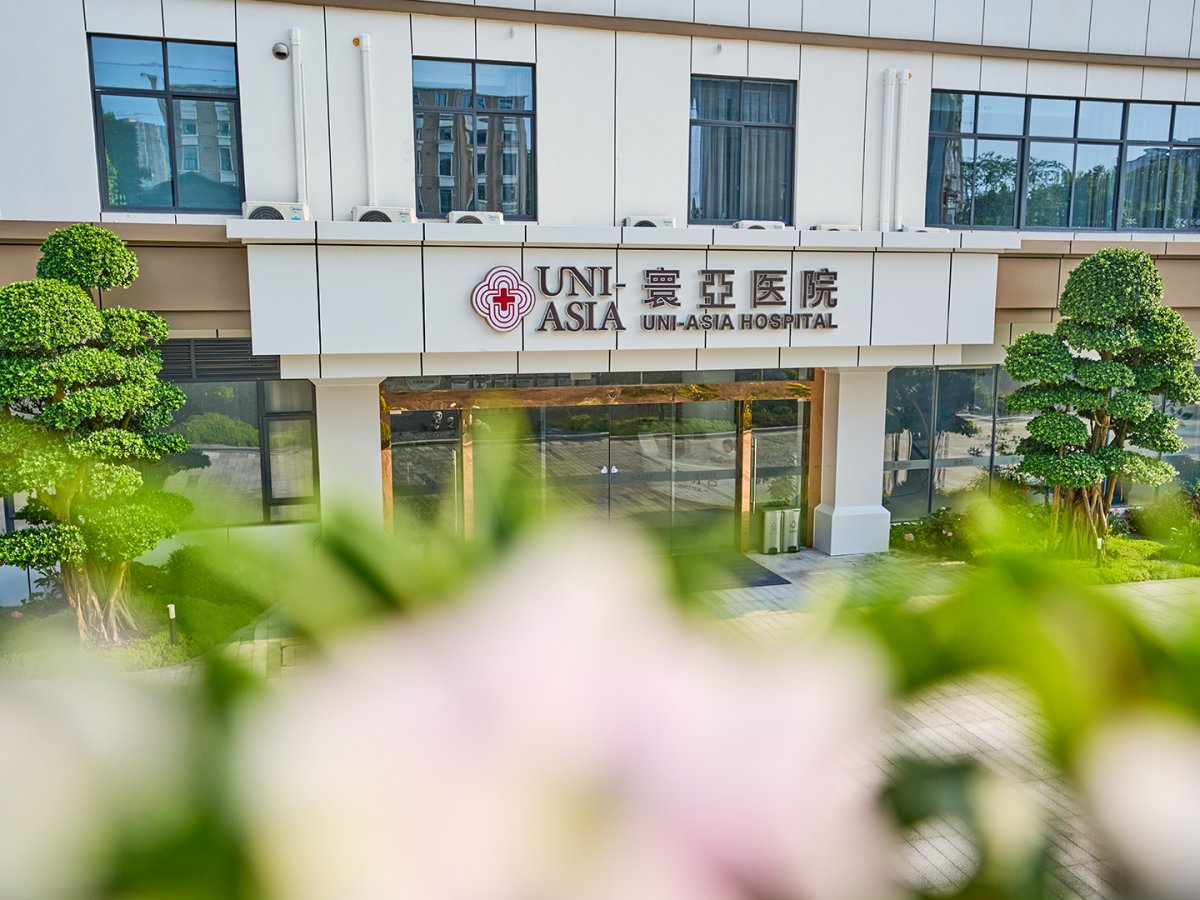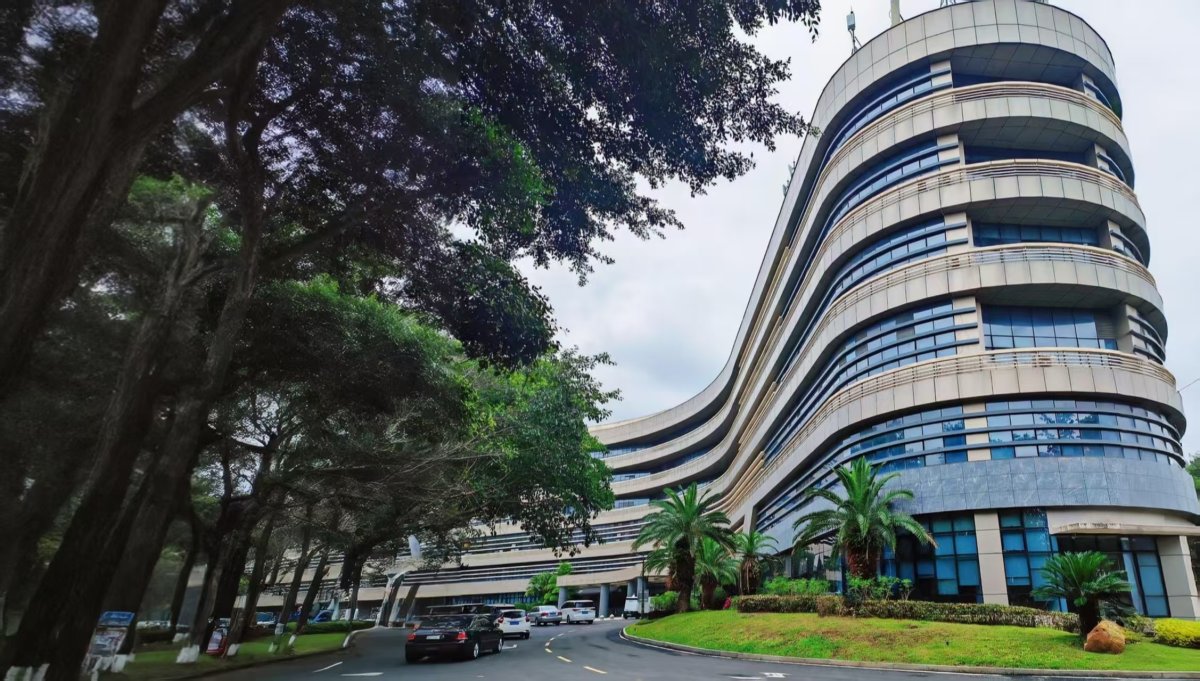
Boao International Medical Center
China, Qionghai


Revisado médicamente por
Fahad Mawlood
El costo del tratamiento del cáncer de estómago en etapa 2 en China generalmente depende de la complejidad quirúrgica y los protocolos de medicación. Los procedimientos principales como la cirugía de cáncer de estómago oscilan entre $14,000 y $24,000, mientras que una resección estomacal varía de $18,500 a $36,500. Los gastos totales están influenciados por el nivel del hospital, los tipos de medicamentos y la ciudad. Los pacientes internacionales pueden ahorrar entre un 40 y un 60% en comparación con los EE. UU. Los principales centros de tratamiento incluyen Guangzhou, Beijing y Shanghai.
Costos típicos del tratamiento del cáncer de estómago en etapa 2 en China
Perspectiva de expertos de Bookimed: Los pacientes que buscan alternativas a la quimioterapia sistémica deberían considerar centros especializados como el Hospital de Cáncer Fuda. Esta instalación acreditada por la Joint Commission International (JCI) se centra en la oncología mínimamente invasiva. Aplican más de 10 tipos de terapias locales, incluyendo criocirugía y NanoKnife. Este enfoque es altamente efectivo para pacientes que requieren un tratamiento dirigido. Especialistas como Song Shijun brindan experiencia dentro de un equipo multidisciplinario que atiende a más de 30,000 pacientes internacionales.
| China | España | Turquía | |
|---|---|---|---|
| Resección de estómago | ≈ $18,500 | de $20,000 | de $3,100 |
| Radioterapia para el cáncer colorrectal | ≈ $11,500 | de $7,500 | de $5,000 |
| Quimioterapia para el cáncer de mama | ≈ $14,800 | de $1,700 | de $3,000 |
| Cirugía de cáncer de estómago | ≈ $14,000 | de $27,000 | de $10,500 |
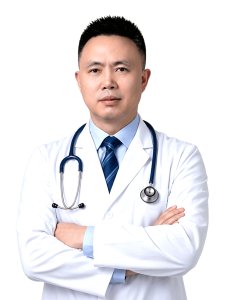
Médico jefe y profesor. Experto de nivel 1 en el Centro Oncológico del West China Hospital, Sichuan University (clasificado n.º 2 en China). Completó un posdoctorado en radiología intervencionista en el Chinese PLA General Hospital. Dirige equipos multidisciplinarios (MDT) para tumores complejos. Experto en oncología intervencionista mínimamente invasiva para cánceres de hígado, pulmón y páncreas.
Acreditaciones: Miembro del consejo, WATA. Miembro de los comités de CACA y CMDA sobre in

El profesor Luo Xiaoping es un radiólogo intervencionista reconocido a nivel nacional y una autoridad destacada en el oeste de China. Comenzó a realizar intervenciones vasculares pioneras a principios de la década de 1990. Ayudó a fundar el Grupo de Intervencionismo del Segundo Hospital Afiliado de la Universidad Médica de Chongqing.
Ha realizado más de 100 000 procedimientos intervencionistas, incluidos unos 4 000 casos complejos. Sus competencias clave incluyen TACE para el carcinoma
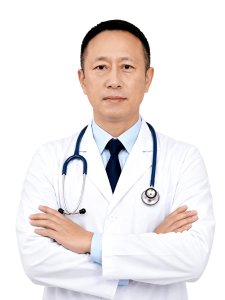
El Dr. He Weibing es pionero de la crioablación con argón‑helio en China, con más de 20 años de práctica en primera línea. Fue miembro fundador del Hospital Oncológico Fuda (Guangzhou). Cofundó su Centro de Tratamiento Tumoral Mínimamente Invasivo y fue subdirector ejecutivo. También ayudó a crear el Grupo de Ablación de la Asociación China contra el Cáncer. Ha sido operador principal en más de 10.000 procedimientos.
Se especializa en crioablación tumoral y domina la braquiterapia con

El profesor Xiao Yueyong es médico jefe del Departamento de Radiodiagnóstico del Hospital General del EPL de China. Es un experto líder en oncología intervencionista mínimamente invasiva. Es el primer presidente de WATA (2025–). Preside la Sociedad Internacional (2020–) y la Sociedad Asiática (2012–) de Crioterapia. También es subjefe del Grupo de Expertos de la NHC sobre regulaciones de ablación tumoral (2009–).
Ha realizado más de 100 000 procedimientos mínimamente invasivos guiados
 Olena Sikoza
El procedimiento quirúrgico estándar para el cáncer de estómago en estadio 2 en China es la gastrectomía radical combinada con linfadenectomía D2. Los cirujanos realizan una extirpación gástrica subtotal o total según la ubicación del tumor. Este procedimiento sigue las directrices de la Sociedad China de Oncología Clínica para garantizar la eliminación completa del tumor y una extensa recolección de ganglios linfáticos.
Perspectiva del experto de Bookimed: Los centros oncológicos chinos demuestran una gran capacidad para casos complejos, y el Fuda Cancer Hospital ha atendido a más de 30.000 pacientes internacionales. Los patrones clínicos muestran que los centros en Guangzhou y Xiamen priorizan los equipos multidiscip
La quimioterapia es común para el cáncer de estómago en estadio 2, pero no siempre es obligatoria después de la cirugía. La quimioterapia neoadyuvante antes de la cirugía es estándar para reducir los tumores y mejorar el éxito de la resección. La quimioterapia adyuvante después de la cirugía elimina las células microscópicas. La decisión depende del estado de los ganglios linfáticos y la profundidad del tumor encontrados durante la resección.
Perspectiva de expertos de Bookimed: Los datos de los pacientes sugieren que la velocidad de recuperación a menudo dicta el cronograma de la quimioterapia. El Fuda Cancer Hospital atiende a más de 30.000 pacientes internacionales y se centra en alternativas mínimamente invasivas. Si la pérdida de peso postoperatoria es grave, los médicos pueden priorizar la re
Los hospitales chinos prescriben principalmente terapias dobles basadas en fluoropirimidina y platino para el cáncer de estómago en estadio 2. Las directrices de la Sociedad China de Oncología Clínica recomiendan estos tratamientos después de una gastrectomía D2. Los regímenes estándar incluyen SOX, XELOX y FOLFOX. Estos protocolos reducen los riesgos de recurrencia y se dirigen a la propagación microscópica.
Perspectiva del experto de Bookimed: La práctica clínica en China muestra una fuerte preferencia por el régimen SOX. Es más común aquí que en los países occidentales. Esto se debe a que el S-1 es específicamente eficaz en las poblaciones de Asia Oriental. Los pacientes deben asegurarse de que su estado nutricional sea estable. Los médicos en clínicas como el Fuda Cancer Hospital ajustan las dosis según el peso corporal. Esta flexibilidad ayuda a los pacientes a completar el tratamiento completo de forma segura.
Consenso
Los pacientes internacionales en los principales centros oncológicos chinos suelen observar tasas de supervivencia a 5 años de entre el 63 % y el 86 % para el cáncer de estómago en estadio 2. Estas tasas reflejan los resultados de instituciones urbanas de gran volumen. El éxito depende de una gastrectomía radical D2 y quimioterapia adyuvante. El perfil molecular avanzado mejora aún más estos puntos de referencia.
Perspectiva del experto de Bookimed: Los datos de supervivencia en China están fuertemente influenciados por la especialización quirúrgica. Instalaciones como el Fuda Cancer Hospital han atendido a más de 30 000 pacientes de 100 países. Este volumen masivo a menudo conduce a mejores resultados en linfadenectomías D2 complejas. Los pacientes deben priorizar los hospitales con acreditac
Los pacientes internacionales suelen permanecer en China de 3 a 6 meses para un tratamiento completo de cáncer de estómago en estadio 2. Este período cubre cirugías especializadas como la gastrectomía radical D2 y múltiples rondas de quimioterapia adyuvante. Los centros acreditados por la JCI en ciudades como Guangzhou ofrecen estos protocolos oncológicos integrados.
Opinión del experto de Bookimed: Los pacientes pueden optimizar su estancia eligiendo clínicas como el Fuda Cancer Hospital. Este centro se especializa en terapias mínimamente invasivas que pueden servir como alternativas a la quimioterapia tradicional. Su experiencia con más de 30.000 pacientes internacionales garantiza transiciones fluidas entre la recuperación quirúrgica y el alojamiento ambulatorio local.
Consenso de los pacientes: Los pacientes enfatizan que la recuperación se mide en semanas en lugar de días. Recomiendan quedarse cerca del hosp
Los centros chinos integran la Medicina Tradicional China (MTC) en los protocolos de cáncer de estómago en estadio 2 como cuidado de apoyo. Los principales hospitales, junto con los departamentos de oncología occidental, proporcionan MTC para controlar los efectos secundarios. Nunca reemplaza la estrategia curativa primaria de gastrectomía radical y quimioterapia adyuvante en instalaciones acreditadas por la JCI.
Perspectiva del experto de Bookimed: Aunque muchos buscan curas alternativas, los centros oncológicos chinos como el Hospital de Cáncer Fuda enfatizan un enfoque multidisciplinario. Combinan la cirugía occidental con tecnologías avanzadas como la criocirugía o el NanoKnife en lugar de solo MTC. Nuestros datos muestran que estos centros integrados prefieren la MTC específicamente para los bloques de
La inmunoterapia y los agentes dirigidos no son estándar para el cáncer de estómago en estadio 2 en China. La mayoría de los protocolos clínicos chinos priorizan la cirugía radical D2 y la quimioterapia citotóxica. Estas terapias avanzadas suelen reservarse para enfermedades metastásicas en estadio 4 o casos de recurrencia documentados específicamente.
Perspectiva del experto de Bookimed: Aunque la atención estándar en el estadio 2 se centra en la cirugía, centros especializados como el Fuda Cancer Hospital utilizan más de 10 tipos de terapias mínimamente invasivas. Estas tecnologías, que incluyen NanoKnife y criocirugía, proporcionan alternativas localizadas a los fármacos sistémicos. Esto es particularmente valioso para los pacientes que no pueden tolerar una quimioterapia agresiva después de su gastrectomía.
Consenso de los pacientes: