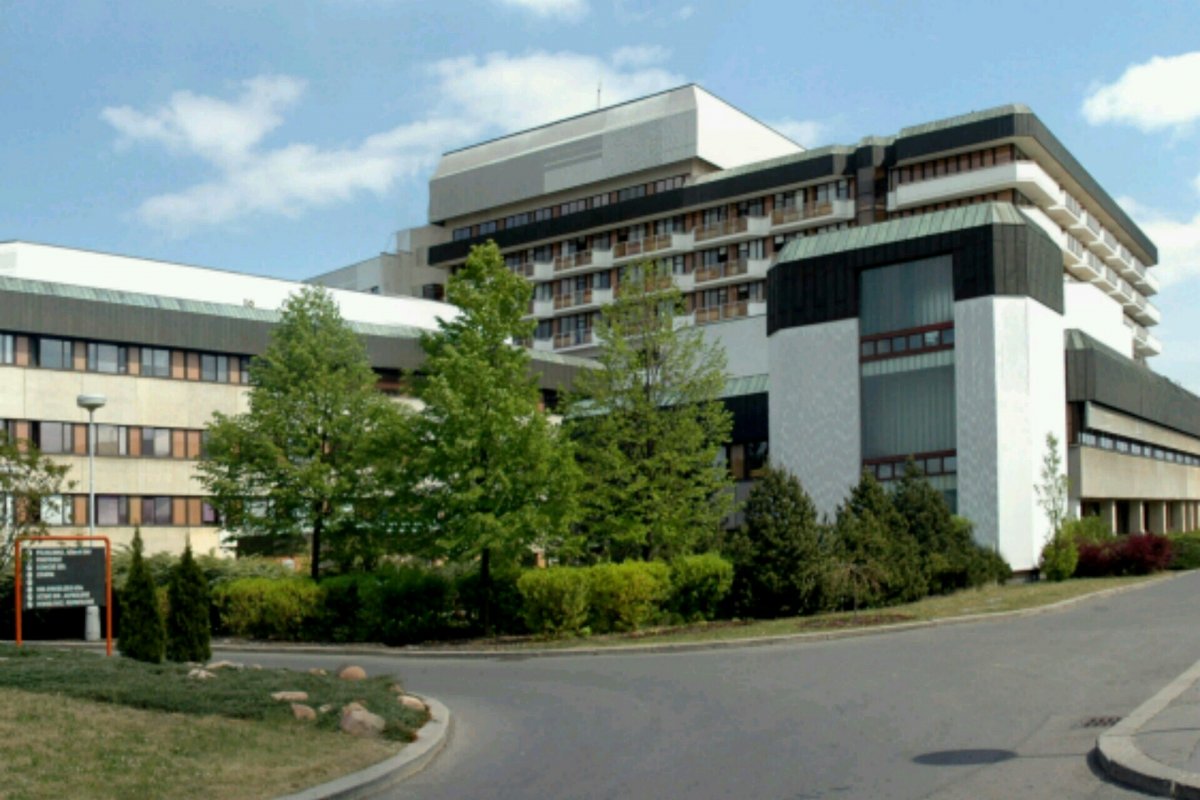
Robotic Surgery Center in St. Zdislava Hospital
República Checa, Velke Mezirici
Jaroslav Tvaruzek
36 años de experiencia

Clínica certificada por : 


Revisado médicamente por
Fahad Mawlood
El costo del tratamiento del cáncer de estómago en estadio 2 en la República Checa incluye con frecuencia una intervención quirúrgica compleja y terapia perioperatoria. De $13,000. Los costos totales dependen del enfoque quirúrgico y de los ciclos de medicación necesarios. Los pacientes suelen obtener ahorros del 50-80% en comparación con los Estados Unidos. Los principales destinos de tratamiento incluyen Praga y Velke Mezirici.
Costos típicos del tratamiento del cáncer de estómago en estadio 2 en la República Checa
Perspectiva de los expertos de Bookimed: Los pacientes que buscan intervenciones de alta precisión se benefician más de las plataformas robóticas. El Centro de Cirugía Robótica del Hospital St. Zdislava es el centro checo más grande para esta tecnología. El Dr. Jaroslav Tvaruzek es un experto certificado líder que ha realizado más de 3,500 operaciones robóticas. Para casos complejos en la capital, el Nemocnice Na Homolce en Praga ofrece atención multidisciplinaria con más de 15,000 operaciones anuales. Estos centros especializados ofrecen experiencia quirúrgica avanzada a costos más bajos que las instalaciones de Europa Occidental.
| República Checa | España | Turquía | |
|---|---|---|---|
| Resección de estómago | ≈ $7,500 | de $20,000 | de $3,100 |
| Radioterapia para el cáncer colorrectal | ≈ $10,000 | de $7,500 | de $5,000 |
| Quimioterapia para el cáncer de mama | ≈ $3,000 | de $1,700 | de $3,000 |
| Cirugía de cáncer de estómago | de $13,000 | de $27,000 | de $10,500 |
El Dr. Tvaruzek ha realizado más de 3500 cirugías robóticas, especializándose en procedimientos complejos en el Hospital St. Zdislava.
 Olena Sikoza
El tratamiento del cáncer de estómago en estadio 2 en la República Checa sigue las directrices clínicas de la ESMO. El protocolo multimodal incluye quimioterapia perioperatoria FLOT y resección quirúrgica. Centros como Nemocnice Na Homolce realizan más de 15.000 cirugías al año. Los especialistas utilizan sistemas robóticos Da Vinci para una extirpación precisa del tumor y una recuperación más rápida.
Opinión del experto de Bookimed: Aunque la mayoría de los pacientes buscan atención oncológica en Praga, el Centro de Cirugía Robótica del Hospital St. Zdislava es, en realidad, el mayor centro robótico del país. Ha completado más de 4.000 operaciones robóticas. Este alto volumen a menudo se traduce en una extrema competencia técnica en resecciones estomacales complejas.
Los hospitales checos ofrecen cirugía robótica y laparoscópica mínimamente invasiva avanzada para el cáncer gástrico. Los centros especializados utilizan sistemas quirúrgicos da Vinci de cuarta generación para resecciones tumorales precisas. Estos enfoques son estándar para el cáncer de estómago en estadio 2. Ayudan a reducir la pérdida de sangre y aceleran la recuperación postoperatoria.
Opinión del experto de Bookimed: Un alto volumen quirúrgico se correlaciona con mejores resultados en las resecciones gástricas. En el Hospital St. Zdislava, el Dr. Jaroslav Tvaruzek ha realizado personalmente más de 3.500 procedimientos. Este nivel de especialización es raro. Proporciona una alternativa más segura a los centros donde las herramientas robóticas están disponibles pero se utilizan con menos frecuencia.
Consenso de los pacientes:
Los mejores hospitales checos para el cáncer de estómago incluyen el Centro de Cirugía Robótica del Hospital St. Zdislava y el Nemocnice Na Homolce. Estas instalaciones se especializan en atención oncológica multidisciplinaria y gastrectomías mínimamente invasivas. Utilizan sistemas robóticos Da Vinci y equipos quirúrgicos expertos para tratar eficazmente los tumores gástricos en estadio 2.
Perspectiva del experto de Bookimed: El Hospital St. Zdislava destaca porque combina un alto volumen con un entorno boutique. Mientras que grandes centros como el Nemocnice Na Homolce atienden a más de 20,000 pacientes, St. Zdislava se centra en la precisión robótica. La experiencia personal del Dr. Jaroslav Tvaruzek de más de 3,500 cirugías es poco común. Este volumen sugiere una mayor precisión quirúrgica para resecciones complejas.
Las clínicas checas mantienen altos estándares a través de la certificación nacional SAK y la acreditación internacional JCI. Los centros académicos como Nemocnice Na Homolce a menudo siguen los sistemas de calidad ISO 9001:2015. Los laboratorios deben cumplir con los estándares de precisión ISO 15189. Todos los médicos están licenciados por la Cámara Médica Checa y supervisados por el Instituto Estatal para el Control de Medicamentos.
Perspectiva de expertos de Bookimed: La experiencia checa se concentra en centros públicos de alto volumen como Nemocnice Na Homolce, que atiende a más de 20.000 pacientes al año. Sitios especializados como el Hospital St. Zdislava dominan la cirugía robótica con más de 4.000 procedimientos realizados. Este volumen a menudo se correlaciona con mejores resultados que las certificaciones por sí solas. Elij
La extirpación parcial del estómago suele ser posible en casos de cáncer en estadio 2. Los cirujanos buscan preservar la función estomacal si el tumor está localizado. La gastrectomía total se reserva para enfermedades generalizadas o tumores situados cerca del esófago. Los centros checos utilizan sistemas robóticos da Vinci para realizar resecciones precisas preservando el tejido sano.
Perspectiva del experto de Bookimed: Los centros robóticos checos demuestran una alta especialización en cirugía oncológica. El Dr. Jaroslav Tvaruzek, del Hospital St. Zdislava, ha realizado más de 3.500 procedimientos robóticos. Este alto volumen suele conducir a una mejor preservación de la función orgánica. Los pacientes deben priorizar centros con un número similar de procedimientos para casos complejos de estadio 2.
Consenso de los pacientes: Muchos pacie
El tratamiento del cáncer de estómago en estadio 2 en la República Checa requiere generalmente de 2 a 4 semanas. Este plazo cubre las pruebas diagnósticas preoperatorias y el procedimiento quirúrgico. También incluye el período crítico de recuperación y la autorización para volar. Una cirugía abdominal mayor requiere estancia hospitalaria seguida de seguimiento local.
Opinión de expertos de Bookimed: Los centros checos como el Hospital St. Zdislava están especializados en cirugía robótica mediante el sistema Da Vinci. El Dr. Jaroslav Tvaruzek ha realizado más de 3.500 operaciones robóticas. Los enfoques robóticos a menudo permiten a los pacientes estabilizarse más rápidamente en comparación con la cirugía abierta. Esto puede reducir potencialmente el margen de recuperación local necesario antes de un viaje de larga distancia.
Consenso de los pacientes:
Los especialistas médicos y cirujanos en los principales centros oncológicos checos suelen hablar inglés con fluidez. La mayoría de los oncólogos destacados leen literatura médica internacional publicada en inglés. Sin embargo, el dominio del inglés a menudo varía entre el personal de enfermería, administrativo y de recepción en centros como el Hospital Nemocnice Na Homolce o el Hospital St. Zdislava.
Perspectiva de expertos de Bookimed: Aunque médicos como el Dr. Jaroslav Tvaruzek poseen certificaciones internacionales, el personal de enfermería en Velke Mezirici puede hablar menos inglés que el de Praga. Los pacientes deben priorizar una comunicación clara con el cirujano principal, quien supervisa el sistema robótico para la resección estomacal. Si el oncólogo principal habla inglés con fluidez, puede cerrar la brecha de