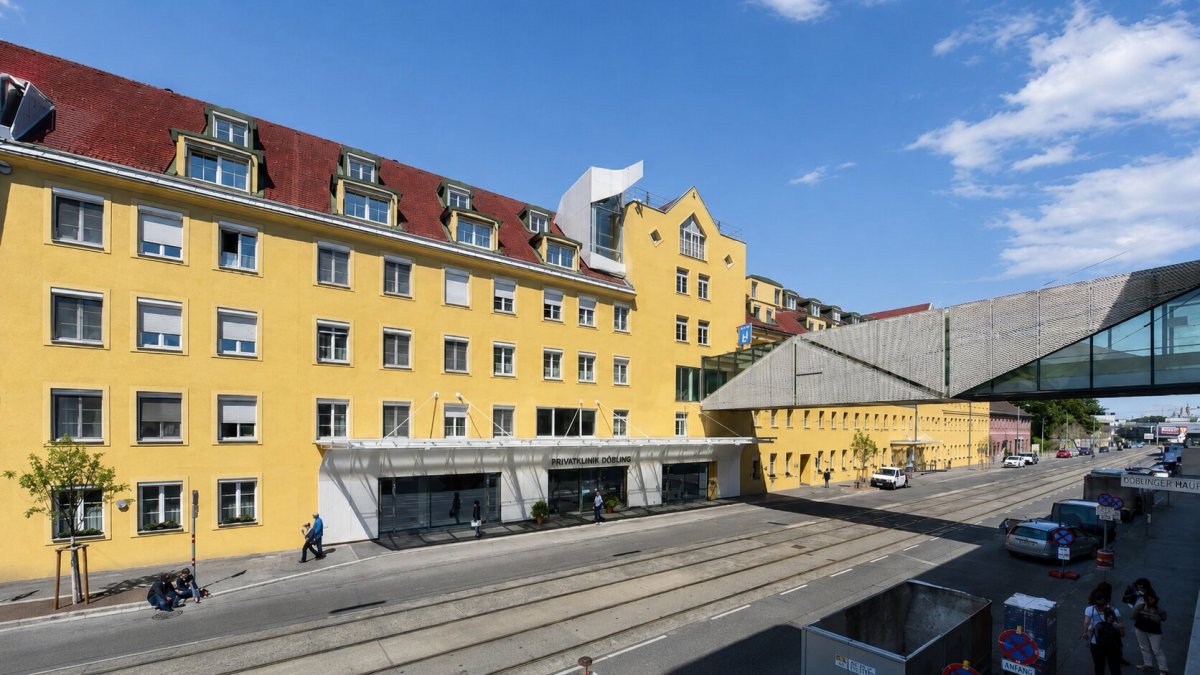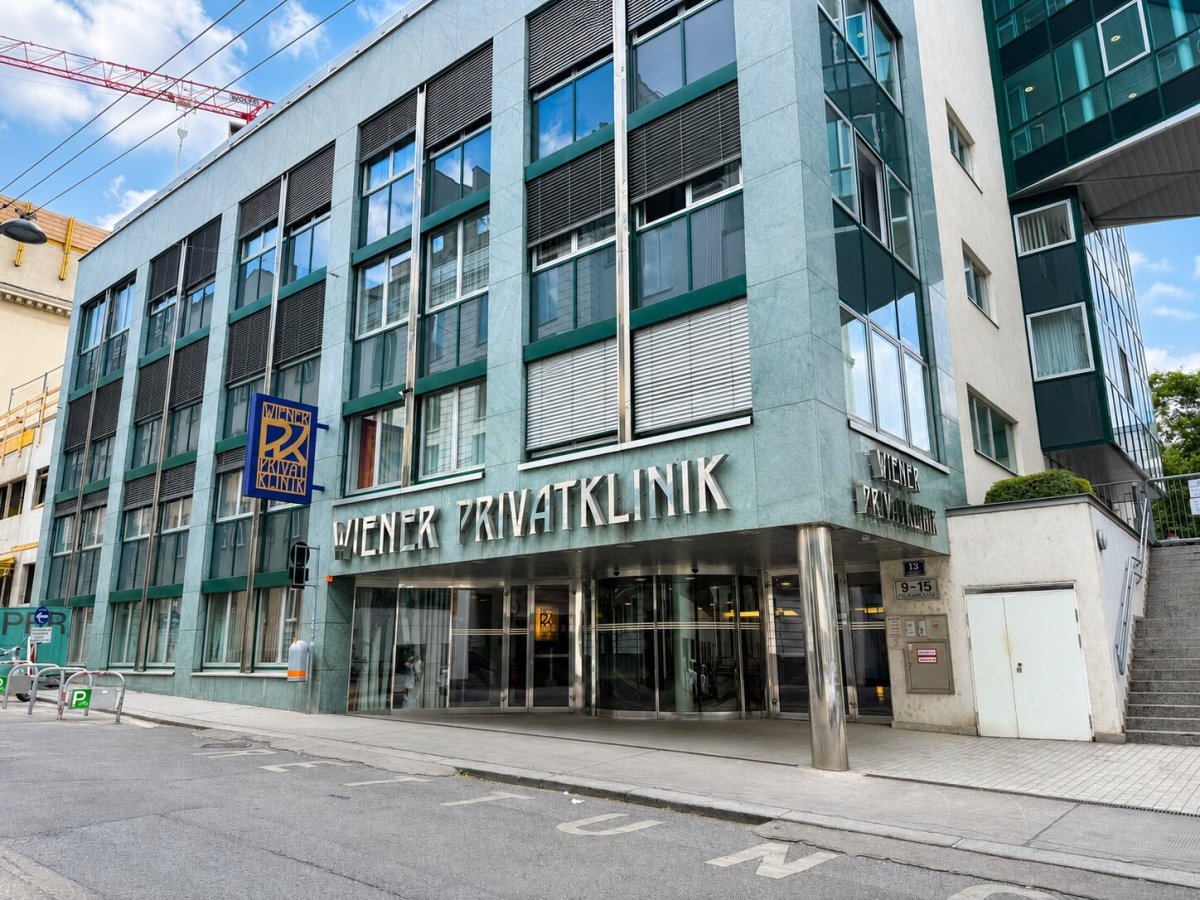
Clínica privada Wiener (Wiener Privatklinik)
Austria, Viena
Christoph Zielinski
44 años de experiencia

acreditaciones : 
Clínica certificada por : 





Revisado médicamente por
Fahad Mawlood
De $260. Las intervenciones quirúrgicas primarias, como la cirugía de cáncer de estómago, generalmente cuestan entre $24,000 y $37,000, mientras que una resección estomacal cuesta entre $17,500 y $25,500. Los gastos totales dependen del enfoque quirúrgico, la duración de la estancia hospitalaria y los protocolos farmacológicos, con ahorros de aproximadamente un 20-30% en comparación con los EE. UU. Viena y Salzburgo son los principales centros médicos.
Costos típicos del tratamiento del cáncer de estómago en estadio 2 en Austria
Perspectiva de expertos de Bookimed: Los pacientes que buscan experiencia oncológica de alto nivel deben priorizar las clínicas con acreditaciones internacionales. Wiener Privatklinik cuenta con un Centro Oncológico Internacional dirigido por el profesor Christoph Zielinski. Esta instalación es ideal para casos complejos que requieren juntas de tumores multidisciplinarias. Para aquellos enfocados en la seguridad y la calidad de los resultados, el Hospital Privado Döbling informa tasas de complicaciones por debajo de los valores nominales. Estas instituciones privadas ofrecen un acceso más rápido al tratamiento que los hospitales universitarios públicos. Los oncólogos expertos en Viena a menudo combinan una amplia experiencia en investigación con protocolos modernos de inmunoterapia.
| Austria | España | Turquía | |
|---|---|---|---|
| Resección de estómago | ≈ $17,500 | de $20,000 | de $3,100 |
| Radioterapia para el cáncer colorrectal | de $6,700 | de $7,500 | de $5,000 |
| Quimioterapia para el cáncer de mama | ≈ $9,500 | de $1,700 | de $3,000 |
| Cirugía de cáncer de estómago | ≈ $24,000 | de $28,500 | de $10,500 |
Durante más de _doctor_69_ años dando forma a la oncología a nivel mundial: el Prof. Zielinski dirige la terapia oncológica personalizada en el Centro Internacional de Oncología de Wiener Privatklinik.

El profesor Köstler es un oncólogo médico especializado en terapias contra el cáncer personalizadas y dirigidas. Trabaja en la reconocida Wiener Privatklinik y en la Universidad Médica de Viena.
 Olena Sikoza
El tratamiento estándar para el cáncer gástrico en estadio 2 en Austria se basa en un protocolo de tratamiento multimodal. Esta estrategia combina quimioterapia perioperatoria con resección quirúrgica radical. Los especialistas utilizan quimioterapia FLOT antes y después de la cirugía para reducir el tamaño de los tumores. Todos los casos requieren evaluación por un equipo oncológico multidisciplinario.
Opinión experta de Bookimed: Los pacientes en Viena se benefician de una atención altamente cualificada en centros como la Vienna Privatklinik. Oncólogos de renombre como el Dr. Christoph Zielinski se especializan en protocolos de tratamiento personalizados, como la inmunoterapia para la inestabilidad microsatélite de alto grado (MSI-H). Nuestros datos demuestran que estas instituciones privadas dan priorida
En raras ocasiones, el cáncer de estómago en estadio 2 es técnicamente curable solo con cirugía. Sin embargo, los cirujanos rara vez la recomiendan debido al alto riesgo de recurrencia. Generalmente, los cirujanos realizan una gastrectomía radical para extirpar el tumor. La mayoría de los pacientes requieren quimioterapia para destruir las células microscópicas.
Opinión experta de Bookimed: Los hospitales privados de Viena ofrecen un acceso exclusivo a profesores de la Universidad Médica de Viena. El Dr. Christoph Zelinski, de la Clínica Privada de Viena, cuenta con más de 40 años de experiencia en el desarrollo de estos protocolos. Su experiencia demuestra que la inmunoterapia personalizada se integra frecuentemente con la cirugía tradicional en Austria. Este enfoque de medicina de precisión permite adaptar el tratamiento si la qui
El cáncer gástrico en estadio 2 requiere una gastrectomía radical para extirpar el tumor y los márgenes circundantes. Los cirujanos realizan una gastrectomía subtotal o total, según la ubicación del tumor. Este procedimiento incluye una linfadenectomía D2 para extirpar al menos 15 ganglios linfáticos cercanos para la estadificación.
Opinión de expertos de Bookimed: Viena alberga numerosos centros oncológicos académicos. En la Wiener Privatklinik, muchos de los 400 médicos son profesores de la Universidad Médica de Viena. Esto significa que los pacientes tienen acceso directo a los protocolos de investigación universitaria en un entorno hospitalario privado. Esta conexión académica garantiza que los casos complejos de estadio 2 sean tratados
El tratamiento del cáncer gástrico en estadio 2 en Austria se concentra en Viena, en instituciones médicas acreditadas por la JCI y hospitales universitarios. Estas instituciones ofrecen consultas oncológicas multidisciplinares y técnicas quirúrgicas avanzadas. Los especialistas priorizan la quimioterapia perioperatoria para reducir el tamaño de los tumores antes de la resección, lo que aumenta la probabilidad de éxito en casos de cáncer localizado.
Opinión de expertos de Bookimed: Si bien muchos buscan el hospital más grande, la verdadera ventaja de Viena reside en su conexión con la universidad y el sector privado. Instituciones como la Wiener Privatklinik emplean a más de 400 médicos, entre ellos muchos profesores de l
La inmunoterapia, como el durvalumab, se utiliza actualmente para el cáncer gástrico en estadio 2 como tratamiento perioperatorio. Generalmente se combina con quimioterapia para reducir el tamaño de los tumores antes de la cirugía. Los fármacos dirigidos se siguen utilizando para la enfermedad avanzada o metastásica. La mayoría de los pacientes con enfermedad en estadio 2 reciben cirugía y quimioterapia como tratamiento principal.
Opinión experta de Bookimed: Austria cuenta con especialistas líderes a nivel mundial en inmuno-oncología, como el Dr. Christoph Zielinski de la Clínica Privada de Viena. Su trabajo en tratamientos individualizados permite a los pacientes acceder a protocolos basados en análisis moleculares. Si bien la enfermedad en estadio 2 generalmente req
Tras la extirpación parcial o total del estómago, es necesario cambiar a 6-8 comidas pequeñas al día. La digestión cambia inmediatamente, ya que el intestino delgado procesa los alimentos directamente. Los pacientes deben elegir proteínas magras y separar líquidos y sólidos en un plazo de 30 minutos. Un control estricto de la glucemia previene el síndrome de vaciamiento gástrico y garantiza una recuperación segura.
Opinión de los expertos de Bookimed: Elegir clínicas como el Hospital Privado Döbling en Viena ofrece una ventaja en cuanto a seguridad para procedimientos reconstructivos complejos. Nuestros datos demuestran que mantienen tasas de complicaciones significativamente inferiores a la media. Esta precisión es crucial, ya que el mantenimiento del peso a largo plazo se convierte en un reto que requ