CDT-WEST Center of Diagnostics and Therapy
Alemania, Colonia


Revisado médicamente por
Fahad Mawlood

Jefe de Gastroenterología y Oncología en el Hospital Académico de Solingen con más de 130 publicaciones. Especializado en cáncer de estómago y casos gastroenterológicos complejos.

El Dr. Fox se especializa en el tratamiento del cáncer de estómago, combinando quimioterapia, inmunoterapia y terapias dirigidas para una atención personalizada en el Centro Médico de Solingen.

El profesor Keil se especializa en técnicas de imagen avanzadas para el diagnóstico preciso del cáncer de estómago en el Centro Médico de Solingen.
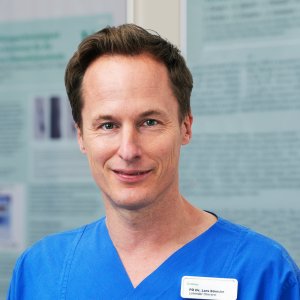
 Olena Sikoza
El tratamiento multimodal estándar para el cáncer de estómago en estadio 2 en Alemania sigue un protocolo perioperatorio tipo "sándwich". Este combina quimioterapia neoadyuvante FLOT, resección quirúrgica radical con linfadenectomía D2 y quimioterapia adyuvante. Las guías nacionales alemanas S3 priorizan este enfoque para reducir los tumores y eliminar las células cancerosas microscópicas.
Opinión de expertos de Bookimed: Los centros oncológicos alemanes como la Clínica Nordwest y el Hospital Municipal de Solingen utilizan juntas de tumores interdisciplinarias para cada caso. Nuestros datos muestran que estos centros académicos priorizan la disección de ganglios linfáticos D2 de manera tan efectiva que rara vez se necesita radiación postoperatoria. Elegir una clínica con clasificaciones de primer nivel en la revista Focus a menudo
Los cirujanos alemanes deben seguir la directriz interdisciplinaria S3 para el manejo del cáncer gástrico en estadio 2. La práctica estándar requiere la aprobación de un comité multidisciplinario de tumores antes de cualquier intervención. Los cirujanos deben realizar una laparoscopia de estadificación y priorizar la quimioterapia perioperatoria antes de realizar una resección R0 con una linfadenectomía D2 obligatoria.
Perspectiva del experto de Bookimed: La calidad a menudo depende del tipo de hospital más que solo del cirujano. Las grandes redes como el Complejo Clínico de Renania del Norte-Westfalia atienden a más de 145,000 pacientes al año. Estos centros de alto volumen suelen tener los recursos para mantener un estricto cumplimiento de los requisitos de recolección gan
La evaluación rutinaria de biomarcadores para el cáncer gástrico en estadio 2 en Alemania se centra exclusivamente en las enzimas de reparación de errores de emparejamiento o en el estado de inestabilidad de microsatélites. Esta prueba identifica la deficiencia en la reparación de errores de emparejamiento o la alta inestabilidad de microsatélites. Estos biomarcadores sirven como indicadores pronósticos críticos. Ayudan a los comités de tumores a decidir entre quimioterapia perioperatoria o cirugía sola.
Perspectiva del experto de Bookimed: Los centros académicos alemanes como el Centro Médico de Solingen se centran en la precisión diagnóstica de alto volumen. La Dra. Viola Fox se especializa allí en diagnóstico molecular. Los datos muestran que estos centros certificados a menudo realizan paneles ampliados de forma temprana. Aunque solo el estado MSI/MMR afecta el manejo en el estadio 2, las pruebas proact
La inmunoterapia y los agentes dirigidos están disponibles para el cáncer de estómago en estadio 2 en Alemania, principalmente para pacientes con biomarcadores genéticos específicos. Aunque la cirugía y la quimioterapia siguen siendo el estándar, centros como la Clínica Nordwest utilizan vacunas contra el cáncer y terapias dirigidas para casos que muestran rasgos MSI-H, dMMR o HER2-positivos.
Perspectiva del experto de Bookimed: Los centros oncológicos alemanes como la Clínica Nordwest y el Hospital Universitario de Düsseldorf enfatizan la especialización de alto volumen, con algunos profesores realizando más de 3.000 a 9.000 procedimientos. Los datos muestran que estos centros académicos atienden hasta 350.000 pacientes al año. Esta escala masiva les p
La atención del cáncer gástrico en Alemania emplea un comité de tumores multidisciplinario (MDT) para determinar los planes de tratamiento. Los especialistas siguen las directrices clínicas nacionales AWMF S3. Las decisiones se basan en un perfil molecular riguroso y en los resultados de las biopsias. Este proceso colaborativo garantiza que cada paciente reciba una atención adaptada a la biología de su tumor.
Perspectiva del experto de Bookimed: Las clínicas alemanas como Nordwest y Solingen priorizan el volumen quirúrgico como marcador de calidad. El Dr. Thomas W. Kraus ha realizado más de 3.000 operaciones. El profesor Boris Pfaffenbach ha supervisado 9.000 cirugías. Esta experiencia de alto volumen es vital. A menudo conduce a una mejor preservación de la función digestiva después de la gastrectomía.
Consenso de los pacientes: Los pacientes señalan
Las clínicas alemanas utilizan principalmente el régimen perioperatorio FLOT para el cáncer gástrico en estadio 2. Esta combinación intensiva de cuatro fármacos sirve como estándar nacional de atención. Implica 4 ciclos antes de la cirugía y 4 ciclos después de la resección. Este enfoque mejora la supervivencia y reduce los tumores de manera eficaz.
Perspectiva de expertos de Bookimed: Aunque FLOT es el estándar, los centros académicos alemanes como el Hospital Universitario de Düsseldorf a menudo utilizan comités de tumores multidisciplinarios para perfeccionar estos protocolos. Nuestros datos muestran que oncólogos de primer nivel como la Dra. Elke Jaeger y la Dra. Viola Fox priorizan el diagnóstico molecular personalizado. Esto garantiza que los pacientes con marcadores específicos como MSI-H reciban inmunoterapia en lugar de quimioterapia estándar cuando sea apropiado.
Consenso
Las clínicas alemanas apoyan a los pacientes de gastrectomía a través de vías clínicas estructuradas y terapia nutricional especializada. Los pacientes pasan a realizar de 6 a 10 comidas pequeñas al día para gestionar la capacidad reducida del estómago. Alemania proporciona inyecciones obligatorias de vitamina B12 y programas de rehabilitación de 3 semanas. El seguro médico a menudo cubre asesoramiento nutricional especializado para prevenir complicaciones.
Perspectiva del experto de Bookimed: Clínicas alemanas como el Medical Center en Solingen y la Clínica Nordwest integran la planificación dietética directamente en la oncología. El profesor Boris Pfaffenbach en Solingen es especialista tanto en oncología como en dietas terapéuticas. Esta doble experiencia garantiza que los planes nutricionales no sean genéricos, sino adaptados a la recuperación del cáncer. Nuestros dat
Alemania alberga algunos de los departamentos de neurocirugía más prestigiosos del mundo, liderados por la Charité – Universitätsmedizin Berlin y el Hospital Universitario de Heidelberg. Estos centros destacan en el tratamiento de tumores cerebrales complejos y enfermedades cerebrovasculares. Para maximizar la eficacia de sus procedimientos, utilizan tecnologías de vanguardia como la resonancia magnética intraoperatoria y la neuronavegación asistida por computadora.
Opinión experta de Bookimed: Los datos muestran que elegir centros con un alto volumen quirúrgico suele llevar a recomendaciones de tratamiento más conservadoras. En el Centro Médico Solingen, que atiende a más de 60.000 pacientes al año, los cirujanos suelen sugerir fisioterapia en lugar de cirugía
En Alemania, los procedimientos neuroquirúrgicos de alta complejidad demuestran una seguridad excepcional. Las tasas de éxito en las fusiones espinales alcanzan el 99 %. La tasa de supervivencia en las resecciones de tumores cerebrales primarios es del 97 %. La independencia funcional es alta. Más del 82 % de los pacientes reciben el alta inmediatamente después del tratamiento. Los centros alemanes priorizan la preservación de la función neurológica mediante técnicas modernas de mapeo.
Opinión experta de Bookimed: Cirujanos experimentados como el Dr. Uwe Köhler, de la Clínica Asklepios Altona, realizan más de 2000 cirugías al año. Los datos muestran que estos especialistas mantienen tasas de éxito de hasta el 90 %, incluso en los tumores cerebrales más comp
Las clínicas neuroquirúrgicas alemanas incorporan regularmente instrumentos digitales de alta precisión y visualización en tiempo real a la práctica quirúrgica. Entre las tecnologías clave se encuentra la neuronavegación computarizada para cirugías de cerebro y médula espinal. Instituciones como la Clínica Asklepios Nord utilizan la resonancia magnética intraoperatoria para verificar la extirpación de tumores en tiempo real. Estos sistemas proporcionan a los cirujanos navegación GPS 3D.
Opinión experta de Bookimed: Grandes centros como la Charité – Universitätsmedizin de Berlín realizan más de 4000 procedimientos neuroquirúrgicos al año, lo que crea un entorno rico en datos para p