Cáncer de estómago etapa 2 Tratamiento en Corea del Sur — Costos 2026


Revisado médicamente por
Fahad Mawlood
¿Cuál es el precio del diagnóstico y los tratamientos de Cáncer de estómago etapa 2 en Corea del Sur? Descubra ahora
El costo del tratamiento del cáncer de estómago en estadio 2 en la República de Corea generalmente incluye diagnósticos esenciales como una consulta con un oncólogo que oscila entre $50 y $75. De $19,500. Los gastos totales dependen del enfoque quirúrgico, el nivel del hospital y los ciclos de quimioterapia necesarios. Los pacientes pueden esperar ahorros del 30-50% en comparación con los EE. UU. Los mejores centros de tratamiento se encuentran en Seúl.
Costos típicos del tratamiento del cáncer de estómago en estadio 2 en la República de Corea
- Consulta con un oncólogo: $50 – $75
- Cirugía de cáncer de estómago: de $19,500
- Resección estomacal: de $15,000
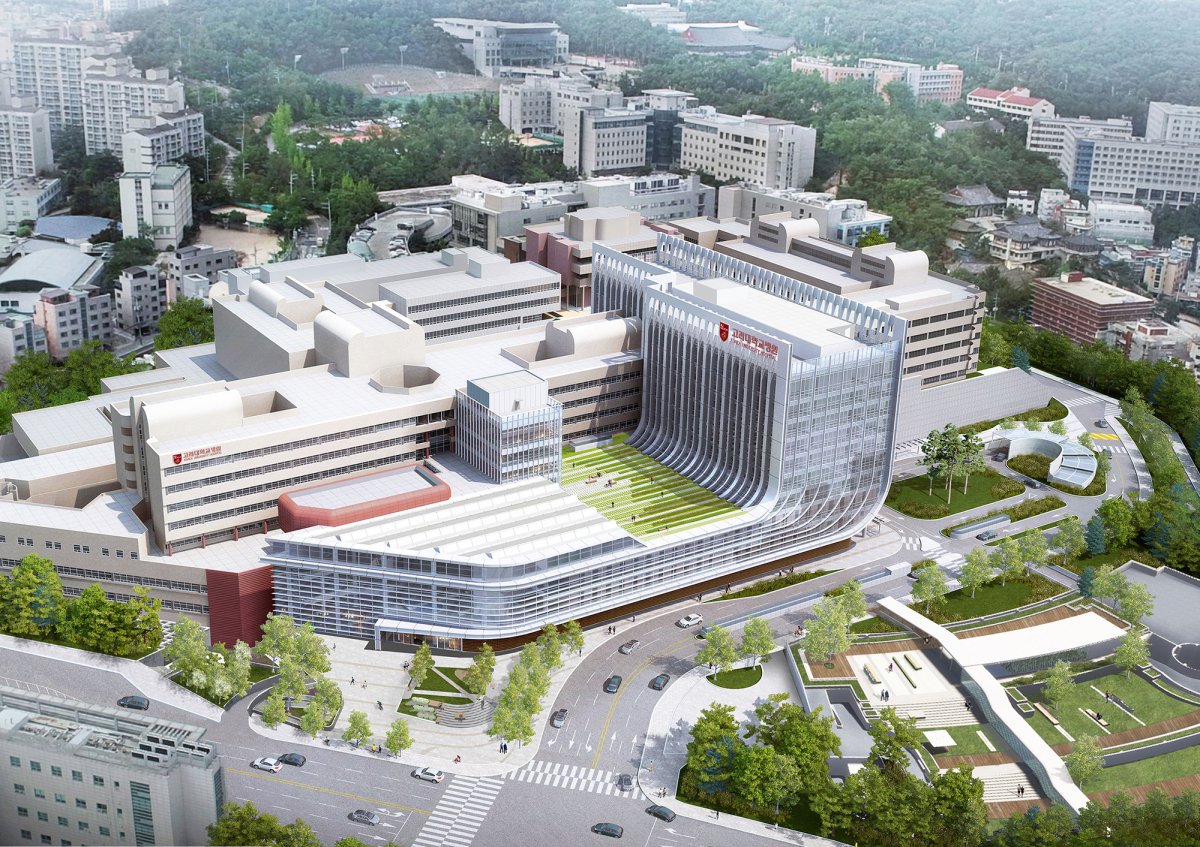
Perspectiva del experto de Bookimed: Para casos complejos de estadio 2, el Hospital de la Universidad Nacional de Seúl (SNUH) es altamente recomendado por sus estadísticas líderes en el tratamiento del cáncer. Los pacientes que buscan tecnología avanzada deberían considerar el Hospital Anam de la Universidad de Corea por sus métodos de cirugía robótica, pioneros a nivel mundial. Si la seguridad es la prioridad, el Hospital Bundang de la Universidad Nacional de Seúl (SNUBH) utiliza el sistema digital BESTcare para prevenir errores médicos. Estas instalaciones acreditadas por la JCI ofrecen una gran experiencia para pacientes internacionales.
| Corea del Sur | España | Turquía | |
|---|---|---|---|
| Resección de estómago | de $15,000 | de $20,000 | de $3,100 |
| Radioterapia para el cáncer colorrectal | ≈ $9,000 | de $7,500 | de $5,000 |
| Quimioterapia para el cáncer de mama | de $3,000 | de $1,700 | de $3,000 |
| Cirugía de cáncer de estómago | de $19,500 | de $27,000 | de $10,500 |
Sus beneficios y garantías con Bookimed
Precios directos
Bookimed no añade cargos extra a los precios de los tratamientos de Cáncer de estómago etapa 2. Las tarifas proceden de las listas de precios oficiales de las clínicas. Pagará directamente en la clínica por su tratamiento a su llegada al país.
Sólo clínicas y médicos verificados
Bookimed está comprometido con su seguridad. Solo trabajamos con las clínicas que mantienen altos estándares internacionales en el tratamiento de Cáncer de estómago etapa 2 y cuentan con las licencias necesarias para atender a pacientes internacionales en todo el mundo.
Asistencia 24/7 gratuita
Bookimed ofrece asistencia experta gratuita. Un coordinador médico personal le apoya antes, durante y después de su tratamiento, resolviendo cualquier problema. Nunca estará solo en su viaje médico de tratamiento de Cáncer de estómago etapa 2.

Su coordinador médico personal de Bookimed
- Le apoya en cada etapa
- Ayuda a elegir la clínica y el médico adecuados
- Asegura un acceso rápido y conveniente a la información
Descubra las mejores clínicas de tratamiento de Cáncer de estómago etapa 2 en Corea del Sur: 6 opciones verificadas y Precios










Compartir contenido
Historias en video de pacientes de Bookimed
 Olena Sikoza
Preguntas frecuentes sobre el tratamiento de Cáncer de estómago etapa 2 en Corea del Sur
¿Cuál es el enfoque de tratamiento estándar para el cáncer de estómago en estadio 2 en Corea?
El tratamiento del cáncer de estómago en estadio 2 en Corea sigue un protocolo con intención curativa centrado en la gastrectomía con linfadenectomía D2. Los cirujanos extirpan parte o la totalidad del estómago y más de 15 ganglios linfáticos circundantes. La mayoría de los pacientes reciben quimioterapia adyuvante después de la cirugía para asegurar una tasa de supervivencia a 5 años de más del 90%.
- Resección quirúrgica: La gastrectomía extirpa el tumor mientras preserva la función digestiva máxima.
- Disección de ganglios linfáticos: La linfadenectomía D2 es el estándar para prevenir la recurrencia del cáncer.
- Quimioterapia adyuvante: Los fármacos basados en fluorouracilo o platino se dirigen a las células cancerosas microscópicas restantes.
- Acceso a tecnología: Centros como el Hospital Anam de la Universidad de Corea utilizan cirugía robótica avanzada.
Perspectiva del experto de Bookimed: Los datos muestran una gran diferencia de volumen entre las clínicas generales y los principales centros de Corea. El Centro Médico Asan realiza más de 65.000 operaciones al año, mientras que el SNUBH atiende a 1,5 millones de pacientes. Este alto volumen permite a los cirujanos dominar la linfadenectomía D2, que es técnicamente exigente pero crucial para los resultados en el estadio 2. Para los pacientes, esto significa que elegir un centro que manej
¿Es necesaria la quimioterapia después de una cirugía para el cáncer de estómago en estadio 2 en Corea?
La quimioterapia adyuvante es el estándar de atención para el cáncer de estómago en estadio 2 en Corea. Los cirujanos realizan una gastrectomía seguida de una terapia farmacológica para eliminar las micrometástasis. Comenzar el tratamiento dentro de las 6 semanas posteriores a la cirugía maximiza las tasas de supervivencia. Las decisiones dependen de la patología final, incluida la afectación de los ganglios linfáticos y los márgenes.
- Estándar de tratamiento: Se recomienda quimioterapia adyuvante para casos de estadio 2 para prevenir la recurrencia.
- Momento óptimo: Las pautas clínicas priorizan comenzar la quimioterapia dentro de las 6 semanas posteriores a la resección quirúrgica.
- Tipos de régimen: Los oncólogos usan frecuentemente protocolos basados en 5-fluorouracilo o cisplatino para el cuidado postoperatorio.
- Enfoque patológico: Los planes de tratamiento finales dependen del estado de los ganglios linfáticos y la profundidad del tumor.
Perspectiva del experto de Bookimed: Los datos del Hospital de la Universidad Nacional de Seúl y el Hospital Severance muestran que los centros de alto volumen integran el seguimiento digital como el sistema BESTcare. Esta tecnología permite el monitoreo metabólico durante la quimioterapia. Las altas tasas de éxito en el Centro Médico Asan, que realiza más de 65.000 operaciones al año, a menudo impli
¿En qué circunstancias se utiliza la radioterapia para el cáncer de estómago en estadio 2 en Corea?
Los centros de oncología coreanos utilizan la radioterapia para el cáncer de estómago en estadio 2 principalmente como terapia adyuvante tras la cirugía. Está reservada para casos con características de alto riesgo, como márgenes quirúrgicos positivos o afectación de ganglios linfáticos. Equipos dedicados en instalaciones acreditadas por la JCI proporcionan estos tratamientos para prevenir la recurrencia local.
- Terapia adyuvante: Se añade después de la cirugía cuando la patología muestra márgenes de resección cercanos o positivos.
- Afectación ganglionar: Se recomienda si se encuentran células cancerosas en los ganglios linfáticos regionales después de su extracción.
- Resección incompleta: Se utiliza cuando el tumor no puede ser eliminado completamente solo mediante medios quirúrgicos.
- Revisión multidisciplinaria: Especialistas en centros como el Asan Medical Center determinan la necesidad caso por caso.
Opinión experta de Bookimed: Los datos clínicos del Hospital de la Universidad Nacional de Seúl muestran un enfoque en la linfadenectomía D2 agresiva durante la cirugía. Esta precisión quirúrgica a menudo reduce la necesidad de radiación rutinaria en casos de estadio 2. Los médicos priorizan esta extensa extirpación de ganglios para lograr altas tasas de supervivencia sin los efectos secundarios adicionales de la radiación.
¿Qué calendario de seguimiento y pruebas se realizan después de un tratamiento curativo en Corea?
Las clínicas de Corea del Sur siguen un protocolo altamente estructurado para la vigilancia del cáncer de estómago en estadio 2. Los pacientes se someten a pruebas de diagnóstico por imagen y análisis de laboratorio cada 3 a 6 meses durante los primeros 2 años. La frecuencia suele reducirse a cada 6 a 12 meses durante los siguientes 3 años.
- Modalidad de imagen: Las tomografías computarizadas (TC) sirven para controlar posibles recidivas en el abdomen.
- Marcadores tumorales: Los análisis de sangre rastrean los niveles de antígeno carcinoembrionario (CEA) y CA 19-9.
- Vigilancia endoscópica: La endoscopia superior rutinaria examina el sitio quirúrgico o el tejido estomacal restante.
- Diagnóstico integral: Los centros acreditados por la JCI suelen completar todas las pruebas de seguimiento en un solo día.
Perspectiva del experto de Bookimed: Los principales hospitales de Corea, como el Severance Hospital y el Asan Medical Center, favorecen un enfoque digital para la vigilancia. El Asan Medical Center atiende a más de 10.000 pacientes ambulatorios al día utilizando protocolos optimizados. Los resultados suelen estar disponibles en cuestión de horas. Este alto volumen en los centros de Seúl garantiza que los médicos identifiquen rápidamente incluso cambios menores. Esto hace que el período de vigilancia de 5 años sea extremadamente fiable.
<¿Por qué Corea del Sur logra resultados superiores en el cáncer de estómago en estadio 2?
Corea del Sur logra resultados superiores en el cáncer de estómago en estadio 2 a través de una especialización quirúrgica de alto volumen y gastrectomía radical estandarizada. Los principales hospitales de Seúl utilizan la disección avanzada de ganglios linfáticos D2 para prevenir la recurrencia. Los programas nacionales de detección garantizan la detección temprana, mientras que los cirujanos mantienen su experiencia al realizar miles de procedimientos al año.
- Competencia quirúrgica: El Centro Médico Asan realiza más de 65,000 operaciones al año, asegurando una maestría técnica extrema.
- Volumen de experiencia: Los principales centros como el SNUH tratan a más de 10,000 pacientes diariamente por diversas condiciones.
- Técnicas avanzadas: Clínicas como el Hospital Anam de la Universidad de Corea son pioneras en cirugía oncológica robótica y laparoscópica.
- Precisión digital: Instalaciones como el SNUBH utilizan plataformas digitales para reducir los errores médicos durante el tratamiento.
Perspectiva de expertos de Bookimed: El éxito en Corea proviene de la centralización masiva de pacientes en Seúl. Grandes hospitales como Severance gestionan 1.6 millones de pacientes ambulatorios al año. Esta concentración permite a los cirujanos ver más casos de estadio 2 en un mes que otros en un año. Esta repetición conduce a una eliminación de gangl
¿Cómo pueden los pacientes internacionales obtener una segunda opinión en Corea?
Los pacientes internacionales obtienen una segunda opinión en Corea enviando registros médicos a centros de salud internacionales especializados en hospitales terciarios acreditados por la JCI. Instituciones líderes como el Centro Médico Asan y el Hospital Severance ofrecen consultas remotas a través de Zoom o informes escritos para la estadificación y planificación del tratamiento del cáncer de estómago.
- Registros requeridos: Envíe portaobjetos de patología, fotos de endoscopia y escaneos CT o PET-CT en formato DICOM.
- Servicios de idiomas: Los departamentos internacionales facilitan la traducción al inglés y proporcionan intérpretes médicos para consultas remotas por video.
- Acreditación clínica: Los mejores centros cuentan con la Joint Commission International (JCI) o la acreditación del Instituto Coreano para la Acreditación de la Salud (KOIHA).
- Volumen clínico: Seleccionar centros de alto volumen como el Centro Médico Asan garantiza el acceso a equipos de oncología multidisciplinarios.
Perspectiva del experto de Bookimed: El panorama médico de Corea está altamente centralizado. Los grandes hospitales terciarios como el Centro Médico Asan o el Hospital de la Universidad Nacional de Seúl manejan volúmenes masivos de pacientes, algunos de los cuales realizan más de 65 000 operaciones al año. Esta inmensa escala significa que los oncólog
¿Qué opciones de tratamiento existen si el cáncer de estómago en estadio 2 reaparece en Corea?
El cáncer de estómago recurrente en estadio 2 en Corea del Sur se gestiona mediante resección quirúrgica, quimioterapia sistémica e inmunoterapia dirigida. Los centros especializados en Seúl utilizan técnicas laparoscópicas y asistidas por robot para la reintervención. Los equipos multidisciplinarios priorizan la experiencia quirúrgica de alto volumen y regímenes farmacológicos avanzados como FLOT para obtener resultados optimizados.
- Resección quirúrgica: Los cirujanos realizan reoperaciones para recidivas localizadas utilizando métodos robóticos o laparoscópicos.
- Quimioterapia sistémica: Los médicos suelen utilizar regímenes basados en 5-fluorouracilo y cisplatino o el protocolo FLOT.
- Terapia dirigida: Las unidades de oncología avanzada proporcionan fármacos dirigidos a HER2 para los tipos de tumores compatibles.
- Procedimientos avanzados: Los centros especializados ofrecen quimioterapia intraperitoneal hipertérmica (HIPEC) para la propagación del cáncer peritoneal.
Perspectiva del experto de Bookimed: El volumen clínico es una señal importante de calidad en Corea del Sur. Centros como el Hospital Bundang de la Universidad Nacional de Seúl y el Hospital Severance gestionan más de 1,5 millones de pacientes ambulatorios al año. El Centro Médico Asan realiza más de 65 000 operaciones al año. Este enorme volumen de casos significa que los e