Tratamiento de Cáncer de estómago etapa 2 en Turquía — obtenga 3 coincidencias personalizadas de clínicas


Revisado médicamente por
Fahad Mawlood
Cómo funciona
¿Cuál es el precio del diagnóstico y los tratamientos de Cáncer de estómago etapa 2 en Turquía? Descubra ahora
El costo del tratamiento del cáncer de estómago en etapa 2 en Turquía depende de los procedimientos involucrados. Un escáner PET CT tiene un precio de 660 €, mientras que los análisis de sangre completos, incluidos CEA, CA19-9, HBV y HCV, cuestan 754 €. Una resonancia magnética de toda la cavidad abdominal con contraste cuesta 943 €, y las pruebas de biomarcadores de cáncer son 1,509 €. El primer curso de quimioterapia cuesta 2,358 € y los cursos posteriores tienen un precio de 2,169 € cada uno. El plan de tratamiento se adapta tras una evaluación individual por parte del equipo médico.
Descubra las mejores clínicas de tratamiento de Cáncer de estómago etapa 2 en Turquía: 28 opciones verificadas y Precios
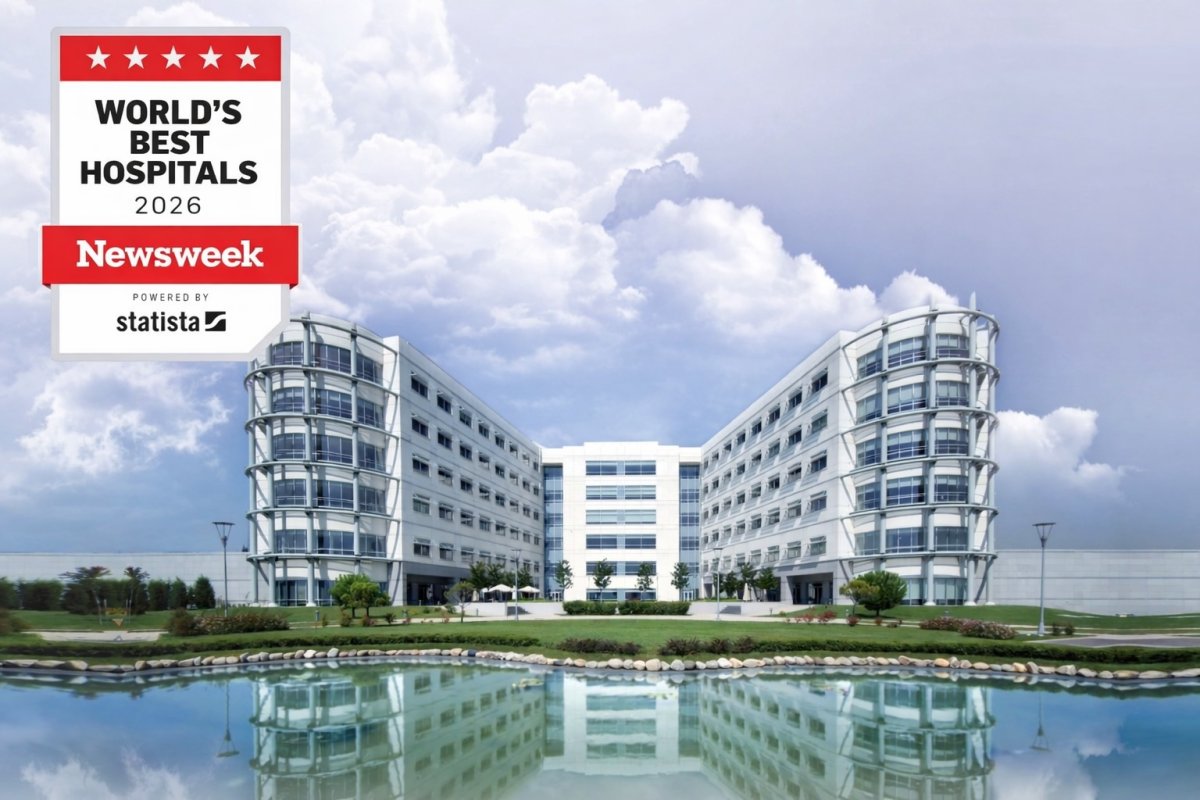



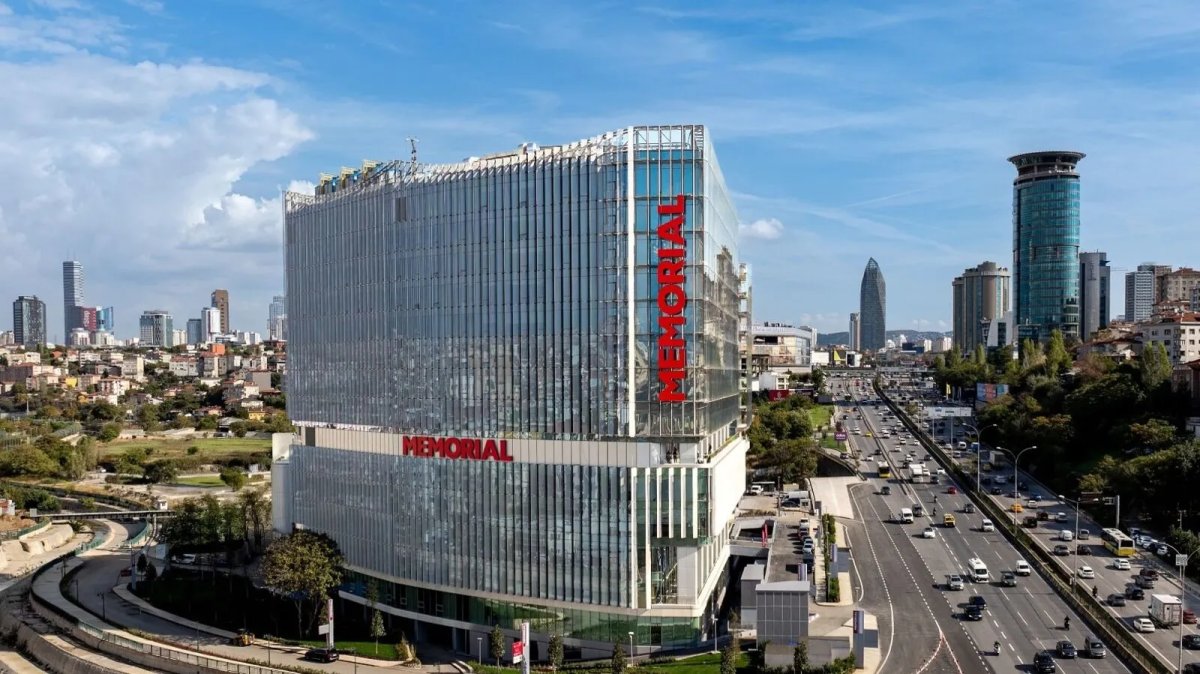
Memorial Göztepe Hospital









Memorial Ankara Hospital
Obtenga una evaluación médica de tratamiento de Cáncer de estómago etapa 2 en Turquía: haga una consulta con 49 médicos experimentados ahora
Ver todos los médicos
Bulent Karagoz
El médico es un oncólogo médico turco altamente experimentado, especializado en sarcoma, linfoma, cáncer de páncreas, pulmón y mama. Con más de 20 años de experiencia, el médico se centra en la biología tumoral, la inmunología tumoral, la inmunoterapia del cáncer y las terapias dirigidas. Desde 2019, el médico ha estado sirviendo como oncólogo médico en el Centro Médico Anadolu y anteriormente ocupó roles de liderazgo en la Facultad de Medicina de la Universidad Okan de Estambul y en el Hospi

Vafi Atalay
El Dr. Vafi Atalay es un cirujano oncólogo y general con 17 años de experiencia. Está especializado en cirugías de páncreas, colon, recto e hígado, y realiza procedimientos endoscópicos avanzados. Ha publicado 31 artículos en revistas nacionales e internacionales, contribuyendo significativamente a la literatura médica.
Recibió el primer premio en el Concurso de Investigación del 20º Congreso y el premio a la Mejor Investigación en el 5º Congreso de Cirujanos. Es miembro de la TSS, la

Banu Atalar
La Dra. Banu Atalar es oncóloga radioterápica con certificación de especialidad (Turquía, 2004). Es catedrática en la Universidad Acibadem MAA (2018–presente) y médica en Anadolu Medical Center (2026–presente). Se formó en Estambul y en Cerrahpaşa. En 2011 completó una beca de investigación clínica en Stanford en radiocirugía estereotáctica. Su práctica se centra en tumores del SNC, torácicos y gastrointestinales. Aproximadamente el 75% de su actividad clínica implica SRS y SRS adaptativa gui
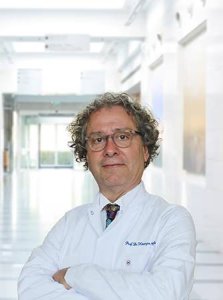
Huseyin Baloglu
El Prof. Hüseyin Baloğlu es especialista en patología en el Centro Médico Anadolu, en Gebze, Kocaeli, Turquía. Se centra en la patología molecular y quirúrgica, y en la biopsia y el diagnóstico de tumores.
Formación y acreditaciones: Médico (MD), Escuela de Medicina de GATA (1986). Especialidad en Patología, GATA (1992). Profesor asociado (Doçent), GATA (2004). Investigador visitante en el Albert Einstein College of Medicine (Nueva York) y la Universidad de Heidelberg.
Logros: a
Compartir contenido
Historias en video de pacientes de Bookimed
 Olena Sikoza
Preguntas frecuentes sobre el tratamiento de Cáncer de estómago etapa 2 en Turquía
¿Cuál es el tratamiento estándar para el cáncer de estómago en estadio 2 en Turquía?
El tratamiento estándar para el cáncer de estómago en estadio 2 en Turquía sigue un enfoque curativo multimodal. Los cirujanos realizan una gastrectomía radical subtotal o total con disección de ganglios linfáticos D2. Esto se combina típicamente con quimioterapia perioperatoria. Los comités de tumores multidisciplinarios en centros acreditados por la JCI coordinan estos complejos protocolos quirúrgicos y oncológicos.
- Enfoque quirúrgico: La extirpación de parte o la totalidad del estómago asegura la limpieza oncológica.
- Linfadenectomía: La disección D2 elimina extensas cadenas de ganglios linfáticos para mejorar las tasas de supervivencia.
- Terapia adyuvante: La quimioterapia o quimiorradioterapia tiene como objetivo las células restantes después de la cirugía con intención curativa.
- Coordinación experta: Equipos de diversas especialidades, incluidos oncólogos y patólogos, revisan cada caso antes de la cirugía.
Opinión experta de Bookimed: Los datos clínicos muestran una diferencia de precio significativa entre los centros oncológicos especializados. Mientras que los hospitales Memorial cobran aproximadamente 24,800 $ por una gastrectomía total radical, el Hospital Hisar Intercontinental ofrece un procedimiento quirúrgico similar por alrededor de 10,500 $. Los pacientes deben priorizar las clínicas con experiencia en disección D2, ya que
¿Qué hospitales en Turquía se especializan en cáncer de estómago y ofrecen atención multidisciplinaria?
Anadolu Medical Center, Medipol Mega y Memorial Health Group se especializan en la atención multidisciplinaria del cáncer de estómago en Turquía. Estas instituciones acreditadas por la JCI utilizan juntas de tumores unificadas. Integran oncología quirúrgica, oncología médica y radioterapia para tratar el cáncer gástrico en estadio 2 con protocolos estándar estadounidenses.
- Anadolu Medical Center: Afiliado a Johns Hopkins Medicine, utilizando programas estructurados contra el cáncer para casos complejos.
- Medipol Mega: Cuenta con sistemas robóticos Da Vinci y tecnología CyberKnife para la extirpación precisa de tumores.
- Hospital Memorial Şişli: Primera instalación turca acreditada por la JCI que ofrece gastrectomía radical avanzada y revisiones multidisciplinarias.
- Técnicas especializadas: Disponibilidad de disección de ganglios linfáticos D2 y gastrectomía total radical con esplenectomía.
Perspectiva de expertos de Bookimed: Aunque muchos eligen clínicas según la fama de un cirujano individual, los datos muestran que los centros afiliados a universidades ofrecen una coordinación superior. Por ejemplo, Anadolu Medical Center informa de 65.000 pacientes anuales y mantiene certificaciones oncológicas únicas de la OECI. Esta profundidad institucional garantiza que la estadificación, la patología y el soporte nutricional sean manejados por es
¿Están disponibles en Turquía las técnicas de gastrectomía laparoscópica o asistida por robot?
Los hospitales turcos acreditados por la JCI ofrecen gastrectomía laparoscópica y asistida por robot para el cáncer de estómago en estadio 2. Los centros especializados utilizan el sistema da Vinci Xi para la extirpación precisa del tumor. Estas técnicas mínimamente invasivas implican incisiones pequeñas, lo que conduce a una recuperación más rápida y menos dolor en comparación con la cirugía abierta.
- Precisión robótica: Clínicas como Medipol Mega utilizan el sistema da Vinci para resecciones oncológicas complejas.
- Estadificación avanzada: Los especialistas utilizan PET/CT y resonancia magnética de 3 Teslas para determinar la idoneidad del enfoque quirúrgico.
- Cirujanos experimentados: El profesor Dr. Kivanc Derya Peker ha realizado más de 600 procedimientos quirúrgicos complejos.
- Beneficios mínimamente invasivos: Los pacientes suelen experimentar estancias hospitalarias más cortas y un regreso más rápido a la nutrición oral.
Perspectiva de expertos de Bookimed: El volumen de casos del cirujano es el indicador de calidad más fiable para la gastrectomía robótica en Turquía. Aunque muchas clínicas anuncian tecnología robótica, busque especialistas como el Prof. Dr. Kivanc Derya Peker, que ha realizado más de 400 cirugías específicas de cáncer gástrico. Los cirujanos con gran volumen mantienen mejores resultados durante las disecciones comp
¿Qué diagnóstico por imagen se utiliza habitualmente antes de la cirugía para el cáncer gástrico en estadio 2 en los hospitales turcos?
Los hospitales turcos utilizan habitualmente la tomografía computarizada con contraste de abdomen y tórax para estadificar el cáncer gástrico en estadio 2. La mayoría de los protocolos incluyen una ecografía endoscópica para determinar la profundidad del tumor y la afectación de los ganglios linfáticos. Por lo general, se realizan biopsias estándar y exploraciones PET-CT para descartar metástasis a distancia antes de la cirugía.
- Escáner CT: La CT con contraste evalúa la invasión local e identifica la posible propagación de la enfermedad a distancia.
- Ecografía endoscópica: Esta herramienta aclara la profundidad del estadio T y evalúa los ganglios linfáticos regionales con precisión.
- Imágenes PET-CT: Los médicos utilizan la PET-CT para los casos de estadios 2-4 para confirmar que no hay propagación metastásica.
- Endoscopia superior: Los cirujanos realizan este procedimiento con biopsia para confirmar el tipo y la ubicación del cáncer.
Perspectiva de expertos de Bookimed: El Hospital Memorial Göztepe utiliza un CT de 512 cortes de alta resolución y una resonancia magnética de 3 Teslas con soporte de IA para la estadificación. Estas tecnologías proporcionan detalles significativamente mayores que los escáneres más antiguos de 64 cortes que se encuentran en clínicas más pequeñas. Esta precisión adicional ayuda a los cirujanos del Memorial y d
¿Es siempre necesaria la quimioterapia adyuvante después de una cirugía curativa para el cáncer de estómago en estadio 2?
La quimioterapia adyuvante no es obligatoria para todos los casos de cáncer de estómago en estadio 2, pero sigue siendo el estándar de atención. Los oncólogos turcos la utilizan para reducir los altos riesgos de recurrencia, especialmente después de la disección de ganglios linfáticos D2. Las decisiones dependen de la biología del tumor, los márgenes quirúrgicos y el estado físico general del paciente.
- Riesgo de recurrencia: Las tasas de recaída postquirúrgica varían del 40 % al 65 % para este estadio.
- Consenso de tratamiento: Los oncólogos recomiendan terapia adyuvante o perioperatoria para mejorar los resultados de supervivencia.
- Estándares quirúrgicos: La disección de ganglios linfáticos D2 es fundamental para una estadificación adecuada y el control local.
- Factores personalizados: Los médicos consideran el estado de los ganglios linfáticos y la profundidad de la invasión tumoral antes de recetar medicamentos.
Opinión experta de Bookimed: Aunque muchos piensan que solo Estambul ofrece una atención de primer nivel, nuestros datos muestran que centros de gran volumen como el Hospital Hisar Intercontinental realizan más de 600 cirugías gástricas complejas. Estos cirujanos especializados a menudo colaboran con oncólogos médicos como la profesora Yesim Yildirim, que cuenta con más de 20 años de experiencia. Este enfoque multidisciplinario es vit
¿Cuál es la tasa de éxito esperada y el pronóstico después del tratamiento para el cáncer gástrico en estadio 2 en Turquía?
Los centros oncológicos turcos informan una tasa de supervivencia a 5 años del 42 % al 51,1 % para el cáncer gástrico en estadio 2. Los hospitales especializados priorizan la disección de ganglios linfáticos D2 para mejorar estos resultados. Los equipos multidisciplinarios a menudo combinan la cirugía con quimioterapia perioperatoria para maximizar el éxito en el tratamiento de este estadio.
- Tasa de supervivencia: Las cohortes turcas informan una tasa de supervivencia a 5 años del 51,1 % después de la resección quirúrgica.
- Precisión quirúrgica: Los cirujanos realizan con frecuencia una disección D2 para garantizar la eliminación completa de los ganglios linfáticos.
- Seguridad postoperatoria: Los centros experimentados de gran volumen informan tasas de supervivencia postoperatoria superiores al 95,7 %.
- Atención multidisciplinaria: El tratamiento a menudo incluye revisiones de juntas de tumores y protocolos de quimioterapia perioperatoria.
Opinión experta de Bookimed: El éxito en Turquía está impulsado por el volumen del cirujano más que por el tamaño de la clínica. El Dr. Kivanc Derya Peker en el Hospital Hisar ha realizado más de 600 cirugías gástricas. Los especialistas de alto volumen a menudo ofrecen paquetes de menor costo, como 10,500 $, en comparación con los 24,800 $ en otros centros acreditados por la JCI para procedimientos de d