Estenosis espinal en Italia: las 6 mejores clínicas para su tratamiento


Revisado médicamente por
Fahad Mawlood
Cómo funciona
¿Cuál es el precio del diagnóstico y los tratamientos de Estenosis espinal en Italia? Descubra ahora
El costo del tratamiento de la estenosis espinal en Italia suele oscilar entre $18,500 y $29,000 para intervenciones quirúrgicas estándar. Un procedimiento principal como la laminectomía lumbar y la cirugía de estabilización de un solo nivel cuesta entre $18,500 y $29,000, mientras que la laminectomía cervical y la cirugía de estabilización de un solo nivel cuestan entre $11,500 y $19,500. Los gastos totales dependen del enfoque quirúrgico, el nivel de la clínica y el tipo de implante. Los pacientes a menudo encuentran ahorros del 30-50% en comparación con los EE. UU. Las principales ciudades para estos tratamientos incluyen Milán, Roma y Bolonia.
Costos típicos del tratamiento de la estenosis espinal en Italia
- Laminectomía lumbar y cirugía de estabilización de un solo nivel: $18,500 – $29,000
- Laminectomía cervical y cirugía de estabilización de un solo nivel: $11,500 – $19,500
- Descompresión abierta de la línea media con reconstrucción de ligamentos: $9,500 – $15,500
Perspectiva del experto de Bookimed: Los pacientes que requieren atención espinal compleja deben priorizar los centros ortopédicos de alto volumen para obtener un mejor valor. El IRCCS Ospedale Galeazzi - Sant'Ambrogio en Milán es una opción de primer nivel. Maneja el 75% de las cirugías ortopédicas de revisión de Italia. Para aquellos que buscan técnicas avanzadas, el Maria Cecilia Hospital ofrece neurocirugía acreditada por la JCI. El especialista François Lechanoine aporta experiencia en endoscopia biportal unilateral (UBE). El Ospedale San Carlo di Nancy de Roma es ideal para enfoques multidisciplinarios asistidos por robot.
| Italia | España | Turquía | |
|---|---|---|---|
| Laminectomía lumbar y estabilización de un nivel | ≈ $18,500 | de $31,400 | de $4,800 |
| Laminectomía cervical con estabilización de un nivel | ≈ $11,500 | de $28,100 | de $14,000 |
| Descompresión abierta de la línea media de la columna vertebral con reconstrucción de ligamentos | ≈ $9,500 | ≈ $9,500 | ≈ $5,500 |
Descubra las mejores clínicas de tratamiento de Estenosis espinal en Italia: 6 opciones verificadas y Precios







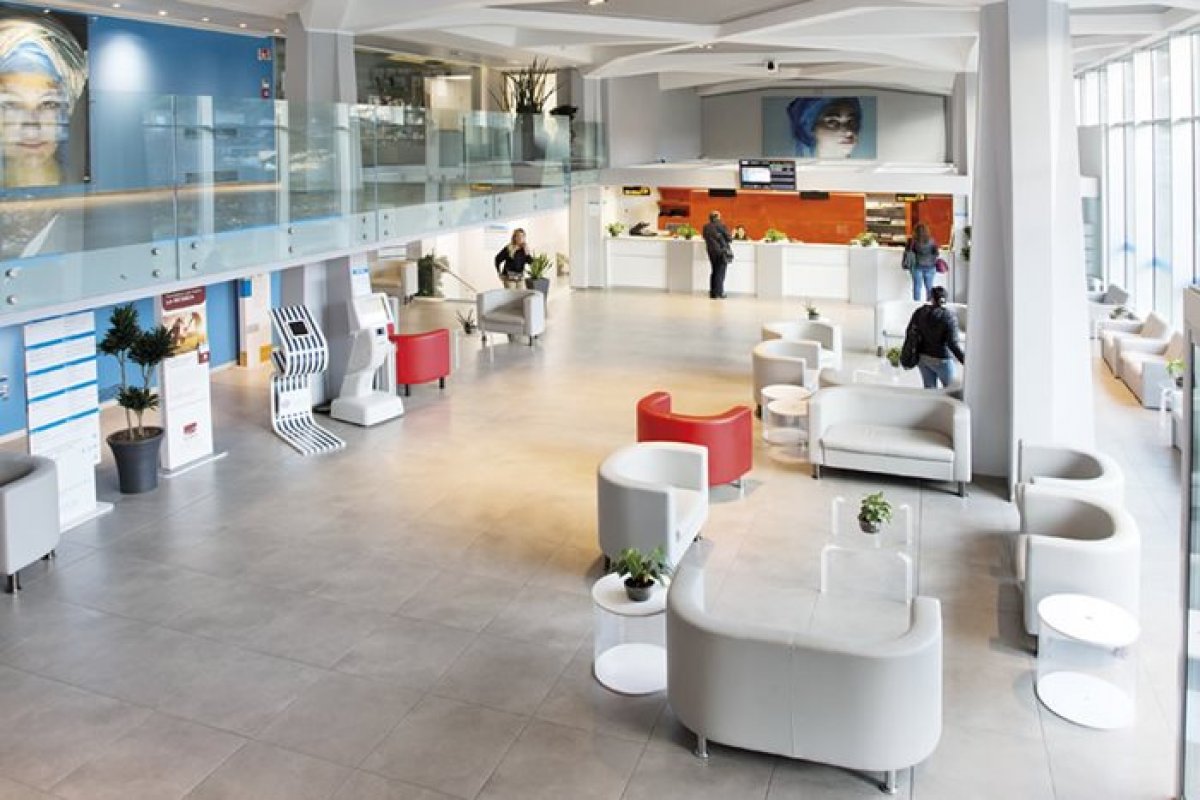
La Madonnina Clinic








Obtenga una evaluación médica para Estenosis espinal en Italia: consulte con doctores experimentados ahora
Ver todos los médicos
François Lechanoine
Ha realizado más de 1.600 procedimientos complejos de columna vertebral – el Dr. Lechanoine se especializa en técnicas de columna mínimamente invasivas en el Hospital Maria Cecilia.
- Experto en UBE (Endoscopia Biportal Unilateral) para estenosis espinal
- Certificado con el Diploma Europeo de Cirugía de Columna (Eurospine)
- Formado en técnicas avanzadas de neurocirugía endoscópica
- Autor de múltiples artículos de investigación en revistas internacionales

Giovanni Sabatino
Más de 4.000 procedimientos quirúrgicos, incluidos 2.000 como cirujano principal: el Dr. Sabatino se especializa en técnicas espinales mínimamente invasivas en el Hospital Mater Olbia.
- Director de la Unidad de Neurocirugía del Hospital Mater Olbia
- Profesor asistente en la Università Cattolica del Sacro Cuore en Roma
- Especializado en patologías neurooncológicas, vasculares y espinales
- Utiliza tecnología avanzada como tomografías computarizadas intraoperatorias y neuronavegación
Compartir contenido
Historias en video de pacientes de Bookimed
 Olena Sikoza
Preguntas frecuentes sobre el tratamiento de Estenosis espinal en Italia
¿Cuáles son los tratamientos quirúrgicos más comunes para la estenosis espinal en Italia?
Los tratamientos quirúrgicos estándar para la estenosis espinal en Italia incluyen laminectomía, laminotomía y fusión espinal. Los centros italianos se especializan en técnicas mínimamente invasivas como la endoscopia espinal y la endoscopia biportal unilateral (UBE). Estos procedimientos descomprimen los nervios a través de incisiones de 1 cm para garantizar una recuperación más rápida del paciente y una pérdida de sangre mínima.
- Laminectomía: Elimina la lámina vertebral para crear espacio para la médula espinal.
- Fusión espinal: Estabiliza la columna vertebral utilizando injertos óseos y hardware durante la descompresión.
- Descompresión endoscópica: Minimiza el trauma tisular con endoscopios especializados a través de pequeñas incisiones de 1 cm.
- Endoscopia biportal unilateral: Ofrece una intervención nerviosa precisa a través de dos pequeños puntos de entrada.
Perspectiva del experto de Bookimed: El panorama ortopédico de Italia está altamente especializado, y el IRCCS Ospedale Galeazzi - Sant'Ambrogio realiza el 75% de todas las cirugías ortopédicas de revisión en el país. Los pacientes deben priorizar los centros con altos volúmenes quirúrgicos, ya que los principales centros italianos a menudo gestionan más de 1,300 fusiones espinales al año. Esta concentración de experiencia es especialmente vital para casos complejos que requieren
¿Qué hospitales y ciudades italianas se especializan en cirugía de estenosis espinal para pacientes internacionales?
Milán, Roma y Bolonia son los principales centros de Italia para la cirugía internacional de estenosis espinal. El IRCCS Ospedale Galeazzi - Sant'Ambrogio en Milán es líder en el país, realizando más de 1,300 procedimientos espinales al año. Estos centros utilizan sistemas robóticos y técnicas mínimamente invasivas para tratar patologías complejas y descompresión lumbar.
- Tecnología especializada: Los centros utilizan TC intraoperatoria, neuronavegación y monitorización neurofisiológica para mayor precisión.
- Volumen quirúrgico experto: El Dr. Giovanni Sabatino ha realizado más de 4,000 procedimientos para afecciones de la columna.
- Centro oncológico de Milán: El IRCCS Ospedale Galeazzi realiza el 75% de las cirugías ortopédicas de revisión en Italia.
- Instalaciones acreditadas: El Maria Cecilia Hospital cuenta con acreditación JCI y dispone de una unidad especializada en neurocirugía.
Perspectiva del experto de Bookimed: Aunque muchos eligen Milán por su alto volumen de pacientes, Bolonia ofrece experiencia especializada a través de la red GVM. El Maria Cecilia Hospital, ubicado a 40 minutos del aeropuerto de Bolonia, posee la rara acreditación JCI. Incluso organiza eventos internacionales de formación quirúrgica, lo que señala su estatus como educador líder en neurocirugía. Esto lo convierte en un fuerte candidato para pacientes internaci
¿Cuánto tiempo debo permanecer en Italia después de una cirugía de estenosis espinal?
Los pacientes suelen permanecer en Italia de 7 a 14 días después de una cirugía de estenosis espinal. La hospitalización inicial suele durar de 1 a 3 días para observación. La mayoría de los cirujanos requieren 7 días de recuperación local antes de autorizar vuelos de corta distancia. Los viajes de larga distancia a menudo requieren esperar al menos 6 semanas.
- Estancia hospitalaria: Espere de 1 a 3 días para procedimientos de descompresión o estabilización de un solo nivel.
- Recuperación inicial: Presupueste de 10 a 14 días en Italia para una cicatrización segura de la herida.
- Autorización de viaje: Cirujanos como el Dr. François Lechanoine a menudo confirman la movilidad antes de autorizar el vuelo.
- Recuperación de fusión: Los pacientes que se someten a una fusión espinal deben permanecer en el lugar durante 6 a 8 semanas.
Perspectiva del experto de Bookimed: Los centros italianos como el IRCCS Galeazzi-Sant’Ambrogio manejan el 75% de las cirugías de revisión complejas del país. Para los pacientes internacionales, elegir hospitales de investigación IRCCS especializados en Milán garantiza el acceso a un monitoreo intraoperatorio avanzado. Esta tecnología ayuda a los cirujanos a verificar la descompresión nerviosa de inmediato. Esto a menudo conduce a una movilización más rápida y a una autorización de vuelo más temprana.
C
¿Qué opciones no quirúrgicas se ofrecen en Italia antes de considerar una cirugía?
Italia prioriza el manejo conservador de la estenosis espinal mediante terapia de rehabilitación antes de considerar la cirugía. Las opciones estándar incluyen fisioterapia y pre-rehabilitación para mejorar la aptitud aeróbica. Las clínicas también utilizan terapias basadas en instrumentos como la terapia Tecar, láser y ondas de choque para reducir la inflamación nerviosa y el dolor localizado.
- Terapia conservadora: Los programas se centran en ejercicios de McKenzie y fortalecimiento del núcleo durante 4 a 8 semanas.
- Manejo médico: Los especialistas prescriben inicialmente medicamentos antiinflamatorios no esteroideos (AINE) y relajantes musculares.
- Infiltraciones ortopédicas: Las inyecciones epidurales de esteroides guiadas por fluoroscopia abordan el dolor si la fisioterapia falla.
- Manejo del dolor: Los especialistas en Milán y Turín a menudo ofrecen terapia de ozono o inyecciones de PRP.
Perspectiva del experto de Bookimed: Los neurocirujanos italianos y los centros ortopédicos como el IRCCS Ospedale Galeazzi - Sant'Ambrogio mantienen un umbral alto para la cirugía. Los datos clínicos muestran que estas instituciones gestionan más de 340.000 pacientes al año con un fuerte enfoque en protocolos conservadores de «pre-habilitación». Este enfoque garantiza que solo los casos más complejos pasen al quirófano, lo que preserva los recursos
¿Qué credenciales debo verificar al elegir un cirujano de columna italiano?
Verifique que el cirujano de columna italiano cuente con una especialización en neurocirugía u ortopedia de una universidad reconocida. Debe estar registrado en el Colegio de Médicos de Italia (FNOMCeO). Busque la certificación European Diploma of Spine Surgery y la afiliación a la Sociedad Italiana de Columna (SICV GIS).
- Registro profesional: La inscripción activa en el Ordine dei Medici es un requisito legal.
- Certificación especializada: El European Diploma of Spine Surgery (Eurospine) confirma los estándares continentales.
- Investigación clínica: Los hospitales acreditados por el IRCCS combinan la cirugía con la investigación médica avanzada.
- Volumen quirúrgico: Los cirujanos de alto rendimiento suelen realizar más de 1.500 procedimientos como operador principal.
Perspectiva de expertos de Bookimed: Milán es el centro principal de Italia para la atención compleja de la columna vertebral. El IRCCS Ospedale Galeazzi - Sant'Ambrogio realiza el 75% de las cirugías de revisión ortopédica en Italia. Elegir un centro con esta concentración de casos garantiza que los cirujanos manejen las complicaciones más difíciles a diario. Este volumen especializado es un indicador de calidad más fiable que una clasificación general de hospitales.
Consenso de los pacientes: Los pacientes señalan que es importante verificar los volú
¿Qué tecnologías novedosas utilizan los centros italianos para mejorar la seguridad y la recuperación?
Los centros de columna vertebral italianos utilizan guía robótica avanzada y neuronavegación para mejorar la precisión quirúrgica. Las instalaciones emplean sistemas Mazor y Renaissance para la colocación precisa de tornillos. Los cirujanos también utilizan escáneres de TC intraoperatorios y monitorización neurofisiológica. Estas tecnologías protegen las raíces nerviosas y favorecen una recuperación más rápida del paciente.
- Guía robótica: Los sistemas Renaissance y Mazor garantizan una colocación altamente precisa del hardware espinal.
- Herramientas mínimamente invasivas: La endoscopia biportal unilateral (UBE) reduce el trauma muscular y acelera la movilización.
- Imágenes intraoperatorias: La TC y la ecografía en tiempo real proporcionan información en vivo durante los procedimientos de descompresión.
- Monitorización neurofisiológica: El seguimiento continuo de los nervios evita daños en los delicados tejidos espinales.
Perspectiva del experto de Bookimed: La excelencia ortopédica italiana se concentra en centros especializados como Milán. El IRCCS Ospedale Galeazzi - Sant'Ambrogio realiza el 75% de las cirugías de revisión de Italia. Este alto volumen permite a los cirujanos perfeccionar las técnicas utilizando fluorescencia intraoperatoria. Los pacientes se benefician de médicos como el Dr. Giovanni Sabatino, quien ha realizado más de 4
¿Cómo minimizan las clínicas italianas el riesgo de infección y trombosis postoperatoria?
Las clínicas de columna italianas minimizan los riesgos mediante protocolos estándar de la UE, que incluyen antibióticos profilácticos y prevención mecánica de trombosis. Centros como el Hospital Maria Cecilia utilizan imágenes intraoperatorias avanzadas y técnicas mínimamente invasivas para reducir el trauma tisular. Este enfoque sistemático garantiza altos estándares de seguridad para procedimientos complejos de descompresión y estabilización espinal.
- Control de infecciones: Los antibióticos se administran con precisión antes de la incisión y se suspenden en un plazo de 24 horas.
- Preparación quirúrgica: Los cirujanos utilizan duchas de clorhexidina y cortadoras en lugar de cuchillas para la higiene de la piel.
- Prevención de trombosis: Los pacientes reciben heparina de bajo peso molecular y utilizan medias de compresión graduada después de la cirugía.
- Movilidad temprana: Los equipos clínicos priorizan caminar dentro de las 24-48 horas para prevenir coágulos sanguíneos.
Perspectiva de expertos de Bookimed: Los centros italianos como el IRCCS Ospedale Galeazzi - Sant'Ambrogio manejan el 75% de las cirugías de revisión del país. Este alto volumen crea un entorno especializado donde los cirujanos gestionan casos complejos con menor riesgo. Elegir estos hospitales de alta capacidad a menudo garantiza una adherencia más rigurosa a los progra