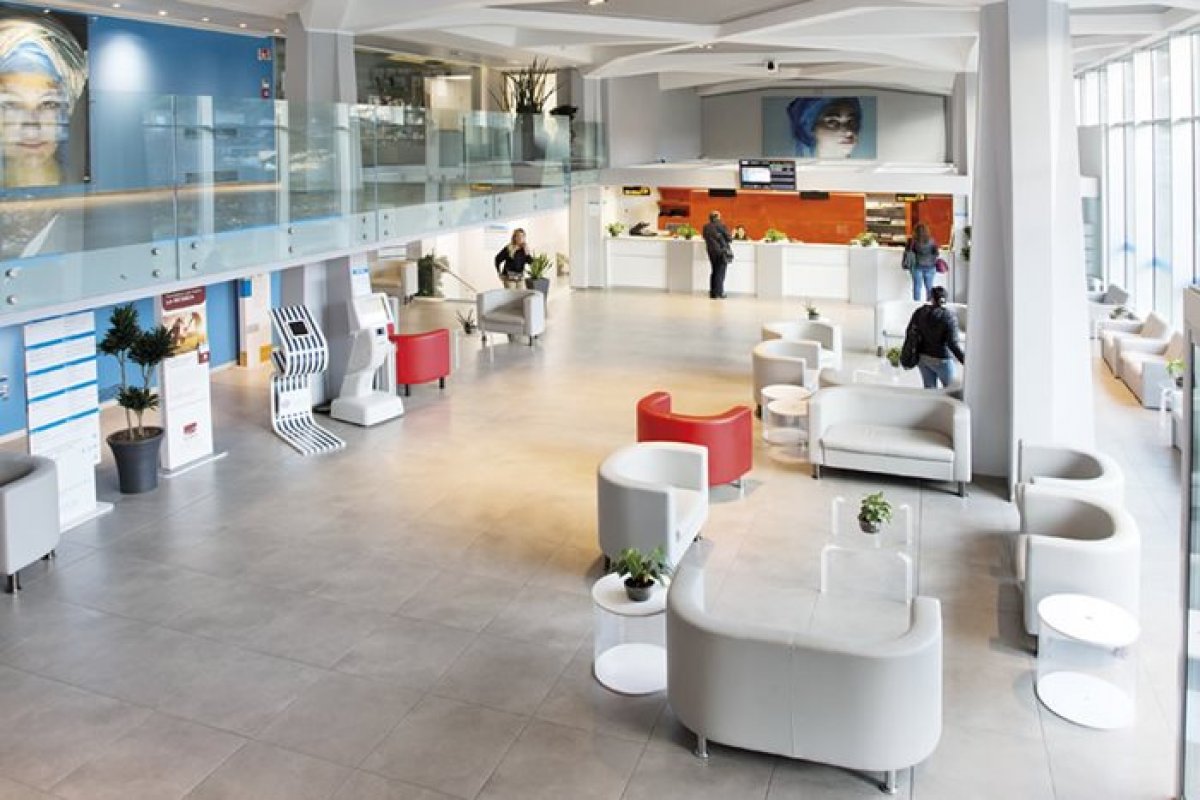
La Madonnina Clinic
Italia, Milán


Revisado médicamente por
Fahad Mawlood
| Italia | España | Turquía | |
|---|---|---|---|
| Tratamiento conservador de la luxación habitual del hombro | ≈ $2,500 | ≈ $900 | ≈ $450 |
Bookimed no añade cargos extra a los precios de los tratamientos de Luxación habitual del hombro. Las tarifas proceden de las listas de precios oficiales de las clínicas. Pagará directamente en la clínica por su tratamiento a su llegada al país.
Bookimed está comprometido con su seguridad. Solo trabajamos con las clínicas que mantienen altos estándares internacionales en el tratamiento de Luxación habitual del hombro y cuentan con las licencias necesarias para atender a pacientes internacionales en todo el mundo.
Bookimed ofrece asistencia experta gratuita. Un coordinador médico personal le apoya antes, durante y después de su tratamiento, resolviendo cualquier problema. Nunca estará solo en su viaje médico de tratamiento de Luxación habitual del hombro.


Más de 15,000 operaciones realizadas – El Dr. Zini se especializa en cirugía artroscópica y protésica en el Hospital Maria Cecilia.

Director de Ortopedia y Traumatología en el Hospital Mater Olbia – especializado en problemas recurrentes de hombro con más de 5.500 cirugías realizadas.
 Olena Sikoza
Los ortopedistas italianos prefieren la reparación artroscópica de Bankart o el procedimiento de Latarjet para la luxación habitual de hombro. Los cirujanos seleccionan la técnica basándose en la pérdida ósea glenoidea y la actividad física. La reparación de Bankart es la elección anatómica de primera línea. El procedimiento de Latarjet aborda defectos óseos graves o necesidades de atletas de alto impacto.
Perspectiva de expertos de Bookimed: Los datos clínicos indican que los centros de alto volumen como Galeazzi-Sant’Ambrogio realizan más de 5,000 operaciones al año. Este volumen es crítico para los casos de luxación habitual. Los atletas de alta demanda, incluidos los jugadores del AC Milan, a menudo buscan tratamiento en centros como La Madonnina. Seleccionar un centro con un historial comprobado en cirugía de revisión es vital si una estabilización previa ha fallado.
Consenso de los pacient
Los pacientes deben planificar una estancia de 10 a 14 días en Italia. Esto permite una curación inicial y controles postoperatorios esenciales. Centros ortopédicos profesionales como el IRCCS Ospedale Galeazzi - Sant'Ambrogio en Milán realizan un gran volumen de cirugías complejas. La recuperación funcional completa suele tardar de 3 a 6 meses.
Perspectiva del experto de Bookimed: Elegir un cirujano con un alto volumen de procedimientos es una señal de calidad crítica en Italia. Por ejemplo, el Dr. Raul Zini en el Hospital Maria Cecilia ha realizado más de 15,000 operaciones. Los expertos de alto volumen a menudo manejan casos complejos y atletas profesionales, asegurando protocolos de recuperación refinados. Esta experiencia ayuda a minimizar los riesgos durante la fase inicial de inmovilización de 4 semanas.
Consenso de los pacientes: Los pacientes señalan que el vuelo de regreso a
Los cirujanos ortopédicos italianos prescriben un protocolo basado en fases que incluye de 4 a 6 semanas de inmovilización con cabestrillo. La rehabilitación temprana se centra en movimientos pasivos suaves para proteger la reparación. El fortalecimiento progresivo sigue una vez que se confirma la estabilidad estructural. Centros italianos como el Hospital Maria Cecilia priorizan la atención multidisciplinaria utilizando equipos de fisiatras especializados.
Perspectiva del experto de Bookimed: Los datos muestran que Italia es un centro para casos de revisión complejos. El Instituto Ortopédico Galeazzi realiza el 75% de las cirugías ortopédicas de revisión de Italia. Esto sugiere que los protocolos italianos están excepcionalmente especializados para pacientes que ya han experimentado tratamientos fallidos en otros lugares. Debe buscar cirujanos c
Milán, Roma y Bolonia son las principales ciudades italianas para la cirugía experta de luxación de hombro. Estos centros cuentan con hospitales como el IRCCS Galeazzi-Sant'Ambrogio y el Maria Cecilia Hospital. Utilizan técnicas avanzadas de estabilización artroscópica e injerto óseo. Las instalaciones suelen contar con certificaciones JCI o ISO para una atención ortopédica de alta calidad.
Perspectiva del experto de Bookimed: Si bien muchos hospitales generales ofrecen ortopedia, las redes especializadas de Italia brindan ventajas significativas. Por ejemplo, el Galeazzi-Sant'Ambrogio en Milán atiende a más de 340.000 pacientes al año y sirve como el primer centro de admisión ortopédica dedicado del país. Elegir un centro dentro de la red GVM Care & Research, como el Maria Cecilia Hospital, garantiza el acceso a cirujanos como el Dr. Raul
Italia ofrece tratamientos regenerativos y conservadores para la luxación habitual de hombro en centros ortopédicos especializados. El plasma rico en plaquetas (PRP) y las terapias con células madre están disponibles para reducir la inflamación. Aunque las opciones no quirúrgicas como la rehabilitación neuromuscular dirigida son comunes, generalmente sirven a pacientes con bajas demandas físicas o daño estructural mínimo.
Perspectiva del experto de Bookimed: La atención ortopédica italiana está altamente centralizada en centros académicos especializados. Por ejemplo, el IRCCS Ospedale Galeazzi - Sant'Ambrogio realiza el 75% de todas las cirugías ortopédicas de revisión en Italia. Este alto volumen clínico significa que sus especialistas pueden identificar con precisión cuándo la medicina regenera