Luxación habitual del hombro en India: las 15 mejores clínicas para su tratamiento


Revisado médicamente por
Fahad Mawlood
¿Cuál es el precio del diagnóstico y los tratamientos de Luxación habitual del hombro en India? Descubra ahora
| India | España | Turquía | |
|---|---|---|---|
| Tratamiento conservador de la luxación habitual del hombro | ≈ $700 | ≈ $900 | ≈ $450 |
Sus beneficios y garantías con Bookimed
Precios directos
Bookimed no añade cargos extra a los precios de los tratamientos de Luxación habitual del hombro. Las tarifas proceden de las listas de precios oficiales de las clínicas. Pagará directamente en la clínica por su tratamiento a su llegada al país.
Sólo clínicas y médicos verificados
Bookimed está comprometido con su seguridad. Solo trabajamos con las clínicas que mantienen altos estándares internacionales en el tratamiento de Luxación habitual del hombro y cuentan con las licencias necesarias para atender a pacientes internacionales en todo el mundo.
Asistencia 24/7 gratuita
Bookimed ofrece asistencia experta gratuita. Un coordinador médico personal le apoya antes, durante y después de su tratamiento, resolviendo cualquier problema. Nunca estará solo en su viaje médico de tratamiento de Luxación habitual del hombro.

Su coordinador médico personal de Bookimed
- Le apoya en cada etapa
- Ayuda a elegir la clínica y el médico adecuados
- Asegura un acceso rápido y conveniente a la información
Descubra las mejores clínicas de tratamiento de Luxación habitual del hombro en India: 15 opciones verificadas y Precios












Dr. Rela Institute & Medical Centre
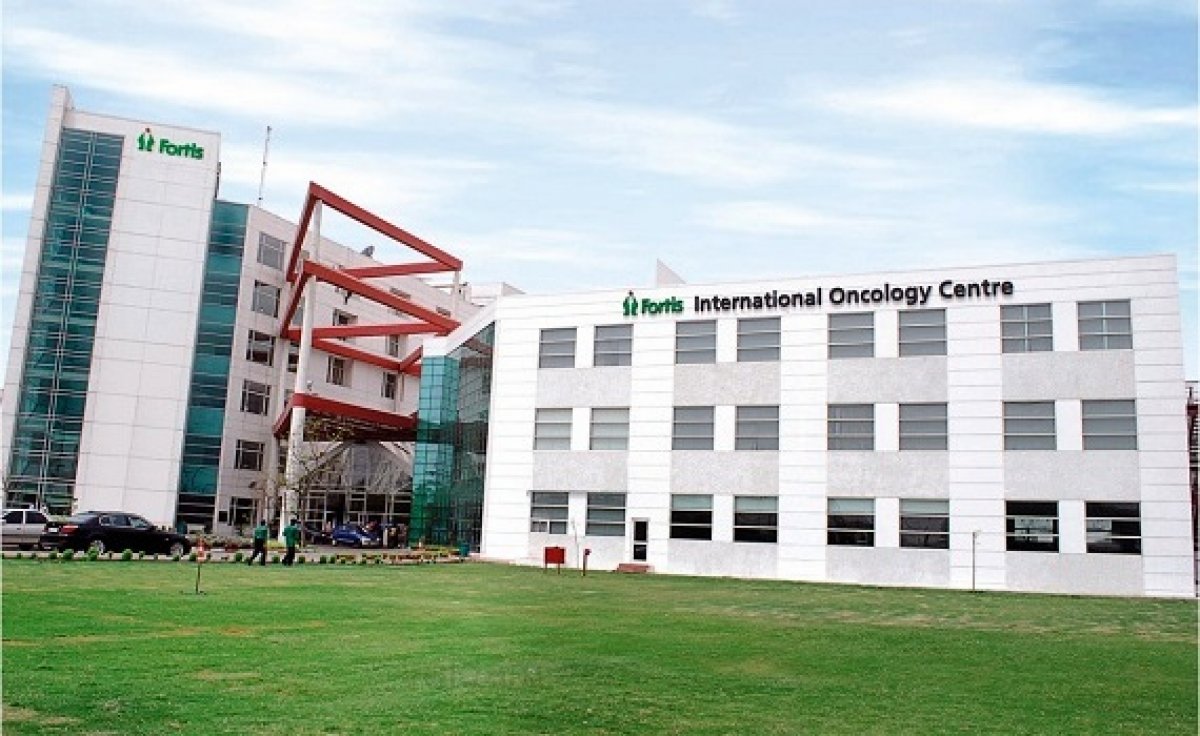
Hospital Fortis
Obtenga una evaluación médica para Luxación habitual del hombro en India: consulte con doctores experimentados ahora
Ver todos los médicos
Sarthak Walia
Compartir contenido
Historias en video de pacientes de Bookimed
 Olena Sikoza
Preguntas frecuentes sobre el tratamiento de Luxación habitual del hombro en India
¿Puede una luxación habitual de hombro sanar sin cirugía?
Una luxación habitual de hombro no puede sanar estructuralmente por sí sola. Aunque la fisioterapia dirigida mejora la estabilidad, no puede reparar los ligamentos desgarrados o estirados. Los episodios repetidos a menudo conducen a una pérdida ósea progresiva. Por lo general, se requiere cirugía para restaurar la integridad completa de la articulación y prevenir daños a largo plazo.
- Reparación de tejidos: Los ligamentos estirados o los desgarros del labrum carecen de suministro sanguíneo para volver a su lugar.
- Estabilidad dinámica: La fisioterapia se centra en fortalecer los músculos del manguito rotador para sostener la articulación.
- Riesgo de recurrencia: Los pacientes menores de 25 años tienen una tasa de recurrencia superior al 70% sin cirugía.
- Indicaciones: Se recomienda la cirugía si el hombro se sale durante el sueño o las actividades diarias.
- Diagnóstico avanzado: Centros indios como el Dr. Rela Institute utilizan PET-CT de alta precisión para la estadificación.
Perspectiva del experto de Bookimed: Los grupos de salud más grandes de la India, como Manipal y Global Hospital, manejan volúmenes masivos de pacientes, alcanzando los 2.000.000 anuales. Esta alta frecuencia permite a los cirujanos especializarse en técnicas de estabilización complejas y mínimamente invasivas. Clínicas como Aster CMI mejoran
¿Es la cirugía artroscópica (mínimamente invasiva) tan eficaz como la cirugía abierta para la inestabilidad del hombro?
La cirugía artroscópica es tan eficaz como la cirugía abierta para la mayoría de los pacientes con inestabilidad de hombro sin pérdida ósea significativa. Ambos métodos reportan tasas de éxito superiores al 90% para reparaciones estándar. La cirugía mínimamente invasiva ofrece incisiones más pequeñas, menos dolor postoperatorio y una mejor preservación del rango de movimiento de la articulación.
- Tasa de éxito: Aproximadamente el 90% para reparaciones labrales estándar sin daño óseo.
- Tiempo de recuperación: Curación inicial más rápida con menos daño muscular que la cirugía abierta.
- Cicatrices: Marcas visibles mínimas en comparación con la incisión más larga de los procedimientos abiertos.
- Criterios óseos: Se prefiere la cirugía abierta si la pérdida ósea supera el 15% al 20%.
Perspectiva del experto de Bookimed: Los centros indios como el Global Hospital Chennai y los Manipal Hospitals manejan volúmenes masivos de pacientes, y algunos realizan más de 18,000 cirugías al año. Esta alta frecuencia permite a los cirujanos dominar los procedimientos de Latarjet artroscópicos, que son técnicamente exigentes pero pueden tratar la pérdida ósea a través de incisiones mínimamente invasivas. Si usted es un atleta, priorizar un centro de alto volumen puede brindarle acceso a estas técnicas especializadas que combinan los beneficios de ambos mundos.<
¿Cuál es el cronograma de recuperación esperado después de una cirugía de estabilización de hombro en la India?
La recuperación después de una estabilización de hombro en la India suele tomar de 4 a 6 meses para las actividades diarias. La fuerza completa y el regreso a los deportes requieren de 6 a 12 meses. Los pacientes usan un cabestrillo durante 2 a 6 semanas. Seguir un programa de fisioterapia estructurado es esencial para la estabilidad articular a largo plazo.
- Fase de protección con cabestrillo: Use un cabestrillo durante 2 a 6 semanas para proteger la reparación.
- Cicatrización de heridas: Los cirujanos generalmente retiran los puntos de sutura de 7 a 10 días después del procedimiento.
- Rango de movimiento: La fisioterapia suave comienza entre las semanas 6 y 12 después de la inmovilización.
- Regreso al trabajo: Reanude las tareas de oficina en 1 a 3 semanas si el dolor está controlado.
Perspectiva del experto de Bookimed: Aunque muchos se centran en el tipo de cirugía, el volumen de pacientes de la clínica es un indicador de calidad importante en la India. Centros como el Global Hospital Chennai y los Manipal Hospitals tratan a 2.000.000 de pacientes al año. Este alto volumen a menudo conduce a protocolos de rehabilitación más estandarizados. Esto ayuda a los pacientes internacionales a predecir sus hitos de recuperación con mayor precisión.
Consenso de los pacientes: Los pacientes señalan que las primeras 2 semanas
¿Quiénes son los especialistas reconocidos en inestabilidad de hombro en la India y dónde ejercen?
La India cuenta con especialistas reconocidos en inestabilidad de hombro como el Dr. IPS Oberoi en Artemis Hospitals y el Dr. Raman Kant Aggarwal en el Fortis Memorial Research Institute. Estos expertos ejercen en Delhi NCR, Bengaluru y Mumbai. Utilizan instalaciones acreditadas por la Joint Commission International para reparaciones artroscópicas avanzadas de Bankart y procedimientos de Latarjet.
- Dr. IPS Oberoi: Ejerce en Artemis Hospitals, Gurgaon, especializado en estabilización artroscópica.
- Dr. Raman Kant Aggarwal: Dirige la artroscopia de hombro avanzada en el Fortis Memorial Research Institute, Gurgaon.
- Dr. Ayyappan V. Nair: Realiza procedimientos de Latarjet artroscópico y reconstrucciones en Manipal Hospitals, Bengaluru.
- Dr. Nagraj Shetty: Se centra en el tratamiento de luxaciones crónicas en el Nanavati Hospital de Mumbai.
Perspectiva de expertos de Bookimed: Aunque muchos buscan hospitales famosos, el volumen es el indicador clave de calidad. Artemis Hospitals y Manipal Hospitals atienden a millones de pacientes. Los especialistas allí a menudo realizan más reconstrucciones complejas de hombro al año que las unidades ortopédicas generales. Los paquetes de tratamiento conservador en la India oscilan entre 2.800 y 5.200 dólares, dependiendo de la instalación.
Consenso de los pacientes: Los pacientes enfa
¿Es realista que los atletas vuelvan al mismo nivel deportivo después de una cirugía en la India?
Los atletas regresan habitualmente a la práctica deportiva tras una cirugía de luxación recurrente de hombro en la India. Los principales centros ortopédicos reportan tasas de éxito de entre el 85% y el 95%. Más del 80% de los atletas retoman sus actividades deportivas con éxito. El rendimiento a menudo iguala los niveles previos a la lesión en un plazo de 6 a 9 meses utilizando técnicas artroscópicas modernas.
- Éxito quirúrgico: Los centros indios mantienen una tasa de éxito del 85% al 95% en la estabilización articular.
- Resultados clínicos: Más del 88% de los atletas regresan a la práctica deportiva tras procedimientos endoscópicos.
- Alto volumen: Los cirujanos de los hospitales Manipal tratan a millones de pacientes anualmente.
- Tiempo de recuperación: La autorización completa para deportes de contacto suele requerir de 6 a 9 meses.
Perspectiva del experto de Bookimed: La calidad de los resultados en la India depende de elegir instalaciones con unidades integradas de medicina deportiva. Nuestros datos muestran que hospitales como el Global Hospital Chennai y Fortis Gurgaon realizan más de 18,000 operaciones al año. Estos centros de alto volumen proporcionan la fisioterapia inmediata y agresiva necesaria para que los atletas recuperen su ventaja competitiva. Elegir a un cirujano que maneje más de 1,000 casos garantiza la precisión necesa