Luxación habitual del hombro Tratamiento en Corea del Sur — Costos 2026


Revisado médicamente por
Fahad Mawlood
¿Cuál es el precio del diagnóstico y los tratamientos de Luxación habitual del hombro en Corea del Sur? Descubra ahora
| Corea del Sur | España | Turquía | |
|---|---|---|---|
| Tratamiento conservador de la luxación habitual del hombro | ≈ $1,500 | ≈ $900 | ≈ $450 |
Sus beneficios y garantías con Bookimed
Precios directos
Bookimed no añade cargos extra a los precios de los tratamientos de Luxación habitual del hombro. Las tarifas proceden de las listas de precios oficiales de las clínicas. Pagará directamente en la clínica por su tratamiento a su llegada al país.
Sólo clínicas y médicos verificados
Bookimed está comprometido con su seguridad. Solo trabajamos con las clínicas que mantienen altos estándares internacionales en el tratamiento de Luxación habitual del hombro y cuentan con las licencias necesarias para atender a pacientes internacionales en todo el mundo.
Asistencia 24/7 gratuita
Bookimed ofrece asistencia experta gratuita. Un coordinador médico personal le apoya antes, durante y después de su tratamiento, resolviendo cualquier problema. Nunca estará solo en su viaje médico de tratamiento de Luxación habitual del hombro.

Su coordinador médico personal de Bookimed
- Le apoya en cada etapa
- Ayuda a elegir la clínica y el médico adecuados
- Asegura un acceso rápido y conveniente a la información
Descubra las mejores clínicas de tratamiento de Luxación habitual del hombro en Corea del Sur: 7 opciones verificadas y Precios













Obtenga una evaluación médica para Luxación habitual del hombro en Corea del Sur: consulte con doctores experimentados ahora
Ver todos los médicos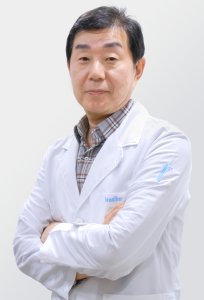
Jang Hyo Kim
El Dr. Jang Hyo Kim es cirujano ortopédico centrado en la preservación articular y la reconstrucción compleja. Se especializa en artroscopia de hombro, rodilla, tobillo, codo y muñeca. Realiza reemplazos articulares de hombro, rodilla, tobillo, codo y cadera. En columna, realiza instrumentación y fusiones cervicales y lumbares. También efectúa discectomías, laminectomías, neuroplastias y vertebroplastias. Su práctica incluye el tratamiento de fracturas y la reparación de músculos y ligamentos
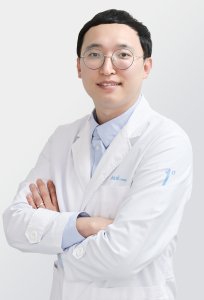
Woo Kyung Kwak
El Dr. Woo Kyung Kwak es cirujano ortopédico. Está especializado en cirugía mínimamente invasiva del pie y el tobillo (MICA para hallux valgus). También trata lesiones deportivas y realiza artroplastia total de rodilla, así como artroscopia avanzada de hombro y rodilla.
Obtuvo el título de médico (MD) y un máster en ciencias (MS) en la Universidad Nacional de Chonnam. Completó una beca de subespecialización en el Hospital de la Universidad Nacional de Chonnam. Se desempeñó como jefe de

Kwangyeal Lee
Especialista en cirugía artroscópica de hombro en el Hospital Nanoori, con amplia experiencia en el tratamiento de luxaciones habituales de hombro.
- Miembro de la Sociedad Coreana de Hombro y Codo
- Experto en lesiones de hombro relacionadas con el deporte
- Investigaciones publicadas sobre técnicas de evaluación de la articulación del hombro
- Ex editor de sección en el Centro de Articulaciones, Hospital Sun

Seongcheol Moon
Jefe de Cirugía Ortopédica en el Hospital Nanoori – especializado en afecciones de hombro y codo con amplia experiencia quirúrgica.
- Formación de subespecialidad (fellowship) en Cirugía de Hombro y Codo en el Hospital Universitario Kyung Hee
- Autor de múltiples estudios sobre reparaciones del manguito rotador e inestabilidad de hombro
- Miembro del Comité Editorial de la Asociación Coreana de Hombro y Codo
- Miembro de la Sociedad Coreana de Ortopedia para Medicina Deportiva
Compartir contenido
Historias en video de pacientes de Bookimed
 Olena Sikoza
Preguntas frecuentes sobre el tratamiento de Luxación habitual del hombro en Corea del Sur
¿Por qué debería elegir Corea del Sur para el tratamiento de la luxación habitual de hombro?
Corea del Sur es un destino de primer nivel para el tratamiento de la luxación habitual de hombro. Ofrece centros médicos de élite como el Hospital Bundang de la Universidad Nacional de Seúl. Los cirujanos se especializan en estabilización artroscópica y preservación articular. Las instalaciones cuentan con acreditaciones ISO y JCI. Los sistemas digitalizados y la IA optimizan la seguridad y los resultados.
- Experiencia especializada: El Dr. Kwangyeal Lee del Hospital Nanoori se especializa en luxaciones recurrentes.
- Tecnología avanzada: Centros totalmente digitales como el SNUBH utilizan el sistema BESTcare para prevenir errores.
- Instalaciones acreditadas: Clínicas como el Hospital Severance mantienen los estándares de oro de la Joint Commission International (JCI).
- Volumen clínico: Centros de primer nivel como el Centro Médico Asan atienden a más de 182,000 pacientes al año.
Perspectiva del experto de Bookimed: Mientras que muchos países ofrecen ortopedia general, los especialistas coreanos como el Dr. Seongcheol Moon demuestran profundidad clínica con más de 10 artículos de investigación revisados por pares en el American Journal of Sports Medicine. Este enfoque basado en la investigación asegura que los pacientes reciban técnicas quirúrgicas probadas en revistas médicas internacionales. Esta experiencia específica a menudo conduce a
¿Cuál es el tratamiento quirúrgico principal para la luxación recidivante de hombro en Corea del Sur?
La operación artroscópica de Bankart es el método quirúrgico principal para tratar la luxación recidivante de hombro en Corea del Sur. Los cirujanos utilizan anclajes especiales para fijar el labrum desgarrado al hueso. Este enfoque mínimamente invasivo preserva la movilidad de la articulación, reduciendo significativamente el riesgo de inestabilidad futura.
- Técnica del procedimiento: La introducción de un artroscopio permite identificar y reparar con precisión los tejidos articulares dañados.
- Mejora de la estabilidad: Se pueden añadir procedimientos de «remplissage» para fortalecer la cápsula y rellenar defectos óseos.
- Público objetivo: Esta operación se realiza a menudo en pacientes jóvenes y activos con inestabilidad crónica.
- Acreditación de centros: Muchos hospitales de Seúl figuran en el ranking de los mejores hospitales del mundo según Newsweek y cuentan con la acreditación JCI.
Opinión de expertos de Bookimed: La ortopedia surcoreana combina a menudo hospitales multidisciplinarios con grandes flujos de pacientes y centros especializados en columna y articulaciones. El Hospital Nanoori, un centro especializado certificado por el Ministerio de Salud y Bienestar, atiende a 58.000 pacientes al año. Estos centros especializados suelen ofrecer un acceso más directo a especialistas como el Dr. Kwang-Yeol Lee, miembro de las mayores soci
¿Cuál es la tasa de éxito de la estabilización artroscópica para la luxación recidivante de hombro en Corea del Sur?
La estabilización artroscópica en Corea del Sur permite el retorno a las actividades a un 93,3% de los pacientes con altas cargas físicas. Mientras que la tasa de recidiva en una operación de Bankart estándar es de aproximadamente un 3,3%, las técnicas especializadas de «remplissage» reducen aún más el riesgo al 5,4% en lesiones complejas. Los centros ortopédicos coreanos especializados garantizan resultados a largo plazo en instituciones médicas con acreditación JCI.
- Tasa de éxito: Aproximadamente el 93,3% del personal militar regresa al servicio completo en el plazo de 1 año.
- Riesgo de recidiva: La estabilización artroscópica estándar de Bankart mantiene una baja tasa de recidiva del 3,3%.
- Técnicas avanzadas: La adición de capsulodesis posterior reduce el riesgo de recidiva al 5,4% en lesiones de Hill-Sachs.
- Volumen de operaciones: El Hospital Bundang de la Universidad Nacional de Seúl realiza más de 32 550 operaciones al año.
Opinión de expertos de Bookimed: Aunque muchos buscan estadísticas con el porcentaje de éxito más alto, los resultados más fiables en Corea están relacionados con la cantidad de procedimientos y la especialización. Instituciones como el Hospital Bundang de la Universidad Nacional de Seúl y el Hospital Severance reciben a más de 1,5 millones de pacientes ambulatorios al año. Este enorme flujo de pacientes permite
¿Cuál es el riesgo de redislocación del hombro después de una cirugía artroscópica en Corea del Sur?
Las clínicas de Corea del Sur reportan tasas de redislocación de hombro de entre el 8,1 % y el 8,8 % para las reparaciones artroscópicas. Los resultados dependen significativamente de la edad del paciente y de la salud ósea. Si bien las tasas de éxito son altas, la recurrencia suele ocurrir dentro de los 12 meses. Esto es frecuente entre atletas jóvenes y pacientes con defectos óseos humerales.
- Salud ósea: Las lesiones de Hill-Sachs grandes aumentan significativamente el riesgo de fracaso quirúrgico.
- Anclas de sutura: El uso de menos de 4 anclas durante la reparación se correlaciona con una mayor recurrencia.
- Edad del paciente: Los hombres menores de 22 años enfrentan mayores riesgos de redislocación en hombros dominantes.
- Nivel de actividad: Los atletas de deportes de colisión de alta demanda pueden experimentar tasas de recurrencia que llegan a aproximadamente el 25 %.
Perspectiva del experto de Bookimed: El alto volumen quirúrgico de Corea del Sur actúa como una protección natural contra errores. El Hospital Bundang de la Universidad Nacional de Seúl utiliza el sistema BESTcare específicamente para prevenir errores médicos. Con más de 32 500 operaciones anuales, los cirujanos aquí ven luxaciones habituales complejas con más frecuencia que la mayoría de los centros globales. Este volumen se traduce en una colocación de anclas más prec
¿Cuál es el cronograma típico de recuperación después de una estabilización artroscópica de hombro en Corea del Sur?
La recuperación después de una estabilización artroscópica de hombro en Corea del Sur toma generalmente de 4 a 6 meses para la mayoría de las actividades diarias. La restauración funcional completa para deportes de contacto requiere hasta 12 meses. Los centros ortopédicos coreanos utilizan técnicas mínimamente invasivas para acelerar la curación y reducir las cicatrices.
- Protección inicial: Los pacientes usan un cabestrillo durante 4 a 6 semanas para proteger la reparación.
- Retiro de suturas: El personal médico retira generalmente los puntos no absorbibles entre 7 y 10 días después de la cirugía.
- Movimiento activo: Los ejercicios de rango de movimiento y las tareas diarias ligeras comienzan entre las semanas 6 y 12.
- Regreso a los deportes: Volver a los deportes de contacto o al trabajo pesado generalmente requiere al menos 6 meses.
Perspectiva del experto de Bookimed: Los centros surcoreanos como el Hospital Anam de la Universidad de Corea utilizan técnicas quirúrgicas sin sangre que pueden acortar significativamente la etapa inicial de recuperación. Cirujanos destacados, incluidos el Dr. Seongcheol Moon y el Dr. Kwangyeal Lee, realizan un gran volumen de estos procedimientos. Los datos muestran que las clínicas con acreditación JCI o KOIHA enfatizan programas de rehabilitación coordinados. Estos protocolos sistemáticos de fisioterapia
¿Es efectivo el tratamiento no quirúrgico para la luxación habitual de hombro?
El tratamiento no quirúrgico para la luxación habitual de hombro se centra en la fisioterapia especializada y el fortalecimiento del manguito rotador. Reduce eficazmente el dolor y la inflamación en pacientes con baja demanda física. Sin embargo, el cuidado conservador a menudo no logra prevenir la inestabilidad futura cuando existen daños estructurales como lesiones de Bankart o defectos óseos.
- Criterios de éxito: Más efectivo para primeras luxaciones o pacientes con niveles bajos de actividad diaria.
- Enfoque de rehabilitación: La terapia se dirige al manguito rotador y a los estabilizadores escapulares para mejorar la mecánica articular.
- Limitaciones estructurales: Los métodos conservadores no pueden reparar ligamentos desgarrados ni corregir una pérdida ósea significativa.
- Riesgo de recurrencia: Los individuos más jóvenes y activos enfrentan tasas más altas de inestabilidad sin intervención quirúrgica.
Perspectiva del experto de Bookimed: Si bien muchos se centran en la fisioterapia, los especialistas surcoreanos como el Dr. Woo Kyung Kwak utilizan imágenes digitales avanzadas para identificar tempranamente los defectos óseos subyacentes. Los datos de clínicas como el Hospital Bundang de la Universidad Nacional de Seúl, que atiende a 1.500.000 pacientes al año, sugieren que identificar estos problemas estructurales a tiempo evita año
¿Qué pruebas diagnósticas puedo esperar en Corea del Sur antes de una cirugía de luxación de hombro?
El proceso de diagnóstico en Corea del Sur implica una imagenología intensiva de alta resolución y pruebas de estabilidad física. Puede esperar una consulta con un ortopedista seguida de una resonancia magnética (RM) de 3.0T para evaluar las roturas del labrum. Si se sospecha pérdida ósea, los especialistas utilizan tomografías computarizadas (TC) para cuantificar los defectos glenoideos.
- Consulta ortopédica: Especialistas como el Dr. Yang Young Joon evalúan el rango de movimiento y los patrones de inestabilidad.
- RM de alta resolución: El uso estándar de máquinas de 3.0T identifica lesiones en el labrum, la cápsula y el manguito rotador.
- TC para pérdida ósea: Los escaneos cuantifican las lesiones de Hill-Sachs o Bankart óseo para una planificación quirúrgica precisa.
- Seguimiento digitalizado: Centros como el SNUBH proporcionan resultados rápidos a través de sistemas médicos digitales avanzados.
Opinión de expertos de Bookimed: El alto volumen clínico de Corea del Sur, que atiende a más de 1,000,000 de pacientes en centros importantes como el SNUBH, impulsa la velocidad del diagnóstico. Mientras que muchos países requieren semanas para obtener imágenes por separado, las clínicas coreanas a menudo proporcionan resultados de RM y consultas quirúrgicas en 24–48 horas. Esta eficiencia es ideal para pacientes internacionales con horarios ajustados.<