Luxación habitual del hombro en Polonia: las 7 mejores clínicas para su tratamiento


Revisado médicamente por
Fahad Mawlood
¿Cuál es el precio del diagnóstico y los tratamientos de Luxación habitual del hombro en Polonia? Descubra ahora
| Polonia | España | Turquía | |
|---|---|---|---|
| Tratamiento conservador de la luxación habitual del hombro | ≈ $450 | ≈ $900 | ≈ $450 |
Sus beneficios y garantías con Bookimed
Precios directos
Bookimed no añade cargos extra a los precios de los tratamientos de Luxación habitual del hombro. Las tarifas proceden de las listas de precios oficiales de las clínicas. Pagará directamente en la clínica por su tratamiento a su llegada al país.
Sólo clínicas y médicos verificados
Bookimed está comprometido con su seguridad. Solo trabajamos con las clínicas que mantienen altos estándares internacionales en el tratamiento de Luxación habitual del hombro y cuentan con las licencias necesarias para atender a pacientes internacionales en todo el mundo.
Asistencia 24/7 gratuita
Bookimed ofrece asistencia experta gratuita. Un coordinador médico personal le apoya antes, durante y después de su tratamiento, resolviendo cualquier problema. Nunca estará solo en su viaje médico de tratamiento de Luxación habitual del hombro.

Su coordinador médico personal de Bookimed
- Le apoya en cada etapa
- Ayuda a elegir la clínica y el médico adecuados
- Asegura un acceso rápido y conveniente a la información
Descubra las mejores clínicas de tratamiento de Luxación habitual del hombro en Polonia: 7 opciones verificadas y Precios









Hospital Universitario de Cracovia
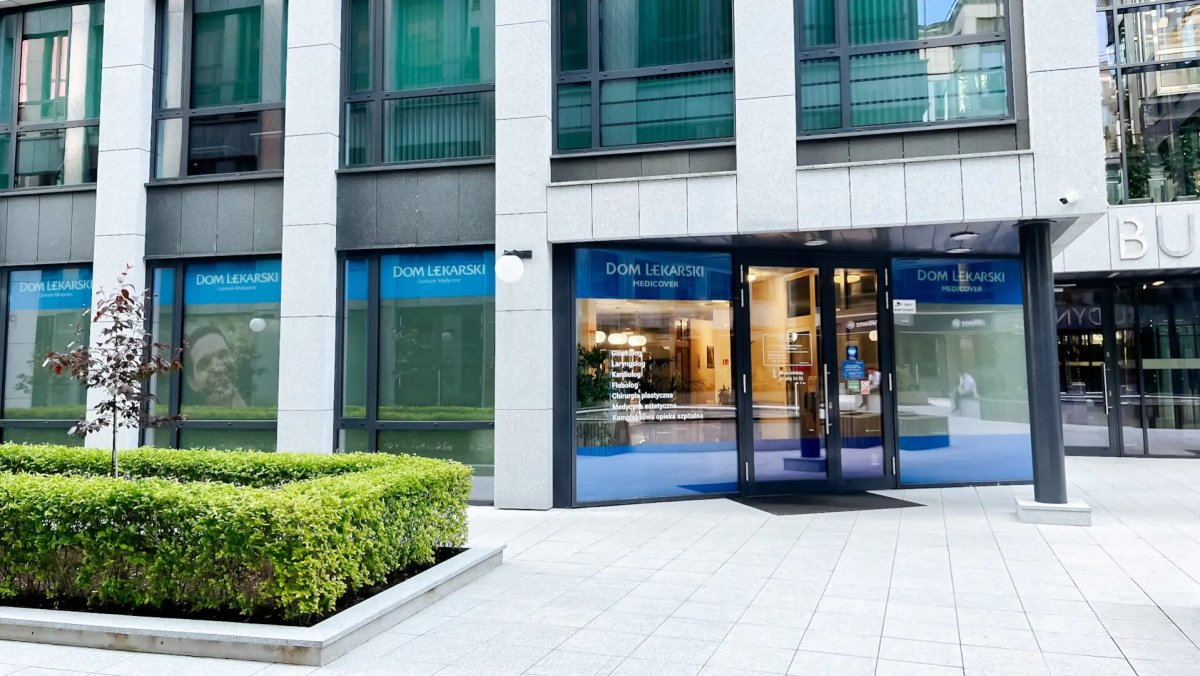
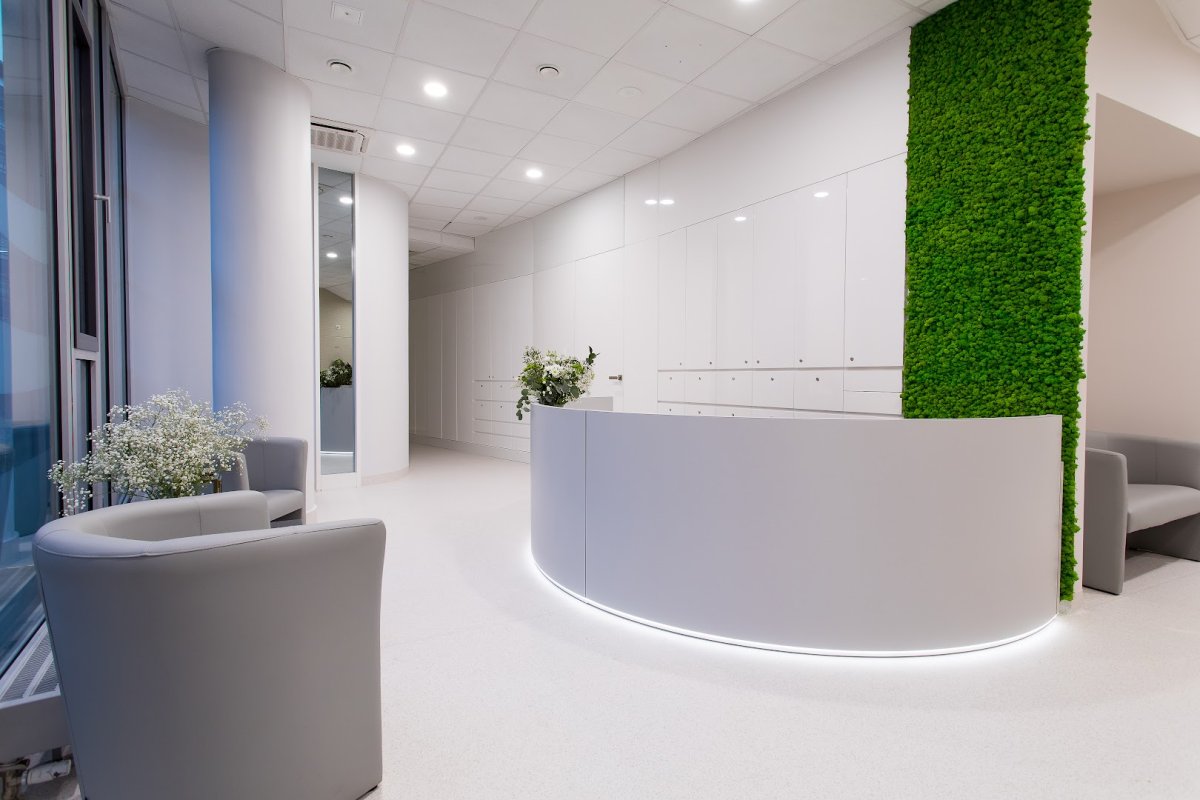
Medi Horizon Clinic
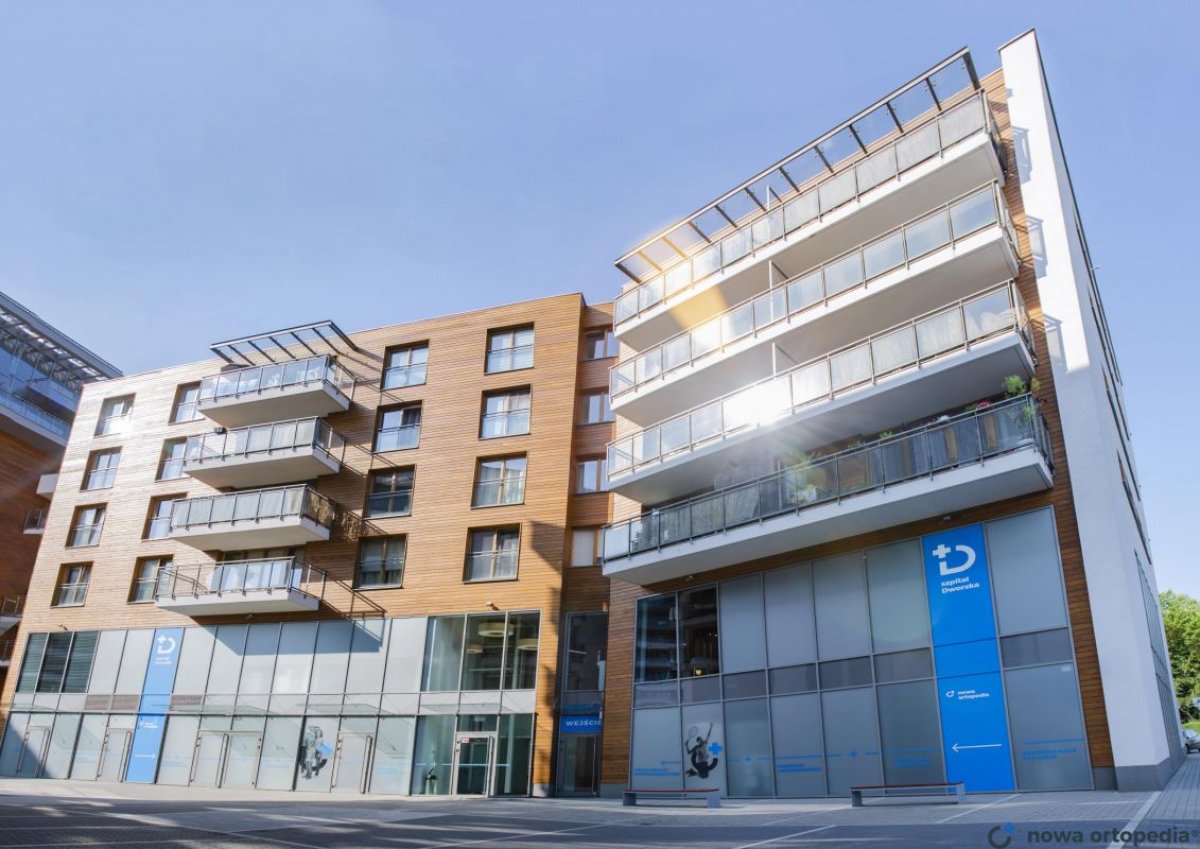
Nowa Ortopedia
Obtenga una evaluación médica de tratamiento de Luxación habitual del hombro en Polonia: haga una consulta con 15 médicos experimentados ahora
Ver todos los médicos
Janusz Kurek
El Dr. Janusz Kurek es cirujano ortopédico especializado en artroscopia, cirugía de trauma y lesiones deportivas. Se graduó en la Academia Médica Militar de Varsovia en 1986. Acumuló experiencia en el Hospital Bielański, el Hospital Czerniakowski y el American Medical Centre. Operó durante muchos años en el Centro Médico ATTIS. También colabora con Medicover y Luxmed.
Tiene amplia experiencia en artroscopia y terapias con plasma rico en plaquetas (PRP). Trata lesiones y trastornos de r

Jaroslaw Maczynski
Ha realizado más de 1.500 procedimientos de prótesis de cadera y rodilla – El Dr. Maczynski se especializa en reconstrucción articular en la Clínica KCM.
- Jefe de ortopedia y cirugía de trauma en el Hospital Regional de Jelenia Góra
- Certificado en el uso de implantes de cadera, capoplastia y rodilla de empresas líderes
- Experto tanto en cirugías de reemplazo articular primario como de revisión
- Especializado en artroscopia diagnóstica y quirúrgica de la articulación de la rodilla

Jaroslaw Dawiskiba
Especializado en procedimientos artroscópicos de rodilla y hombro, con enfoque en reconstrucciones postraumáticas.
- Realiza videoartroscopia diagnóstica y quirúrgica de la articulación de la rodilla
- Experto en reconstrucción de ligamentos cruzados con implantes de titanio y bioabsorbibles
- Brinda consultas especializadas en el Departamento de Ortopedia y Traumatología de la Clínica KCM

Lukasz Luboinski
Jefe de Ortopedia en Carolina Medical Center – especializado en artroscopia de hombro y lesiones musculoesqueléticas complejas.
- Experto en trasplante de menisco y reconstrucción de cartílago
- Realiza artroscopia de cadera – una especialidad poco común en Polonia
- Ex consultor ortopédico del club de fútbol Legia
- Trata a atletas y lesiones relacionadas con el deporte
Compartir contenido
Historias en video de pacientes de Bookimed
 Olena Sikoza
Preguntas frecuentes sobre el tratamiento de Luxación habitual del hombro en Polonia
¿Qué procedimientos quirúrgicos están disponibles para la luxación habitual de hombro en Polonia?
Los centros ortopédicos en Polonia tratan la luxación habitual de hombro mediante la reparación artroscópica de Bankart, la plicatura capsular y el procedimiento de Latarjet. Las clínicas especializadas en Varsovia y Cracovia utilizan técnicas mínimamente invasivas con anclajes óseos. Estos procedimientos tienen como objetivo restaurar la estabilidad articular y prevenir luxaciones recurrentes.
- Reparación artroscópica de Bankart: Los cirujanos vuelven a unir el labrum desgarrado utilizando pequeñas incisiones y anclajes óseos especializados.
- Plicatura capsular: Este procedimiento tensa una cápsula articular laxa para reducir la movilidad excesiva del hombro.
- Procedimiento de Latarjet: Los especialistas realizan injertos óseos para pacientes con pérdida ósea significativa o inestabilidad crónica.
- Diagnóstico por imagen: Las clínicas priorizan las tomografías computarizadas (TC) para evaluar la pérdida ósea antes de seleccionar el enfoque quirúrgico.
Perspectiva del experto de Bookimed: Los datos muestran que centros polacos como el Hospital Carolina están designados como Centros Médicos de Excelencia de la FIFA. Esto refleja una alta densidad de experiencia en medicina deportiva. El Dr. Lukasz Luboinski y el Dr. Andrzej Komor cuentan con antecedentes internacionales. Los pacientes deben notar que estos especialistas a menudo atienden a a
¿Se puede tratar la luxación habitual de hombro sin cirugía?
La luxación habitual de hombro puede tratarse sin cirugía fortaleciendo el manguito rotador y los músculos escapulares. Los métodos conservadores estabilizan la articulación y restauran la función en el 50% de los casos crónicos. Los médicos utilizan fisioterapia e inyecciones para mejorar la seguridad articular y prevenir futuras inestabilidades sin procedimientos invasivos.
- Terapias de inyección: Las clínicas utilizan ácido hialurónico y plasma rico en plaquetas para promover la curación.
- Estabilización muscular: El fortalecimiento centrado en el manguito rotador reemplaza la función de los ligamentos laxos.
- Entrenamiento de propiocepción: Los ejercicios mejoran la conciencia neurológica para evitar deslizamientos articulares accidentales durante el movimiento.
- Procedimientos avanzados: Centros especializados como el Hospital Carolina ofrecen inyecciones de Orthokine para reducir la inflamación.
Opinión del experto de Bookimed: Aunque muchos creen que la fisioterapia es el único camino no quirúrgico, nuestros datos muestran que clínicas como el Hospital Carolina combinan la rehabilitación con terapias biológicas avanzadas. Los tratamientos especializados como las inyecciones de Orthokine y plasma rico en plaquetas son utilizados frecuentemente por los mejores especialistas polacos para acelerar la reparación de los tejidos. Este enfoq
¿Es la medicina regenerativa una opción para la inestabilidad del hombro en Polonia?
La medicina regenerativa es una opción viable para la inestabilidad leve del hombro en Polonia. Las clínicas utilizan plasma rico en plaquetas y terapias con células madre para fortalecer los tejidos articulares. Estos tratamientos ortobiológicos suelen dirigirse a desgarros parciales y laxitud ligamentosa. Centros ortopédicos especializados en Varsovia y Cracovia lideran estos protocolos no quirúrgicos.
- Terapias disponibles: Plasma rico en plaquetas, células madre, Orthokine e inyecciones de ácido hialurónico.
- Idoneidad clínica: Ideal para inestabilidad leve por lesiones por estiramiento o desgarros parciales del manguito rotador.
- Diagnóstico experto: Los ortopedistas utilizan inyecciones guiadas por ultrasonido para garantizar una administración precisa en las estructuras dañadas.
- Credenciales de la clínica: Centros como el Carolina Hospital poseen certificaciones ISO y el estatus de FIFA Medical Centre.
Perspectiva del experto de Bookimed: Aunque muchos buscan opciones regenerativas, el mercado ortopédico de Polonia está fuertemente influenciado por la excelencia en medicina deportiva. El Dr. Andrzej Komor del Carolina Hospital ejerce desde 1993 y combina experiencia global con terapias biológicas para daños articulares. Los datos muestran que las instalaciones de primer nivel priorizan primero las vías no quirúrgicas. Sin embargo, s
¿Por qué elegir Polonia para el tratamiento de la luxación habitual de hombro?
Polonia ofrece una combinación estratégica de experiencia ortopédica y tecnología quirúrgica avanzada para el tratamiento de la luxación habitual de hombro. Los cirujanos polacos realizan procedimientos de alta tasa de éxito como las reparaciones de Bankart y las cirugías de Latarjet. Las instalaciones cuentan con certificaciones internacionales como ISO 9001 y JCI para garantizar estándares de atención de alta calidad.
- Infraestructura especializada: Las clínicas utilizan artroscopia avanzada e implantes bioabsorbibles para la estabilidad articular.
- Medicina deportiva de élite: Instalaciones como el Carolina Hospital sirven al Comité Olímpico Polaco y a la UEFA.
- Cirujanos certificados: Muchos médicos poseen becas internacionales de instituciones prestigiosas de EE. UU. y el Reino Unido.
- Facilidad de acceso: Los pacientes se benefician de tiempos de espera más cortos para consultas y cirugías ortopédicas.
Opinión de expertos de Bookimed: Polonia es una opción principal para los atletas debido a su fuerte enfoque en la estabilización específica para deportes. El Carolina Hospital en Varsovia destaca porque es un Centro Médico de Excelencia designado por la FIFA. Esta certificación es rara y requiere cumplir con estándares de élite para el tratamiento de la inestabilidad articular en atletas de alto impacto. Al elegir una clínica, busque a
¿Cómo es el cronograma de recuperación y rehabilitación?
La recuperación de la luxación habitual de hombro en Polonia sigue un cronograma de curación biológica estructurado de 6 a 12 meses. Los pacientes suelen usar un cabestrillo durante 2 a 6 semanas. La restauración de la estabilidad completa depende de la fisioterapia especializada y la remodelación tisular progresiva en centros ortopédicos acreditados.
- Fase de protección: Los pacientes usan un cabestrillo de soporte durante 2 a 6 semanas para la curación de los tejidos.
- Restauración de la movilidad: Los ejercicios de rango de movimiento pasivo suelen comenzar entre 1 y 4 semanas después del procedimiento.
- Fase de fortalecimiento: El entrenamiento activo de resistencia y estabilidad generalmente comienza entre los meses 2 y 3.
- Actividad completa: El regreso a los deportes competitivos o al levantamiento de pesas generalmente ocurre después de 6 meses.
Perspectiva del experto de Bookimed: Los datos sugieren que elegir clínicas con asociaciones de medicina deportiva, como el Hospital Carolina en Varsovia, proporciona una ventaja de rehabilitación distinta. Estos centros a menudo emplean cirujanos como el Dr. Andrzej Komor, quienes se especializan en reconstrucción articular y utilizan refuerzos biológicos como células madre. Esta experiencia de alto volumen en el tratamiento de atletas profesionales garantiza que los protocolos de rehabilit
¿Cuánto tiempo deben planificar los turistas médicos su estancia en Polonia para un tratamiento quirúrgico?
Los pacientes deben planificar una estancia de 10 a 14 días en Polonia para un tratamiento quirúrgico de hombro. Este periodo permite realizar el diagnóstico preoperatorio, el procedimiento y la supervisión esencial. La mayoría de los centros ortopédicos polacos requieren de siete a 10 días después de la cirugía antes de autorizar a los pacientes internacionales para viajar en avión.
- Fase de diagnóstico: Reserve de 1 a 2 días para consultas ortopédicas e imágenes avanzadas.
- Estancia hospitalaria: Espere de 1 a 3 noches para la atención hospitalaria y la supervisión médica.
- Seguimiento clínico: Permanezca en el lugar de 5 a 7 días para las revisiones de las heridas.
- Autorización de viaje: Obtenga un certificado de aptitud para volar tras una evaluación final por parte de su cirujano.
Perspectiva de expertos de Bookimed: Los datos de centros de primer nivel como el Hospital Carolina muestran una alta concentración de experiencia en medicina deportiva. Esta clínica es socio médico del Ballet Nacional Polaco y del Comité Olímpico. Dado que estos cirujanos tratan a atletas profesionales, priorizan primero las inyecciones no quirúrgicas de Orthokine o plasma rico en plaquetas. Si elige la cirugía, su experiencia especializada a menudo permite técnicas artroscópicas que simplifican la transición a la recuperación.
Consenso de lo
¿Qué tan alta es la calidad de la neurocirugía en Polonia?
La neurocirugía en Polonia ofrece atención de alta calidad en centros con certificación JCI e ISO. Los neurocirujanos polacos se adhieren a estrictos estándares de formación adoptados por la Unión Europea. Muchos han completado becas en Estados Unidos o Alemania. Tecnologías avanzadas, como CyberKnife, Gamma Knife y sistemas robóticos, están ampliamente disponibles en centros privados.
- Cualificaciones especializadas: Los médicos suelen ser miembros de la Asociación Europea de Sociedades de Neurocirugía.
- Tecnologías avanzadas: Las clínicas utilizan sistemas CyberKnife y ultrasonido enfocado guiado por resonancia magnética para el tratamiento cerebral no invasivo.
- Volumen clínico: Centros líderes como el Hospital Universitario de Cracovia tratan a más de 455.000 pacientes al año.
- Cirujanos experimentados: El Dr. Maciej Bujko del Hospital Carolina ha realizado más de 2.500 cirugías por su cuenta.
Opinión experta de Bookimed: Los datos muestran una fuerte correlación entre la especialización de una clínica y el origen de sus pacientes. La Clínica KCM atiende a más de 700 pacientes internacionales al año. Se especializa en cirugía de columna mínimamente invasiva. Este volumen de trabajo le permite ofrecer paquetes de servicios especializados, que a menudo incluyen bloques de diagnóstico e implantes específicos, como el DIAM de Medtronic.
¿Cuáles son las cualificaciones de los neurocirujanos polacos?
Los neurocirujanos polacos son especialistas altamente cualificados que han completado al menos 13 años de rigurosa formación médica. Esto incluye seis años de estudios de medicina, 13 meses de prácticas y seis años de residencia. Deben aprobar el Examen Estatal de Especialización (PES) y suelen estar certificados por la Asociación Europea de Sociedades de Neurocirugía (EANS).
- Educación: Los médicos reciben educación médica (medicina) después de 6 años de estudio en la universidad.
- Especialización: La residencia incluye 6 años de formación modular en neurocirugía clínica y neurorradiología.
- Volumen quirúrgico: Los residentes a menudo realizan más de 1.000 cirugías, lo que excede el volumen de capacitación promedio en otras regiones.
- Certificados: Muchos especialistas son miembros de AO Spine o de la Sociedad Polaca de Cirugía de Columna.
Opinión experta de Bookimed: Los datos muestran que los neurocirujanos polacos suelen especializarse en tecnologías altamente especializadas, como el sistema ApiFix o el sistema de endoscopia lumbar SED-YESS. Especialistas como el Dr. Stanisław Kwek, de la Clínica KCM, combinan la investigación postdoctoral con una práctica quirúrgica activa. Esta combinación de profundos conocimientos académicos y un alto volumen quirúrgico los hace especialmente eficaces en cirugías de columna complejas y mínimamente in
¿Cuáles son las mejores clínicas neuroquirúrgicas en Polonia?
Entre las mejores clínicas neuroquirúrgicas de Polonia se encuentran el Hospital Carolina, la Clínica KCM y centros académicos de primer nivel como el Hospital Universitario de Cracovia. Estas instituciones ofrecen tratamientos de vanguardia para enfermedades de la columna vertebral y el cerebro que cumplen con los estándares de calidad ISO y emplean a especialistas miembros de organizaciones internacionales como AO Spine.
- Hospital Carolina: Centro Médico de Excelencia FIFA, especializado en cirugías de columna complejas y mínimamente invasivas.
- Clínica KCM: Reconocida internacionalmente por la calidad de sus procedimientos endoscópicos de columna, atendiendo a más de 700 pacientes internacionales anualmente.
- Hospital Universitario de Cracovia: un gran centro multidisciplinario que realiza más de 800 operaciones neuroquirúrgicas al año desde 1788.
- Luxmed: un reconocido centro médico privado en Varsovia especializado en cirugía de columna avanzada para pacientes internacionales.
Opinión experta de Bookimed: Si bien muchos buscan los hospitales más grandes, los datos muestran que clínicas como el Hospital Carolina ofrecen mayor eficiencia para cirugías electivas. Con más de 40 médicos especialistas en este centro de 30 camas, la proporción médico-paciente es significativamente mayor que en los centros universitarios públicos. Esto se traduc
¿Qué procedimientos neuroquirúrgicos se realizan con más frecuencia en Polonia?
En Polonia, la neurocirugía se centra principalmente en cirugías de columna y extirpación de tumores cerebrales. Los hospitales realizan con frecuencia microdiscectomías, fusiones espinales y estimulación cerebral profunda. Centros como el Hospital Carolina y la Clínica KCM utilizan técnicas mínimamente invasivas para tratar hernias discales, lesiones de columna y trastornos neurológicos complejos.
- Cirugía de columna: La discectomía y la laminectomía son tratamientos comunes para los discos herniados.
- Neurooncología: Los especialistas realizan cirugías para extirpar tumores cerebrales utilizando equipos modernos como la tecnología CyberKnife.
- Neurocirugía funcional: la estimulación cerebral profunda (ECP) se utiliza ampliamente para los trastornos del movimiento.
- Técnicas mínimamente invasivas: Los cirujanos utilizan técnicas endoscópicas para descomprimir la columna y tratar tumores pituitarios.
Opinión experta de Bookimed: Polonia se ha convertido en un centro de estabilización espinal especializada. Clínicas como el Hospital Carolina colaboran con equipos deportivos nacionales, lo que refleja su alto nivel de experiencia en el tratamiento de lesiones espinales complejas. Nuestros datos muestran que estas instituciones suelen integrar la rehabilitación directamente en el tratamiento quirúrgico. Esta combinación reduce el riesgo de compl