Luxación habitual del hombro en Tailandia: las 6 mejores clínicas para su tratamiento


Revisado médicamente por
Fahad Mawlood
Cómo funciona
¿Cuál es el precio del diagnóstico y los tratamientos de Luxación habitual del hombro en Tailandia? Descubra ahora
| Tailandia | España | Turquía | |
|---|---|---|---|
| Tratamiento conservador de la luxación habitual del hombro | ≈ $900 / 33,300฿ | ≈ $900 / 33,300฿ | ≈ $450 / 16,700฿ |
Descubra las mejores clínicas de tratamiento de Luxación habitual del hombro en Tailandia: 6 opciones verificadas y Precios







MedConsult Bangkok Medical Clinic

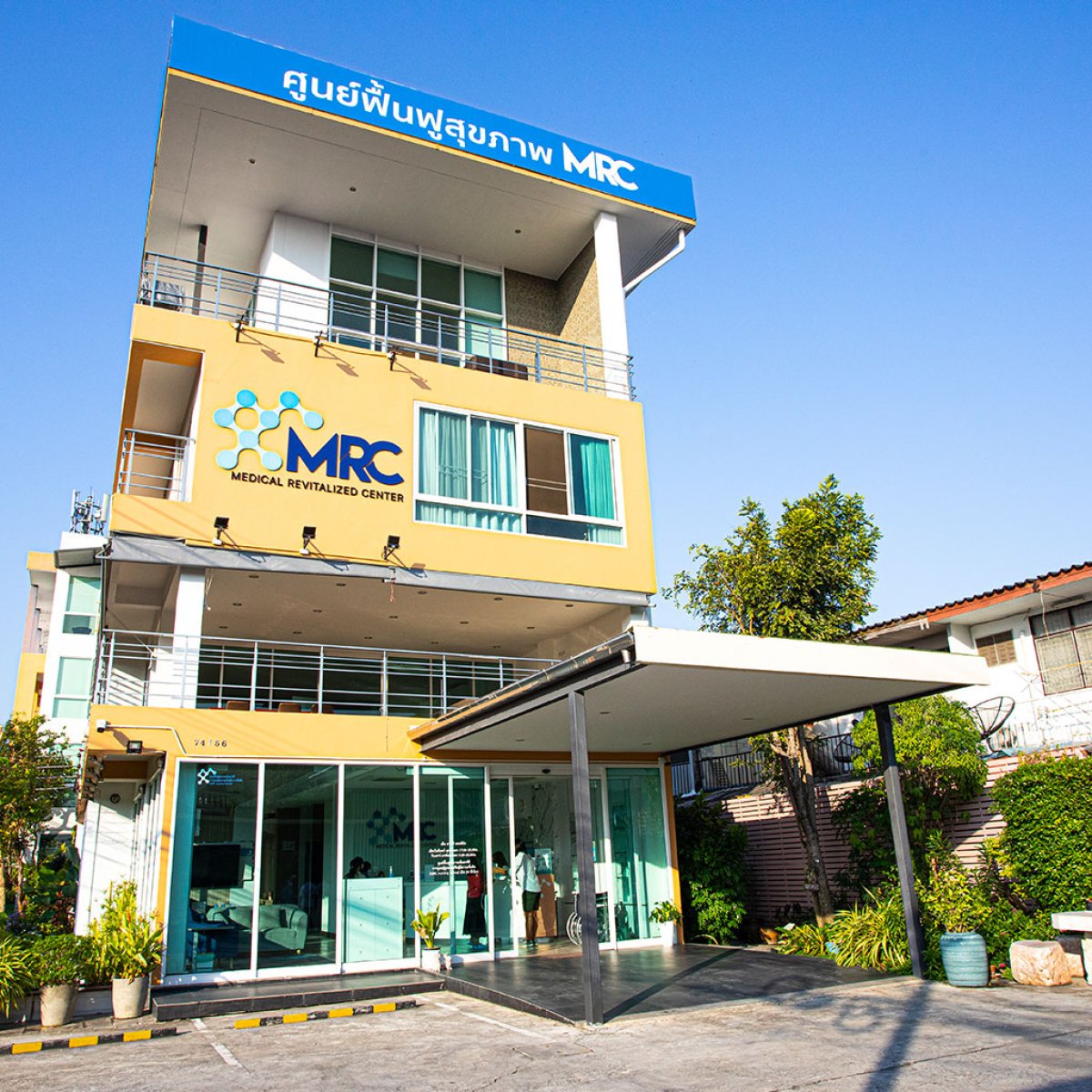
Centro Médico de Rehabilitación MRC
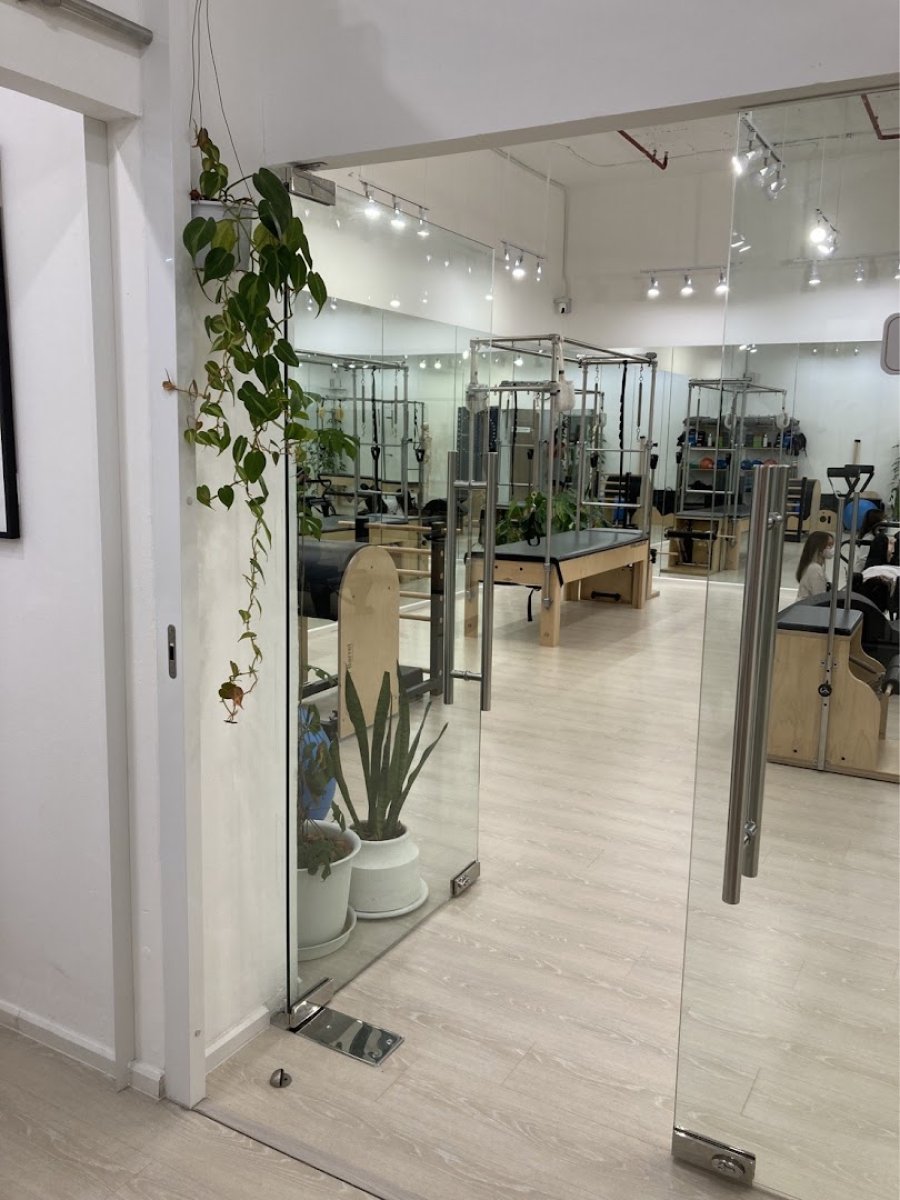
Le Physio Clinic
Obtenga una evaluación médica de tratamiento de Luxación habitual del hombro en Tailandia: haga una consulta con 6 médicos experimentados ahora
Ver todos los médicos
Dr Piya Assawaboonyadej
Especialista en casos complejos de hombro con enfoque en oncología ortopédica, combinando experiencia quirúrgica con conocimientos específicos sobre tumores en el Hospital Intrarat.
- _doctor_8776_años_ como profesor de ortopedia en el Hospital Universitario Naresuan
- Formación de subespecialidad (fellowship) en oncología ortopédica en la Universidad de Iowa, EE. UU.
- Miembro de la Sociedad Tailandesa de Tumores Musculoesqueléticos y del Real Colegio de Cirujanos Ortopédicos
- Investigaciones publicadas sobre tumores óseos raros y técnicas de preservación articular
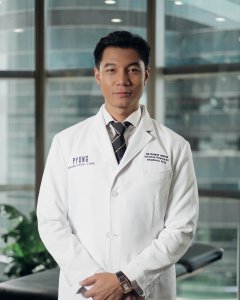
Kantaphong Thongrong
El Dr. PYONG se especializa en la integración de robótica avanzada y tecnologías no invasivas para la rehabilitación de hombro en PYONG Rehabilitation Group.
- Fisiatra certificado con experiencia en neurorrehabilitación
- Utiliza intervenciones guiadas por ultrasonido y técnicas de hidrodisección
- Jefe del Departamento de Rehabilitación en un importante hospital de Bangkok
- Formado en neurorrehabilitación robótica y terapia láser
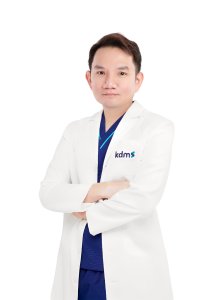
Pongtep Na Nakorn
Especialista en cirugía artroscópica de hombro y rodilla: el Dr. Pongtep Na Nakorn aporta su experiencia especializada al Hospital Ortopédico Especializado KDMS.
- Formado en medicina deportiva en la Universidad de Thammasat
- Cirujano ortopédico certificado con amplia experiencia
- Realiza procedimientos artroscópicos avanzados para la estabilidad del hombro
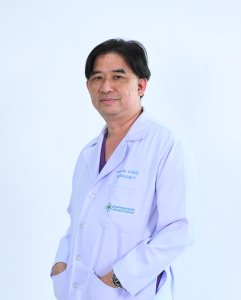
Pradab Pradasuk
El Dr. Pradab Pradasuk es cirujano ortopédico con 24 años de experiencia en el Hospital Navamin9 de Bangkok. Atiende en inglés y tailandés.
Su práctica se centra en la artroscopia y la reconstrucción de rodilla, incluida la cirugía del LCA, meniscectomía, artroplastia y reemplazo articular. Trata trastornos del hombro, como roturas del manguito rotador. Maneja afecciones del tobillo y del pie, como artrodesis, reemplazo articular, reparación del tendón de Aquiles y reconstrucción de de
Compartir contenido
Historias en video de pacientes de Bookimed
 Olena Sikoza
Preguntas frecuentes sobre el tratamiento de Luxación habitual del hombro en Tailandia
¿Es seguro operarse de luxación habitual de hombro en Tailandia?
Tailandia es sumamente segura para la cirugía de luxación de hombro. Centros acreditados como Bumrungrad y el KDMS Hospital utilizan asistentes robóticos y técnicas artroscópicas. Los cirujanos tailandeses suelen poseer becas internacionales. Las instalaciones con acreditación JCI mantienen estrictos protocolos de higiene y verifican las credenciales de los especialistas para garantizar la seguridad del paciente.
- Experiencia especializada: Cirujanos como el Dr. Pongtep Na Nakorn se especializan en la estabilización artroscópica del hombro.
- Tecnología avanzada: Las clínicas utilizan cirugía asistida por robot e imágenes digitales en 3D para la reparación ósea precisa.
- Estándares de seguridad: Los principales hospitales cuentan con certificaciones JCI y GHA por su calidad quirúrgica.
- Recuperación integrada: Los centros especializados ofrecen fisioterapia postoperatoria dedicada y rehabilitación asistida por exoesqueleto.
Perspectiva de expertos de Bookimed: La seguridad de Tailandia en cirugía ortopédica está impulsada por la hiperespecialización. El KDMS Specialized Orthopedic Hospital funciona como la primera instalación dedicada exclusivamente a la ortopedia en el país. Este modelo reduce los riesgos de infección comunes en los hospitales generales. Centrarse en clínicas de alto volumen asegura que su cirujano realice cientos de estabi
¿Cuál es el mejor tratamiento para la luxación recurrente de hombro en Tailandia?
La reparación artroscópica de Bankart es el tratamiento principal para la luxación recurrente de hombro en Tailandia. Esta técnica mínimamente invasiva utiliza cámaras de alta definición para estabilizar la articulación. Centros especializados en Bangkok también realizan el procedimiento de Latarjet para casos graves que involucran una pérdida ósea significativa o inestabilidad crónica.
- Estabilización quirúrgica: La reparación artroscópica ofrece altas tasas de éxito con un daño tisular mínimo.
- Diagnóstico especializado: Las clínicas utilizan resonancias magnéticas y tomografías computarizadas para evaluar el daño labral y óseo.
- Cirujanos expertos: El Dr. Pongtep Na Nakorn se especializa en cirugía artroscópica de hombro en el KDMS Hospital.
- Estándares hospitalarios: Instalaciones como el Bumrungrad International Hospital mantienen acreditaciones JCI y GHA.
Perspectiva del experto de Bookimed: Aunque muchos hospitales generales ofrecen cirugía ortopédica, elegir un centro especializado como el KDMS Hospital proporciona acceso a espacios de tratamiento integral. Los datos muestran que destinos destacados como Bumrungrad atienden a un 50% de pacientes internacionales, lo que garantiza la infraestructura para reconstrucciones complejas y una logística fluida.
Consenso de los pacientes: Los pacientes señalan que la i
¿Cuánto tiempo requieren la cirugía y la recuperación en el país?
La cirugía de estabilización de hombro y la recuperación en Tailandia generalmente requieren de 10 a 14 días. Los cirujanos suelen realizar procedimientos artroscópicos en 1 a 2 horas. Los pacientes permanecen en Bangkok para la monitorización postoperatoria, el cuidado de heridas y para recibir el certificado médico requerido para volar (Fit to Fly).
- Estancia hospitalaria: La mayoría de los pacientes pasan 1 noche en el hospital para el control del dolor.
- Recuperación inicial: Los viajeros generalmente permanecen en el país de 7 a 10 días para el seguimiento.
- Autorización de viaje: Los cirujanos proporcionan la autorización de vuelo después de verificar el cierre inicial de la herida quirúrgica.
- Duración del cabestrillo: Los pacientes deben usar un cabestrillo protector para el hombro durante 4 a 6 semanas.
Opinión experta de Bookimed: Tailandia ofrece una ventaja especializada a través de centros de recuperación dedicados como el MRC Medical Revitalized Center. Mientras que los principales hospitales como el Bumrungrad International se encargan de la cirugía, estas instalaciones más pequeñas se centran totalmente en la rehabilitación postoperatoria. Esta separación permite a los pacientes trasladarse de un entorno de cuidados intensivos de alto costo a un entorno de rehabilitación especializado durante su segunda semana en el país.
¿Cuál es el tiempo de recuperación típico después de una estabilización de hombro?
La recuperación después de una estabilización de hombro suele durar de 4 a 6 meses. Los pacientes usan un cabestrillo durante 4 semanas para proteger la reparación del labrum. El movimiento pasivo temprano evita la rigidez. El retorno completo a los deportes de contacto o al levantamiento de pesas generalmente ocurre después de 6 meses de rehabilitación supervisada.
- Fase de protección: Use un cabestrillo durante 4 semanas para permitir que la cápsula articular sane.
- Fase de movilidad: Comience ejercicios de rango de movimiento asistido entre las semanas 4 y 8.
- Fase de fortalecimiento: Comience el entrenamiento de resistencia en la semana 12 una vez que la clínica confirme la movilidad total.
- Actividad completa: Reanude los deportes de alto impacto o el trabajo manual pesado después de al menos 6 meses.
Perspectiva del experto de Bookimed: Tailandia ofrece una ventaja única para la recuperación a través de instalaciones especializadas como el KDMS Specialized Orthopedic Hospital. Este es el primer hospital del país dedicado exclusivamente a la ortopedia. A diferencia de los hospitales generales, estos centros especializados proporcionan espacios de tratamiento conjunto donde cirujanos como el Dr. Pongtep Na Nakorn trabajan directamente con fisioterapeutas. Esta integración inmediata de la medicina deportiva y la rehabilitación profesiona
¿Qué hospitales en Tailandia son reconocidos por su excelencia en cirugía de hombro?
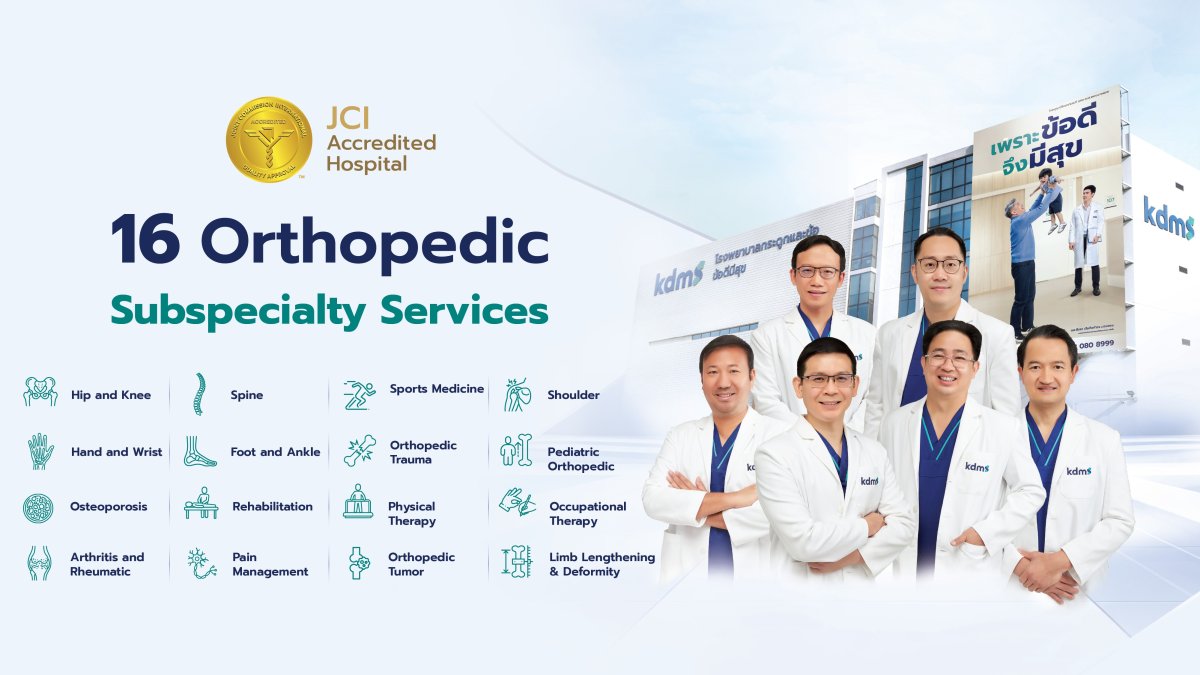
Tailandia cuenta con instalaciones acreditadas por la JCI que se especializan en la estabilización avanzada del hombro y reparación artroscópica. Centros líderes como el KDMS Specialized Orthopedic Hospital y el Bumrungrad International Hospital ofrecen tratamientos mínimamente invasivos para la luxación habitual. Estos hospitales brindan diagnósticos integrados, incluyendo resonancia magnética de alta resolución y programas de rehabilitación especializados.
- Experiencia especializada: KDMS es el primer hospital de Tailandia dedicado exclusivamente a la ortopedia con 50 médicos especialistas.
- Diagnóstico avanzado: Las instalaciones utilizan imágenes digitales y resonancia magnética en el sitio para una planificación quirúrgica precisa.
- Cuidado mínimamente invasivo: Los cirujanos realizan estabilización artroscópica para reducir el tiempo de recuperación y la formación de cicatrices.
- Rehabilitación integral: Centros integrados como MRC ofrecen protocolos de fisioterapia dedicados después de la cirugía.
Perspectiva de expertos de Bookimed: Mientras que los grandes centros de múltiples especialidades como Bumrungrad atienden a 1 millón de pacientes al año, el KDMS Specialized Orthopedic Hospital ofrece un enfoque único solo en la salud musculoesquelética. Su modelo de servicio integral combina a 50 especialistas en ortopedia con asistentes