Tratamiento de Luxación habitual del hombro en España — obtenga 3 coincidencias personalizadas de clínicas


Revisado médicamente por
Fahad Mawlood
Cómo funciona
¿Cuál es el precio del diagnóstico y los tratamientos de Luxación habitual del hombro en España? Descubra ahora
| España | Turquía | México | |
|---|---|---|---|
| Tratamiento conservador de la luxación habitual del hombro | ≈ $900 | ≈ $450 | de $4,000 |
Descubra las mejores clínicas de tratamiento de Luxación habitual del hombro en España: 11 opciones verificadas y Precios









Dr. Blum’s Biomechanics Center
Evgeniy Blum


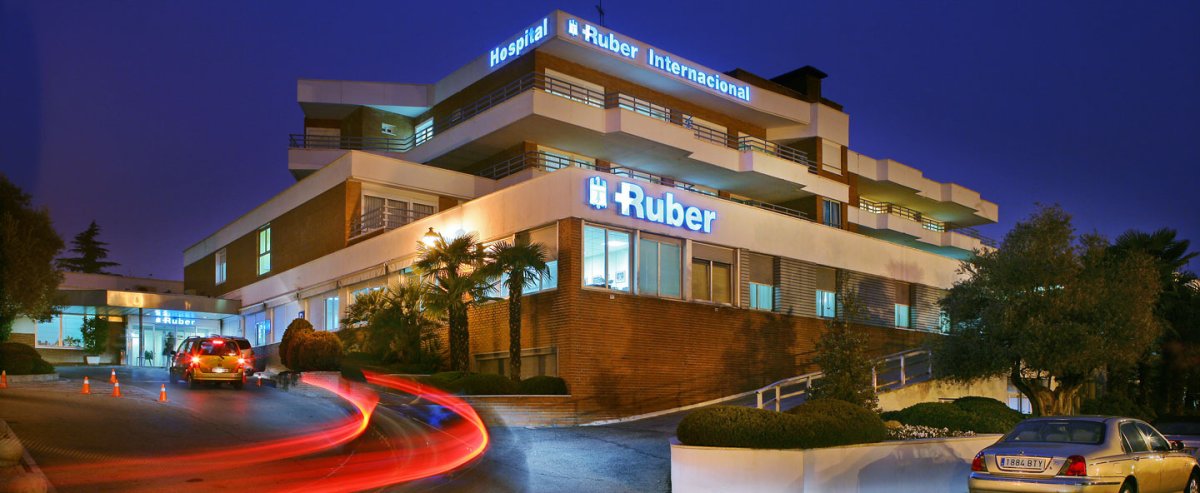


Hospital Sant Joan de Déu Barcelona










Obtenga una evaluación médica de tratamiento de Luxación habitual del hombro en España: haga una consulta con 7 médicos experimentados ahora
Ver todos los médicosEvgeniy Blum
Fundador de SOMATODYNAMICS: un enfoque innovador para la salud de las articulaciones y los huesos a través de la investigación fisiológica. El Dr. Blum combina la ciencia con la rehabilitación práctica en su Centro de Biomecánica.
- Inventor galardonado con 62 patentes internacionales en tratamiento médico
- Formó a más de 5847 especialistas médicos en rehabilitación clínica
- Desarrolla nuevas tecnologías para restaurar la función articular
- Jefe de Rehabilitación Clínica en la Universidad de la Amistad de los Pueblos de Rusia
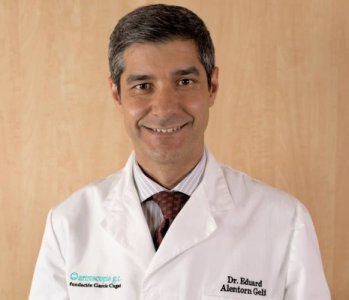
Eduard Alentorn Geli
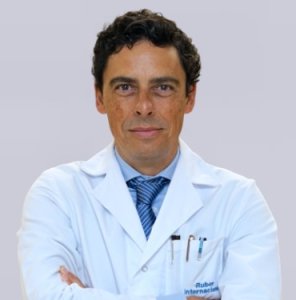
Pablo De La Cuadra
El Dr. Pablo de la Cuadra (Pablo Cuadra de la Virgili) es cirujano ortopédico y traumatólogo en Madrid. Está especializado en lesiones deportivas y cirugía de hombro en el Hospital Ruber Internacional, donde ejerce desde 1999. Cuenta con más de 25 años de experiencia. Dirige una unidad multidisciplinar y un equipo especializado en traumatología. Es un experto reconocido en trastornos complejos del hombro y utiliza técnicas artroscópicas y reconstructivas avanzadas para la inestabilidad y las

Javier Albiñana
Con 41 años de experiencia en cirugía ortopédica, el Dr. Albiñana se especializa en traumatología pediátrica en Quironsalud Madrid.
- Ex Jefe de Ortopedia Pediátrica en el Hospital La Paz
- Formación de fellowship en la Universidad de Iowa y la Universidad de Oxford
- Investigación publicada sobre displasia de cadera y enfermedad de Perthes
- Profesor Asociado en la Universidad Autónoma de Madrid
Compartir contenido
Historias en video de pacientes de Bookimed
 Olena Sikoza
Preguntas frecuentes sobre el tratamiento de Luxación habitual del hombro en España
¿Existen alternativas biológicas o regenerativas a la cirugía clásica en clínicas españolas para la luxación habitual de hombro?
Las clínicas españolas ofrecen alternativas biológicas como el plasma rico en plaquetas (PRP) y terapias con células madre para la luxación de hombro. Estos tratamientos reducen principalmente la inflamación y aceleran la curación de los tejidos blandos. Siguen siendo opciones de apoyo más que curas independientes. Los problemas estructurales como las roturas del labrum suelen requerir cirugía de estabilización ortopédica.
- Terapias disponibles: El plasma rico en plaquetas y las células madre mesenquimales se dirigen a roturas parciales de músculos o tendones.
- Limitaciones clínicas: Las herramientas biológicas no pueden reparar estructuralmente ligamentos desprendidos o una pérdida ósea significativa.
- Diagnóstico avanzado: El Hospital HM Nou Delfos utiliza imágenes EOS para una evaluación musculoesquelética precisa.
- Rehabilitación integrada: El Centro de Biomecánica del Dr. Blum ofrece programas no quirúrgicos patentados para la regeneración articular.
Perspectiva del experto de Bookimed: Aunque muchos buscan inyecciones no invasivas, los centros españoles mejor valorados, como el Centro Médico Teknon, las integran con la medicina deportiva. A menudo tratan a atletas profesionales, incluidos jugadores del FC Barcelona. Esto sugiere que en contextos de alto rendimiento, las terapias biológicas se utilizan como aceleradores de la curación
¿Qué certificaciones de calidad o membresías profesionales debo verificar al seleccionar un médico o clínica en España para una estabilización de hombro?
Verifique que su cirujano posea el título de especialidad español en Traumatología y Cirugía Ortopédica. Asegúrese de que el centro mantenga la acreditación de la Joint Commission International (JCI) o la certificación ISO 9001. Centros líderes como el Centro Médico Teknon también cuentan con el reconocimiento de la European Foundation for Quality Management (EFQM) en seguridad.
- Membresía profesional: La membresía en la SECHC (Sociedad Española de Cirugía de Hombro y Codo) confirma una experiencia especializada.
- Residencia quirúrgica: Confirme que el cirujano completó el programa nacional de formación MIR (Médico Interno Residente).
- Registro clínico: El registro activo en el Colegio Oficial de Médicos es obligatorio para los médicos españoles.
- Acreditación especializada: Busque los marcos QH (Quality Healthcare) otorgados por el Instituto IDIS.
Perspectiva del experto de Bookimed: Aunque la JCI es el estándar global, la Clínica Universidad de Navarra fue la primera en España en recibirla. Nuestros datos muestran que los centros de primer nivel como el Hospital Ruber Internacional y el Centro Médico Teknon favorecen a líderes de equipo altamente especializados. El Dr. Pablo De La Cuadra, por ejemplo, tiene más de 25 años de experiencia específicamente en inestabilidad de hombro.
Consenso de los pacientes: Los paci
¿Cuánto tiempo debo planear permanecer en España después de un procedimiento de estabilización de hombro?
Los pacientes deben planear permanecer en España de 10 a 14 días después de una estabilización de hombro. Este periodo permite un control crítico de la herida y el primer hito postoperatorio. Las clínicas especializadas en Madrid y Barcelona se aseguran de que los pacientes estén aptos para viajar en avión antes de su partida.
- Estancia hospitalaria: La mayoría de los procedimientos artroscópicos son de día o requieren solo 1 noche.
- Seguimiento inicial: Los cirujanos realizan revisiones de la herida y retiro de puntos alrededor del día 10.
- Ventana de seguridad: Una estancia de 14 días minimiza los riesgos de coágulos sanguíneos durante vuelos de larga distancia.
- Periodo de movilidad: Los pacientes deben usar un cabestrillo de inmovilización las 24 horas del día, los 7 días de la semana, durante 4 a 6 semanas.
Perspectiva del experto de Bookimed: Elegir una clínica como el Hospital Ruber Internacional ofrece una ventaja clara para los pacientes internacionales. El Dr. Pablo De La Cuadra utiliza protocolos específicos de recuperación rápida para lesiones de hombro. Estos protocolos se centran en la estabilidad temprana de la reconstrucción articular. Esto puede hacer que la estancia local obligatoria de 10 días sea significativamente más cómoda para los viajeros.
Consenso de los pacientes: Los pacientes enfatizan qu
¿Qué se incluye habitualmente en un paquete ortopédico español para pacientes internacionales con luxación de hombro?
Los paquetes ortopédicos españoles para la luxación de hombro suelen incluir cirugía artroscópica, anestesia y honorarios del cirujano con 1 a 2 días de hospitalización. Estos programas integrales incluyen diagnósticos preoperatorios como resonancia magnética, fisioterapia inicial y consultas de seguimiento. Los centros suelen contar con la acreditación de la Joint Commission International (JCI) para garantizar altos estándares de seguridad.
- Equipo quirúrgico: Incluye al cirujano ortopédico principal, personal médico asistente y enfermeras especializadas.
- Diagnóstico por imagen: Cubre escáneres musculoesqueléticos de alta precisión y radiografías para evaluar desgarros del labrum.
- Hospitalización: Proporciona 1-2 noches en habitación privada con catering y camas para acompañantes.
- Atención postoperatoria: Incluye sesiones de rehabilitación a pie de cama y dos citas de seguimiento ambulatorio.
Perspectiva del experto de Bookimed: España atrae a atletas de élite para el cuidado del hombro, lo que impulsa un enfoque en imágenes de alta precisión. Clínicas como el Hospital HM Nou Delfos utilizan la tecnología EOS para un mapeo musculoesquelético detallado. Este equipo permite a los cirujanos planificar reconstrucciones con mayor precisión que las radiografías estándar. Elegir un centro con imágenes especializadas a menudo conduce a resultad