Luxación habitual del hombro en Lituania: clínicas verificadas para su tratamiento


Revisado médicamente por
Fahad Mawlood
¿Cuál es el precio del diagnóstico y los tratamientos de Luxación habitual del hombro en Lituania? Descubra ahora
| España | Turquía | |
|---|---|---|
| Tratamiento conservador de la luxación habitual del hombro | ≈ $900 | ≈ $450 |
Sus beneficios y garantías con Bookimed
Precios directos
Bookimed no añade cargos extra a los precios de los tratamientos de Luxación habitual del hombro. Las tarifas proceden de las listas de precios oficiales de las clínicas. Pagará directamente en la clínica por su tratamiento a su llegada al país.
Sólo clínicas y médicos verificados
Bookimed está comprometido con su seguridad. Solo trabajamos con las clínicas que mantienen altos estándares internacionales en el tratamiento de Luxación habitual del hombro y cuentan con las licencias necesarias para atender a pacientes internacionales en todo el mundo.
Asistencia 24/7 gratuita
Bookimed ofrece asistencia experta gratuita. Un coordinador médico personal le apoya antes, durante y después de su tratamiento, resolviendo cualquier problema. Nunca estará solo en su viaje médico de tratamiento de Luxación habitual del hombro.

Su coordinador médico personal de Bookimed
- Le apoya en cada etapa
- Ayuda a elegir la clínica y el médico adecuados
- Asegura un acceso rápido y conveniente a la información
Descubra las mejores clínicas de tratamiento de Luxación habitual del hombro en Lituania: 2 opciones verificadas y Precios
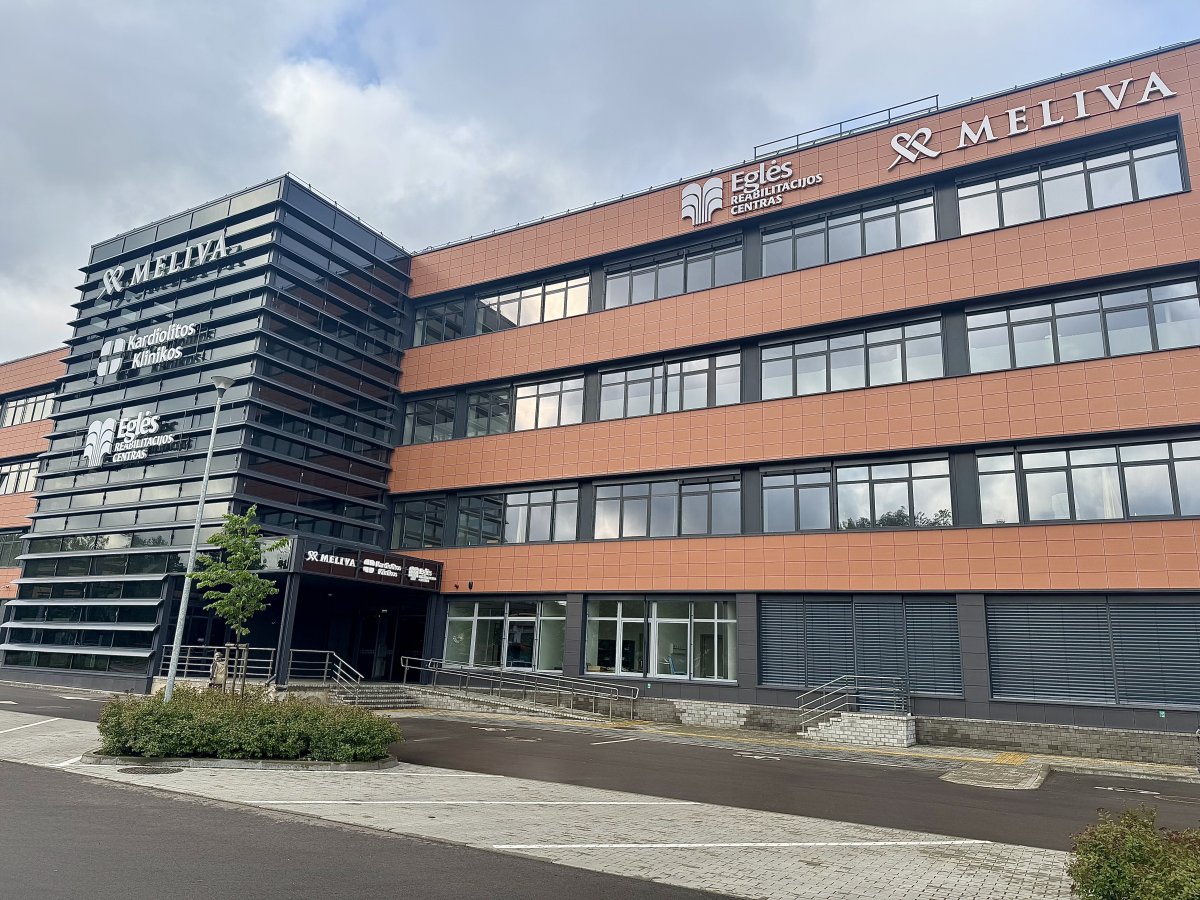



Obtenga una evaluación médica para Luxación habitual del hombro en Lituania: consulte con doctores experimentados ahora
Ver todos los médicos
Justinas Vaiciulis
Especialista en lesiones de hombro, codo y rodilla con más de _doctor_10767_ años de experiencia. Realiza reconstrucciones del manguito rotador del hombro y cirugías de LCA.
- Realiza artroscopias de rodilla y reconstrucciones de LCA
- Participante activo en entrenamientos y conferencias internacionales
- Formación en soporte vital avanzado en trauma y manejo de fracturas
- Educación y residencia en la Universidad de Vilna
Compartir contenido
Historias en video de pacientes de Bookimed
 Olena Sikoza
Preguntas frecuentes sobre el tratamiento de Luxación habitual del hombro en Lituania
¿Cuál es el tratamiento principal para la luxación habitual de hombro en Lituania?
Los especialistas lituanos priorizan la estabilización artroscópica para tratar la luxación habitual de hombro. Este procedimiento mínimamente invasivo implica volver a unir el labrum cartilaginoso utilizando anclajes óseos especializados. Los cirujanos en instalaciones acreditadas por la JCI se centran en restaurar la mecánica articular. La atención estándar incluye una rehabilitación estructurada para garantizar la estabilidad a largo plazo.
- Estándar quirúrgico: La reparación artroscópica de Bankart vuelve a unir los tejidos del labrum desgarrados a la cavidad glenoidea.
- Casos graves: La cirugía de Latarjet o la cirugía abierta corrigen una pérdida ósea o laxitud significativa.
- Protocolo de recuperación: Los pacientes suelen usar un cabestrillo protector durante 1 a 6 semanas.
- Rehabilitación: Se requiere kinesioterapia especializada para restaurar el rango completo de movimiento de la articulación.
Perspectiva del experto de Bookimed: Aunque muchos buscan atención ortopédica general, la experiencia especializada es lo más importante. El Dr. Justinas Vaiciulis en el Hospital Meliva Kardiolita se centra específicamente en lesiones acromioclaviculares y del manguito rotador. Esta especialización es vital porque clínicas como Kardiolita tratan a 298,000 pacientes al año. Los centros de alto volumen a menudo ofrecen distinciones diagnóstic
¿Cuáles son las tasas de éxito y revisión de la cirugía de estabilización de hombro en Lituania?
Las tasas de éxito de la estabilización de hombro en Lituania oscilan entre el 85% y el 95%. Los principales centros ortopédicos informan una tasa de revisión del 9% en 10 años. Esto mejora al 2% con implantes de primera calidad. Los resultados dependen de la técnica quirúrgica específica elegida para la inestabilidad.
- Reparación artroscópica de Bankart: Tasas de éxito reportadas entre el 85% y el 90%.
- Procedimiento de Latarjet: Ofrece entre un 96% y un 98% de éxito para casos de pérdida ósea grave.
- Riesgo de cirugía de revisión: Los procedimientos de bloque óseo mantienen una tasa de revisión baja inferior al 1%.
- Cronograma de rehabilitación: El éxito funcional requiere de 3 a 6 meses de fisioterapia estructurada.
Perspectiva del experto de Bookimed: Aunque el éxito general es alto, los datos muestran que la experiencia clínica es el principal escudo de seguridad. Especialistas como el Dr. Justinas Vaiciulis en el Hospital Meliva Kardiolita se centran en reconstrucciones complejas y reparaciones del manguito rotador. Instalaciones como la suya tratan hasta 298.000 pacientes al año y cuentan con la acreditación JCI. Este alto volumen a menudo se traduce en diagnósticos más precisos mediante PET-TC o punciones articulares antes de que comience la cirugía.
Consenso de los pacientes: Los pacientes enfatizan que la c
¿La cirugía se realiza mediante técnicas abiertas o mínimamente invasivas (artroscópicas)?
Los cirujanos lituanos realizan la estabilización del hombro utilizando tanto técnicas artroscópicas como abiertas. Las incisiones mínimas son el estándar para las reparaciones de tejidos blandos. La cirugía abierta se utiliza en casos complejos que involucran pérdida ósea o daño estructural. Clínicas como el Hospital Meliva Kardiolita utilizan protocolos acreditados por la JCI para ambos enfoques en Vilna.
- Enfoque artroscópico: Los cirujanos utilizan una cámara diminuta y herramientas especializadas a través de varias incisiones en miniatura.
- Beneficios mínimamente invasivos: Los pacientes reportan una recuperación manejable con cicatrices más pequeñas y menor incomodidad postoperatoria.
- Indicación de cirugía abierta: Los médicos recomiendan procedimientos abiertos para inestabilidad severa o injertos óseos complejos.
- Experiencia especializada: El Dr. Justinas Vaiciulis cuenta con más de 10 años de experiencia en reconstrucciones avanzadas de hombro.
Perspectiva del experto de Bookimed: Aunque la mayoría de los pacientes buscan la cirugía mínimamente invasiva para una recuperación más rápida, los centros de alto volumen de Lituania priorizan la estabilidad sobre el tamaño de la incisión. El Centro de Diagnóstico y Tratamiento Médico atiende a más de 60,000 pacientes al año en 53 departamentos. Este volumen masivo permite a los cirujano
¿Cuánto tiempo debo permanecer en Lituania para el viaje médico?
El tratamiento de la luxación habitual de hombro en Lituania suele requerir una estancia de 7 a 14 días. Los pacientes suelen llegar de 1 a 2 días antes de la cirugía para realizarse los diagnósticos. La mayoría permanece en el país al menos 5 noches después del procedimiento para garantizar la estabilidad antes de volar a casa.
- Duración en el hospital: La mayoría de los pacientes de ortopedia permanecen en el hospital de 1 a 3 noches.
- Periodo de recuperación: Llegue 2 días antes para análisis de sangre y escáneres de imagen preoperatorios del hombro.
- Enfoque quirúrgico: La estabilización artroscópica generalmente permite estancias hospitalarias más cortas que las reconstrucciones óseas abiertas.
- Visita de seguimiento: Los cirujanos requieren una revisión dentro de los 7 días posteriores para la evaluación de la herida y el control del dolor.
Perspectiva de expertos de Bookimed: Los centros de Vilna, como el Hospital Meliva Kardiolita y el Centro Médico de Diagnóstico y Tratamiento, son centros de alta capacidad. Juntos atienden a más de 340.000 pacientes al año. Debido a que 1 de cada 10 pacientes en estas instalaciones es internacional, su logística está optimizada para ventanas de 7 días. Elegir a un cirujano como el Dr. Justinas Vaiciulis, especializado en reconstrucciones de hombro, garantiza que su cronograma de recuperación se al
¿Cuándo puedo volver a mis actividades físicas y deportes normales?
Los pacientes suelen retomar las actividades diarias ligeras entre 4 y 12 semanas después de una estabilización de hombro. La participación total en deportes sin contacto suele requerir de 4 a 6 meses. Los deportes de alto impacto o de contacto a menudo extienden este plazo más allá de los 6 meses para garantizar la estabilidad articular en Lituania.
- Tareas diarias: Vestirse y realizar trabajos de oficina ligeros suelen reanudarse en un plazo de 4 semanas.
- Deportes sin contacto: Correr y montar en bicicleta suelen comenzar entre 3 y 4 meses después del tratamiento.
- Actividades por encima de la cabeza: La natación y el lanzamiento requieren una autorización de fuerza específica, generalmente después de 5 meses.
- Deportes de contacto: El rugby o las artes marciales requieren más de 6 meses para una curación tisular máxima.
Perspectiva de expertos de Bookimed: La coordinación de la experiencia quirúrgica y la rehabilitación es un sello distintivo de las clínicas lituanas. Cirujanos como el Dr. Justinas Vaiciulis en el Hospital Meliva Kardiolita se especializan en la reconstrucción del manguito rotador y del hombro. Los centros privados en Vilna a menudo integran el diagnóstico y la recuperación bajo un mismo techo. El Centro de Diagnóstico y Tratamiento Médico atiende a 60.000 pacientes al año con un enfoque en la rehabilitación de alta cal
¿Cuánto tiempo tendré que usar un cabestrillo después de una cirugía de estabilización de hombro?
Los pacientes suelen usar un cabestrillo durante 2 a 6 semanas después de una cirugía de estabilización de hombro. La duración exacta depende del tamaño de la reparación y de la calidad del tejido. Debe usar el inmovilizador continuamente durante la fase inicial. Esto incluye dormir para evitar el desplazamiento accidental de la articulación.
- Uso diario: Mantenga el cabestrillo puesto las 24 horas del día durante las primeras semanas.
- Retiros permitidos: Quítese el inmovilizador solo para ducharse, vestirse y para la fisioterapia prescrita.
- Higiene de movilidad: Mueva la muñeca y los dedos con frecuencia para evitar la rigidez articular.
- Límites de actividad: Evite levantar, empujar o alcanzar objetos hasta que su cirujano ortopédico lo autorice.
Perspectiva de expertos de Bookimed: Los centros lituanos como el Hospital Meliva Kardiolita tratan a casi 300,000 pacientes al año con estándares acreditados por la JCI. Los datos muestran que especialistas como el Dr. Justinas Vaiciulis a menudo utilizan un período de inmovilización conservador de 4 a 6 semanas para casos de luxación habitual. Este marco de tiempo más largo tiene en cuenta el tejido estirado, común en subluxaciones repetidas, y ayuda a garantizar la estabilidad articular a largo plazo.
Consenso de los pacientes: Los pacientes señalan que las primeras 2