Ir a inicio

Cómo funciona

Hemos transformado el proceso de búsqueda de clínicas, haciéndolo simple, rápido y personalizado.
Responda algunas preguntasComplete un breve formulario para contarnos sobre su estado de salud y necesidades médicas.
Obtenga ofertas personalizadas3 clínicas seleccionadas especialmente según sus respuestas le proporcionan planes de tratamiento personalizados y presupuestos.
Elija la mejor opciónCompare ofertas y elija la clínica que más le convenga.
También puede consultar las 4 clínicas a continuación.
820К+ pacientes han recibido asistencia desde 2014
50 países
1,500 clínicas
6K+ reseñas
3K+ médicos calificados

¿Cuál es el precio del diagnóstico y los tratamientos de Luxación habitual del hombro en Austria? Descubra ahora

El precio se proporciona bajo petición
AustriaEspañaTurquía
Tratamiento conservador de la luxación habitual del hombrode $2,000de $1,200de $900
Datos verificados por Bookimed a partir de June 2026, basados en solicitudes de pacientes y cotizaciones oficiales de 118 clínicas en todo el mundo. Los costos medianos se basan en facturas reales (2025–2026) y se actualizan mensualmente. Los precios reales pueden variar.

Descubra las mejores clínicas de tratamiento de Luxación habitual del hombro en Austria: 4 opciones verificadas y Precios

El ranking de clínicas de Bookimed se basa en algoritmos de data science, ofreciendo una comparación confiable, transparente y objetiva. Tiene en cuenta la demanda de pacientes, las puntuaciones de reseñas (positivas y negativas), la frecuencia de actualización de opciones de tratamiento y precios, la rapidez de respuesta y las certificaciones de las clínicas.
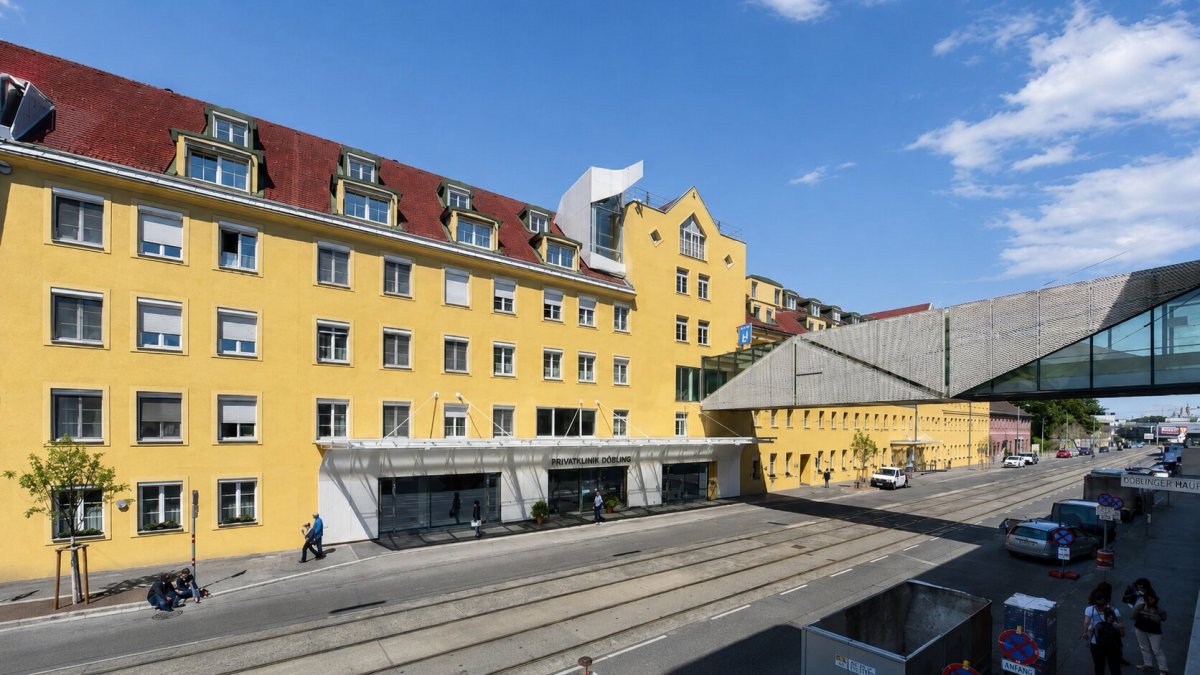
Döbling Private Hospital
4.221 reseñas
Precio a consultar
Más información
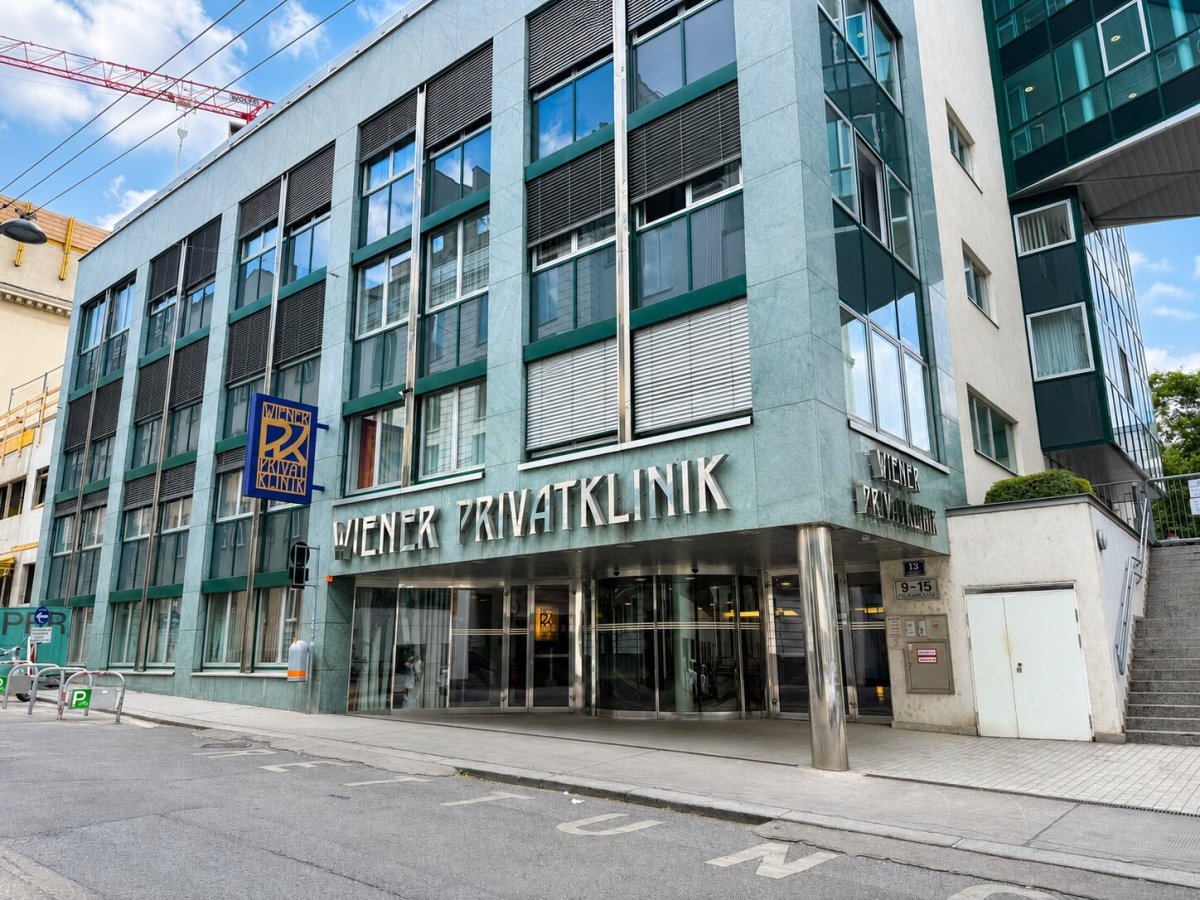
Clínica privada Wiener (Wiener Privatklinik)
4.6170 reseñas
Precio a consultar
Más información
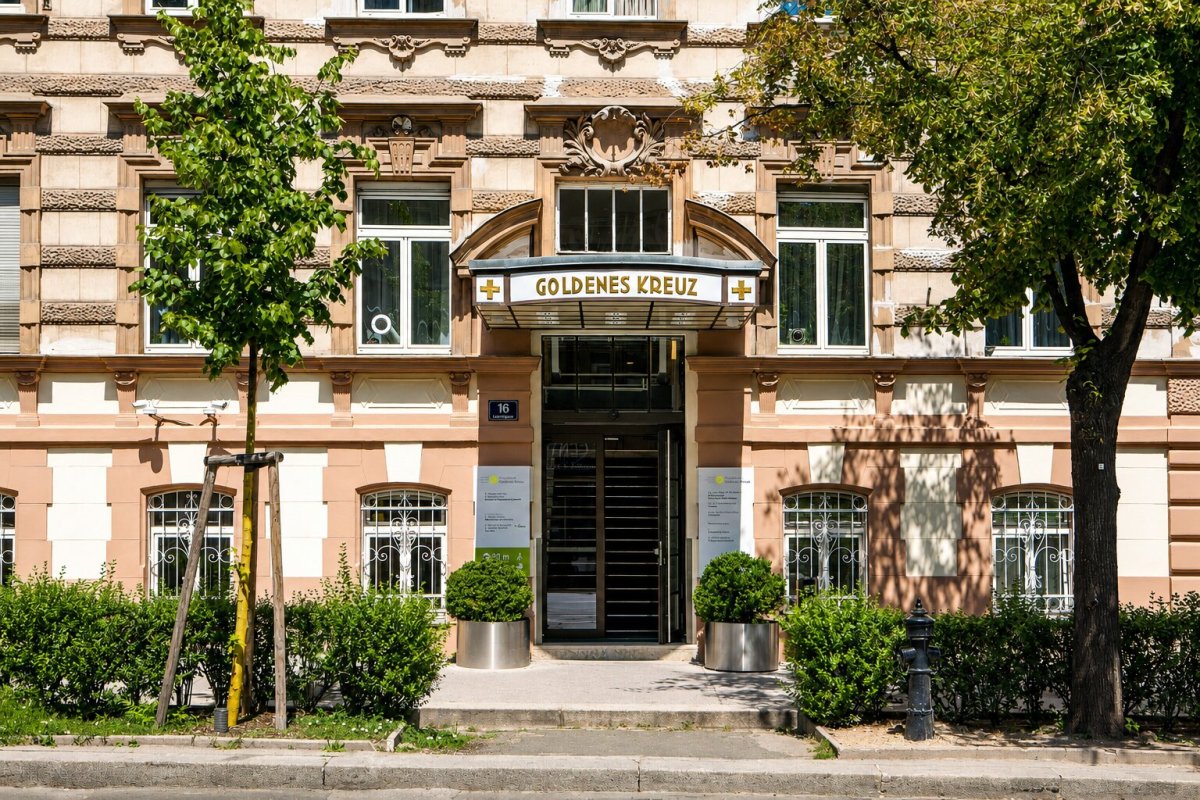
Confraternitaet & Goldenes Kreuz Private Hospital
3.88 reseñas
Precio a consultar
Más información
Clínica Privada Leech

Obtenga una evaluación médica para Luxación habitual del hombro en Austria: consulte con doctores experimentados ahora

Ver todos los médicos
verificado

Peter Bock

28 años de experiencia

El Prof. Dr. Peter Bock se especializa en estabilización de hombro y cirugía reconstructiva articular en la Wiener Privatklinik, uno de los centros de traumatología líderes en Austria.

  • Décadas de experiencia en cirugía traumatológica y ortopédica
  • Experiencia en técnicas artroscópicas y reconstructivas avanzadas
  • Profesor asociado de Cirugía Traumatológica en la Universidad Médica de Viena
  • Miembro activo de sociedades internacionales de traumatología y ortopedia

Compartir contenido

Historias en video de pacientes de Bookimed

Dayana
Combiné mis vacaciones en Antalya con un chequeo médico.
Procedimiento: Chequeo femenino
Igor
¡Fue genial! Traslados, alojamiento, tratamiento, todo incluido.
Procedimiento: Implante dental
Clínica: WestDent Clinic
Marina
Bookimed se encargó de todo. No tuve que preocuparme por nada.
Procedimiento: Chequeo femenino
Actualizado: 05/27/2022
Escrito por
Olena Sikoza
Olena Sikoza
Сopywriter en español
Copywriter médica certificada responsable del contenido en español de Bookimed. Más de 7 años de experiencia en redacción sobre salud y turismo médico, con formación académica en edición científica y desarrollo de contenidos.
Fahad Mawlood
Editor médico y Científico de datos
Médico general. Ganador de 4 premios científicos. Sirvió en Asia Occidental. Es el ex jefe del equipo médico que soporta a pacientes de habla árabe. Ahora es responsable del procesamiento de datos y la precisión del contenido médico.
Fahad Mawlood Linkedin
Esta página puede incluir información relacionada con diversas afecciones médicas, tratamientos y servicios de salud disponibles en diferentes países. Tenga en cuenta que el contenido se proporciona sólo con fines informativos y no debe interpretarse como asesoramiento médico o orientación. Por favor consulte con su médico o con un profesional médico calificado antes de comenzar o cambiar el tratamiento médico.

Preguntas frecuentes sobre el tratamiento de Luxación habitual del hombro en Austria

Estas preguntas frecuentes provienen de pacientes reales que buscan atención médica a través de Bookimed. Las respuestas son proporcionadas por coordinadores médicos experimentados y representantes autorizados de las clínicas.

Is surgery always required for habitual shoulder dislocation?

Surgery is not always required for habitual shoulder dislocation. Treatment depends on whether instability stems from trauma or muscle patterns. Conservative management is often the first approach for generalized joint laxity. Specialists recommend surgery primarily if structural damage like tissue tears prevents joint stability.

  • Neuromuscular therapy: Focuses on strengthening the rotator cuff and scapular muscles.
  • Activity modification: Includes avoiding specific overhead or external rotation arm positions.
  • Structural assessment: Surgery is advised for Bankart lesions or bone wear.
  • High-risk criteria: Early stabilization is standard for young athletes in contact sports.

Bookimed Expert Insight: Austrian facilities like Döbling Private Hospital maintain complication rates significantly below average. This suggests that even if surgery is eventually required, their specialized protocols enhance safety. For conservative paths, bundles in Vienna clinics often cost approximately $2,050 to $4,000 for comprehensive rehabilitation.

Patient Consensus: Many patients find that while physical therapy improves control, it may not stop all slips. Those who wait too long often regret it because repeated events can cause more joint damage.

What are the primary surgical procedures performed in Austria?

Primary surgical procedures in Austria focus on high-precision orthopedics, traumatology, and robotic-assisted oncology. Specialists utilize minimally invasive arthroscopic techniques for shoulder and joint reconstructions. These procedures are frequently performed at ISO-certified private clinics in Vienna and Graz. Leading facilities integrate JCI safety standards with advanced diagnostic imaging.

  • Orthopedic surgery: Focuses on joint replacements and computer-assisted reconstructions for hips and shoulders.
  • Trauma care: Specialized fixation for alpine sports injuries and complex bone fracture repairs.
  • Oncology robotics: Utilizes systems like da Vinci for precise prostate and kidney tumor removals.
  • Vascular reconstruction: Advanced interventions for heart valve replacements and coronary artery bypass grafting.

Bookimed Expert Insight: Data shows Austrian orthopedic excellence is driven by ultra-specialization within trauma departments. For example, Dr. Peter Bock at Wiener Privatklinik focuses specifically on the biomechanical understanding of shoulder injuries. This targeted expertise is common in Vienna. Clinics like Döbling Private Hospital manage 16,000 patients yearly while maintaining complication rates significantly below international averages. This volume-to-safety ratio makes Austria a primary destination for complex joint stabilizations.

Patient Consensus: Patients emphasize that imaging results like labral tears or bone loss dictate the choice between arthroscopic repair or more intensive bony procedures. Many note that choosing a surgeon with high experience in shoulder stabilization is the most critical factor for long-term success.

Which clinics and specialists in Austria are recognized for treating chronic shoulder instability?

Austria is a global leader in treating chronic shoulder instability through advanced arthroscopic stabilization and reconstructive surgery. Specialized clinics in Vienna and Graz provide tailored labrum repairs and bony procedures like the Latarjet. Most facilities hold ISO certifications or Newsweek rankings for orthopedic excellence.

  • Peter Bock: University professor in Vienna specializing in arthroscopic shoulder stabilization and joint reconstruction.
  • Wiener Privatklinik: Newsweek-ranked hospital in Vienna featuring over 30 specialized orthopedic and trauma departments.
  • Döbling Private Hospital: ISO-certified facility in Vienna performing high-volume joint preservation and complex stabilization procedures.
  • Leech Private Clinic: Graz-based surgical center equipped with advanced MRI and intensive rehabilitation wards.

Bookimed Expert Insight: While many search for general sports clinics, Dr. Peter Bock at Wiener Privatklinik holds a unique advantage as an Associate Professor at the Medical University of Vienna. This academic connection ensures patients receive techniques based on the latest biomechanical research. Clinics like Döbling report complication rates significantly below average due to this specialized focus.

Patient Consensus: Patients emphasize that a standard MRI may miss critical instability details, often requiring specialized CT scans. They note that successful recovery depends on whether the surgeon correctly identifies bone loss versus soft tissue laxity before selecting a surgical plan.

What is the typical post-treatment recovery timeline?

Recovery from habitual shoulder dislocation treatment in Austria typically involves 1 to 4 weeks of sling immobilization. Early mobility begins by week 3. Patients generally regain daily function within 3 months. Full return to overhead sports or heavy labor usually requires 6 to 12 months for complete tissue remodeling.

  • Acute healing: First 3 days focus on managing swelling and protecting the joint structure.
  • Sling immobilization: Wearing a sling for 1 to 4 weeks allows soft tissues to stabilize.
  • Functional rehabilitation: Weeks 4 to 8 prioritize restoring motion and strengthening the rotator cuff.
  • Late remodeling: Months 3 to 12 involve rebuilding endurance and maturing surgical scar tissue.

Bookimed Expert Insight: Choosing a specialist like Dr. Peter Bock at Wiener Privatklinik is vital for chronic cases. Surgeons with experience in joint reconstruction focus on biomechanical stability. This expertise is crucial because repeated dislocations weaken tissue. Advanced centers in Vienna often report low complication rates by merging arthroscopic precision with structured rehab.

Patient Consensus: Many patients note that daily tasks like showering are difficult during the first 6 weeks. They emphasize that strict physical therapy is more important than the procedure itself for long-term success.

How is Austrian national health insurance coverage handled for shoulder stabilization?

Austrian national health insurance covers 100% of medically necessary shoulder stabilization at public hospitals. The Österreichische Gesundheitskasse (ÖGK) manages these benefits. Coverage includes surgery, anesthesia, and acute care. Patients only pay a small daily hospital fee. Referrals from a general practitioner are required.

  • Provider type: Public hospitals offer full coverage for referred patients.
  • Specialist fees: Private surgeons require upfront payment with partial reimbursement.
  • Therapy approval: Post-operative physiotherapy requires medical officer approval for coverage.
  • Medical aids: Prescribed slings or immobilizers carry a 10% co-payment.

Bookimed Expert Insight: Patients often choose private consultations at clinics like Wiener Privatklinik or Döbling Private Hospital to bypass long public waiting lists. Data shows these facilities offer access to specialists like Dr. Peter Bock, who holds 30+ years of experience. While surgery may cost $2,000 to $4,000 privately, this route secures faster stabilization for athletes or those with frequent dislocations.

Patient Consensus: Patients emphasize that documenting multiple dislocations is vital for insurance approval. Many recommend a specialist letter to prove that physical therapy alone has failed to stabilize the joint.

Pedir una consulta gratis

Seleccione la mejor manera de contactarle