Oncología en Malasia — Costos 2026

Revisado médicamente por
Yesim Yildirim
¿Cuál es el precio de procedimientos de Oncología en Malasia? Descubra ahora
Oncology treatment in Malaysia typically costs between $7,400 and $12,500. Final costs depend on the cancer stage, chosen treatment modality, and length of hospital stay. International patients often find 50-70% savings compared to prices in the United States for similar therapeutic protocols.
Typical Oncology Costs in Malaysia
- Biochemical blood analysis: de $60
- Bone marrow transplantation: Precio a consultar
- Chemotherapy: $1,800 – $4,200
- Radiofrequency ablation: Precio a consultar
- CyberKnife: Precio a consultar
- Radiotherapy: Precio a consultar
- Brain tumor removal: $9,500 – $17,500
- Mastectomy: $4,800 – $8,200
- Nephrectomy: Precio a consultar
- Proton-beam therapy: Precio a consultar
Major oncology centers are primarily located in Kuala Lumpur, Penang, and Malacca. Costs are relatively consistent across these hubs, though travel and accommodation expenses may vary. Consult with an oncology specialist to receive a detailed treatment plan and accurate pricing for your case.
| Malasia | España | Turquía | |
|---|---|---|---|
| Resección de tiroides | ≈ $4,000 | de $14,000 | de $3,700 |
| Quimioterapia | ≈ $1,800 | de $2,200 | de $1,800 |
| Nefrectomía laparoscópica | ≈ $5,800 | de $14,000 | de $8,000 |
| Mastectomía | ≈ $4,800 | de $14,500 | de $3,500 |
| Extirpación de tumores cerebrales | ≈ $9,500 | de $21,500 | de $12,000 |
Todas las enfermedades de Oncología
Sus beneficios y garantías con Bookimed
Precios directos
Bookimed no añade cargos extra a los precios de los tratamientos de Oncología. Las tarifas proceden de las listas de precios oficiales de las clínicas. Pagará directamente en la clínica por su tratamiento a su llegada al país.
Sólo clínicas y médicos verificados
Bookimed está comprometido con su seguridad. Solo trabajamos con las clínicas que mantienen altos estándares internacionales en el tratamiento de Oncología y tienen las licencias necesarias para atender a pacientes internacionales en todo el mundo.
Asistencia 24/7 gratuita
Bookimed ofrece asistencia experta gratuita. Un coordinador médico personal le apoya antes, durante y después del tratamiento, resolviendo cualquier problema. Nunca estará solo en su viaje médico de procedimientos de Oncología.

Su coordinador médico personal de Bookimed
- Le apoya en cada etapa
- Ayuda a elegir la clínica y el médico adecuados
- Asegura un acceso rápido y conveniente a la información
Descubra las mejores clínicas de Oncología en Malasia: 4 opciones verificadas y Precios



VITA Medical Wellness Resort Penang



Los mejores centros médicos de Oncología en Malasia
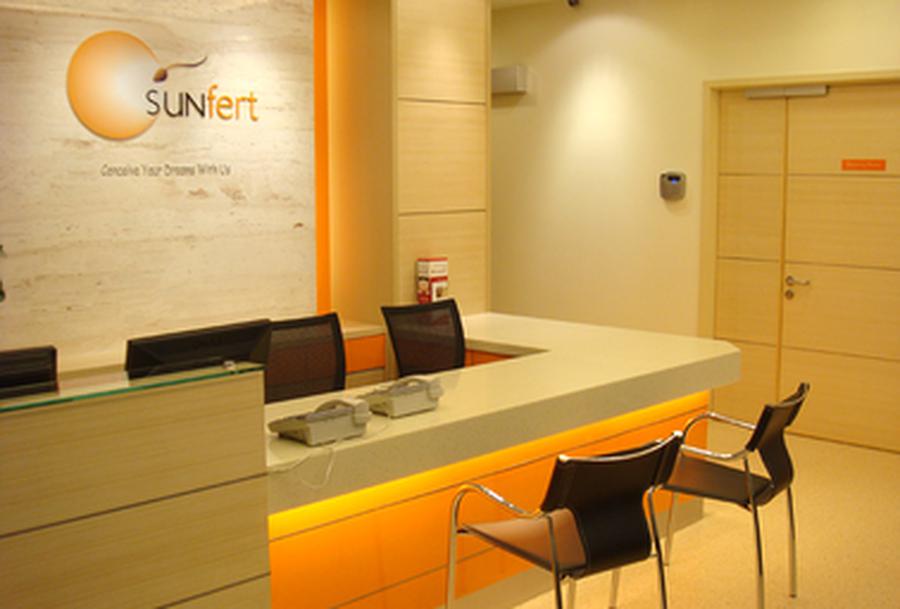
- Sunfert International Fertility Centre, Malasia
- Klinik De Palma, Malasia
- VITA Medical Wellness Resort Penang , Malasia
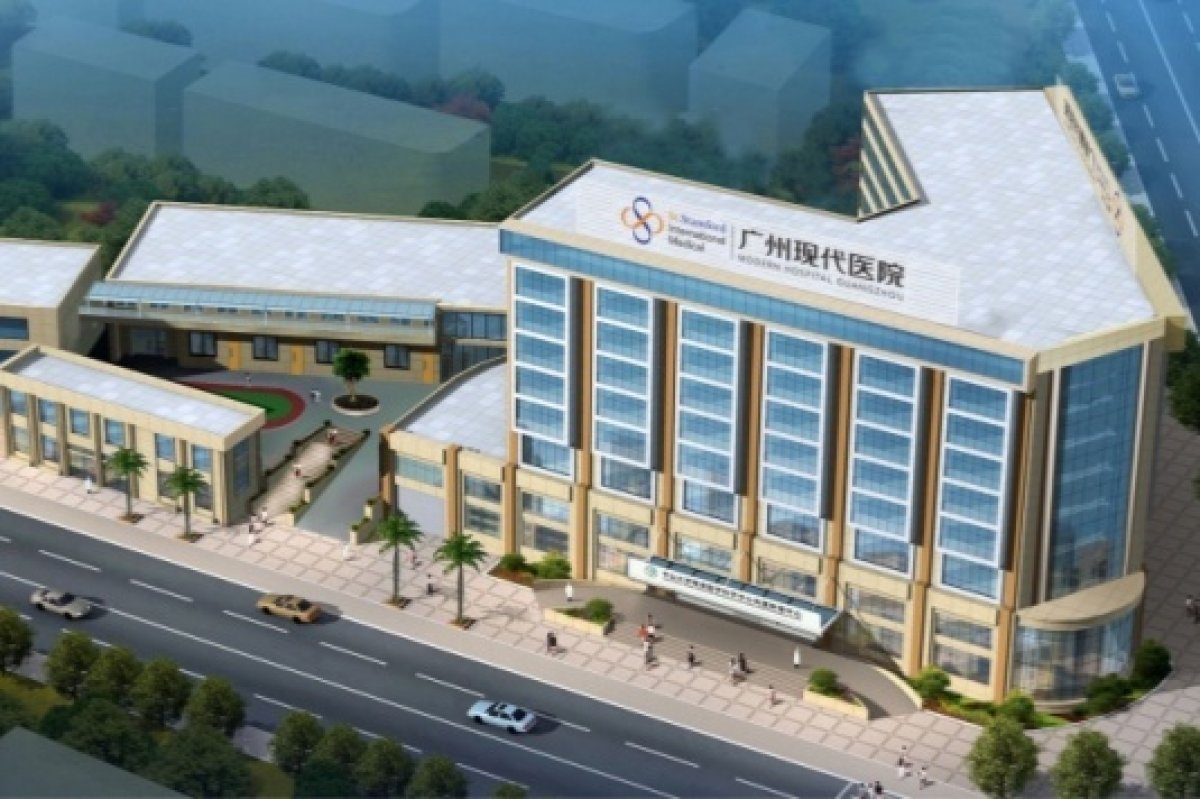
- St. Stamford Modern Cancer Hospital Guangzhou, Malasia
Obtenga una evaluación médica de Oncología en Malasia: haga una consulta con 12 médicos experimentados ahora
Ver todos los médicos
Song Shijun
Dai Wen Yan
Ma Xiao Ying
Zhang Fujun
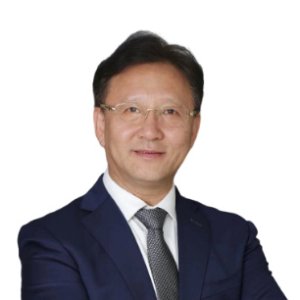
El Dr. Zhang Fujun es radiólogo intervencionista y oncólogo radioterápico en el St. Stamford Modern Cancer Hospital de Guangzhou. Trata casos oncológicos, incluyendo cánceres de hígado y esófago. El Dr. Zhang se especializa en la ablación por radiofrecuencia para destruir tumores con energía térmica. Trabaja en un centro acreditado por la JCI.
- Realiza oncología intervencionista mínimamente invasiva.
- Trata a pacientes en una clínica reconocida por la Sociedad Europea de Onco
Historias en video de pacientes de Bookimed
Artículos relacionados
Ver más
Costos de la terapia CAR-T
Escrito por Anna Leonova

Guía de costos del tratamiento del melanoma: precios, mejores clínicas, qué esperar
Escrito por Вероника Казина

¿Cuánto cuesta el tratamiento del cáncer de cuello uterino?
Escrito por Вероника Казина
Tratamiento del cáncer en el extranjero: Mejores centros y costes en 2025
Escrito por Mariia Mytrofankina
Tratamiento innovador del cáncer: Radioembolización Florin para metástasis hepáticas
Escrito por Kateryna Zamkovska
Compartir contenido
 Olena Sikoza
Preguntas frecuentes sobre Oncología en Malasia
¿Qué cualificaciones tienen los oncólogos en Malasia?
Los oncólogos malayos tienen certificaciones que cumplen con rigurosos estándares internacionales. La mayoría de los especialistas completan el proceso del Registro Nacional de Especialistas (NSR). Esto requiere un Máster en Medicina o calificaciones extranjeras equivalentes. Muchos médicos obtienen becas de instituciones prestigiosas en el Reino Unido y Australia.
- Becas internacionales: Muchos especialistas poseen credenciales de Fellowship del Royal College of Radiologists (FRCR).
- Afiliaciones globales: Los médicos a menudo mantienen membresías activas en las sociedades médicas ESMO y ASCO.
- Comparación clínica: Los programas locales de Máster en Medicina frecuentemente están a la par con los estándares de formación MRCP y FRCP.
- Registro de especialistas: Todos los oncólogos en ejercicio deben estar listados en el Registro Nacional de Especialistas.
Percepción de Expertos de Bookimed: Los indicadores de calidad en Malasia a menudo están vinculados al volumen de pacientes internacionales de una clínica. Instalaciones como Klinik De Palma atienden a más de 1,000 pacientes al año. Los altos volúmenes en centros privados en Kuala Lumpur generalmente se correlacionan con médicos que poseen múltiples becas occidentales. Estos centros priorizan la fluidez en inglés para una comunicación fluida con pacientes internacionales.
Con
¿Qué opciones de tratamiento oncológico están disponibles en Malasia?
Malasia ofrece atención oncológica avanzada, incluyendo cirugía robótica, inmunoterapia y radioterapia de precisión como IMRT. Los centros de tratamiento en Kuala Lumpur y Penang siguen protocolos internacionales. Estas instalaciones ofrecen acceso rápido a terapias dirigidas y ensayos clínicos para casos complejos. La mayoría de los centros privados inician el tratamiento en el plazo de 1 semana.
- Terapia sistémica: Quimioterapia, terapia hormonal y tratamientos dirigidos como los TKI son estándar.
- Inmunoterapia: Los inhibidores de PD-1 y los tratamientos avanzados con pembrolizumab están disponibles para pacientes elegibles.
- Técnicas de radiación: Los principales hospitales utilizan IMRT, VMAT y terapia especializada con haz de protones.
- Oncología quirúrgica: Los cirujanos realizan extirpaciones rutinarias de tumores y reconstrucciones complejas para cánceres sólidos.
- Atención experimental: Algunos centros académicos actualmente llevan a cabo ensayos de terapia con células CAR-T para el linfoma.
Opinión de Experto de Bookimed: Mientras que los centros de bienestar como VITA Medical Wellness Resort Penang se centran en la recuperación, la más alta pericia médica se concentra en Kuala Lumpur. Los pacientes que buscan diagnósticos avanzados deben priorizar los centros en la capital. Esto asegura el acceso a los m
¿Cuánto tiempo suelen permanecer los turistas médicos en Malasia para recibir tratamiento contra el cáncer?
Los turistas médicos en Malasia generalmente permanecen de 4 a 6 semanas para el tratamiento oncológico. Las evaluaciones diagnósticas y cirugías a menudo requieren de 2 a 3 semanas. Los ciclos complejos de radiación o quimioterapia intensiva pueden extender las estancias hasta 8 semanas. Se recomienda encarecidamente planificar un margen de 7 días para resultados de laboratorio y recuperación.
- Cronograma de diagnóstico: Las consultas iniciales y las tomografías PET-CT suelen llevar de 3 a 5 días.
- Recuperación quirúrgica: La monitorización postoperatoria en Malasia generalmente requiere de 10 a 14 días.
- Ciclos de quimioterapia: Las fases tempranas del tratamiento a menudo implican una estancia de 21 días para monitoreo.
- Terapia de radiación: Los programas de tratamiento localizado para casos de cabeza o cuello se extienden de 4 a 8 semanas.
Opinión del Experto de Bookimed: Aunque las estancias oncológicas varían, instalaciones como VITA Medical Wellness Resort ofrecen 175 habitaciones específicamente para la recuperación a largo plazo. Los datos muestran que los centros orientados al bienestar en ciudades como George Town apoyan a los pacientes durante ciclos de varias semanas. Esta infraestructura permite a los pacientes pasar de entornos clínicos a resorts médicos especializados durante tratamientos prolongados.
Consens
¿Qué opciones de idioma y seguro existen para pacientes con cáncer en Malasia?
Los principales centros de oncología en Malasia utilizan el inglés como su idioma principal para el personal médico. Los hospitales privados en Kuala Lumpur y Penang emplean oncólogos y enfermeras que hablan inglés con fluidez. La mayoría de las instalaciones especializadas aceptan seguros internacionales de proveedores como Cigna y Allianz. La disponibilidad de facturación directa varía entre los centros.
- Dominio del idioma: Los médicos y enfermeras en centros especializados en cáncer hablan inglés con fluidez.
- Tipos de seguro: Las instalaciones privadas comúnmente aceptan a importantes proveedores internacionales como Aetna.
- Proceso de facturación: Algunos centros ofrecen facturación directa mientras que otros requieren reembolso.
- Diferencias entre instalaciones: Los hospitales privados ofrecen mejor apoyo en inglés que las instituciones médicas públicas.
Perspectiva del experto de Bookimed: Los datos sugieren que las clínicas en ciudades como George Town y Selangor se centran fuertemente en pacientes internacionales. Centros como VITA Medical Wellness Resort y Klinik De Palma sirven a diversas regiones, incluyendo la Liga Árabe y Europa. Este alto volumen internacional generalmente correlaciona con departamentos de facturación más experimentados para reclamaciones de seguros globales.
Consenso del paciente: Lo
¿Cuál es el proceso de seguimiento para pacientes con cáncer después del tratamiento en Malasia?
El seguimiento pos-tratamiento en oncología en Malasia requiere un plan de alta estructurado y documentación clínica. Los pacientes deben obtener un calendario escrito para pruebas de sangre e imágenes. La coordinación con médicos locales y el mantenimiento de un diario de síntomas garantizan la continuidad del cuidado al regresar a casa.
- Informes médicos: Llevar copias físicas de todos los informes de patología y de imágenes.
- Calendario de seguimiento: Asegurar un cronograma para pruebas de sangre y escaneos diagnósticos.
- Monitoreo de síntomas: Mantener un diario que registre el cansancio, los niveles de dolor y el apetito.
- Criterios de emergencia: Definir síntomas específicos como fiebre superior a 38°C para atención urgente.
Perspectiva de expertos de Bookimed: Datos de Klinik De Palma y VITA Medical Wellness Resort muestran un enfoque en atención personalizada de alto volumen. Estos centros suelen enfatizar la recuperación integrada en el bienestar. Los pacientes deben confirmar los procesos de reabastecimiento de medicación antes de la salida. Los retrasos en el suministro público en los países de origen pueden interrumpir los ciclos de tratamiento intensivo.
Consenso del paciente: Los pacientes señalan que es vital solicitar referencias para dietistas y fisioterapeutas con anticipación. Organizar los archiv
¿Cuál es el mejor lugar para recibir tratamiento contra el cáncer en Malasia?
Kuala Lumpur es el principal centro para el cuidado oncológico en Malasia. Los pacientes frecuentemente eligen centros privados como Pantai Hospital Kuala Lumpur y Sunway Medical Centre. Estas instalaciones ofrecen diagnósticos avanzados como tomografías PET y terapia de protones especializada para cánceres de mama y colorrectal.
- Ubicación principal: Kuala Lumpur tiene la mayor concentración de oncólogos especializados.
- Tecnología avanzada: Los centros privados proporcionan tomografías PET integradas en las instalaciones para diagnósticos.
- Atención especializada: Instalaciones regionales como las de Penang ofrecen seguimiento para el cáncer de pulmón.
- Velocidad de acceso: Los hospitales privados ofrecen inicios de tratamiento significativamente más rápidos que los centros públicos.
Perspectiva del Experto Bookimed: Los clusters geográficos definen la oncología en Malasia. Mientras que Kuala Lumpur maneja tratamientos primarios complejos, las clínicas en George Town se especializan en el bienestar y recuperación a largo plazo. VITA Medical Wellness Resort Penang respalda esta tendencia con 175 habitaciones dedicadas a la recuperación de adultos y longevidad.
Consenso de los Pacientes: Los pacientes señalan que elegir atención privada evita los largos tiempos de espera que se observan en los hospitales públicos. So