Centrum Medyczne doktorA
Polonia, Varsovia

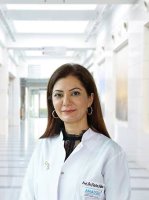
Revisado médicamente por
Yesim Yildirim
El tratamiento oncológico en Polonia suele costar entre $9,400 y $15,500. Los gastos finales dependen del tipo de cáncer, los ciclos de quimioterapia requeridos, la complejidad quirúrgica y la elección entre centros públicos o privados. Los pacientes internacionales suelen encontrar ahorros del 50-80% en comparación con los Estados Unidos.
Costos típicos de oncología en Polonia
Los principales centros oncológicos se encuentran en Varsovia, Cracovia y Breslavia. Aunque las clínicas privadas en la capital pueden cobrar tarifas ligeramente más altas por la logística avanzada, ofrecen tiempos de espera más cortos. Consulte con un especialista para obtener precios precisos para su diagnóstico específico.
| Polonia | España | Turquía | |
|---|---|---|---|
| Resección de tiroides | de $2,500 | de $14,000 | de $3,700 |
| Quimioterapia | ≈ $1,800 | de $2,200 | de $1,800 |
| Nefrectomía laparoscópica | ≈ $9,000 | de $14,000 | de $8,000 |
| Mastectomía | de $4,300 | de $14,500 | de $3,500 |
| Extirpación de tumores cerebrales | ≈ $9,000 | de $21,500 | de $12,000 |
Bookimed no añade cargos extra a los precios de los tratamientos de Oncología. Las tarifas proceden de las listas de precios oficiales de las clínicas. Pagará directamente en la clínica por su tratamiento a su llegada al país.
Bookimed está comprometido con su seguridad. Solo trabajamos con las clínicas que mantienen altos estándares internacionales en el tratamiento de Oncología y tienen las licencias necesarias para atender a pacientes internacionales en todo el mundo.
Bookimed ofrece asistencia experta gratuita. Un coordinador médico personal le apoya antes, durante y después del tratamiento, resolviendo cualquier problema. Nunca estará solo en su viaje médico de procedimientos de Oncología.

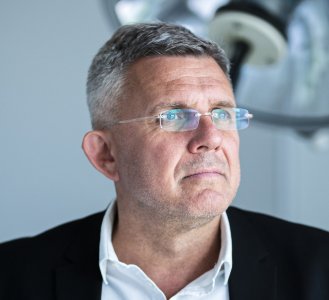
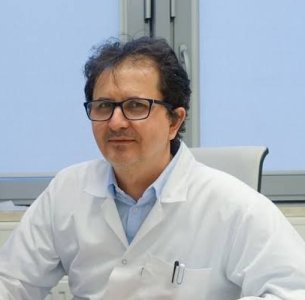
El médico es especialista en Cirugía General y Cirugía Oncológica con más de 28 años de experiencia clínica. Graduado de la Universidad Médica de Łódź, el médico obtuvo un doctorado en Ciencias Médicas en 2003 y completó un programa de posgrado en Cirugía Oncológica, Reconstructiva y Estética de Mama en la Universidad Autónoma de Barcelona.
El médico se centra en el tratamiento quirúrgico integral del cáncer de mama, utilizando técnicas reconstructivas avanzadas para restaurar la simetr


Escrito por Anna Leonova

Escrito por Вероника Казина

Escrito por Вероника Казина
Escrito por Mariia Mytrofankina
Escrito por Kateryna Zamkovska
 Olena Sikoza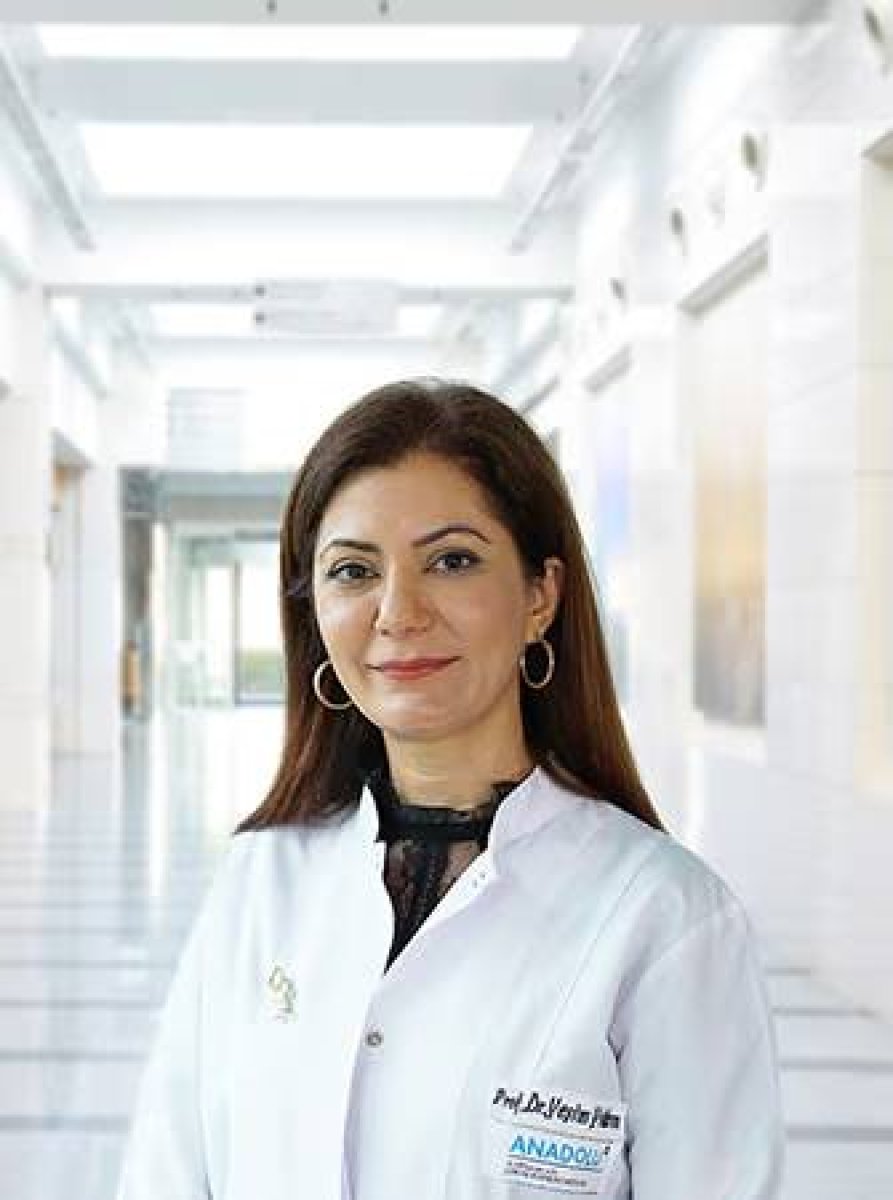
Los centros oncológicos de Polonia se adhieren a los protocolos médicos de la Unión Europea y a las rigurosas normas internacionales ISO. Instalaciones como la Clínica KCM y la Clínica de Fertilidad Gyncentrum mantienen certificaciones ISO para garantizar atención de alta calidad y confiable. Las instituciones especializadas utilizan tecnologías avanzadas, incluyendo la radio-cirugía CyberKnife y el HIFU para cumplir con los estándares de seguridad global.
Información Experta de Bookimed: Los datos muestran una alta concentración de experiencia oncológica especializada en Varsovia y Otwock. Centros como el Instituto de Cirugía Cibernética Cyberknife reciben subvenciones del Fondo Europeo de Desarrollo Regional. Estas inversiones permiten que las instalaciones polacas ofrezcan radioterapia a una fracción del costo de Europa Occident
Los plazos de recuperación para procedimientos oncológicos en Polonia varían según el tipo de cirugía y la técnica. Las resecciones mayores a menudo requieren de 5 a 7 días de hospitalización. La recuperación completa en casa generalmente abarca de 4 a 12 semanas. Centros especializados como el Instituto de Cirugía Cibernética Cyberknife ofrecen estadías clínicas más cortas para tratamientos no invasivos.
Perspectiva del Experto Bookimed: Datos del Centro Europeo de Salud de Otwock muestran una tendencia hacia la combinación de diagnósticos con la planificación quirúrgica. Los centros de alto volumen a menudo realizan procedimientos de HIFU o laparoscópicos que reducen las estadías hospitalarias a 2–3 días. Los pacientes que eligen estas opciones mínimamente invasivas frecuentemente informan alcanzar plena movilidad 2 semanas más rápido que en los casos de cirugía abierta t
Los equipos de oncología en Polonia se comunican principalmente en polaco, aunque muchos especialistas senior en centros como el Hospital Universitario en Cracovia hablan inglés con fluidez. Aunque los médicos suelen tener formación internacional, el personal de apoyo y las enfermeras pueden hablar solo polaco. Los pacientes suelen organizar sus propios servicios de interpretación o utilizan aplicaciones de traducción.
Perspectiva del Experto de Bookimed: Los datos de los principales centros polacos como el Hospital Universitario en Cracovia, que atiende a más de 455,000 pacientes anualmente, muestran una alta concentración de expertos académicos. Estos médicos publican frecuentemente en revistas en inglés. Para una experiencia más fluida, elija hospitales multidisciplinarios donde el volumen de casos internacionales ha impulsado al per
Los principales centros oncológicos en Polonia se encuentran en Varsovia, Cracovia, Otwock y Wieliszew. Estas instalaciones ofrecen atención avanzada que incluye CyberKnife, inmunoterapia y trasplante de médula ósea. Los protocolos con estándares JCI y los costos asequibles hacen de Polonia un destino clave para el tratamiento internacional del cáncer.
Perspectiva Experta de Bookimed: Los datos muestran una alta concentración de expertise especializado en el área metropolitana de Varsovia. Clínicas como el Instituto de Cirugía Cibernética y el Centro de Salud Europeo Otwock se encuentran en localidades suburbanas como Wieliszew y Otwock. Estas ubicaciones ofrecen entornos de recuperación más tranquilos mientras se mantienen cerca de los principales centros de transporte de la capital.
Consenso de Pacientes: Los pacientes observan que la cal
Los turistas médicos deberían planificar entre 2 y 6 semanas en Polonia para una evaluación oncológica inicial y la primera fase del tratamiento. Este marco de tiempo permite diagnósticos avanzados como PET-CT y MRI. También garantiza suficiente tiempo para los primeros ciclos de quimioterapia o procedimientos especializados.
Perspectiva del Experto Bookimed: Los datos de los principales centros polacos como el Hospital Universitario en Cracovia muestran que el volumen de las instalaciones impacta directamente en la velocidad del diagnóstico. Mientras que las clínicas más pequeñas ofrecen atención personalizada, las instituciones más grandes con más de 1,000 médicos a menudo tienen laboratorios en el lugar que evitan retrasos durante los días festivos públicos en Polonia. Un margen de 4 a 6 semanas es el más seguro para evit
Empaque registros médicos completos en CDs e informes de patología impresos para evitar retrasos en los diagnósticos. Traiga ropa con botones al frente para facilitar el acceso al puerto de quimioterapia y brindar comodidad postoperatoria. Incluya capas térmicas para inviernos que alcanzan los -15°C y protector solar de alto SPF para piel sensible al sol durante el tratamiento de verano.
Perspectiva del Experto de Bookimed: Los pacientes en centros de alto volumen como el Hospital Universitario de Cracovia a menudo enfrentan largas esperas entre diagnósticos. Nuestros datos muestran que llevar una tableta con entretenimiento sin conexión es vital. El WiFi de los hospitales en las salas de oncología de Poloni
La neurocirugía en Polonia ofrece atención de alta calidad en centros con certificación JCI e ISO. Los neurocirujanos polacos se adhieren a estrictos estándares de formación adoptados por la Unión Europea. Muchos han completado becas en Estados Unidos o Alemania. Tecnologías avanzadas, como CyberKnife, Gamma Knife y sistemas robóticos, están ampliamente disponibles en centros privados.
Opinión experta de Bookimed: Los datos muestran una fuerte correlación entre la especialización de una clínica y el origen de sus pacientes. La Clínica KCM atiende a más de 700 pacientes internacionales al año. Se especializa en cirugía de columna mínimamente invasiva. Este volumen de trabajo le permite ofrecer paquetes de servicios especializados, que a menudo incluyen bloques de diagnóstico e implantes específicos, como el DIAM de Medtronic.
Los neurocirujanos polacos son especialistas altamente cualificados que han completado al menos 13 años de rigurosa formación médica. Esto incluye seis años de estudios de medicina, 13 meses de prácticas y seis años de residencia. Deben aprobar el Examen Estatal de Especialización (PES) y suelen estar certificados por la Asociación Europea de Sociedades de Neurocirugía (EANS).
Opinión experta de Bookimed: Los datos muestran que los neurocirujanos polacos suelen especializarse en tecnologías altamente especializadas, como el sistema ApiFix o el sistema de endoscopia lumbar SED-YESS. Especialistas como el Dr. Stanisław Kwek, de la Clínica KCM, combinan la investigación postdoctoral con una práctica quirúrgica activa. Esta combinación de profundos conocimientos académicos y un alto volumen quirúrgico los hace especialmente eficaces en cirugías de columna complejas y mínimamente in
Entre las mejores clínicas neuroquirúrgicas de Polonia se encuentran el Hospital Carolina, la Clínica KCM y centros académicos de primer nivel como el Hospital Universitario de Cracovia. Estas instituciones ofrecen tratamientos de vanguardia para enfermedades de la columna vertebral y el cerebro que cumplen con los estándares de calidad ISO y emplean a especialistas miembros de organizaciones internacionales como AO Spine.
Opinión experta de Bookimed: Si bien muchos buscan los hospitales más grandes, los datos muestran que clínicas como el Hospital Carolina ofrecen mayor eficiencia para cirugías electivas. Con más de 40 médicos especialistas en este centro de 30 camas, la proporción médico-paciente es significativamente mayor que en los centros universitarios públicos. Esto se traduc
En Polonia, la neurocirugía se centra principalmente en cirugías de columna y extirpación de tumores cerebrales. Los hospitales realizan con frecuencia microdiscectomías, fusiones espinales y estimulación cerebral profunda. Centros como el Hospital Carolina y la Clínica KCM utilizan técnicas mínimamente invasivas para tratar hernias discales, lesiones de columna y trastornos neurológicos complejos.
Opinión experta de Bookimed: Polonia se ha convertido en un centro de estabilización espinal especializada. Clínicas como el Hospital Carolina colaboran con equipos deportivos nacionales, lo que refleja su alto nivel de experiencia en el tratamiento de lesiones espinales complejas. Nuestros datos muestran que estas instituciones suelen integrar la rehabilitación directamente en el tratamiento quirúrgico. Esta combinación reduce el riesgo de compl